REVIEW · KATHMANDU
Kathmandu: 8-Day Annapurna Circuit Trek via Thorong La Pass
Book on GetYourGuide →Operated by MTA Trekking Pvt. Ltd. · Bookable on GetYourGuide
One of the best mountain days in Nepal is here. This 8-day Annapurna Circuit trek sends you from forested paths into high-alpine country, with the big payoff of Thorong La Pass and a pilgrimage stop at Muktinath Temple. You’ll also get a real taste of village life along the way, not just views.
What I like most is the way the route balances trekking with practical altitude support, including a full acclimatization day in Manang. The other big win is the mix of scenery and culture in a tight schedule. The one drawback to know up front: the pass crossing is early and high, so this isn’t a laid-back trek if you’re not fit and comfortable with altitude.
In This Review
- Key highlights you’ll feel on this trek
- From Kathmandu to the trek start: trading traffic for mountain air
- Chame to Pisang: pine forests, apple country, and classic Annapurna angles
- Pisang to Manang: monastery stops, suspension bridges, and village-to-alpine change
- Manang acclimatization day: the smartest day you’ll spend
- Manang to Yak Kharka: steady climb and more animal trail life
- Yak Kharka to Thorong Phedi: crossing into high-alpine country
- Crossing Thorong La to Muktinath: early start, deep gorge, big emotional payoff
- Muktinath to Pokhara: long ride, short walk, lakeside reset
- Price and value: what $348 gets you (and where it can change)
- What to pack so the pass doesn’t punish you
- Who should book this Annapurna Circuit trek?
- Should you book the Thorong La Pass version of the Annapurna Circuit?
- FAQ
- What’s included in the trek price?
- Are meals included?
- Do I need a sleeping bag?
- How does the Thorong La pass crossing work?
- Is there a porter option?
- What should I bring for this trek?
- Can I cancel?
Key highlights you’ll feel on this trek
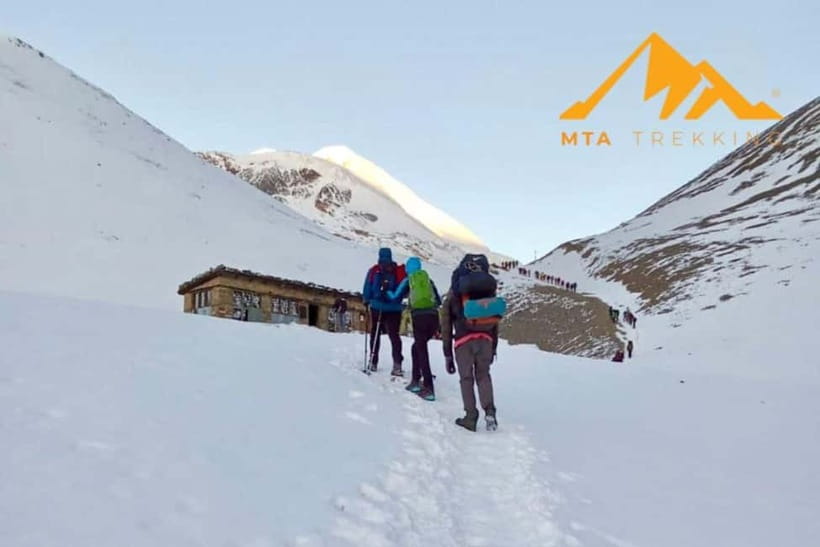
- Thorong La Pass timing (around 4 AM): You start early to reduce the risk from strong wind at the summit.
- Upper and Lower Pisang viewpoints: You get dramatic mountain views while also walking through real village neighborhoods.
- Manang acclimatization day: A full rest day helps your body adjust before the highest day.
- Muktinath Temple after the descent: You go from the high pass into a sacred, spiritual setting.
- Teahouse rhythm for 7 nights: Expect simple lodges, shared spaces, and the full trekking-culture vibe.
- Guides who prioritize safety and logistics: Recent guides have been praised for calm, careful support (names like Chakra, San Bhai, Shishir, and Ghanshyam show up in the feedback).
From Kathmandu to the trek start: trading traffic for mountain air
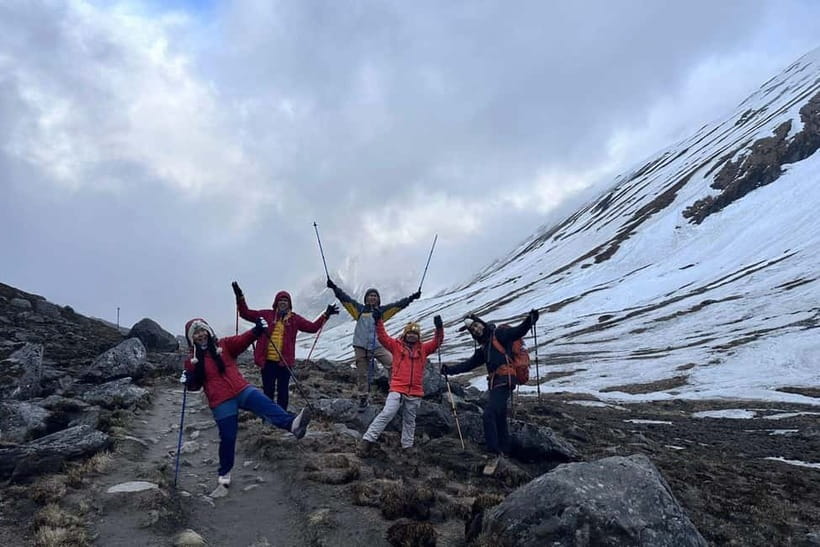
Your trip starts with transportation out of Kathmandu and into the Annapurna region. After hotel pickup, you head toward the trek launch point using a mix of vehicles, including a bus segment and a shared jeep ride onward. It’s a long travel day, but it’s worth treating it as a warm-up so you arrive ready to walk.
As you move away from the city, the scenery shifts quickly: towns thin out, the roads bend and climb, and you’ll see rivers, forest edges, and small settlements along the way. By the time you reach the first trekking stop (Chame area), the pace slows naturally into teahouse mode: dinner, sleep, and an early night.
Practical note: 9–10 hours of road time plus a trekking day after it means you should pack for comfort and keep essentials easy to access. Warm layers matter even before the high country.
You can also read our reviews of more tours and experiences in Kathmandu.
Chame to Pisang: pine forests, apple country, and classic Annapurna angles
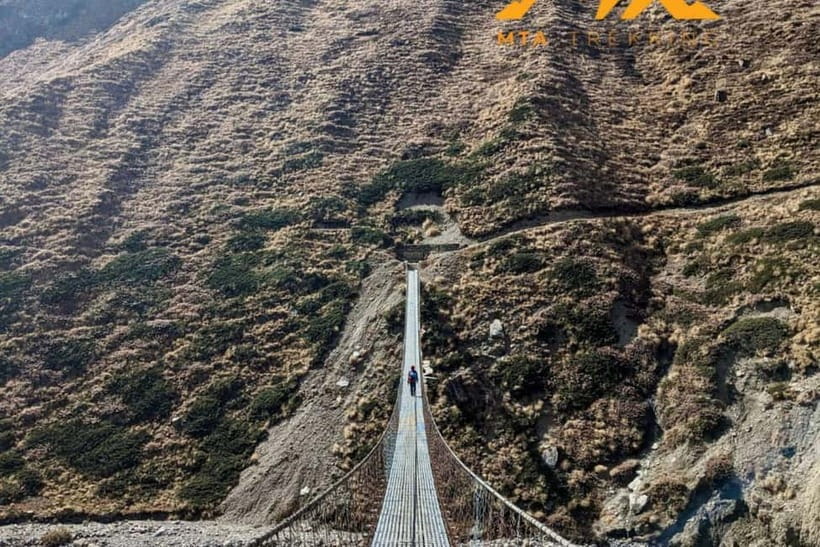
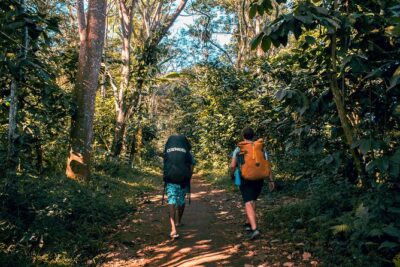
Day two is a proper on-ramp. You’ll trek from Chame through pine forests and apple orchards, cross a suspension bridge, and then climb toward Dhukur Pokhari for lunch. This section is often where you start feeling what the Annapurna Circuit really is: steady effort, changing vegetation, and frequent visual rewards.
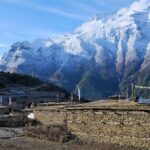
Then you arrive at Pisang, with views that open up toward Annapurna II, Annapurna IV, and Pisang Peak. The Pisang area is also ideal because you can explore Upper and Lower Pisang, and both have their own feel. Upper Pisang tends to give more dramatic angles on the peaks, while Lower Pisang is more immediate village life and foot traffic.
One small reality check: suspension bridges can be crowded or bouncy depending on timing. Go slow, keep your balance, and focus on steady steps. It’s less about bravery and more about good posture.
Teahouse tip: take advantage of stops to grab hot drinks when available and conserve your energy for the evening. You’ll likely be tired in a good way.
Pisang to Manang: monastery stops, suspension bridges, and village-to-alpine change
This day takes you deeper into the Circuit’s transition zone. The walk runs through pine valleys, then toward Braga, where you may be able to visit a hillside monastery if it’s open. That little cultural detour adds texture to the trek, especially when you’re already surrounded by huge mountains.
The route includes multiple suspension bridges and climbing stretches that gradually make you feel the altitude. When you reach Manang, the village atmosphere changes again. It’s still a Himalayan town, but it feels more “base-camp” than “small village,” and you’ll notice more hikers and support activity.
Teahouse living here can be a little busier. Expect shared dining spaces, early dinners, and people comparing notes—without needing to share yours. This is a good time to double-check your layers and make sure your sleeping bag situation is ready.
Manang acclimatization day: the smartest day you’ll spend
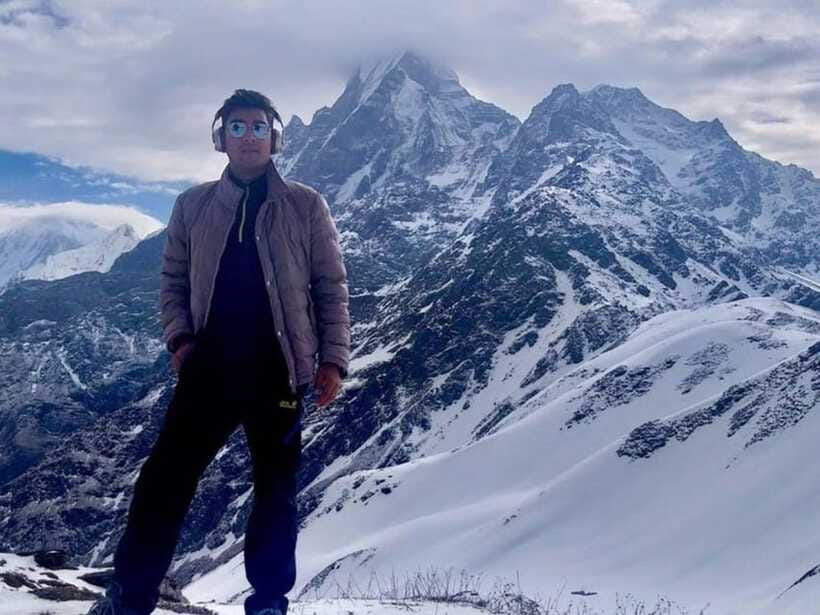
Manang’s acclimatization day is the part of the trek that helps you keep your “I can do this” momentum. Instead of marching higher, you rest and adjust. The goal is simple: reduce altitude stress and arrive calmer for the Thorong La crossing.
You’ll likely explore viewpoints, monasteries, and a cultural museum at a relaxed pace. If you want to move, there are optional short hikes toward glacial lake viewpoints, with Gangapurna and Tilicho peaks visible from certain angles. These side trips aren’t meant to exhaust you. Think of them as body training, not fitness tests.
What makes this day valuable is not just altitude adjustment—it’s mental. After a couple of hard trekking days, your brain needs a pause so the next days don’t feel like one long grind.
My advice: if you feel even slightly off, skip the extras. Hydrate, eat what you can, and keep your breathing steady. In high-altitude trekking, your best workout is usually the one you don’t overdo.
Manang to Yak Kharka: steady climb and more animal trail life
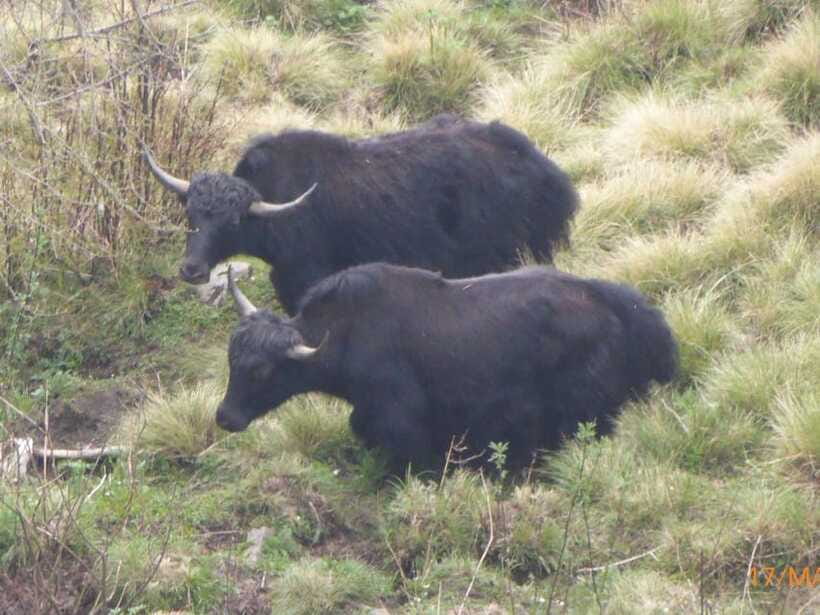
The next leg moves from Manang toward Yak Kharka. It’s around a few hours of trekking and includes a steady climb past Tengi, where you’ll meet locals and their pack animals. This is one of those days where you see the human logistics of the region. People live here year-round, and you’re walking through pathways they use every day.
Lunch can be in Gunsang, with views toward Annapurna II and IV. From there the trek continues through juniper forests toward Yak Kharka, and you settle into another guesthouse-style stop.
A key detail: this section feels like you’re getting closer to the alpine zone. The air can feel sharper. If you notice your breathing changing, don’t speed up to “push through.” Keep your pace even and let your legs do the work while your breathing stays controlled.
If you’re tempted to race ahead to beat the group, remember: you’ll be crossing Thorong La soon. Save your energy.
Yak Kharka to Thorong Phedi: crossing into high-alpine country
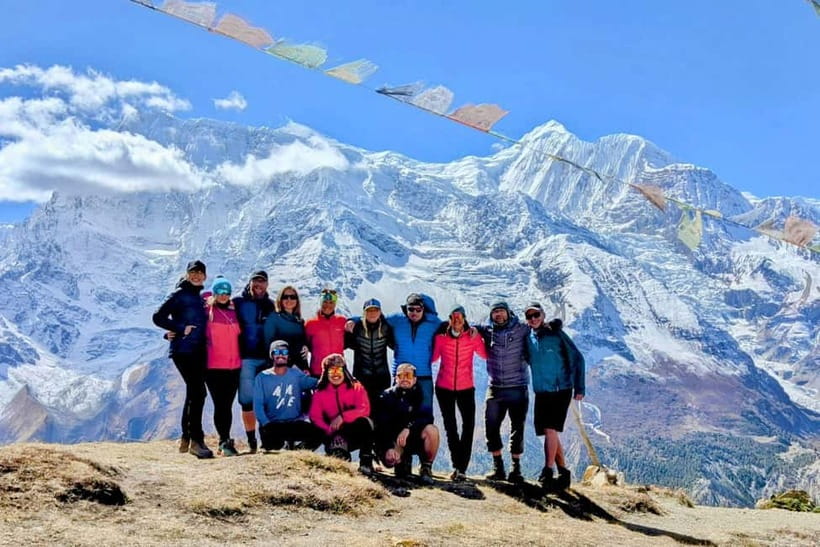
From Yak Kharka you head to Thorong Phedi, which is the base area for the Thorong La pass crossing. The walking time is roughly a half-day, and the terrain shifts: alpine pastures, roaming horses, and birds that feel very “Himalaya” show up along the route.
You’ll cross a suspension bridge and then work up rocky slopes. This is where your trek starts to feel more exposed and more “weather-dependent.” Even when skies look good, temperatures can drop quickly, especially as you move higher.
When you arrive at Thorong Phedi, the mission becomes preparation. You’re not just resting—you’re gearing up for an early start. Plan to sleep with layers ready, keep your headlamp (if you use one) accessible, and make sure your essentials don’t end up buried.
If you’re trekking in colder months (November–December), bring your own sleeping bag or plan to arrange a rental through the provider. Cold nights at altitude can sneak up on you.
Crossing Thorong La to Muktinath: early start, deep gorge, big emotional payoff
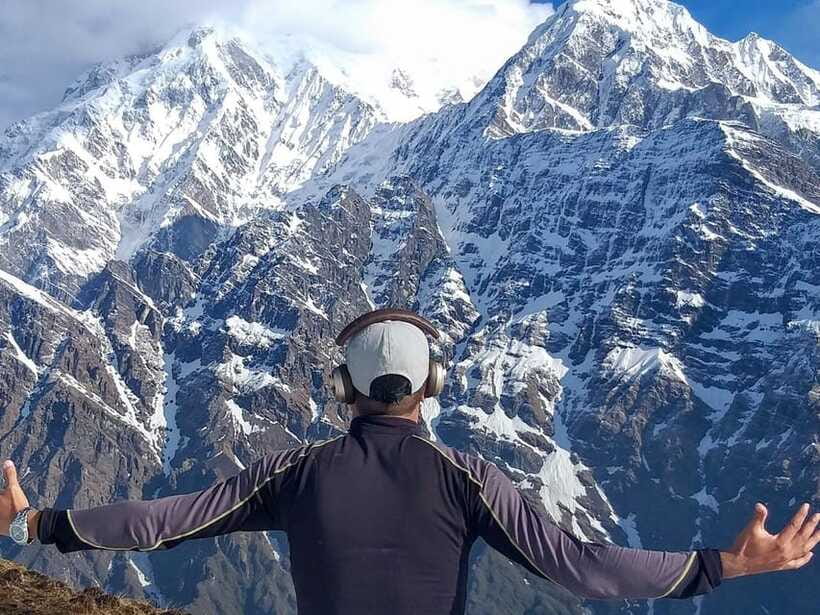
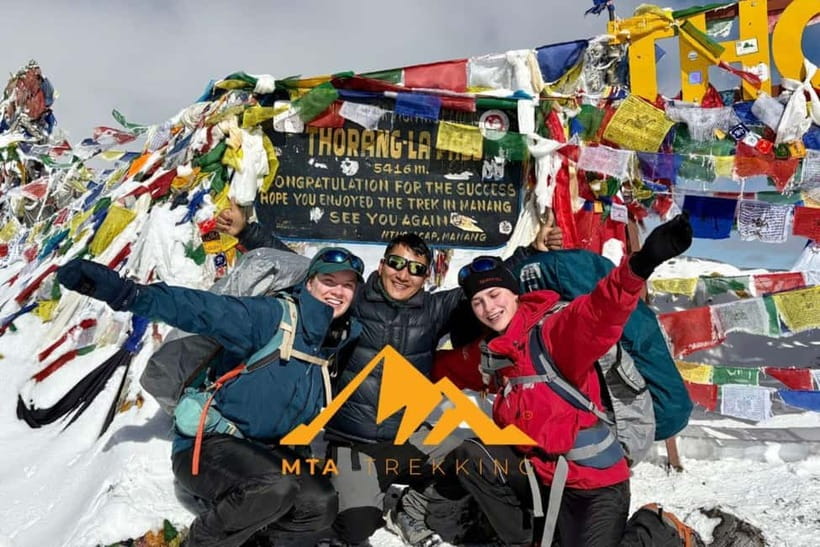
Day seven is the headline. You’ll start very early, around 4 AM, to reduce the chances of strong wind on Thorong La (5,416 meters). This timing matters because high passes can shift fast, and wind is more than uncomfortable—it changes safety.
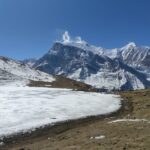
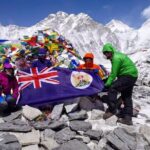
On the way up, you’ll see snow-capped peaks and prayer flags fluttering in the morning cold. Your guide’s role becomes very real here: pacing, route guidance, and safety checks. You’re crossing at altitude, so you want a calm rhythm, not a sprint.
Once you reach the pass, you’ll descend into the Kali Gandaki Gorge, known as one of the world’s deepest. That shift—from open high views to a dramatically cut gorge—can feel like a scene change in a movie.
Then you arrive at Muktinath Temple, a pilgrimage site for Hindus and Buddhists. This is a powerful contrast to a hard trekking day. You go from physical effort to spiritual space, with temples and shrines that give the day a different kind of meaning.
If you have the energy, take time here. Muktinath isn’t just a stop—it’s the cultural reason many people remember Thorong La as more than a physical challenge. And after such a long day, a teahouse dinner and early sleep are your best friends.
Muktinath to Pokhara: long ride, short walk, lakeside reset
After the trek, you travel from Muktinath to Pokhara by long bus ride time (about 9–10 hours). It’s not “fun” in the way city breaks are fun, but it’s practical. Your legs need recovery more than they need another adventure.
Once you check into your hotel in Pokhara (included: Hotel Orchid as your last night), you can finally drop your gear and breathe without altitude pressure. In the evening, wander the lakeside streets, eat something comforting, and enjoy a slower rhythm.
One of the nice perks here is that the trip includes a farewell Nepalese typical dinner in lakeside Pokhara. It’s a small cultural bow at the end of a big hike.
A bonus detail you might encounter on some departures: in at least one recent trek, the team added a relaxing hot-springs stop after Thorong La. Don’t count on it, but it’s the kind of thoughtful touch that can make the ending feel extra smooth.
Price and value: what $348 gets you (and where it can change)
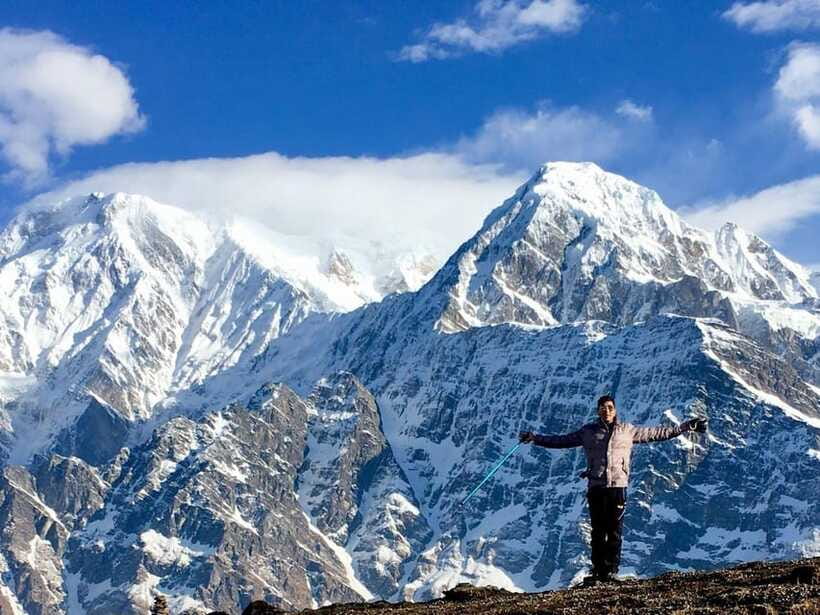
At about $348 per person for an 8-day trek, the value comes from the parts you don’t want to plan yourself: permits, organized routing, guides, and the logistics that keep teahouses and timing working. You’re not just buying a route on paper. You’re buying a functioning trekking operation.
Included items that matter for value:
- Trekking permits and paperwork, including TIMS fee(s) and government tax
- Teahouse/lodge accommodation for 7 nights
- An English-speaking guide (porter charge extra)
- All meals during the trek for the Full Package
- Transportation between Kathmandu, the trek start, and the return to Pokhara
- A tourist standard luxury hotel night in Pokhara (Hotel Orchid)
- A farewell Nepalese dinner in lakeside Pokhara
Where you might spend extra:
- Mineral water, tea/coffee beside breakfast, and hot water/hot shower are not included
- If you choose the Standard Package, meals may not be included
- A porter is available at $20 per day if you want help with weight
My take: for the cost, this is a solid “reduce-your-stress” deal, especially if you want someone else to handle the permit math and trekking logistics. The main thing to clarify before you pay is which meal package you’re getting.
What to pack so the pass doesn’t punish you
This trek is high and cold enough that gear matters. Bring warm clothing, sunglasses, and sunscreen. Even when the sun is bright, air can still be cold and dry.
Also plan around the sleeping situation. For winter treks (November–December), you’ll need a sleeping bag. If you don’t have one, ask about rental options before you go. Your sleeping setup can decide whether you sleep well or just survive the night.
You’ll also want travel insurance and the right documents. You should send a copy of your passport in advance so permits can be prepared. Passport copies and ID card copies are accepted.
For trekking day comfort, carry what you need easily during the walk so you’re not constantly repacking mid-climb. It sounds basic, but it keeps your pace steady.
Who should book this Annapurna Circuit trek?
This trek fits best if you want a classic Annapurna Circuit experience with a clear structure: villages early on, a cultural and scenic stop at Pisang and Manang, then the big crossing at Thorong La, followed by Muktinath and a Pokhara recovery.
You’ll likely be a good match if:
- You’re comfortable hiking several hours a day and handling a high pass
- You’re willing to wake up early for safety on Thorong La
- You want a blend of mountain views and cultural stops (Pisang and Muktinath)
It’s not suitable for pregnant women, people with altitude sickness, or people over 70.
If you’re on the fence about altitude, that Manang acclimatization day helps—but it doesn’t remove risk at 5,416 meters. You still need a sensible pace, hydration, and respect for your body.
Should you book the Thorong La Pass version of the Annapurna Circuit?
If your goal is the Annapurna Circuit with the classic high-point experience, this is a strong option. The combination of a carefully timed pass crossing, a real acclimatization day in Manang, and a pilgrimage finish at Muktinath Temple makes the trek feel complete, not just athletic.
Book it if you want guided logistics, teahouse nights, and a route that mixes mountains with culture. Skip it if you’re seeking a gentle stroll or you’re worried about early mornings and cold high-altitude conditions.
My final advice: ask which meal package you’re choosing (Full Package versus Standard), confirm sleeping bag expectations for your season, and be honest about your altitude comfort. Get those right, and you’ll be in position to enjoy one of Nepal’s most memorable trekking days.
FAQ
What’s included in the trek price?
The package includes hotel pickup and drop-off, an authorized English-speaking guide, trekking permits and paperwork (including TIMS fee(s) and government tax), teahouse/lodge accommodation for 7 trek nights, last night in Pokhara at Hotel Orchid, a farewell Nepalese dinner in Lakeside Pokhara, and guide insurance and expenses. Transportation is included as per the itinerary, plus a luxury sofa seater tourist AC bus from Pokhara to Kathmandu.
Are meals included?
Meals are included during the trek for the Full Package. Mineral water, tea/coffee beside breakfast, and hot water/hot shower are not included.
Do I need a sleeping bag?
If you’re trekking in winter months (November–December), you’ll need a sleeping bag for winter treks. If you don’t have one, you can contact the provider to arrange a rental.
How does the Thorong La pass crossing work?
You start very early around 4 AM to avoid strong winds on Thorong La Pass at 5,416 meters. Your guide is there to help ensure safe crossing. After the pass, you descend into the Kali Gandaki Gorge and then continue to Muktinath.
Is there a porter option?
Yes. A porter is available to hire for $20 per day. Porter is not included by default.
What should I bring for this trek?
Bring warm clothing, sunglasses, sunscreen, and comfortable clothes. Bring travel insurance and documents (passport with a copy accepted, and ID card with a copy accepted).
Can I cancel?
Free cancellation is available up to 24 hours in advance for a full refund.