REVIEW · KATHMANDU
Everest Base Camp Trekking
Book on Viator →Operated by himalayan sanctuary adventure private limited · Bookable on Viator
Everest Base Camp rewires your sense of scale. In this 15-day guided trek, you’ll go from Kathmandu’s sacred sites to Lukla flights, teahouse nights, and one very serious high point at Kala Patthar. I especially like the way the route is set up with steady pacing and acclimatization stops, so you’re not just rushing uphill for bragging rights.
I also love the built-in mountain-moment payoff: sunrise and long-view days, capped by the Kala Patthar viewpoint for serious Everest-region panoramas. One consideration: this is a flight-heavy itinerary, and the Kathmandu–Lukla–Kathmandu flights can be delayed or canceled due to weather, so you’ll want breathing room at the end.
In This Review
- Key highlights from this Everest Base Camp trek
- From Kathmandu temples to the Khumbu test: what this trip really is
- Day 1 in Kathmandu: your launchpad in Thamel
- Kathmandu Valley sightseeing: the temples that set the tone (Days 2)
- Fly to Lukla, then start walking: the first altitude gut-check (Day 3)
- Phakding to Namche Bazaar: river crossings and the gateway town (Day 4)
- Namche acclimatization + sunrise views: a smarter day off (Day 5)
- Tengboche monastery: big views plus a fixed daily schedule (Day 6)
- Dingboche and a second acclimatization cushion (Days 7–8)
- Lobuche: turning toward Base Camp country (Day 9)
- Everest Base Camp and Gorakshep: the long day payoff (Day 10)
- Kala Patthar sunrise views: the highest emotional return (Day 11)
- Downhill to Namche: letting your legs recover (Day 12)
- Back to Lukla: a real sense of completion (Day 13)
- Lukla to Kathmandu plus a cultural dinner (Days 14–15)
- Price and logistics: is $1,625 good value here?
- Who should do this trek (and who should rethink it)
- Should you book this Everest Base Camp trek?
- FAQ
- How long is the Everest Base Camp trek?
- What is the price per person?
- What’s included in the trip cost?
- Are domestic flights included?
- Do you provide porter support?
- What altitude highlights are part of the itinerary?
- Is there an acclimatization day in the trek?
- What about Kathmandu sightseeing—are entrances included?
- Is the Nepal visa fee included?
- Is travel insurance included?
Key highlights from this Everest Base Camp trek
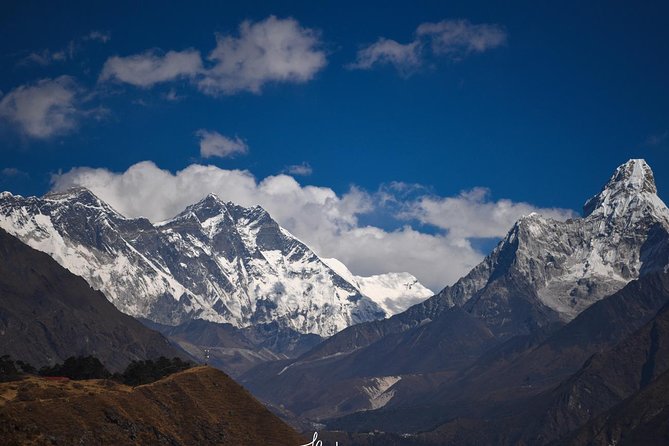
- Kala Patthar viewpoint: early push to 5,555 m for standout Everest and surrounding-peak views
- Acclimatization built in: Dingboche includes a dedicated high-altitude hike day
- Teahouse comfort with full meal coverage: breakfast, lunch, and dinner during the trekking days
- Porter support (2 trekkers : 1 porter): you keep the focus on walking, not carrying heavy loads
- Permits and paperwork handled: National Park Permit and TIMS included
- Kathmandu sightseeing by private vehicle: temples in the valley before you fly to Lukla
From Kathmandu temples to the Khumbu test: what this trip really is
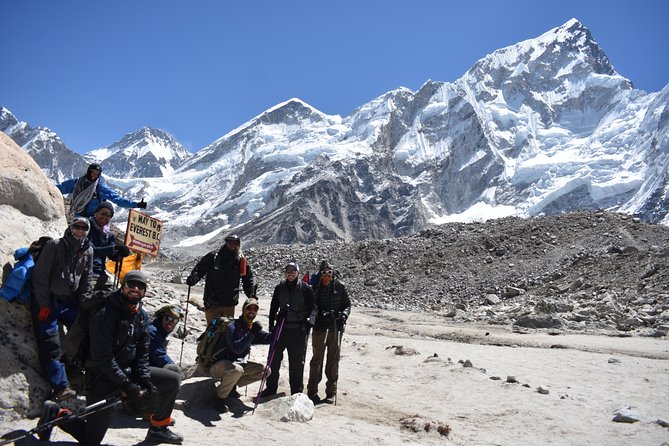
This trek is famous for a reason. You’re following one of the world’s best-known routes into the Everest region, where every day brings new ridgelines, a higher notch in the sky, and that familiar feeling of getting steadily farther from phones, traffic, and noise.
What makes this specific plan worth your attention is the structure. You’re not dropped into an amateurish scramble. You get hotel time in Kathmandu, guided coordination, teahouse lodging, and a schedule that leaves room for your body to adjust. That doesn’t make it easy. It just makes it more doable, which matters at altitude.
Also, it’s a private tour/activity, meaning your group is the only one taking part. That usually translates into fewer awkward bottlenecks and more flexible day-hike timing with your guide, especially when you’re dealing with crowds in Namche Bazaar or quiet moments near monasteries.
You can also read our reviews of more tours and experiences in Kathmandu.



Day 1 in Kathmandu: your launchpad in Thamel
Your first day is transfer-focused. A representative from himalayan sanctuary adventure private limited meets you after you clear arrival formalities, then you’re driven to your hotel in Thamel, with breakfast included the next morning.
Why I like this start: it gets you settled near where most travelers naturally find supplies, chargers, trekking odds and ends, and simple meals. After a long flight, this kind of “rest, don’t wrestle logistics” approach helps you show up ready for the next day.
Practical note: you’re arriving around 1,400 m, so don’t treat altitude like it’s nothing. It’s not the same as Kala Patthar, but it’s enough to make hydration matter from day one.
Kathmandu Valley sightseeing: the temples that set the tone (Days 2)
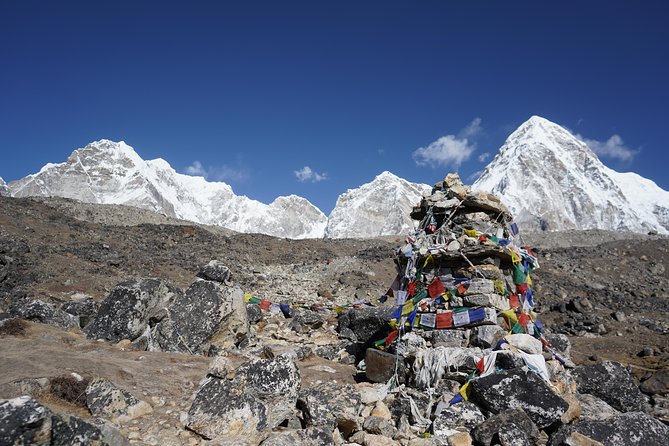
Day 2 is your culture warm-up: you’ll tour classic Kathmandu Valley stops by private vehicle. The plan includes Boudhanath Stupa, Pashupatinath Temple, Patan Durbar Square, and Swayambhunath Stupa (Monkey Temple).
Here’s the value in this, beyond box-ticking:
- Boudhanath is huge and visually calming—perfect for absorbing a spiritual rhythm before your body starts working harder than your brain.
- Pashupatinath is intensely sacred and very active. Even if you don’t know all the traditions, you can feel the seriousness of place.
- Patan Durbar Square and Swayambhu add artistic and historic texture, so Kathmandu doesn’t feel like only a travel waiting room before the mountains.
Small caution: the tour includes sightseeing transport, but entrance fees aren’t listed as included. So budget for site entry if you want to go inside everything you see.
Fly to Lukla, then start walking: the first altitude gut-check (Day 3)
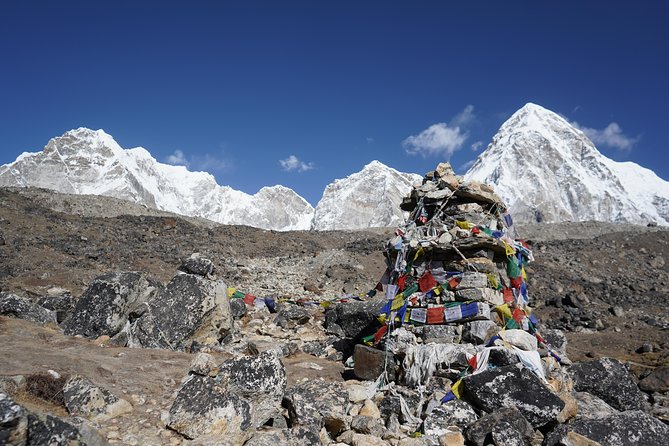
On day 3, you fly to Lukla (about 2,804 m) and trek to Phakding (about 2,610 m). It’s listed as roughly 3 hours.
This is where the trek stops feeling like a vacation plan and starts feeling like an expedition schedule. The air is thinner. The hills feel steeper than your map suggests. Your first-day goal isn’t heroics—it’s rhythm: steady steps, calm breathing, and lots of water.
The plan also includes a scenic route via Cheplung village, with a view of Mt. Khumbila, described as sacred and unsummited. You’re not chasing a summit today. You’re learning what altitude feels like when your legs are still fresh.
Phakding to Namche Bazaar: river crossings and the gateway town (Day 4)
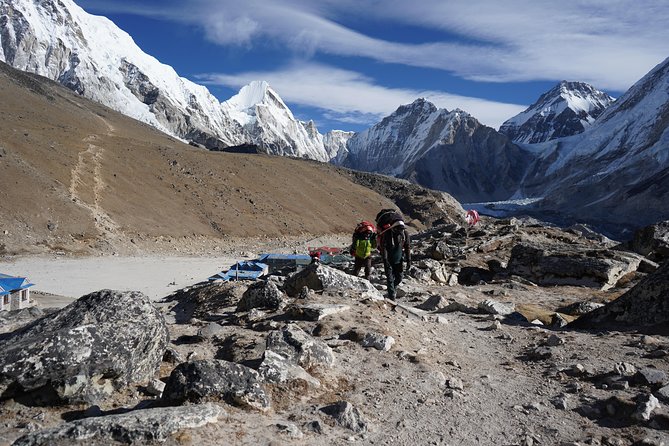
Day 4 is your move toward the main Everest region hub. You trek to Namche Bazaar (about 3,441 m) in around 5 hours.
You cross the Dudh Koshi River, pass villages like Chumoa and Monjo, and walk through the Everest National Park entrance area. The plan also emphasizes suspension bridges and following river corridors as you ascend.
Why Namche is a big deal: it’s not just a town. It’s a change in tempo. You’ll find bakeries, shops, and more travelers (and more choices for where to eat and rest). It also becomes your acclimatization staging point for the rest of the Khumbu days.
Consideration: you’re gaining altitude fast enough to feel it, even though the trail is generally graded. Take breaks even if you feel fine. This is one of those times where “feeling fine” is not proof you’re acclimatized.




Namche acclimatization + sunrise views: a smarter day off (Day 5)
Day 5 keeps you in Namche Bazaar for acclimatization. You explore town and take in a sunrise viewpoint with views of peaks including Mt. Everest, Lhotse, Nuptse, Ama Dablam, Thamserku, and Kongde (and more).
This is a key day because it turns altitude adjustment into something you’ll remember. You’re not just resting; you’re doing a gentle hike and training your body to function at higher elevation.
If you want a bit more, the plan mentions an option to hike to Khumjung village. That’s the kind of optional activity that can help you feel in control without overdoing it.
Tengboche monastery: big views plus a fixed daily schedule (Day 6)
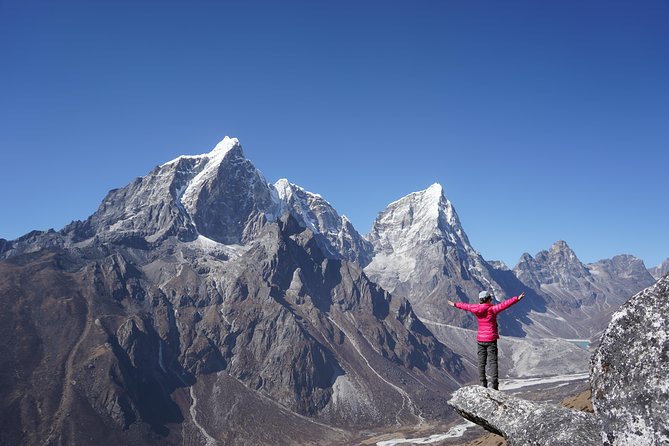
On day 6, you trek to Tengboche (about 3,860 m), around 5 hours. It includes an ascent after an easier segment.
The highlight here is Tengboche Monastery, described as the biggest monastery in the Everest region and located within Sagarmatha National Park (a UNESCO World Heritage Site). You get panoramic views of Everest, Nuptse, Lhotse, Ama Dablam, and Thamserku from this area.
Timing matters. The monastery opens at 3:00 pm, and the plan notes that if you arrive by about 3:00, you can observe a Buddhist religious ceremony. Even if you don’t catch the ceremony, the viewpoint itself is the reason most people love this day.
A small practical note: the day’s effort can feel moderate, but the cold can jump quickly in higher villages, so pack layers that work for standing still and watching the mountains change color.
Dingboche and a second acclimatization cushion (Days 7–8)
Day 7 moves you toward Dingboche (about 4,350 m). You trek through Debuche and cross the Imja River to Pangboche, including time around Pangboche Monastery, then continue along the Imja Valley area to Dingboche.
Day 8 is your dedicated acclimatization hike day, and it’s one of the most important parts of the whole program. The plan suggests hiking up toward Nangkartshang Peak (about 5,083 m), roughly 3–4 hours.
I like this approach because it’s not “rest day, do nothing.” It’s structured altitude practice: go up high enough to stimulate acclimatization, then sleep lower/return to the base of your lodging area for recovery.
This is also where you’ll notice how much altitude affects sleep, appetite, and how “hard breathing” starts feeling normal. That’s a sign your plan is doing what it’s supposed to do.
Lobuche: turning toward Base Camp country (Day 9)
Day 9 brings you to Lobuche (around 4,910 m) in about 4–5 hours, but the plan describes a longer trek day section overall: roughly 7 hours (about 9 km) along the main trail heading toward Everest Base Camp, via Dughla pass.
This day matters because you’re transitioning from “villages and tea house life” into more of the stark, high-mountain feel. The air keeps thinning. The distances may still look reasonable on paper, but your perceived effort goes up.
If you want a mental trick: aim for consistent step rhythm and focus on the next landmark, not the entire day.
Everest Base Camp and Gorakshep: the long day payoff (Day 10)
Day 10 is the heavyweight. You trek to Gorakshep (about 5,180 m) and then go to Everest Base Camp (about 5,365 m).
The plan says nearly 12 hours and mentions about 17 km total walking, with check-in at the lodge in Gorakshep first. Then you eat lunch and walk up to Base Camp for the views of Nuptse, Khumbuste, and Pumori before returning to Gorakshep for the night.
Why this day is worth respecting: Base Camp itself sits at a height where the air doesn’t just challenge fitness—it changes how your body behaves. You’ll still be able to enjoy it, but you may need slower movement, more breaks, and patience with how quickly you feel winded.
What I’d do in your shoes: treat the Base Camp walk as a “slow sightseeing mission,” not a race. Take a moment to just look around. This is one of those places where the sheer scale hits you in a way that photos can’t fully translate.
Kala Patthar sunrise views: the highest emotional return (Day 11)
Day 11 is your push for Kala Patthar (5,555 m). You start early, spend about 3 hours reaching the viewpoint, and then descend to Pheriche (about 4,200 m).
The plan frames Kala Patthar as the top viewpoint of the trek, with views of Everest plus peaks like Lingtren, Khumbutse, and Changtse.
This is the “I’m really glad I booked this” day. Sunrise from Kala Patthar is often the moment that makes the earlier climbs feel worth it. Even when weather is a little stubborn, the ridgelines and the changing light can still surprise you.
Consideration: it’s tiring. Even with acclimatization, this is high altitude exertion. If you have to move slowly, do it. Your job is to get there and come back safely.
Downhill to Namche: letting your legs recover (Day 12)
Day 12 is a descent day that takes you from the high area down through Pangboche and Tengboche back to Namche Bazaar. It’s around 7 hours.
I like descent days because your body usually feels less air-pressure. But don’t underestimate foot fatigue. Descending can still be hard on knees and ankles, especially after high-altitude days.
This is also a good time to enjoy Namche in a more relaxed way, because you’re not just passing through—you’re returning to a place that now feels like home base.
Back to Lukla: a real sense of completion (Day 13)
Day 13 returns you to Lukla (about 2,804 m). The plan estimates about 5–6 hours.
It’s described as your last trekking day, with time to reflect as a group, then a free afternoon for wandering, relaxing, and a hot shower. In the evening, there’s space for celebratory drinks and dancing with your trekking mates.
No need to force the party vibe, but I think it’s a smart way to mark the end. You’ve done something hard and it deserves a moment of recognition.
Lukla to Kathmandu plus a cultural dinner (Days 14–15)
Day 14 is the flight back to Kathmandu and a cultural dinner in the evening. You’ll stay in Kathmandu overnight.
Day 15 is transfer to the international airport a couple of hours before departure.
One very practical note the plan emphasizes: flights between Kathmandu and Lukla can be delayed or canceled due to bad weather, so they recommend having 2 to 3 extra days at the end of your trip. I agree with that advice. The mountains don’t negotiate, and your schedule should be flexible enough to handle it.
Price and logistics: is $1,625 good value here?
At $1,625 per person for a ~15-day trek, you’re paying for more than walking trails. Your money goes toward the parts that can make or break a high-altitude trip:
Included items that matter
- Airport pickup and drop in Kathmandu
- 3-star hotel in Kathmandu with breakfast
- Teahouse accommodation on the trek, plus breakfast, lunch, and dinner during trekking days
- Domestic flights: Kathmandu–Lukla–Kathmandu
- Private Kathmandu Valley sightseeing by vehicle
- English-speaking, government-licensed trekking guide
- Porter service (2 trekkers: 1 porter)
- Permits and paperwork (National Park Permit and TIMS)
- Staff costs, taxes, and a farewell dinner
What’s not included (the budget stuff people forget)
- Nepalese visa fee
- Tips for guide(s) and porter(s)
- Alcohol, phone calls, laundry, battery recharge, shower costs, extra porters, and other personal expenses
- Travel and rescue insurance (not included)
- Souvenir photos and some sightseeing entrance fees may cost extra
My take: the value is strongest if you want an organized, guided flow with permits handled, meals included, and porter support. If you already have your own guide, your own permit plan, and you’re comfortable managing teahouse logistics independently, you might shop around and find cheaper options. But for most people, this package makes the planning work disappear, which is often worth the extra cost.
Also, you’re getting a mobile ticket, which typically reduces paper hassle during the flight parts.
Who should do this trek (and who should rethink it)
This trek asks for moderate physical fitness. That doesn’t mean you need to be a mountaineer, but you should be ready for sustained walking days, early starts, and high-altitude cold.
It’s a strong fit if:
- You want a guided experience on a world-famous route
- You like having a clear plan for acclimatization
- You prefer teahouse trekking with meals included
- You want porter support so your pack stays manageable
You might rethink it if:
- You’re not comfortable with flight uncertainty (Lukla is weather-dependent)
- You’re unable to handle long days (some are described as very long walking times)
- You’re worried about altitude exertion at high points like Kala Patthar
Should you book this Everest Base Camp trek?
If you want a guided Everest Base Camp trek with permits handled, meals covered, and porter support, I’d say yes—especially if you can work with the flight realities by adding a couple extra days in Kathmandu. The biggest strength here is the way the itinerary tries to keep you moving steadily while still giving you acclimatization time, so you’re more likely to enjoy the views instead of just surviving the days.
Book it if you’re excited by big mountain moments like Kala Patthar and you want your logistics simplified. Think twice (or plan more cushion days) if your schedule is tight or if you hate the idea that weather may affect the Lukla flight.
FAQ
How long is the Everest Base Camp trek?
The trek is listed as about 15 days.
What is the price per person?
The price is $1,625.00 per person.
What’s included in the trip cost?
Included items list airport pickup and drop in Kathmandu, hotel with breakfast, teahouse accommodation during the trek with breakfast/lunch/dinner, domestic flights (Kathmandu–Lukla–Kathmandu), Kathmandu Valley sightseeing by private vehicle, an English-speaking government-licensed trekking guide, porter service (2 trekkers: 1 porter), permits (National Park Permit and TIMS), taxes, and a farewell dinner.
Are domestic flights included?
Yes. Domestic flights are included for Kathmandu–Lukla–Kathmandu.
Do you provide porter support?
Yes. Porter service is listed as 2 trekkers to 1 porter.
What altitude highlights are part of the itinerary?
Everest Base Camp is listed around 5,365 m, and Kala Patthar is listed around 5,555 m. Dingboche includes an acclimatization hike to around 5,083 m.
Is there an acclimatization day in the trek?
Yes. Dingboche has a dedicated acclimatization hike day.
What about Kathmandu sightseeing—are entrances included?
Sightseeing transport is included, but entrance fees for sightseeing are listed as not included.
Is the Nepal visa fee included?
No. The Nepalese visa fee is listed as not included.
Is travel insurance included?
No. Travel and rescue insurance is listed as not included.