REVIEW · POKHARA
Mardi Himal Trek Fixed Departure (March 1,7; Nov 3,10,17 2023)
Book on Viator →Operated by Trekking Guide in Pokhara · Bookable on Viator
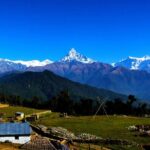
The trek to Mardi Himal climbs fast enough to feel real, yet it stays friendly for a 5-day plan. What makes this fixed-departure trip interesting is the changing scenery: forest paths, valley stretches, and then ridge views, with an Annapurna panorama from villages along the route. I especially like the included guide support and the treat-yourself warmth at the end of each walking day—hot meals, and a fire waiting when you roll in tired.
One thing to keep in mind: this version does not include porters. That means you carry your essentials yourself, and you’ll also be sleeping in shared rooms most nights since private space is not always available.
If you’re coming from Pokhara and want the classic Annapurna-area feeling without committing to a weeks-long trek, this is a solid match—especially if you want someone to handle permits and keep your day organized.
In This Review
- Key Points Before You Lace Up
- Mardi Himal’s Appeal: Views Without the Long Haul
- The 5-Day Rhythm and Why Day 4 Matters
- Starting in Pokhara: Transfers, Phedi, and the Meeting Point
- Day 1: Phedi → Dhampus → Pitam Deurali (First Views, First Energy Test)
- Day 2: Low Camp at 2,970m (Forest to Camp Life)
- Day 3: High Camp at 3,550m (Short Walk, Different Atmosphere)
- Day 4: Base Camp to Low Camp (The 4,210m Morning Push)
- Day 5: Descent to Sidhing and Lumre, Then Back to Pokhara
- Food, Lodges, and the Real Comfort Level at Altitude
- Roshan Thapa and What a Good Guide Actually Does for You
- Permits, Porters, and the Value Math of the $13 Price
- Weather, Altitude, and the Smart Way to Book
- Should You Book This Mardi Himal Fixed Departure?
- FAQ
- How high does the Mardi Himal trek go on this trip?
- What’s included in the cost?
- Do I need a porter?
- Who handles permits and trekking documents?
- Is pickup or transfer included from Pokhara?
- What are the fixed departure dates?
- What fitness level do I need?
- What if the weather is bad?
Key Points Before You Lace Up
- Fixed departure dates: March 1 & 7, plus Nov 3, 10, 17 (2023)
- High point around 4,200m: Base Camp is marked about 4,210m on current measurements
- Guide included, porters optional: you can hire a porter for $20/day if you want less load
- Meals on the trek included: warm, filling food after long hiking days
- Permits handled for you: trek documents taken care of, with fees paid separately (5,000 NPR/person)
- Max group size 24: you get structure without feeling swallowed by a huge crowd
Mardi Himal’s Appeal: Views Without the Long Haul
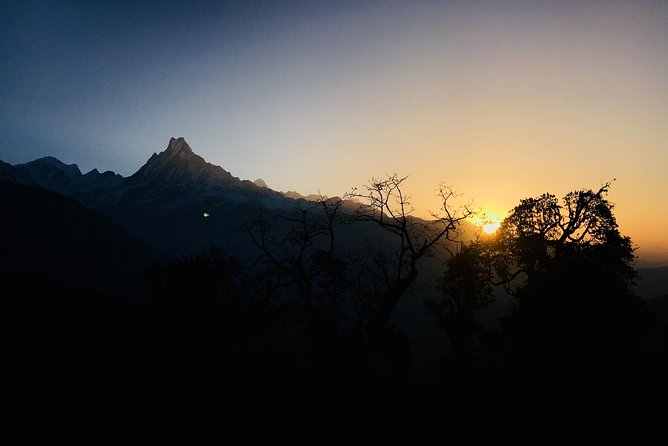
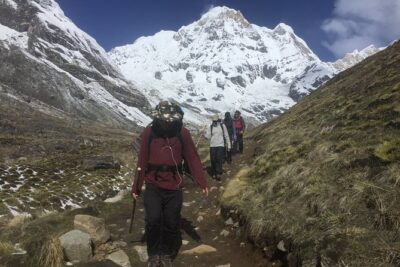
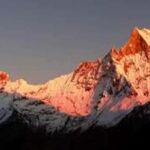
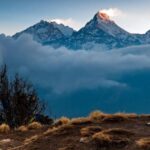
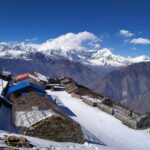
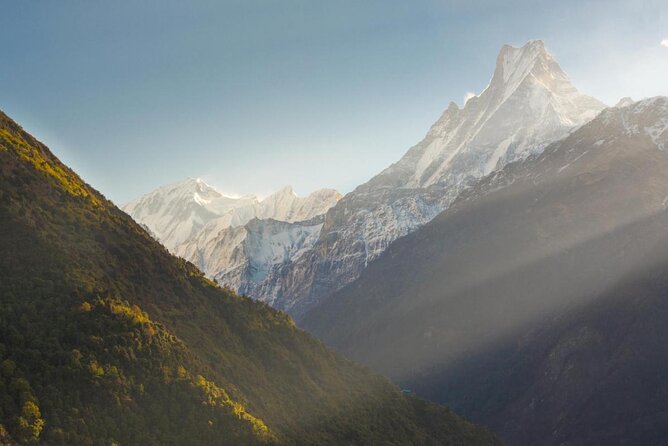
Mardi Himal sits in the Annapurna orbit, and it earns its good reputation with variety. One day you’re moving through tree cover. Another day you’re walking above the valley mood, with ridgeline air and far-off peaks calling out. Even the village portions give you something: you can see big Annapurna views from settlements along the way, not just from the highest camp.
The elevation profile is also a big part of the appeal. You’ll crest a maximum around 4,200m, with a key resting milestone at High Camp (about 3,550m). That’s high enough to feel the altitude, but it’s not the same multi-week pressure cooker as some longer routes.
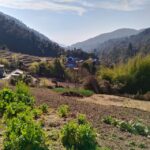
And if you like cultural texture as much as big views, the trip includes Dhampus, a naturally beautiful village with Gurung and Brahmin communities. You’ll see traditional homes, farm terraces, and everyday agricultural life while also looking across the Pokhara valley.
You can also read our reviews of more tours and experiences in Pokhara.
The 5-Day Rhythm and Why Day 4 Matters
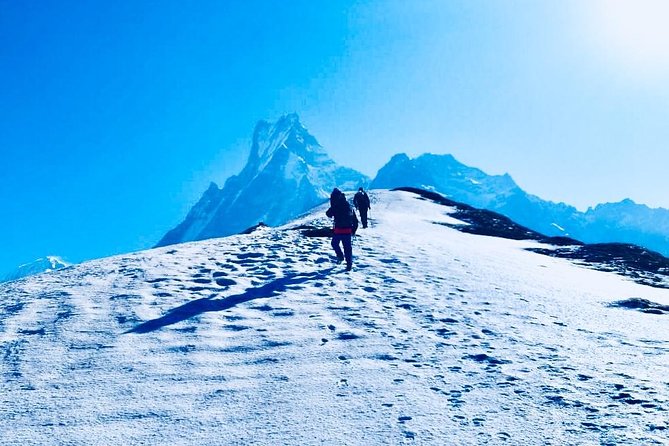
This is listed as about 5 days, and the walking days are realistic rather than cruel. Still, the schedule has a couple of “plan your body” moments.
- Day 1 is paced around a roughly 5-hour trek after getting to Phedi, plus meals and overnight at Pitam Deurali (2,140m).
- Day 2 is longer: around 7 hours trekking to Low Camp (2,970m).
- Day 3 is shorter in walking time (about 3 hours) but you’re going up to High Camp (3,550m), where it gets quieter and more basic.
- Day 4 is the heavy hitter: you’ll start very early for Mardi Himal Base Camp (around 4,210m), then turn around and come back down.
That early morning start is not subtle. Tea/coffee at about 4:30am, then packed breakfast, then a hike to Base Camp (around 4 hours). You’re not just climbing—you’re doing a round-trip day with breaks and then dropping back to Low Camp for dinner and sleep.
If you take the altitude seriously—go slow, drink water, and don’t sprint uphill—this pace usually feels challenging in a good way. If you ignore your body and treat it like a cardio workout, the day you’ll regret is Day 4.
Starting in Pokhara: Transfers, Phedi, and the Meeting Point
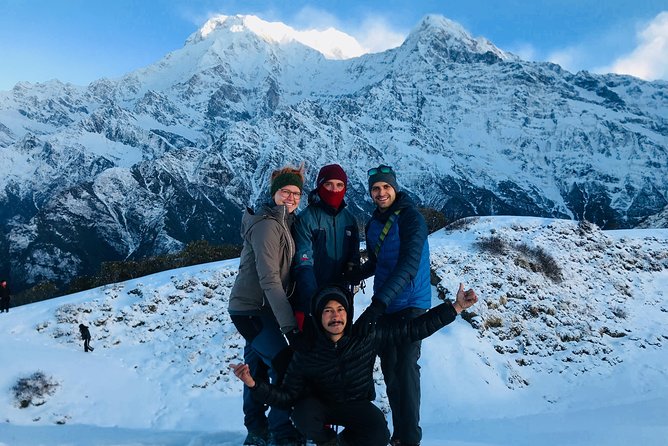
The trip runs from Pokhara, with a start and finish back at the same area. Your meeting point is Hallan Chowk (Pokhara), and you’re close to public transport, which helps if you’re timing a local bus or taxi after you fly in.
Getting going includes a drive from Pokhara to Phedi—about 50 minutes after breakfast on Day 1. Then you begin the hike from Phedi (about 1,175m) and work your way toward Dhampus and Pitam Deurali.
One practical note: the details say transfers from Pokhara are included, but it also lists that the transportation charge for the trek (Pokhara–Phedi–Pokhara) is not included even though vehicles will be arranged. So do yourself a favor and confirm what you’ll pay for the vehicle part before you commit. You don’t want a surprise in the parking lot when you’re already carrying your day bag.
Day 1: Phedi → Dhampus → Pitam Deurali (First Views, First Energy Test)
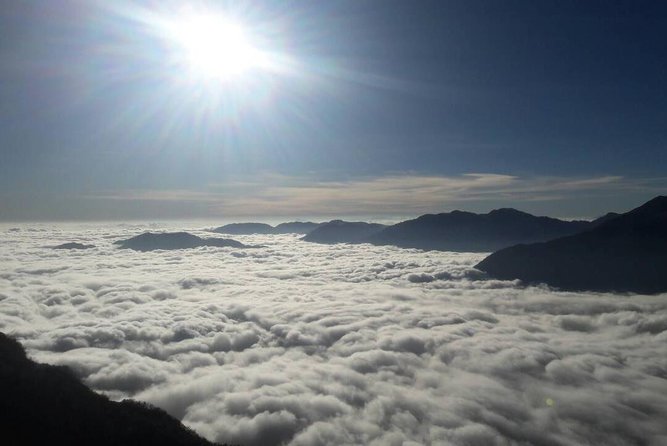
Day 1 begins with the drive to Phedi, then the trek starts at Phedi (around 1,175m). The day’s walking is roughly 5 hours, and it includes a lunch stop in Pothana before you settle in at Pitam Deurali (about 2,140m) for dinner and overnight.
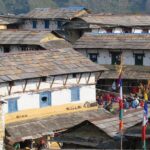
Dhampus is a highlight even if you’re not trying to make every stop a photo contest. You’ll pass through a village area inhabited by Gurung and Brahmin communities, where you can see traditional structured houses, farm terraces, and green forest patches. The views help too: you get a look over the Pokhara valley and out toward Annapurna Himalaya.
The value of Day 1 is that it’s a gentle introduction to two things you’ll feel later: steep steps and thinner air. You’re not yet at full altitude strain, but you’re learning the rhythm—short climbs, rest breaks, and moving steadily.
Day 2: Low Camp at 2,970m (Forest to Camp Life)
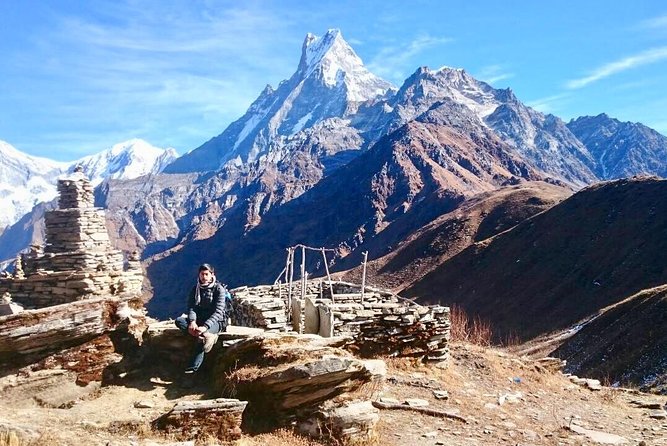
Breakfast happens at about 8:00am, then you hike to Low Camp (about 2,970m) for roughly 7 hours. Lunch is at Forest Camp, then you finish the day with dinner and overnight at Low Camp.
This is the “settle in” day. You’ll notice the walking gets more focused: fewer long flat sections, more consistent uphill effort. The scenery is still good, but the purpose of the day is getting you safely into a night where you can sleep, eat, and prepare for the next ascent.
In camp, expect basic trekking-lodge life and practical timing. Your day is centered on food and rest. You’ll be thankful for a guide who keeps the group together and gets you to the right place without drama.
Day 3: High Camp at 3,550m (Short Walk, Different Atmosphere)
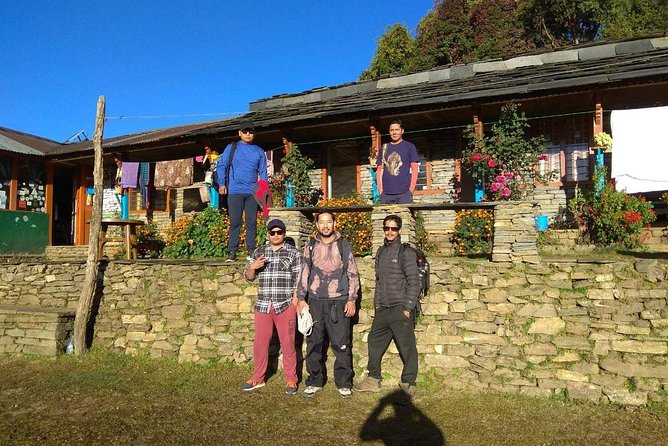
Day 3 breakfast starts at 8:00am. Then it’s a shorter trek to High Camp (about 3,550m)—around 3 hours. You’ll have lunch, dinner, and overnight at High Camp.
High Camp matters because it’s described as the final accommodation point on this route. There are only a few tea shops further along in the morning, but you won’t find proper lodging or full meals beyond it.
So this is a useful day if you like structure: less scrambling for options, more time to get your body ready for the Base Camp push on Day 4. It’s also a reminder that at higher elevations, “short walk” still means “listen to your breathing.”
Day 4: Base Camp to Low Camp (The 4,210m Morning Push)
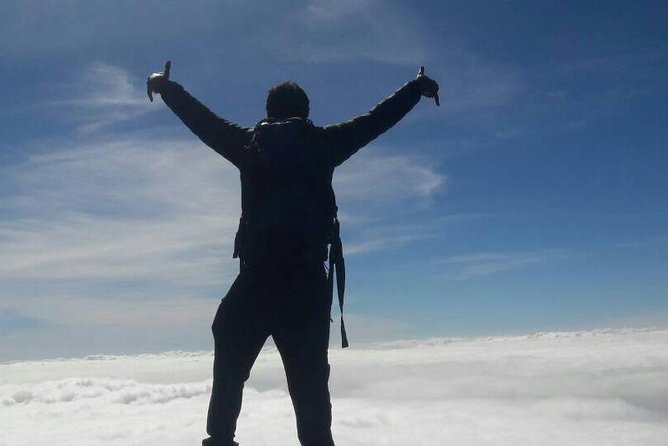
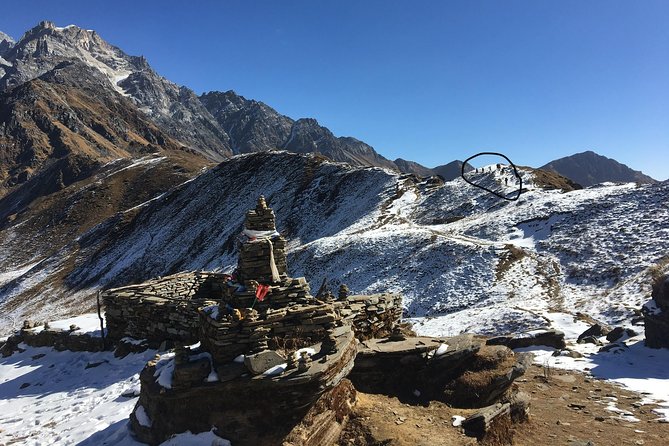
This is the day you plan around. The schedule calls for tea/coffee at about 4:30am, then a packed breakfast. After that, you hike to Mardi Himal Base Camp at roughly 4,210m (about 4 hours, with breakfast and tea breaks included).
A tricky detail worth knowing: Base Camp is sometimes shown at around 4,500m in older info. Here, the current measurement is said to be closer to 4,210m, based on altitude devices. Either way, you should treat this as a true high-altitude day. You don’t need the exact number to know it will feel thinner and slower.
After Base Camp, you hike back to High Camp (about 2 hours), have lunch, then trek back down to Low Camp (around 2 hours 15 minutes). Dinner and overnight are at Low Camp.
That downhill at the end is where many people either feel relieved or make mistakes. It’s easy to go too fast when you finally feel stronger. Keep your steps controlled. Your knees will thank you later.
Day 5: Descent to Sidhing and Lumre, Then Back to Pokhara
Breakfast is again at about 8:00am. You trek down to Sidhing (around 1,900m) in about 3 hours, then have lunch in Sidhing. After that, you keep descending to Lumre (about 1,190m) in roughly 2.5 hours, and then drive back to Pokhara (about 1 hour 45 minutes).
Day 5 is often a mood shift: your lungs may feel better, but your legs work harder. Watch your footing on the descent. This final day is also your proof-of-concept: if you pace well through the first 3 days, Day 5 feels like progress instead of payback.
Food, Lodges, and the Real Comfort Level at Altitude
The practical setup here is part of the appeal. Meals are included on the trek, and you can expect a warm, hearty dinner after a full trekking day. That matters more than people think, especially when you’re walking for hours and your appetite changes.
Accommodation is on a sharing basis, which is common on popular trekking routes. Private rooms are not always possible, so if you need privacy to sleep well, treat this as a real consideration. The good news is that the schedule keeps you from bouncing between too many different places—so once you settle into Low Camp and High Camp, you’re working with a stable base.
One more fine-print reality check: the trip notes both that food on trek is included and that your foods are not included. In practice, that usually means your main meals are covered, but you might need to pay for extra snacks or personal items you choose to buy. Plan for that, especially for drinks, small treats, and anything you want between meals.
Roshan Thapa and What a Good Guide Actually Does for You
This experience is built around a licensed trekking guide and assistant guides based on group size. Porters aren’t included, but the guide role is doing a lot of heavy lifting: route organization, permit handling, and keeping your trekking days running on schedule.
The guide connected with this trek is Roshan Thapa (a Pokhara-based independent trekking guide). The way he’s described is not just about routes. People point to him as a clear, organized companion, someone who creates a sense of safety and also talks through what you’re seeing—flora, fauna, and local life. He also shows knowledge of the Annapurna conservation area, which is useful when you want your trek to feel informed, not random.
If you’re new to trekking or you just want to travel calmer, a guide like this changes the experience. You stop second-guessing timing, you spend more energy enjoying the day, and you don’t have to carry the paperwork load.
Permits, Porters, and the Value Math of the $13 Price
Let’s talk money, honestly. The listed price is $13 per person, which sounds almost too low to be real until you look at what’s included and what’s not.
What is included:
- Accommodation on a sharing basis
- Guide and assistant guide support
- Meals and accommodation for the guide and assistant guide
- Meals on the trek (as part of the trek plan)
What is not included:
- Porters (optional) at $20 extra per day
- Your insurance
- Trekking gears
- Your foods (again, expect add-ons/personal purchases)
- Trekking permits fees, handled by the provider but costing 5,000 NPR per person in Nepalese currency
- A note about the Pokhara–Phedi–Pokhara transport charge being not included, even though vehicles will be arranged (worth confirming upfront)
So the real value is: you’re paying for a guided, organized plan with food and basic lodging, while you still handle the “personal logistics” items like insurance, gear, and any porter choice. The permit step is handled for you, which saves time and stress.
If you want an easier trek and you don’t want to carry much, adding a porter can be the difference between finishing refreshed or finishing sore. If you’re physically ready to carry your own pack, you can keep costs lower.
Weather, Altitude, and the Smart Way to Book
Altitude is part of this trek’s identity: you’ll sleep at Low Camp (~2,970m), climb to High Camp (~3,550m), and reach Base Camp around ~4,210m. This is why moderate physical fitness matters. It’s not about being an athlete. It’s about being able to walk steadily and handle a full day on your feet.
Also, the experience is described as requiring good weather. If it gets canceled due to poor weather, you’ll be offered a different date or a full refund. That’s important for planning around the fixed departure window.
If you’re sensitive to altitude, consider arriving in Nepal early enough to adjust and avoid doing all your major altitude work right from the airport.
Should You Book This Mardi Himal Fixed Departure?
Book it if you want:
- A 5-day Annapurna-area trek based out of Pokhara
- A guide who handles permits and keeps things organized
- Trek meals and shared-lodge comfort that won’t force you to plan every stop
- A route that mixes village culture (Dhampus) with forest, valley views, and ridgeline effort
Think twice if:
- You strongly prefer private rooms (shared accommodation is the norm here)
- You don’t want to carry anything yourself (porters cost extra)
- You want every last cost included in the headline price (insurance, permits, optional porter, and some personal items are separate)
My take: this is a practical way to do Mardi Himal with structure and support. The biggest “success factors” are your willingness to pace yourself and your readiness to confirm the few cost details that could affect your total.
FAQ
How high does the Mardi Himal trek go on this trip?
The highest elevation is listed as about 4,200m. The itinerary notes High Camp at about 3,550m and Mardi Himal Base Camp shifted to about 4,210m in current measurements (some older data list 4,500m).
What’s included in the cost?
This option includes sharing-basis accommodation, a licensed trekking guide (with assistant guides based on group size), and meals and accommodation for the guide and assistant guide. Meals are included on the trek.
Do I need a porter?
Porters are not included. You can hire a porter for an extra $20 per day if you want help carrying your load.
Who handles permits and trekking documents?
The guide handles your permits and trekking documents for you. The permits fee is listed as 5,000 NPR per person, paid in Nepalese currency.
Is pickup or transfer included from Pokhara?
The trip includes transfer at the start and end with Pokhara. It also notes that vehicle arrangements will be made even though the transport charge is listed as not included, so it’s worth confirming what you will pay for the drive between Pokhara and Phedi.
What are the fixed departure dates?
The fixed departures listed are March 1 and 7, and November 3, 10, and 17 for 2023.
What fitness level do I need?
The guidance says you should have a moderate physical fitness level.
What if the weather is bad?
The experience requires good weather. If it’s canceled due to poor weather, you’ll be offered a different date or a full refund.