REVIEW · POKHARA
Ghorepani Poonhill Trek
Book on Viator →Operated by Asian Heritage Treks and Travels · Bookable on Viator
Sunrise at Poon Hill can change your morning. This short Annapurna-region trek gives you classic Himalayan sunrise and village-and-forest hiking at a pace that works for moderate fitness. The big reason to do it is the view payoff from Poon Hill and the warm, human rhythm of places like Ulleri, Ghorepani, and Ghandruk. One thing to plan for: expect plenty of stairs and a long early morning climb.
I like that the trip is structured but not overcomplicated: you start with an easy drive from Pokhara to Nayapul, hike through tea-and-rhododendron country, then finish with a ride back to Pokhara. You’ll also have a professional English-speaking local guide, and the feedback I saw repeatedly praises guide Rohit for knowing the sights and explaining temple spots as you pass through. If you’re hoping for hotel-style comfort or all meals included, this package won’t match that expectation.
In This Review
- Key highlights people actually care about
- Sunrise at Poon Hill: the view math that makes this trek worth it
- From Pokhara to Nayapul: easing into the Annapurna region
- Ulleri and Hile: terraced fields, old villages, and dinner time
- Ghorepani village: rhododendron country and mountain views on the way
- The early climb to Poon Hill: how to handle sunrise pressure
- Tadapani to Ghandruk: forest walking, waterfalls, and a Gurung village lunch
- Lodges, room-only stays, and managing comfort expectations
- Price and logistics: what $358.61 buys you in real terms
- Guides, group size, and the pace that keeps you comfortable
- What to pack for Poon Hill stairs and chilly mornings
- Should you book the Ghorepani Poonhill Trek?
- FAQ
- How long is the Ghorepani Poonhill Trek?
- Where does the trek start and how do you get there from Pokhara?
- What’s included in the tour price?
- Are meals and drinks included?
- Do I need to arrange a Nepal visa?
- Is tipping required?
- What fitness level do I need?
- Is there a guide, and will they speak English?
- Can I cancel for a full refund?
Key highlights people actually care about
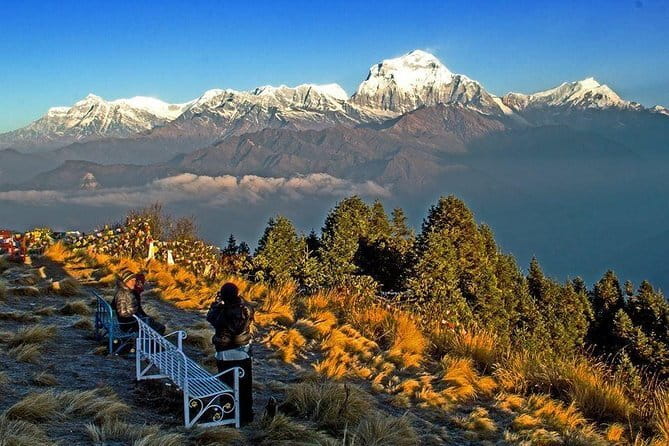
- Sunrise at Poon Hill (3210m) with panoramic views of Annapurna and Dhaulagiri
- Rhododendron forest trekking on the routes between Ghorepani and the surrounding ridgelines
- Village walking that feels local, through places like Ghorepani and Ghandruk (Gurung community)
- A real guide experience, with English-speaking local guidance and strong feedback about Rohit’s explanations
- Room-only lodge stays (basic comfort, simple meals available on your own)
Sunrise at Poon Hill: the view math that makes this trek worth it
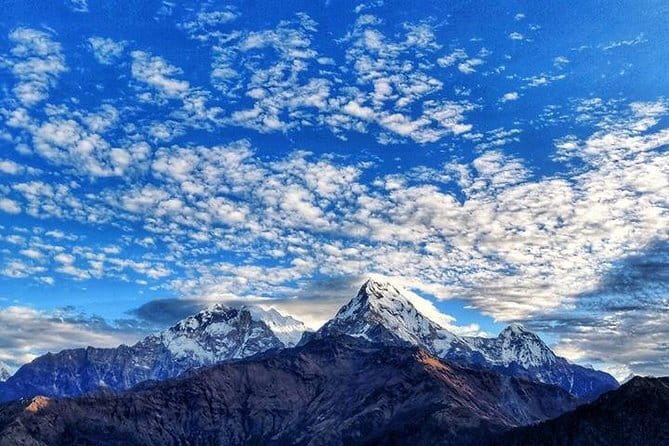
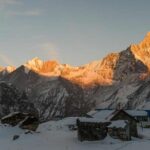
If you’re considering a short trek in Nepal, Poon Hill is one of the clearest deals: you’re not chasing a summit, but you are chasing light—that first glow across the Annapurna and Dhaulagiri massifs. The itinerary starts the Poon Hill day early so you can catch sunrise, and that timing matters more than many people realize. The climb is brief compared to bigger treks, but the start time is the whole point.
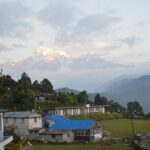
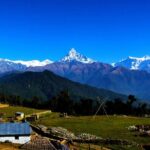
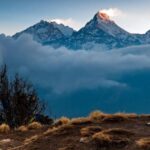
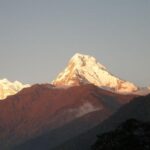
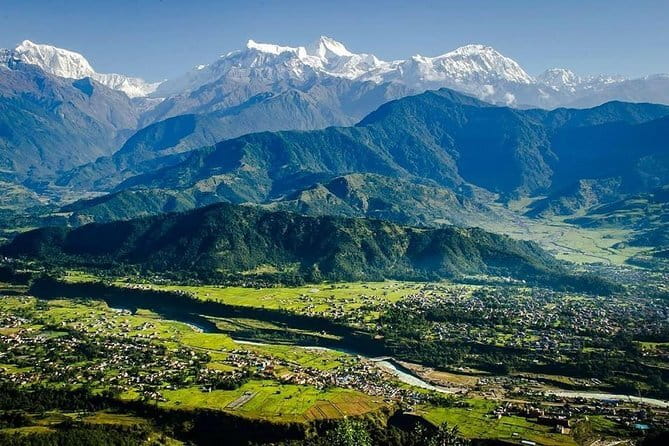
From Poon Hill, you’re aiming at a wide panorama. The route includes viewpoints where you’ll also see famous peaks along the way—like Machhapuchhre (the “Fishtail”), Himchuli, and Annapurna South while you move toward Ghorepani. That’s a nice bonus because even if clouds mess with sunrise, you’re still hiking through scenery that feels “this is why people come.”
The trek also has a strong balance of energy. You’re not doing one endless push every day. Days are broken into village sections, lodge time, and a forest-heavy stretch that feels slower and more atmospheric.
You can also read our reviews of more tours and experiences in Pokhara.
From Pokhara to Nayapul: easing into the Annapurna region
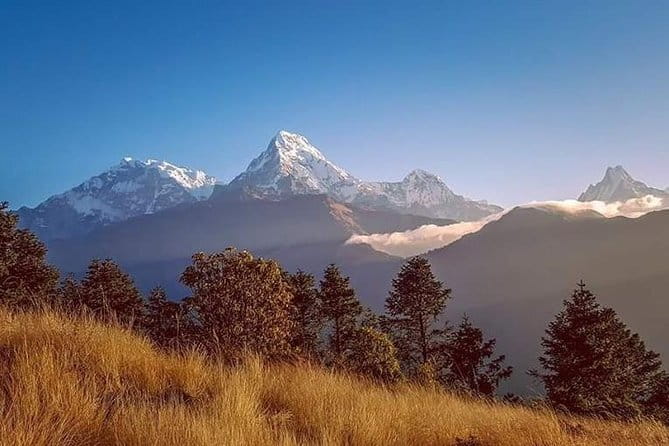
You begin in Pokhara, then drive to Nayapul, which becomes your trailhead. This is a smart setup for a short trek. Instead of losing half a day just getting to the first footpath, you use the drive to get oriented to the Annapurna region quickly and start walking the same day.
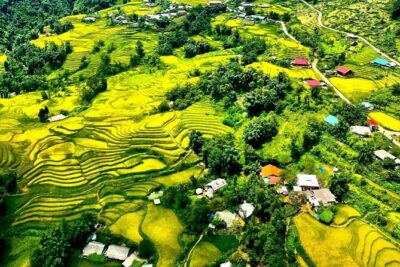
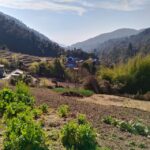
On Day 1 you hike toward Ulleri via intermediate stops like Hile and Thikhedhunga. This matters because Ulleri is not just “a place to sleep.” It’s where you settle into the rhythm of terrace farming and village life. The description of the walk includes green hills, terraced paddy fields, and wind in your face—exactly the kind of early trekking feeling that makes you loosen up instead of stiffening.
Practical tip: your first day is your warm-up. Even if your legs feel good, don’t go too fast. You’ll be doing stairs later, and it’s easier to save your energy than to recover from impatience.
Ulleri and Hile: terraced fields, old villages, and dinner time
Day 1 gets you into a genuine village corridor. Ulleri is known here for the old villages you pass through and the steady uphill that introduces you to the stair-heavy Annapurna trekking style.
You’ll stop for lunch at Hile before continuing toward Ulleri. That’s useful because it breaks the day into two manageable chunks and gives you a buffer if you need a bathroom stop or just want to let your body catch up.
Once you reach Ulleri, you check in to a lodge and have time for dinner. The trek package notes a traditional Nepalese mountain dinner during your first lodge night, and that’s one of the advantages of staying at village lodges: you can eat what’s available locally and keep the evening simple. It’s not about fine dining; it’s about warmth and routine after a day of walking.
Possible drawback: if you’re sensitive to early fatigue, the first day’s uphill can feel more than “mild” because Nepal trails often climb in bursts.
Ghorepani village: rhododendron country and mountain views on the way
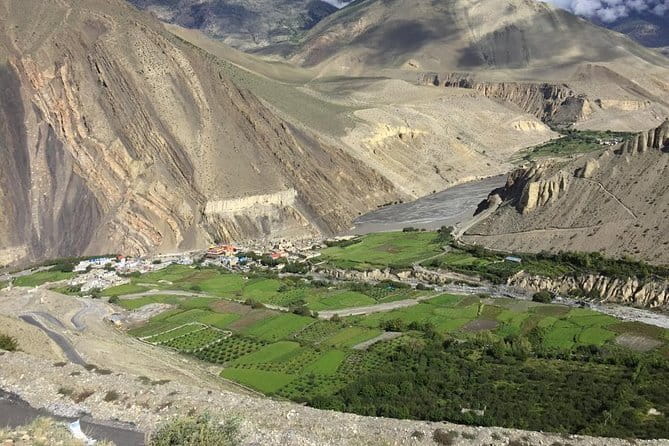
After breakfast in Ulleri, you set out to Ghorepani. This is a key day because it’s not just travel—it’s your “scenery day,” with the possibility of views of several major peaks. Along the way, you can look toward Machhapuchhre, Himchuli, and Annapurna South as you move through the mountain paths.
The highlight here is the rhododendron forest area. The trek description specifically mentions a rhododendron forest described as the world’s biggest, and that’s the kind of detail that hints at how alive the trail can feel. Depending on season, rhododendron routes can look dramatically different, but either way, the forest walking tends to soften the climb and make you slow down to take in the plants and light.
You arrive at Ghorepani in the afternoon and check in at your lodge. Then you get time to explore the village, talk with locals and other trekkers, and enjoy Himalayan views from around town. That chunk of downtime is one of the best parts of short treks: you’re not just “moving through.” You’re allowed to be in a place.
In feedback from the kind of travelers who do this trek more than once, the lodge area is often where guide knowledge helps most—because it’s easier to ask questions when you’re not racing to the next checkpoint.
The early climb to Poon Hill: how to handle sunrise pressure
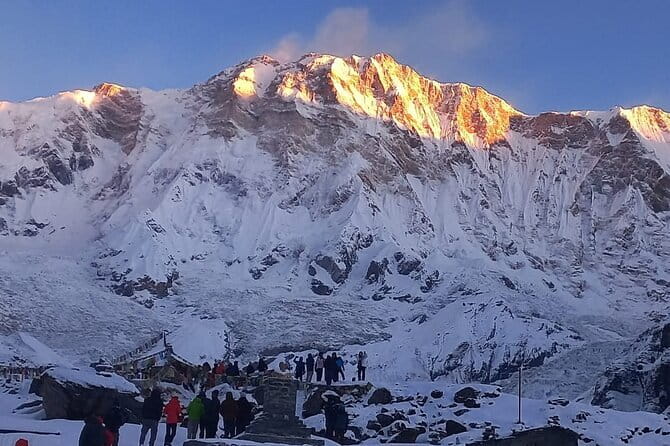
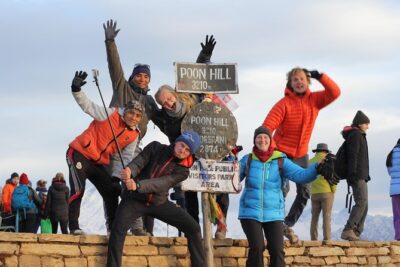
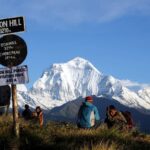
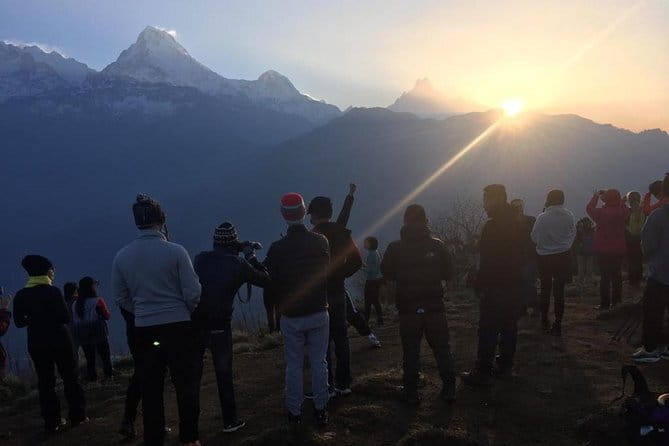
Day 3 is where you trade sleep for spectacle. You start early to reach Poon Hill (3210m) and watch the first light on the mountains.
The trek is short enough to do without being a hardcore mountaineer, but early starts still test you. If you tend to run cold, plan for it. Morning in the hills can bite, and you’ll be standing still for sunrise, not trekking fast.
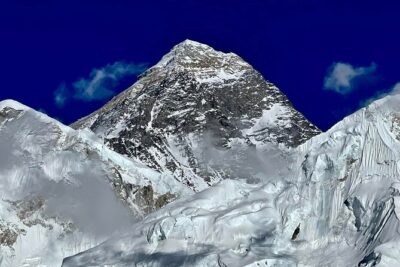
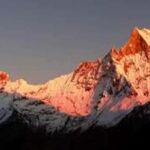
From Poon Hill, you get panoramic views that include Annapurna and Dhaulagiri. This is the “classic Nepal photo” moment, but the real value is the 360-degree feel—mountain massifs layered against the sky. You’ll also feel the emotional shift that comes with seeing high peaks turn from shadow to color.
After sunrise and breakfast, you continue onward toward Tadapani (2610m). This is an important transition. Instead of spending the whole day at viewpoints, you’re now moving through dense forests with rhododendrons, bamboo, and oak. The description also calls out chances to observe waterfalls, rocks, wildlife, birds, and lush green valleys.
Tip for your legs: the morning climb gets your body warmed up for Day 3’s main walking. Pace the sunrise “stand-still” time so you don’t end up sore from cold posture.
Tadapani to Ghandruk: forest walking, waterfalls, and a Gurung village lunch
After reaching Ghorepani and then doing the Poon Hill morning, you head to Tadapani and later continue toward Ghandruk.
By Day 4, the trek is described as longer than the previous days, with continuous walking for about 3 to 4 hours. You pass through jungles, villages, and streams. This is the part many people underestimate when planning only “a short trek.” Even without huge elevation gains, continuous hiking can add up.
Then you reach Ghandruk, described as a Gurung village. You have lunch there and rest, and then you continue downhill-walking toward Nayapul. Once you hit Nayapul, the package includes private vehicle transport back to Pokhara.
Why this segment matters: Ghandruk provides a cultural contrast to the forest walking. Village stops give you a chance to see how people live with the mountains as neighbors. It also makes the route feel more like a journey and less like a long stair corridor.
A practical note: the overall experience includes a lot of stairs (and feedback I saw specifically flagged that). Bring trekking shoes with good grip, and don’t hesitate to use your whole foot on steps rather than just toeing the edge.
Lodges, room-only stays, and managing comfort expectations
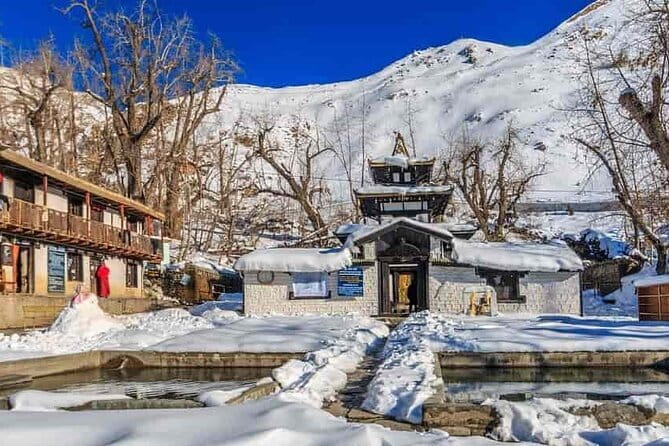
This trek includes 3 nights accommodation in basic local lodges on a room-only basis. That means you get a bed and a roof; meals are not included.
So what should you expect? Basic lodge rooms on trekking routes generally mean simple construction, shared hot-water or limited hot water depending on the property, and a communal dining space where everyone recharges. The tradeoff is you’re paying for access and convenience—plus permits and guiding—rather than full-board resort comfort.
What you can do to make this easier:
- Pack a warm layer for early mornings and evenings in the hills.
- Plan to buy meals as you go (the listing says food and drinks are not included).
- Expect quieter evenings once the hiking crowd settles in.
If you like straightforward, no-fuss travel, room-only lodge stays can feel more authentic than package “all-inclusives.”
Price and logistics: what $358.61 buys you in real terms
At $358.61 per person for an approximately 4-day trek, the value comes from what’s wrapped into the price, not just the hiking.
Your included items are meaningful for Nepal trekking:
- Permits: ACAP, TIMS, national park fees, and other trekking permits
- A professional English-speaking local trekking guide
- All land transportation by private vehicle as described
- Basic lodge accommodation for 3 nights (room-only)
Notably, it also indicates pickup offered and group discounts, plus a mobile ticket. Those details don’t sound dramatic, but they reduce admin stress when you’re trying to focus on packing and walking.
Where the price does not cover: food, drinks, Nepal visa fee, tipping (not mandatory but customary), travel insurance, and any emergency rescue. That’s normal for trekking packages, but you should budget for it so the trip doesn’t get more expensive at the last moment.
My take on value: if you’re new to trekking in Nepal, the combination of permits handled + guide + transport is where your money goes. If you already know the paperwork and routes and can guide yourself, you could build a cheaper DIY trip. But for most first-timers, this package is the “less headache, better odds” option.
Guides, group size, and the pace that keeps you comfortable
This is listed as a private tour/activity where only your group will participate, and that’s a practical comfort advantage. You’re not competing with strangers for attention, and the guide can set a pace that suits your group.
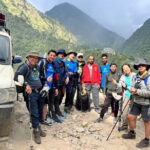
The guide is English-speaking. And in the feedback I read, Rohit gets mentioned for being very knowledgeable and friendly, with extra emphasis on his ability to explain sightseeing spots such as temples while you’re out on the trail. That matters because Nepal trails are full of little things that you might miss if you’re just focused on the next step.
Also, the trip description includes safety-style support through local guiding and the overall structure. One review highlighted feeling safe and supported even on a short family trip, which is the exact concern people have when they choose a shorter itinerary.
Just remember: private tours still run on walking legs. Your guide can set the pace, but you still need to be ready for the stair-heavy sections.
What to pack for Poon Hill stairs and chilly mornings
The trek notes a moderate fitness level and includes lots of uphill movement. So pack for comfort and footing, not fashion.
Here’s what I’d plan around, based on the trek style described:
- Good trekking shoes with grip for stair steps and slippery sections
- Warm layers for the early Poon Hill morning
- Rain protection, because forested areas and streams can mean damp ground
- A small daypack for water, snacks, and your warm layer
- Cash or card access for meals and drinks since food is not included
If you hate stairs, you can still do this trek. Just expect that the “easy short trek” reputation comes with a stair reality.
Should you book the Ghorepani Poonhill Trek?
Book this trek if:
- You want big Annapurna-region views without committing to a longer, more demanding expedition.
- You like village walking and forest segments, not just one viewpoint.
- You appreciate having permits handled, transport arranged, and a guide to explain what you’re seeing.
- Your group benefits from a private setup with an English-speaking local guide.
Consider another option if:
- You need all meals included or you’re expecting hotel-level comfort. Lodges here are basic and the package is room-only.
- You strongly dislike stairs. The route includes plenty of them, and that can be the hardest part even when the trek is short.
If your goal is sunrise magic over Annapurna and Dhaulagiri with culturally meaningful stops like Ghorepani and Ghandruk, this is a very sensible way to do it in just a few days.
FAQ
How long is the Ghorepani Poonhill Trek?
The trek is listed as 4 days (approx.).
Where does the trek start and how do you get there from Pokhara?
You drive from Pokhara to Nayapul in the morning, and Nayapul is used as the trekking starting point.
What’s included in the tour price?
Included are 3 night basic lodge accommodations (room only), ACAP, TIMS, national park fees, and other trekking permits, a professional English-speaking local trekking guide, and all land transportation by private vehicle as mentioned in the itinerary.
Are meals and drinks included?
No. Food, drinks, and beverage bills are not included.
Do I need to arrange a Nepal visa?
The Nepal visa fee is not included, so you should plan for it separately.
Is tipping required?
Tipping is not mandatory, but it’s described as a Nepalese custom.
What fitness level do I need?
You should have moderate physical fitness for this trek.
Is there a guide, and will they speak English?
Yes. The tour includes a professional English-speaking local trekking guide.
Can I cancel for a full refund?
Yes. There is free cancellation. You can cancel up to 24 hours in advance of the experience start time for a full refund.