REVIEW · KATHMANDU
Upper Mustang Classic Trek with Local guide
Book on Viator →Operated by Himalayan Wander Walkers · Bookable on Viator
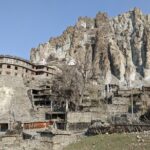
Upper Mustang still feels off the map. This private Upper Mustang Classic Trek trades big-group bustle for real Buddhist shrines, caves, monasteries, and village walking in the rain-shadow of the Himalaya. I like that your logistics are handled end to end, including transfers and key permits, and I also like the built-in Kathmandu add-ons that set the tone with Boudhanath, Patan, and Swayambhu.
One thing to plan around: the special permit for Upper Mustang is not included. The cost listed is USD 500 per person for 10 days, so your real total budget can land higher than the base price.
In This Review
- Key things that make this trek work
- Upper Mustang Classic Trek: what you’re really buying
- Day 1 in Kathmandu: Boudhanath, Patan, Swayambhu
- Day 2: Pokhara transfer, then the trek machine starts
- Day 3: Lupra village and Bon Monastery
- Day 4 and the trekking days: village-to-village Mustang walking
- Day 9: Thukchen monastery chanting, yak herds, and Tiji Festival
- Day 10: Yara village, Kali Gandaki, and Luri Gompa
- Day 11: Charang monasteries to Jomsom
- Day 12–13: flight back to Pokhara and the drive home to Kathmandu
- Price and value: $2,500 looks steep until you add the moving parts
- Guides and pacing: private means you’re not stuck in someone else’s rhythm
- What to expect day to day on this trek
- Practical tips before you go
- Should you book this Upper Mustang Classic Trek?
- FAQ
- How long is the Upper Mustang Classic Trek?
- What’s included in the price?
- Do I need an extra permit for Upper Mustang?
- Is this tour private?
- What will my lodging be like during the trek?
- What fitness level and age are required?
Key things that make this trek work
- Local-guided access to the Mustang world: you get a dedicated local guide (names you may see mentioned include Norbu and Dawa).
- Permits and logistics handled: ACAP permit included, plus domestic flights and transport.
- Kathmandu culture on Day 1: Boudhanath Stupa, Patan Durbar Square, and Swayambhu.
- Mustang trek with tea-house nights: included accommodation during the trek portion.
- Early-morning monastery moment: a 6am stop at Thukchen monastery for monk chanting.
- Tiji Festival timing built in: the itinerary includes time to watch the last day of Tiji (when your dates line up).
Upper Mustang Classic Trek: what you’re really buying
This isn’t a “walk until you feel inspired” trip. It’s a structured route through Upper Mustang, with a local guide doing the connecting work—between villages, monasteries, sacred sites, and the practical realities of getting from Kathmandu to the Mustang region and back.
The value is in how many moving parts they take away from you. You’re not trying to hire separate guides, juggle permits, and piece together flights on your own. You get private transportation, a domestic flight portion, tea-house lodging during the trek, and most meals (breakfast every day, plus select lunches and dinners). For many first-timers to Mustang, that’s the difference between a trip that feels smooth and one that feels like a part-time job.
You’ll also get a real sense of why people call this place a hidden Buddhist kingdom. Even the Kathmandu start works like a warm-up: you’re introduced to the major stupa-and-temple traditions first, then you step into a remote region where monastery life is front and center.
You can also read our reviews of more tours and experiences in Kathmandu.
Day 1 in Kathmandu: Boudhanath, Patan, Swayambhu
This day is a full-on spiritual city sampler, but it’s paced like a tour should be: no rushing from one site to the next just to tick boxes.
Boudhanath Stupa
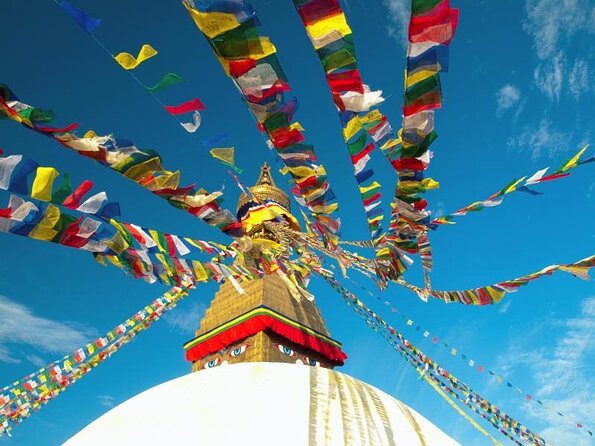
You’ll spend about an hour at Boudhanath, with admission included. The stupa is described as the largest in Nepal and known for its gold-polished details and the surrounding mani-wheel area. The best part here isn’t just the structure—it’s the scene of people circumambulating and mixing devotional rhythms from Nepali Himalayan communities and Tibetan visitors.
Patan Durbar Square
Next comes Patan Durbar Square for about two hours, also with admission included. This is where you’ll see fine wood and metal craftsmanship in the temple struts, windows, and doors, plus courtyards and a museum collection focused on traditional making of metal statues. If you care about how art is built—not just how it looks—this is a strong stop.
Swayambhu
You finish at Swayambhu (ticket free, about an hour). The hilltop view is part of the appeal, but the real value is the mixture of Newari Buddhist tradition and broader Hindu-Buddhist reverence around the site. The long stairway is mentioned as 365 steps, which adds a sense of ritual math to the climb.
Practical note: This is a lot of walking, but it’s mostly in the city and on established paths. It’s a good way to get your legs moving before the Mustang days.
Day 2: Pokhara transfer, then the trek machine starts
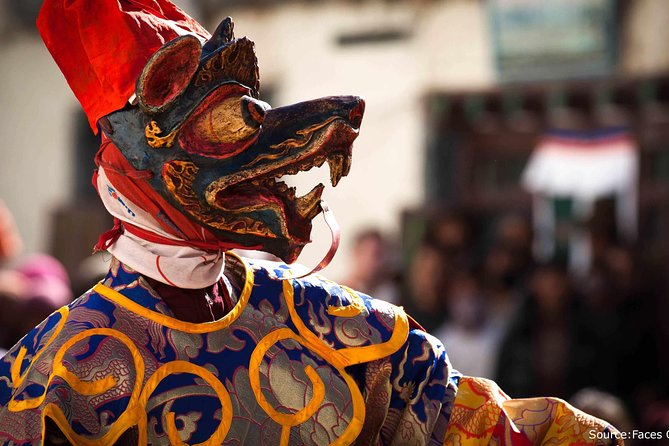
Day 2 is a drive to Pokhara by tourist bus, about 6–7 hours. This is a “logistics day,” not a sightseeing extravaganza, and that’s okay. You’re setting up the route toward Mustang, and Pokhara is the jump-off that makes the rest of the travel feel manageable.
If you hate travel days, you’ll feel that here. If you accept them as necessary chapters, you’ll appreciate how the schedule respects time in the field.
Day 3: Lupra village and Bon Monastery
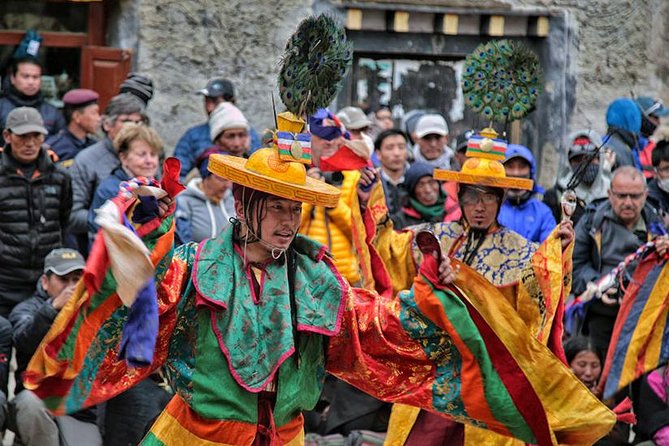
On Day 3, you shift from transit mode into village life. You’ll spend around four hours at Lupra and visit Bon Monastery.
This is one of those stops that can quietly become a trip highlight. It’s not just “see a monastery.” It’s a chance to understand local religious practices in a smaller setting, where you can watch daily rhythms more than tourist choreography.
If you’re the kind of traveler who enjoys learning how communities live (not just what communities worship), you’ll probably like Day 3 a lot.
Day 4 and the trekking days: village-to-village Mustang walking
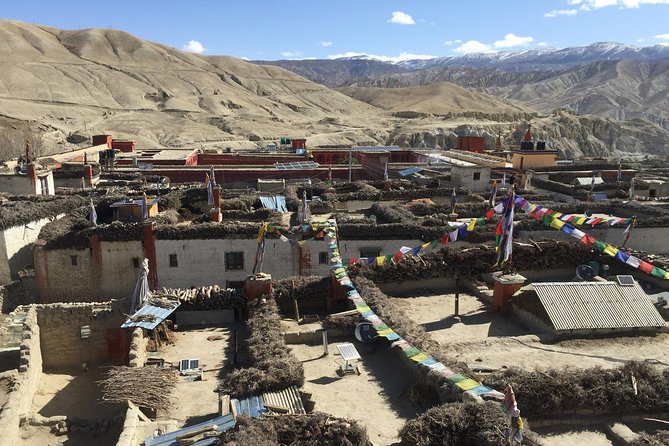
From Day 4 onward, the trek portion is where you’ll spend most of your energy. The plan begins with a drive to Chhuksang village, then trekking to Samar via Chele and Gyakar Village. Expect a full walking day (about 6 hours listed), and a rhythm where you alternate between moving, taking in sacred structures, and pausing in villages.
Days 5 through 8 continue the trek through the Mustang region, with day-by-day walking times listed (6–7 hours on those days). The itinerary doesn’t pin every single village name in the same detail level as the later monastery and festival days, but that can actually be a good thing. You’re not getting trapped in “I must see exactly this spot at exactly this hour” mode.
What you should take from these days:
- You’ll likely be thinking about endurance and pace more than constant sightseeing.
- You’ll be living the Mustang side of Nepal—tea houses, prayer walls, monastery detours, and plain village life.
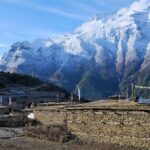
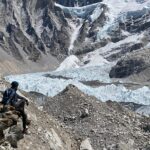
- You’ll walk in a region described as being in the rain shadows of the Dhaulagiri and Annapurna mountains, so the weather pattern is part of the reason this trek feels so stark and dry.
Day 9: Thukchen monastery chanting, yak herds, and Tiji Festival
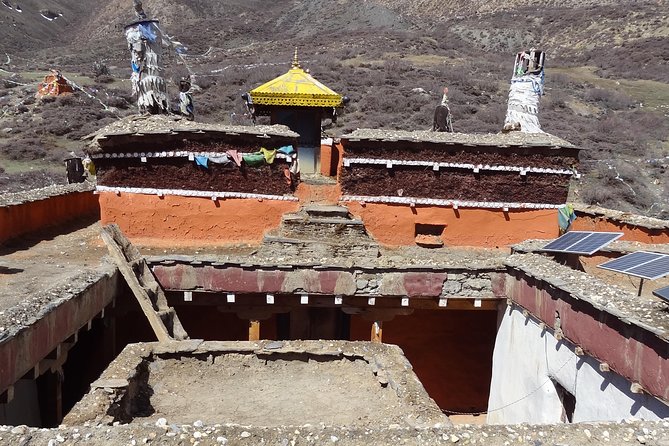
Day 9 has three elements that make it feel like a story, not just a route.
6am: Thukchen monastery
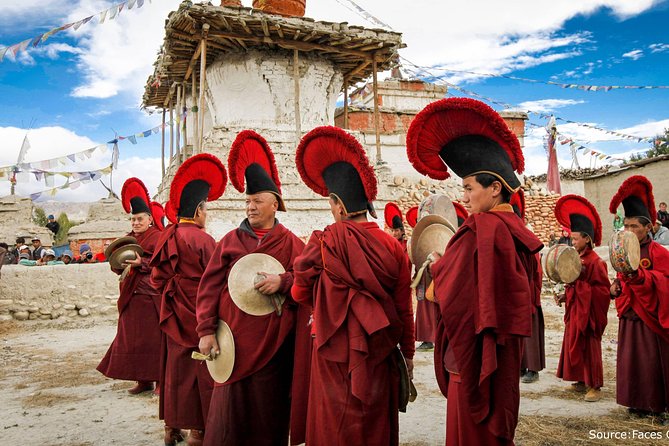
You’ll head out early around 6am to visit Thukchen monastery to see monk chanting. That’s the kind of time slot you can’t replicate on your own easily. And it’s exactly when monastery life feels most grounded—before the day gets busy and before most tourists even think about moving.
Yak herd visit
After breakfast, you take a short drive to a nomadic place of yak. This is a different kind of cultural contact: you’re seeing pastoral life tied to the landscape and the local rhythm.
Tiji Festival, last day
Then you return for lunch and watch the last day of the Tiji festival. For travelers who time their Mustang trips around festivals, this is the payoff. Tiji brings extra energy, and it turns monastery stops into living events rather than quiet “look then leave” moments.
If you’re not traveling during Tiji season, you’ll still get the monastery and yak parts, but the festival timing is date-dependent. In other words: this is one of those itineraries where the calendar matters.
Day 10: Yara village, Kali Gandaki, and Luri Gompa
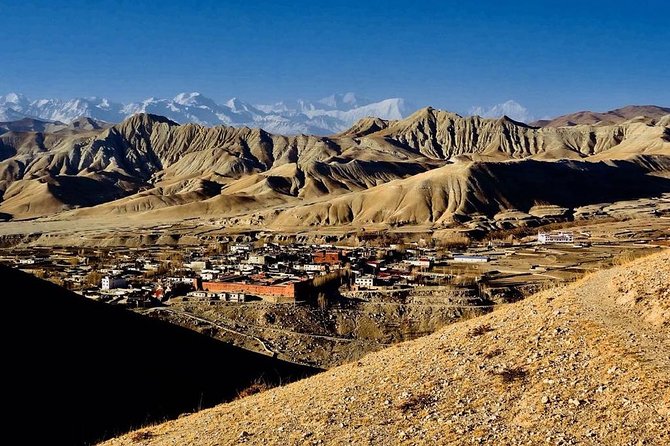
Day 10 moves you to Yara village in eastern Upper Mustang (after a drive, about 6 hours). The plan calls out the Kali Gandaki river flowing nearby, which is important because it shapes movement and settlement in the region.
After lunch, you visit Luri Gompa. This is the kind of stop that rewards travelers who like details: monastery locations, prayer space layout, and the way sacred sites sit in daily life.
You’ll likely feel a pattern by now:
- a morning with movement,
- a mid-day cultural anchor,
- and an afternoon stop that makes the day feel purposeful.
That’s what helps a trek stay memorable after day four or five.
Day 11: Charang monasteries to Jomsom
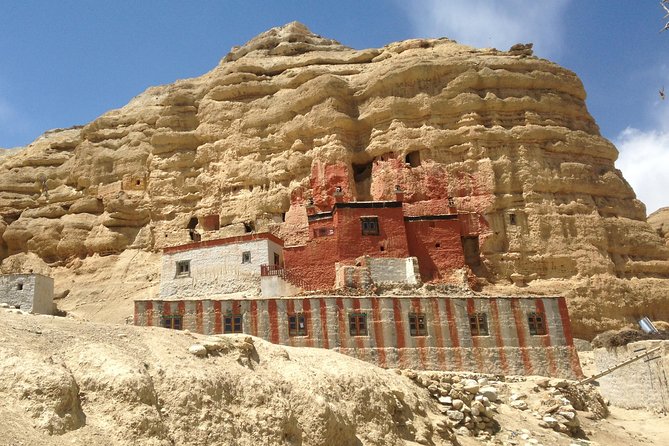
Day 11 starts with breakfast in Yara, then continues with driving to Charang village for a monastery visit, and finally a drive to Jomsom (about 5 hours listed).
This is a transition day. You’re moving from trekking terrain back toward flight logistics. Charang adds another monastery layer, while Jomsom sets up the next step: the flight back toward Pokhara.
From a traveler’s standpoint, transition days can be tough if you want constant activity. But here, it’s balanced: there’s still a monastery stop, not just a “get out of here” schedule.
Day 12–13: flight back to Pokhara and the drive home to Kathmandu
Day 12 includes an early-morning flight to Pokhara, breakfast on arrival, and a Pokhara city tour. The itinerary also lists a total duration of about 5 hours, so expect a compact day focused on reset and easy city browsing rather than a big excursion.
Day 13 is a morning drive back to Kathmandu by tourist bus, leaving at 7am and taking about 7 hours. This is your long final travel push.
Then the itinerary shows additional travel-related stops on Days 14 and 15 (Day 14 returns to Pokhara, Day 15 includes Kurintar as a stop). Day 16 ends with a final listed stop, but the day-by-day details are thin here. So think of Days 14–16 as buffer and transfer time on the way back, not as additional “Mustang discovery” chapters.
Price and value: $2,500 looks steep until you add the moving parts
At $2,500 per person, this trek is in the premium range. But it’s not just a walking tour. The package includes:
- private transportation,
- domestic flights,
- trekking guide and porter,
- ACAP permit,
- tea-house accommodation during the Mustang trek,
- breakfast for 16 days,
- lunch and dinner for parts of the itinerary.
So you’re paying for planning effort and risk reduction: someone else arranges transport, meals, lodging, and the permit paperwork.
The big cost that can change your total budget is the special permit for Upper Mustang: USD 500 per person for 10 days, listed as not included. That doesn’t mean the offer isn’t good value. It means you should treat the published price as the starting point and budget for that permit.
Also note what’s not included: travel insurance, plus everything not explicitly listed in the inclusions. That’s normal, but it matters because a trek like this can easily become an expensive mess if you don’t have medical coverage.
Guides and pacing: private means you’re not stuck in someone else’s rhythm
This is a private tour, so you’re not competing with other groups for monastery detours, timing, or a guide’s attention. The itinerary explicitly says you can go at your own pace and get personal attention.
The guide role looks to be a real strength of this operator based on past trip feedback. Names that show up repeatedly include Norbu (often described as from Upper Mustang) and Dawa (described as very responsive by email before travel). Another guide name that appears is Babu, described as adapting the itinerary during the trip.
Even if you don’t have the exact same guide, the pattern is clear: the plan is flexible. That flexibility matters in remote regions where weather, festival timing, and group energy can change the day.
What to expect day to day on this trek
Here’s the mental model that helps you enjoy this without frustration:
- You’ll spend longish blocks of time moving (often 6–7 hours on trek/transfer days).
- You’ll have a steady rhythm of meals (breakfast is covered every day; lunch and dinner are covered for 11 days each).
- Your “big moments” are spaced out: Kathmandu’s major stupa cluster, then monastery/chant and festival timing in the middle, plus multiple gompa visits as you head toward Jomsom.
- The trek portion uses tea house accommodation, which keeps things simpler than carrying your own base gear.
Fitness-wise, you just need moderate physical fitness. That doesn’t mean “easy,” but it does suggest the itinerary can work for people who train a bit and pace themselves. The operator also lists a minimum age of 18.
Practical tips before you go
From the details provided, I’d focus on four practical things:
- Bring your current valid passport on the day of travel. This is explicitly required.
- Plan for early starts, because the listed start time is 12:15 am. Even if the exact pickup varies, expect pre-dawn travel days.
- Treat the festival option as “calendar-dependent.” The itinerary includes the last day of the Tiji Festival, but Tiji is tied to specific dates.
- Budget for the Upper Mustang special permit (USD 500 per person for 10 days) even though the package is advertised with permits included generally.
One more note: the trip is subject to favorable weather conditions. If canceled due to poor weather, you’re offered an option of an alternative date or a full refund.
Should you book this Upper Mustang Classic Trek?
Book it if you want a remote-but-well-run trekking experience: you get private logistics, a dedicated local guide, tea-house nights, and the kind of monastery/festival timing that makes Mustang feel alive.
Hold off or ask more questions if price is your main constraint, because the special permit can push your total budget higher than the base rate. Also, if you need very detailed daily village-by-village descriptions for every trek day, the itinerary details aren’t equally specific for each walking segment.
If you’re aiming for a blend of Kathmandu spiritual sites plus a real Upper Mustang monastery circuit—without doing the work of organizing permits and transport—this is the kind of tour design that tends to deliver.
FAQ
How long is the Upper Mustang Classic Trek?
The trek is listed as 16 days (approx.).
What’s included in the price?
Included items are private transportation, domestic flight, a trekking guide and porter, ACAP permit, tea house accommodation during the Mustang trek, and meals: breakfast (16), lunch (11), and dinner (11).
Do I need an extra permit for Upper Mustang?
Yes. The special permit for Upper Mustang is listed as USD 500 per person for 10 days, and it is not included. The ACAP permit is included.
Is this tour private?
Yes. It’s described as a private tour/activity, and only your group will participate.
What will my lodging be like during the trek?
The itinerary includes tea house accommodation during the Mustang trek.
What fitness level and age are required?
The tour calls for moderate physical fitness. The minimum age is 18, and children must be accompanied by an adult.