REVIEW · KATHMANDU
Poon Hill Trek package
Book on Viator →Operated by Nepal Hiking Adventure Company - Private Day Tours · Bookable on Viator
The first uphill is worth it. This Poon Hill trek strings together mountain sunrise payoff and Gurung/Magar village culture without the stress of planning every detail yourself.
I especially like two things: the early-morning Poon Hill hike that sets you up for big Annapurna-range views, and the way the route threads through small communities like Ghorepani and Ghandruk instead of feeling like a straight hike-through.
One consideration: the best views depend on weather, and you’ll also need to handle early starts and a few solid uphill segments while keeping a normal fitness pace.
In This Review
- Key highlights at a glance
- Kathmandu to Pokhara: the smooth lead-in you’ll appreciate
- Birethanti permits and the climb to Ulleri
- Rhododendron forest to Ghorepani: a day with actual scenery variety
- Poon Hill sunrise: the payoff hike and why timing matters
- Ghandruk to Birethanti: downhill walking and the end-of-trek reset
- What you’re paying for: $405 and the real value math
- Guide support: the difference between getting lost and getting informed
- Pace and fitness: easy difficulty doesn’t mean zero effort
- When weather flips the script
- So, should you book this Poon Hill trek package?
- FAQ
- What is the duration of the Poon Hill Trek package?
- Where does the trek start and end?
- How do I get to Pokhara from Kathmandu?
- What is the meeting point in Kathmandu?
- How big is the group?
- What meals and accommodations are included?
- What’s not included in the package?
- What part of the trek is the main highlight?
- Do I need good weather for this trek?
- Is cancellation free?
Key highlights at a glance
- Small group max of 8 keeps the experience manageable on narrow trails
- Poon Hill sunrise is built into the schedule so you don’t have to guess timing
- Birethanti permit checkpoint is handled for you, so you can focus on walking
- Rhododendron forest to Ghorepani adds variety (not just stone steps)
- Meals and lodging are packaged in a way that reduces daily logistics
- Guides like Tilak, Bishnu, and Ram are repeatedly praised for being attentive and helpful
Kathmandu to Pokhara: the smooth lead-in you’ll appreciate
Most treks feel “real” the moment you start hiking, but I love how this one eases you into it. You meet near Thamel at Nepal Hiking Adventure Company’s office, then head to the bus park for the drive to Pokhara. It’s a long day—usually 6 to 8 hours—but it matters because you arrive rested enough to start the trek the next day, not frantic and under-slept.
Pokhara itself gets you in the right mood. You sleep one night there on a bed and breakfast plan, which is a nice buffer before the mountains begin. If you’ve never been to Nepal before, this structure also helps you understand the rhythm: you’re not just traveling—you’re syncing your body to slower time and higher elevation.
What to watch for: because you’re on a tourist bus, you should expect a fairly straightforward schedule. If you’re the type who needs frequent stops to stretch and snack, bring your own water plan (drinks during the trek aren’t included).
You can also read our reviews of more tours and experiences in Kathmandu.

Birethanti permits and the climb to Ulleri
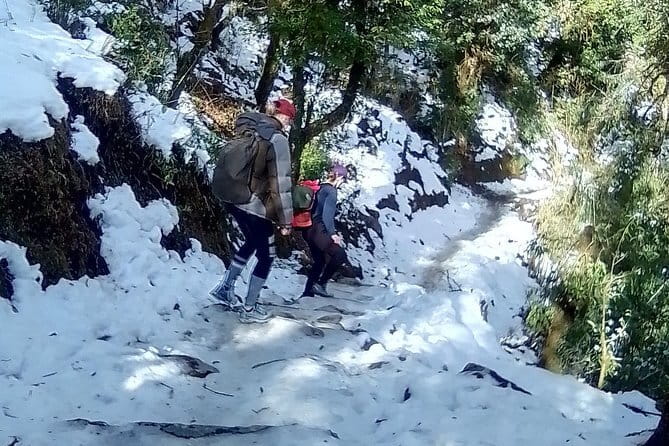
Day 2 is where the trek starts to feel like a trek. You’re driven from Pokhara to Birethanti, which is a checkpoint for the Annapurna Conservation Area. The permit check is part of the experience, and having it handled by your guide saves you from the usual headache of figuring out paperwork while everyone’s watching the clock.
From there, you trek toward Ulleri, passing through Hile. The day is usually paced around:
- a permit check and settling in,
- then steady uphill walking,
- plus a short lunch break at Hile before you continue.
This segment is a good “tester day.” It’s not the hardest day on the trail, but it forces you to find your pace early. You’ll also get a sense of the trail surface and how your legs respond at elevation.
Why I like this day: it’s structured enough to feel guided, but open enough that you’re still outside and moving most of the time. Ulleri is a classic stepping-stone that positions you well for the next day’s Rhododendron forest trek.
Potential drawback: if you’re expecting an ultra-easy first hiking day, plan for some uphill effort. The trek is often marketed as accessible, but accessible still means you’ll work.
Rhododendron forest to Ghorepani: a day with actual scenery variety
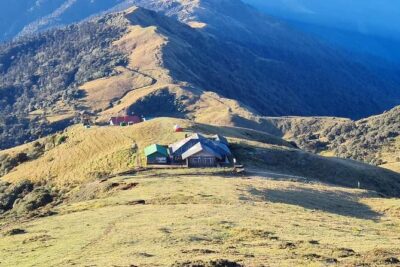
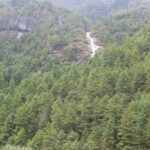
On Day 3, you start early after breakfast and head to Ghorepani. The highlight here is the walk through a rhododendron forest, which is exactly the kind of change that makes the trek feel fuller than just repeating the same uphill.
You’ll reach Ghorepani after about 5 hours of trekking time. In practical terms, that length is helpful: it’s long enough to earn hunger and tired legs, but short enough that you’ll likely have time to settle in, look around, and prepare mentally for the Poon Hill morning.
Ghorepani is also the place where you start to feel the “triple-threat” of this route:
- village life (tea houses, local rhythm),
- forest walking,
- and the mountain-view anticipation building day by day.
My tip for this day: treat the evening like setup time. If you can, rest early. Poon Hill sunrise starts before the world feels awake.
Poon Hill sunrise: the payoff hike and why timing matters
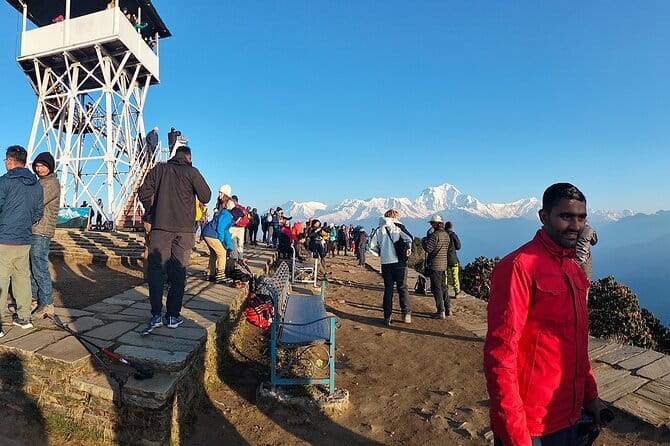
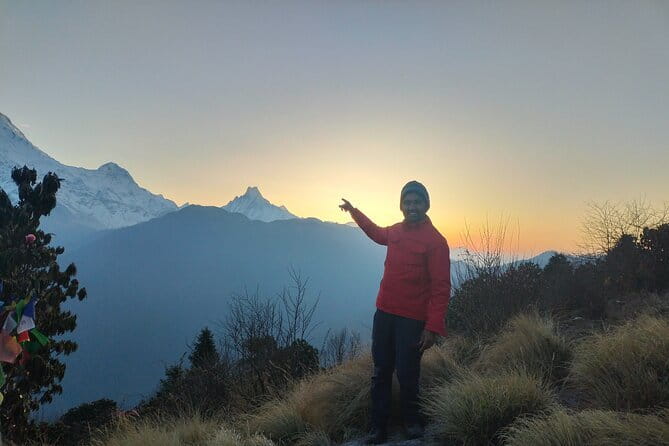
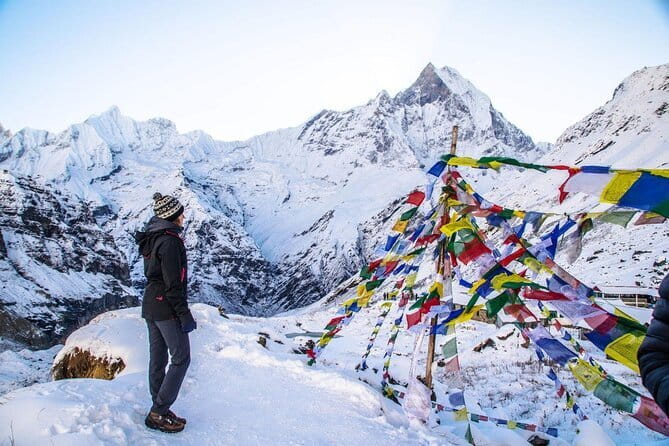
Day 4 is the signature day. Early morning, you hike up to Poon Hill for sunrise, then you explore more views from the viewpoint before heading back. This is one of those hikes where your effort matters less than your timing—clouds, haze, and fog can change everything fast—so the schedule being built around sunrise is a big deal.
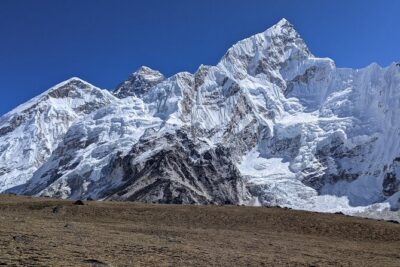
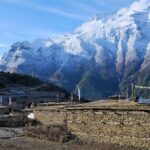
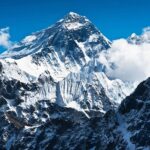
The reward is your first direct, dramatic look at major ranges, including the Annapurna and Dhaulagiri areas. Even if you’ve seen photos before, the scale is hard to duplicate. Sunrise light also changes the contrast on the peaks, so you’re not just looking—you’re watching the mountains “switch on.”
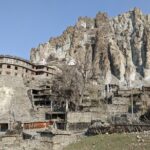
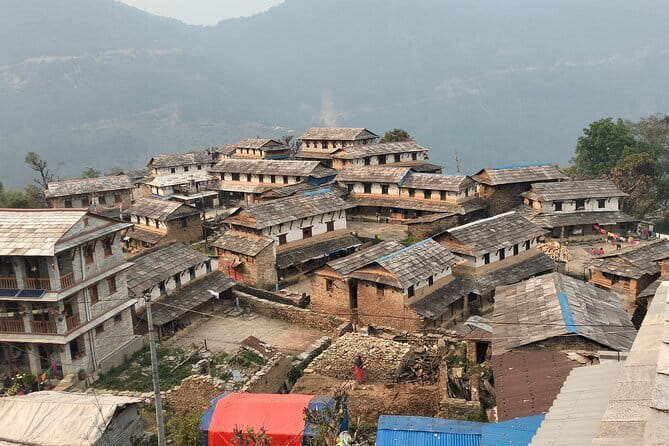
After you return, you get breakfast and then continue to Ghandruk. That second half of the day matters too. It prevents Poon Hill day from feeling like one short thrill and then done. Instead, you transition into village scenery and spend time in Ghandruk, which is known for its cultural texture and community feel.
What to expect: you’ll likely deal with a mix of temperatures—cold on the early hike, then warmer as the day progresses. Pack layers you can manage quickly.
Consideration: since the experience requires good weather, you should keep your expectations flexible. If conditions aren’t great, you may not get the crispest skyline. Still, the early-morning rhythm on the trail and the mountain presence usually make the hike feel worthwhile.
Ghandruk to Birethanti: downhill walking and the end-of-trek reset
Day 5 is a lighter-feeling finish, though downhill can still be tough on knees. After breakfast in Ghandruk, you start walking downhill toward Syauli Bazaar, then continue on an easy path to Birethanti. The endpoint here is practical: you check out your permit, then you’re transported back to Pokhara Lakeside.
This final day does two useful things:
- It lets you stretch the legs after several trekking days.
- It gives you a clear “we’re done” moment with the permit process and the ride back.
From a planning perspective, this means you don’t end with a chaotic series of last-minute tasks. You just walk, arrive, and head back to Pokhara. That’s a big quality-of-life factor if you’ve got onward travel later.
Packing note: downhill days are where foot comfort matters most. Bring trekking footwear you trust, not brand-new shoes.
What you’re paying for: $405 and the real value math
At $405, the value comes from what the package covers, not just from the trek itself. Here’s what’s included:
- Transportation to and from the trek start/end points
- Tourist bus ticket for the Kathmandu → Pokhara drive (and the return via the end-day transport back)
- All fees and taxes
- An experience trekking guide
- Accommodations for 3 nights during the trek
- 1 night in Pokhara on BB plan
- Meals: 4 breakfasts, 4 lunches, and 3 dinners
So you’re not only buying “a guide to walk with.” You’re also buying a big chunk of logistics: permits/fees, meals, and sleeping arrangements across the route.
What’s not included is mostly predictable for treks:
- drinks and other beverages,
- personal expenses,
- tips for guide/potters (expected)
If you’re the type who tracks value carefully, this matters: drinks can add up quickly if you’re not mindful. Bringing a water strategy (and planning for where you’ll buy what you need) helps keep the trip from turning into surprise costs.
Guide support: the difference between getting lost and getting informed
One of the strongest themes in the experience is the guidance quality. Guides named Tilak, Bishnu, and Ram are highlighted for being attentive, informative, and genuinely helpful with questions and needs. In practical terms, that means you’re not just following a route—you’re understanding what you’re seeing and what’s coming next.
You also get reassurance before you arrive. Some guests describe quick, timely responses to questions by guides (including Bishnu), which is a big help when you’re planning a trek in a country where conditions can change.
Here’s what I think you’ll feel day to day with a strong guide:
- pacing that fits your group,
- clarity about where you’re going next,
- less stress about permits and checkpoints,
- and a safer, smoother feeling when trails get busy or weather shifts.
Small group bonus: with a maximum of 8 travelers, you’re more likely to get personal attention than in large trekking crowds.
Pace and fitness: easy difficulty doesn’t mean zero effort
The trek is described as easy to normal fitness level, and that aligns with the way the days are scheduled. You’re usually trekking several hours, not all-day marathons, and the itinerary has buffers (especially with breakfast/lunch stops and return time after Poon Hill).
That said, “easy” in the Himalaya still means:
- uphill sections that add up,
- walking on uneven terrain,
- and early starts that make fatigue sneak up.
If you can handle a steady walking day at home—then take breaks and hydrate—you’re likely a good match. If you’re recovering from a recent injury or you hate steep climbs, you might find certain uphill legs uncomfortable.
The best strategy: go slow on the first big climbs (especially Day 2), keep breathing steady, and don’t chase other people’s pace.
When weather flips the script
This experience requires good weather. That’s not agent talk; it’s reality. In mountains, cloud cover and fog can wipe out visibility fast, especially around viewpoint days.
What you can control:
- be mentally ready for changing conditions,
- dress for cold mornings and warmer afternoons,
- and keep the expectation that sunrise views are the goal, not a guarantee.
The package also notes you can be offered a different date or a refund if weather cancels the experience. That’s worth knowing so you don’t feel trapped by the plan if conditions are poor.
So, should you book this Poon Hill trek package?
I’d book it if you want a classic Poon Hill experience with less logistics stress. The combination of early sunrise timing, a route through Ghorepani and Ghandruk, and a guide who’s praised for being responsive (often Bishnu, Tilak, or Ram) makes it a strong pick for first-timers and for people who want an organized trek without feeling boxed in.
Skip or rethink it if:
- you’re extremely sensitive to early wake-ups,
- you’re only comfortable on totally flat walking,
- or you want total flexibility on viewpoints and timing without a set schedule.
If you fit the “normal fitness + want good structure” profile, you’ll likely love the way the days connect—Kathmandu to Pokhara, permit day to village day, sunrise day to culture day, and then a clean downhill finish.
FAQ
What is the duration of the Poon Hill Trek package?
The tour is listed as 5 days (approx.).
Where does the trek start and end?
The trek starts at Birethanti and ends at Birethanti, with transfers that bring you back to Pokhara Lakeside.
How do I get to Pokhara from Kathmandu?
You take a tourist bus from Kathmandu to Pokhara, which takes about 6–8 hours, and you stay overnight in Pokhara.
What is the meeting point in Kathmandu?
The start meeting point is near Nepal Hiking Adventure Company (Z Street, Kathmandu 44600).
How big is the group?
The experience has a maximum group size of 8 travelers.
What meals and accommodations are included?
Accommodations are included for 3 nights during the trek, plus 1 night in Pokhara on a BB plan. Meals included are 4 breakfasts, 4 lunches, and 3 dinners.
What’s not included in the package?
Drinks and beverage during the trek, personal expenses, and tips for the guide/potters are not included (tips are expected).
What part of the trek is the main highlight?
The highlight is the early morning hike to Poon Hill for sunrise, plus additional mountain views from Poon Hill.
Do I need good weather for this trek?
Yes. The experience requires good weather. If it’s canceled due to poor weather, you’ll be offered a different date or a full refund.
Is cancellation free?
Yes, you can cancel for a full refund up to 24 hours in advance of the experience start time, based on local time.