REVIEW · KATHMANDU
Everest Three Pass Trek
Book on Viator →Operated by Adventure Bound · Bookable on Viator
Three passes. Big payoff.
This Everest Three Pass Trek takes you over 5000-meter snow-covered passes in the Khumbu region—Khongma La, Cho La, and Renjo La—while the trip logistics handle the big stuff like flights, meals, and permits. I love the clean structure: private transfers in Nepal, twin-sharing lodge accommodation, and full-board trekking meals all built in. The other big win is the human part: a highly experienced, licensed, English-speaking guide to keep you moving and thinking clearly at altitude. The catch is simple: this is tough walking in cold, high terrain, so you’ll want strong fitness and a realistic attitude about slow days.
You’ll start with two nights in Kathmandu at a standard hotel (breakfast included), then fly on the included Kathmandu–Lukla–Kathmandu airfare. On trek, you get twin sharing lodge stays and full board meals (breakfast, lunch, dinner). The trip also includes entry to Sagarmatha National Park (fees + TIMS card) and local government tourism fees, plus a down jacket and sleeping bag if needed, along with a first aid medical kit.
In This Review
- 3 Passes Over 5000 Meters: Why This Trek Feels Different
- Price and Logistics: What Your $2,200 Buys (and What It Doesn’t)
- Kathmandu Setup: Hotel Nights, Pickup, and a Calm Start
- Lukla Flights and the Trek’s Start: When the Adventure Turns Real
- The High Pass Days: Khongma La, Cho La, Renjo La
- Khongma La (around 5555 m)
- Cho La (around 5330–5420 m)
- Renjo La (around 5345–5360 m)
- Lodges, Twin Sharing, and Full-Board Meals at Altitude
- The Guide, Support, and First Aid: How Safety Is Actually Built In
- Who Should Book This Everest Three Pass Trek?
- Should You Book This Trek?
- FAQ
- What are the three main passes on the Everest Three Pass Trek?
- How long is the Everest Three Pass Trek?
- Where does the trip start and end?
- Is airport pickup and drop included?
- Are meals included during the trek?
- Where do you stay during the trek?
- Is the Kathmandu hotel included?
- Does the price include permits and park fees?
- What equipment is provided for cold weather?
- What is not included?
- Is cancellation free?
3 Passes Over 5000 Meters: Why This Trek Feels Different
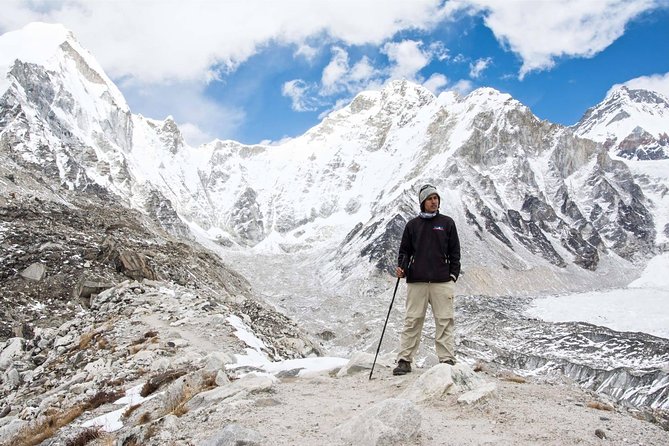
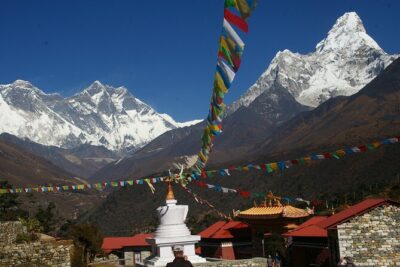
Most Everest treks feel like one big climb with scenery as the reward. The Everest Three Pass Trek feels different because you’re not just going up and down—you’re crossing three high passes that reset your route and your schedule.
These passes are the headline:
- Khongma La Pass around the 5555 m range
- Cho La Pass around the 5330–5420 m range
- Renjo La Pass around the 5345–5360 m range
Even if you’ve trekked before, crossing snow-covered passes at altitude means heavier planning day-by-day: you’ll likely move slower, dress smarter, and budget energy for cold, windy sections.
Price and Logistics: What Your $2,200 Buys (and What It Doesn’t)
At $2,200 per person for about 17 days, the value comes from what’s bundled—not just the bragging rights. You’re paying for real operational support: airport pickup and drop, all ground transport in private vehicle, airfare Kathmandu–Lukla–Kathmandu, and park/permit fees (including TIMS and Sagarmatha National Park fees).
You’re also buying comfort where it helps:
- Two nights in Kathmandu with breakfast
- Twin sharing lodge accommodation during the trek
- Full-board meals (breakfast, lunch, dinner) while trekking
- A licensed, English-speaking guide plus a first aid kit
Then there’s what you’ll still need to handle:
- Your Nepal entry visa fee
- Travel and rescue insurance (compulsory)
- Tips for guides and porters
- Personal expenses like WiFi, laundry, battery charging, hot shower use, and similar extras
For your money, the biggest payoff is reducing stress. When you arrive in Nepal, you don’t want to start renegotiating flights, permits, lodging, and meal plans while you’re already physically under pressure from the trek.
You can also read our reviews of more tours and experiences in Kathmandu.
Kathmandu Setup: Hotel Nights, Pickup, and a Calm Start
Kathmandu can feel like information overload. This trip helps by handling the basics right away: airport pickup and drop, plus all ground transport using private vehicles. That matters because trekking tours rise and fall on the first 24 hours.
You also get two nights in a standard hotel with breakfast in Kathmandu. That’s not luxury-sugar-coating—it’s practical recovery time before the trek and a chance to sort your gear. If you’re getting a down jacket and sleeping bag if needed, Kathmandu is where that usually makes life easier. Less time hunting, renting, or improvising later.
One small but helpful detail: you get a mobile ticket. That usually means fewer paper headaches and an easier handoff when schedules shift.
Lukla Flights and the Trek’s Start: When the Adventure Turns Real
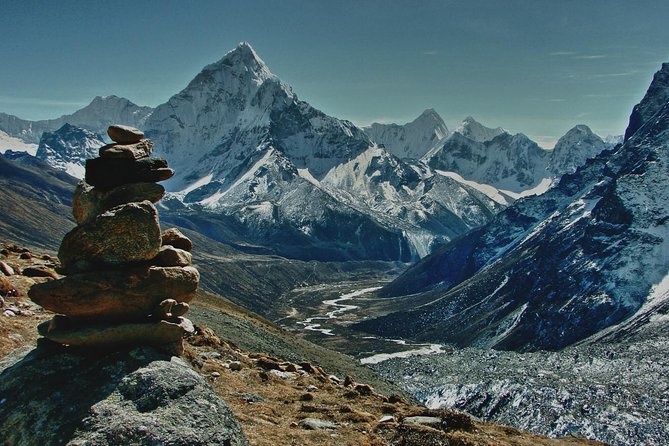
The airfare is included: Kathmandu–Lukla–Kathmandu. That’s a big deal for planning because you’re not trying to stitch together flights on your own while also dealing with trekking permits and lodge availability.
Once you land in Lukla, the trek becomes a rhythm of lodge-to-lodge days with full-board meals. You’re not just hiking for views; you’re hiking with a schedule built around high passes later. That means your early days matter for pacing and conserving energy for the cold altitude work ahead.
A practical mindset for the start: treat it like training, not sightseeing. Yes, you’ll see plenty. But you’ll also be learning how your body reacts to sustained effort, thinner air, and long walking hours—so you can handle the pass days without burning out early.
The High Pass Days: Khongma La, Cho La, Renjo La
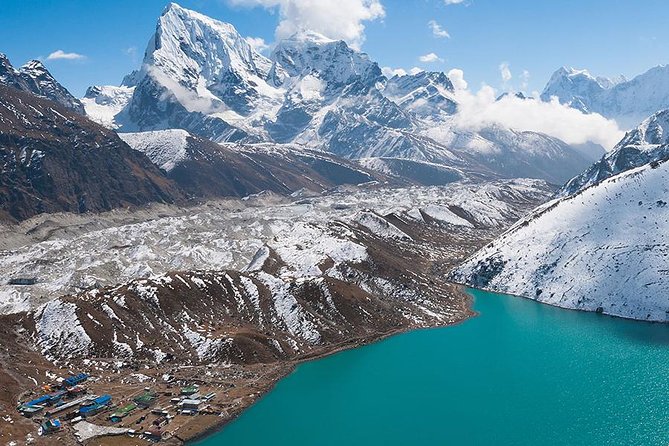
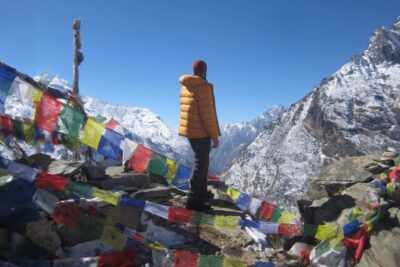
This is the core of the Everest Three Pass Trek: three snow-covered passes over 5000 meters. Each one pushes you into a different kind of cold-weather trekking—where footwork, layers, and stamina matter as much as your enthusiasm.
Here’s what you should know in a practical way:
Khongma La (around 5555 m)
This is the highest of the three, so it tends to feel the most intense. Expect cold and slow movement to be part of the deal. Your job on pass day is simple: keep moving steadily, dress early, and don’t waste energy fighting the weather.
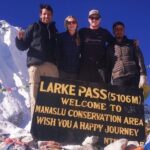
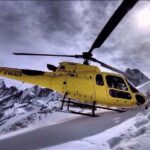
Cho La (around 5330–5420 m)
Cho La sits a bit lower than Khongma La, but it’s still well above 5000 m and still described as snow-covered. This pass often tests balance and pacing as much as climbing.
Renjo La (around 5345–5360 m)
Renjo La rounds out the trio. By the time you reach it, you’ll already have spent serious time at altitude. The trick here is to stay patient and keep your effort consistent rather than trying to “make up time” like you’re on a weekend hike.
Across all three passes, the guide role becomes more than “someone who knows the route.” A good guide keeps the group safe and moving with sensible pacing, plus helps you manage the mental side of altitude and cold. In past treks with this operator, guides like Jiban and Raman have been praised for patience, professionalism, and being good company—especially when solo trekkers have lots of questions.
Lodges, Twin Sharing, and Full-Board Meals at Altitude
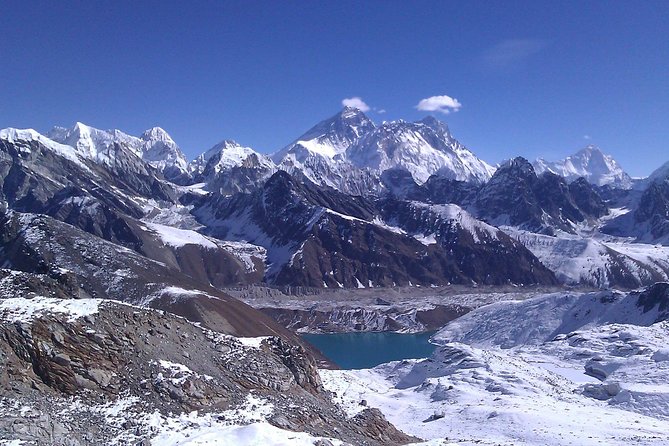
On trek, you get twin sharing lodge accommodation and full-board meals, meaning breakfast, lunch, and dinner are included. That removes a big variable: you don’t have to negotiate meals or track costs between villages.
The lodge setup is usually basic. But for high passes, basic can be a feature. Lodges help you:
- Dry out (as much as conditions allow)
- Get warm between walking hours
- Sleep at altitude without turning every day into logistics
If you’re traveling solo, twin sharing can be a good way to keep things sociable. If privacy is your top priority, you’ll want to think about how you feel about shared rooms before booking.
Meal timing is another quiet value. When meals are included, you can focus on trekking—rather than scanning menus for the one item you can stomach when you’re tired. The included meals also help with planning energy for pass days.
The Guide, Support, and First Aid: How Safety Is Actually Built In
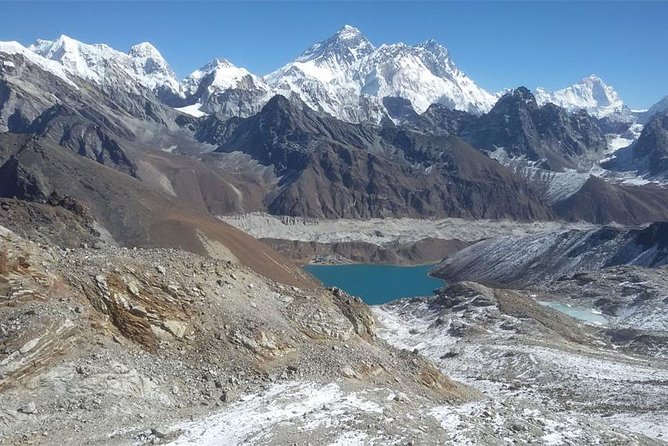
You’ll trek with a highly experienced, licensed, English-speaking guide. That is one of the best parts of this trek for a simple reason: altitude makes details matter. When you’re tired and cold, it’s not the time to guess.
A licensed guide also means the trip is set up with the right permits and fees in place—Sagarmatha National Park fees and TIMS card, plus local tourism fees. Those aren’t glamorous, but they’re the difference between a smooth trek and a bureaucratic headache.
You also get a first aid medical kit. That doesn’t replace travel insurance (you still need it, and it’s compulsory), but it does mean you’re not starting from zero in an emergency.
Based on experiences shared with this operator, guides such as Rabin have been described as professional, patient, and knowledgeable, with humor that can genuinely help when you’re not at your peak energy. If you don’t speak English fluently, you may still find this kind of guide support extremely calming. In other trips, Rabin’s communication and friendly approach have stood out.
Who Should Book This Everest Three Pass Trek?
This trek fits best if you’re:
- Ready for a long, physically demanding 17-day challenge
- Comfortable with cold weather and high altitude trekking
- Looking for a guided route that handles major logistics up front
- Interested in the route leaving the main Everest path and getting you into more varied trekking terrain (including time connected to the Everest Base Camp area)
This is not the right pick if you’re chasing an easy vacation hike. It’s also not ideal if you’re likely to panic when plans get tight. You want steadiness more than spontaneity.
If you’re a solo traveler, a private tour can be a relief. This is private only for your group, so you’re not squeezed into a big mixed crowd.
Should You Book This Trek?
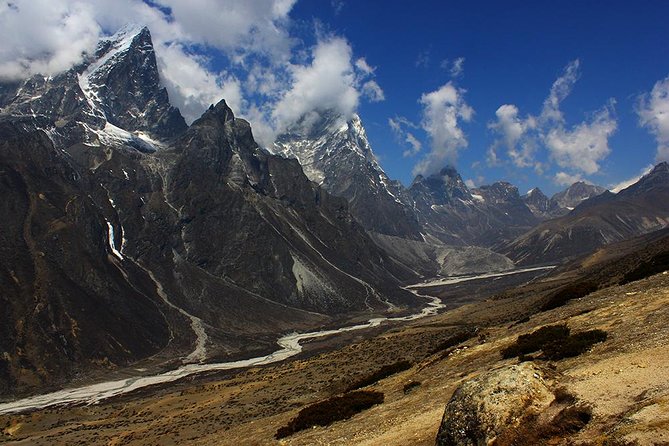
Book the Everest Three Pass Trek if you want the real Khumbu test: three snow-covered, 5000-meter-plus passes, with logistics handled and a licensed English-speaking guide to keep things organized and manageable. The price makes more sense when you add up what’s included: airfare, permits, meals, lodge stays, down jacket and sleeping bag if needed, and the Kathmandu hotel with pickup and transport.
Skip it—or at least rethink timing and your training—if your fitness is still building or if cold, high, slow walking days would stress you out. The trek’s not trying to be gentle. It’s trying to be memorable.
FAQ
What are the three main passes on the Everest Three Pass Trek?
The trek includes three high passes over 5000 meters in the Khumbu region: Khongma La Pass (about 5555 m), Cho La Pass (about 5330 m), and Renjo La Pass (about 5345 m).
How long is the Everest Three Pass Trek?
It’s listed as approximately 17 days.
Where does the trip start and end?
The location is Kathmandu, Nepal, and the itinerary includes a Kathmandu–Lukla–Kathmandu airfare.
Is airport pickup and drop included?
Yes. Airport pickup/drop and all ground transports in private vehicle are included.
Are meals included during the trek?
Yes. Full board meals are included during the trek: breakfast, lunch, and dinner.
Where do you stay during the trek?
You’ll stay in twin sharing lodge accommodation during the trek.
Is the Kathmandu hotel included?
Yes. The package includes 2 nights of standard hotel accommodation with breakfast in Kathmandu.
Does the price include permits and park fees?
Yes. It includes Sagarmatha National Park fees and the TIMS card, plus local government tourism fees.
What equipment is provided for cold weather?
Down jacket and sleeping bag are included if needed.
What is not included?
Not included are the Nepal entry visa fee, compulsory travel and rescue insurance, personal expenses like WiFi/laundry/hot shower/battery charging, and tips for guides and porters.
Is cancellation free?
Free cancellation is offered. You can cancel up to 24 hours in advance for a full refund, based on local time.