REVIEW · KATHMANDU
Everest Basecamp Trek: 14 days
Book on Viator →Operated by Iconic Holiday Nepal · Bookable on Viator
A mountain trek that starts with a drama-free welcome. From Kathmandu’s Thamel to Lukla and the Khumbu villages, this 14-day Everest Basecamp plan is built for real altitude time, not just a fast checklist.
What I like most is the way it structures the climb: you get built-in acclimatization days in Namche Bazaar (and again later), plus the classic high-point payoff at Kala Patthar before sunrise. The second thing I like is how much is handled for you: permits, round-trip Kathmandu–Lukla airfare, a licensed English-speaking guide, and a porter setup (1 porter for every 2 clients) so you can focus on walking and breathing.
One consideration: the Lukla flight routing depends on flight status, so you may fly from Kathmandu or Manthali. Also, travel insurance with high-altitude emergency evacuation coverage is not included, and you’ll need to budget for water and beverages.
In This Review
- Key Points Worth Knowing Before You Go
- Lukla Flights and Thamel Setup: Getting Oriented for Everest
- Thamel to Phakding: The First Steps Into the Khumbu Rhythm
- Namche Bazaar Acclimatization: Why These Rest Days Aren’t Optional
- Tengboche Village and Tengboche Gompa: Culture Meets Big Views
- From Nangkartshang Peak to Dingboche: Keeping Altitude Smart
- Everest Base Camp and Gorak Shep: The Day It Gets Serious
- Kala Patthar Before Sunrise: The Closest Everest View Moment
- The Return Down: Namche Again, With Suspension Bridges in the Mix
- Fly Back to Kathmandu: The Sudden Feeling of Ground-Level Life
- Price and Logistics: What $1,650 Covers (and What It Doesn’t)
- Who Should Book This Everest Basecamp Trek—and Who Might Want Another Option
- Should You Book Iconic Holiday Nepal’s Everest Basecamp Trek?
- FAQ
- How long is the Everest Basecamp trek?
- Where does the tour start in Kathmandu?
- What airport flights are included?
- When do I fly to Lukla?
- Is airport pickup and transport included in Kathmandu?
- What trekking support do I get?
- What lodging is included during the trek?
- Are meals included?
- What should I budget for that is not included?
- Is travel insurance included?
- What is the cancellation timeframe for a full refund?
Key Points Worth Knowing Before You Go
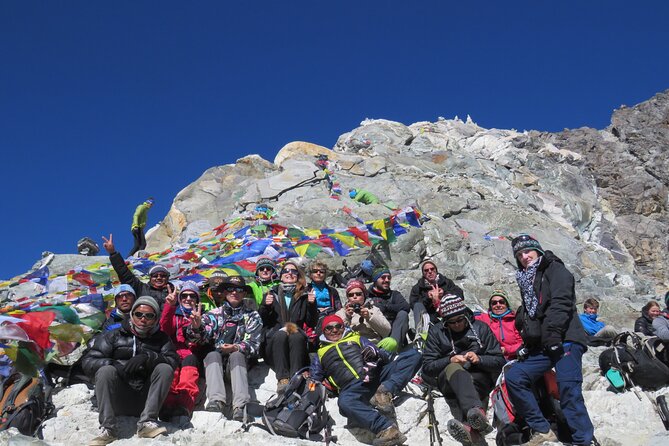
- Thamel arrival support: team meets you at Tribhuvan Airport holding a card with your name and their company name.
- Lukla flight, early: you’ll go to Lukla early the next morning; exact departure airport can shift based on flight status.
- Two acclimatization pauses: Namche rest day plus a hike day (Syangboch) and later time for altitude adaptation (including a day around Nangkartshang Peak).
- Tengboche monastery morning: early exploration of Tengboche Gompa before moving on.
- Basecamp plus the viewpoint run: you’ll reach Everest Base Camp, then return for the big sunrise view from Kala Patthar.
- Meals and lodging are mostly covered: breakfast daily, trek lunches and dinners included; Kathmandu lunch/dinner and drinks aren’t.
Lukla Flights and Thamel Setup: Getting Oriented for Everest
Before the mountains ever feel real, the trip starts with logistics that actually matter. On day 1, the Iconic Holiday Nepal team meets you at Tribhuvan International Airport holding a card with your name and the company name. Then you’re transferred into central Kathmandu’s Thamel, the area packed with travel shops, restaurants, and hotels.
Thamel is useful here, not just convenient. You’ll likely have time to check gear, grab a few essentials, and settle into Kathmandu life before your first altitude jump. The tour includes two nights in a tourist-standard hotel in Kathmandu with breakfast, so you’re not relying on “maybe” for sleep or morning food.
Then comes Lukla. On day 2, you fly early to Lukla, and you’ll use Lukla as your launch point into the Khumbu. The trip notes that whether flights leave from Kathmandu or Manthali can depend on flight status—so think of that part as a weather-and-operations reality, not a surprise you can control.
You can also read our reviews of more tours and experiences in Kathmandu.



Thamel to Phakding: The First Steps Into the Khumbu Rhythm
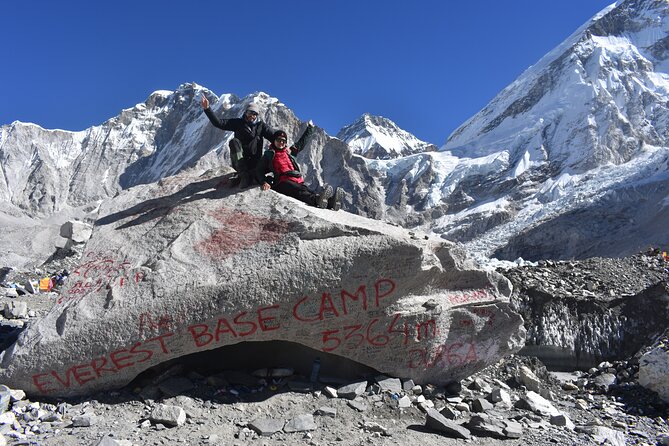
Day 3 is where the trek begins in earnest. After flying into Lukla, you head along the trail from Phakding toward Namche Bazaar. This early segment is a mix of uphill effort and constant scenic payback: you’ll cross suspension bridges and pass through settlement areas as you gradually feel the trek “lock in.”
This matters for first-timers because the goal isn’t to speed-run fitness. It’s to start moving while your altitude is still low enough that you can keep a steady pace. If you’ve never trekked in thin-air environments, the best advice is simple: keep it calm on day 3 and save your effort for later days near Namche and higher.
The trek also uses villages as natural pacing tools. Phakding is your threshold village. You’re not just walking “to get to the next place.” You’re getting your body used to the rhythm: walk, breathe, pause, walk again.
Namche Bazaar Acclimatization: Why These Rest Days Aren’t Optional
Namche Bazaar is the altitude anchor of this whole plan. You arrive there on day 3 and then you stay two days: an important buffer for acclimatization.
On day 4, you’ll take a rest day in Namche Bazaar and do an early hike to Syangboch. That’s a smart move because the trek is designed to rise in stages. Your body needs time to adjust to lower oxygen before you start climbing toward Tengboche and beyond.
Here’s the practical part: altitude sickness risk isn’t something you can “power through.” The itinerary explicitly treats acclimatization as a safety step. So when you’re in Namche, you’ll do less strenuous walking than the days climbing above it.
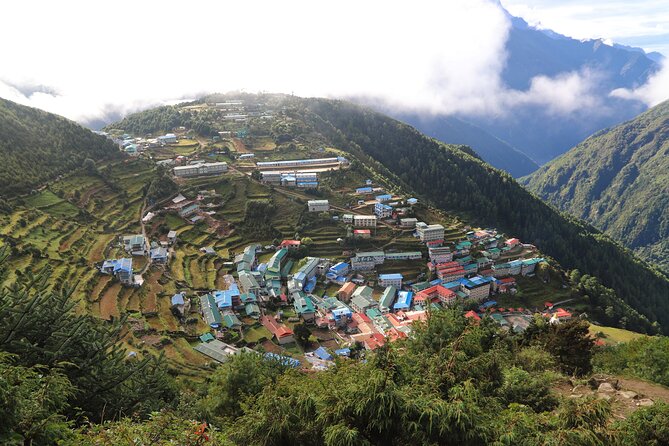
Also, Namche itself is no backwater. It’s described as modern and well equipped with hotels, restaurants, and tea houses. That means you can reset on real food and spend an evening planning tomorrow without feeling stranded.
Tengboche Village and Tengboche Gompa: Culture Meets Big Views
Once your acclimatization work is in place, the itinerary starts stacking the classic Khumbu experiences. Day 5 heads to Tengboche, and the route includes a descent into the Dudh Kosi Valley before you begin ascending again. You pass through or near Phungi Thanka, cross or pass alongside Imja Khola, and continue gaining elevation toward Tengboche.
This day can feel like a “trail workout,” not just sightseeing. The ups and downs are part of how the Khumbu terrain behaves, and that’s why it’s good that you’re not going into Tengboche as your first high push.
Day 6 adds one of the most memorable cultural moments of the trek: early exploration of Tengboche Gompa. You take your time in the morning after breakfast, then you descend toward the Imja River, trekking past Pangboche village.
If you care about Sherpa culture, this monastery stop is a highlight you don’t want to treat as a quick photo break. Early timing matters because it gives you a calmer, more deliberate visit before the day gets busy.
From Nangkartshang Peak to Dingboche: Keeping Altitude Smart
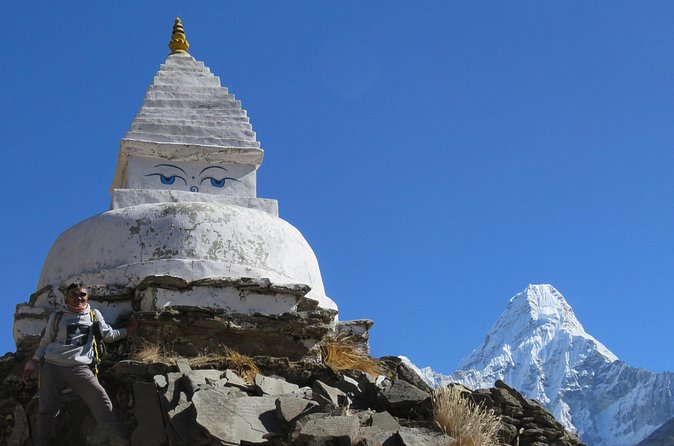
Day 7 is another acclimatization-focused day. The plan calls for a rest day after your first time in Namche, with a short outing described around Nangkartshang Peak. The point is clear: your body needs time to adjust as altitude increases.
Then day 8 is your move forward from Dingboche via more bare-field walking toward Dughla, following a glacial route. That phrase matters. It signals a transition from village life and forest-adjacent trails into harsher, higher country where the environment looks more exposed and the trail can feel more stark.
As you climb, you also get closer—day by day—to the Everest Base Camp zone. Even when you’re still a few villages away, the itinerary structure helps you mentally prepare. You’re not jumping from “comfortable trekking” to “basecamp” in one leap.




Everest Base Camp and Gorak Shep: The Day It Gets Serious
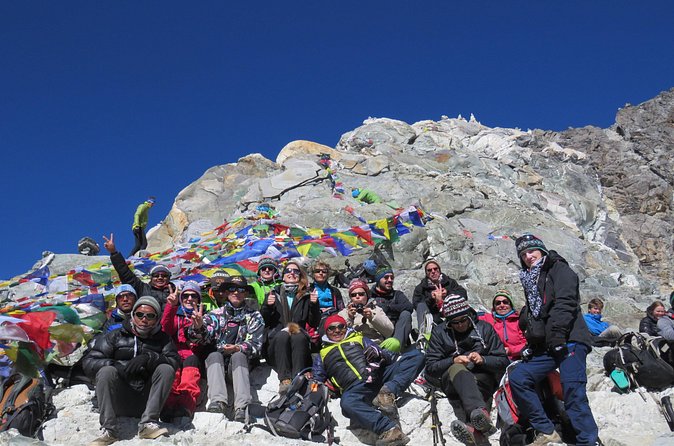
Day 9 is the day you finally reach Everest Base Camp. The walk today is described as a steep ascent from Lobuche along the Khumbu glacier route. You reach Gorak Shep, a place historically tied to older Everest Base Camp staging, then continue onward.
This is where your planning really pays off. By now you’ve already had the Namche acclimatization days and the later altitude buffer, which makes it more realistic to enjoy the experience at basecamp rather than just survive it.
Also, basecamp isn’t a “one-and-done” moment. It’s a place where you understand scale. The mountains are not just tall; they look massive, close, and relentless. And because the trek includes the glacier approach, you can feel the change in terrain and conditions as the day progresses.
Day 10 then becomes your second Everest day, but in a different way—less walking, more payoff.
Kala Patthar Before Sunrise: The Closest Everest View Moment
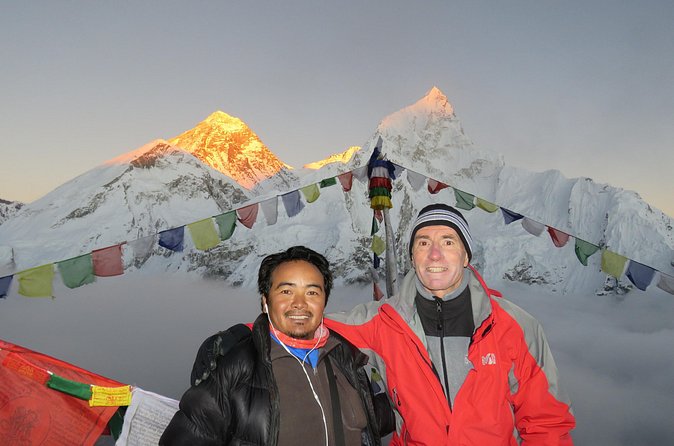
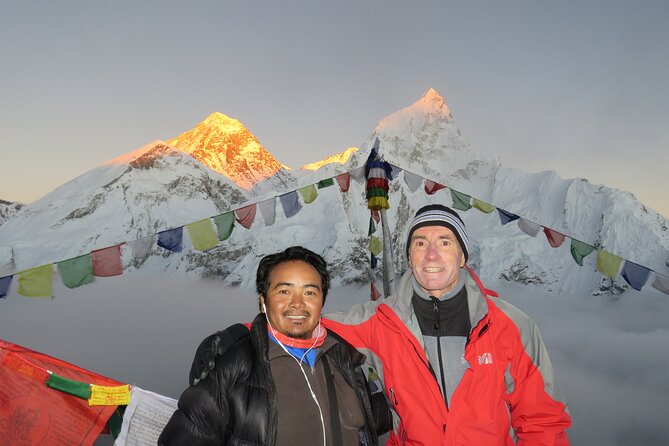
Day 10 is a pre-sunrise hike to Kala Patthar, positioned above Gorak Shep. It’s described as one of the most famous viewpoints for a mountain panorama, and the timing is the key.
Going before sunrise isn’t just romantic timing. It’s a practical attempt to catch the best possible clarity when light and sky conditions cooperate. You’re essentially choosing your “when” as carefully as your route.
This is also the moment where you’ll understand why this trek is done at all. Basecamp is the goal, but Kala Patthar is the scene.
After that, you’ll turn toward the long descent days.
The Return Down: Namche Again, With Suspension Bridges in the Mix
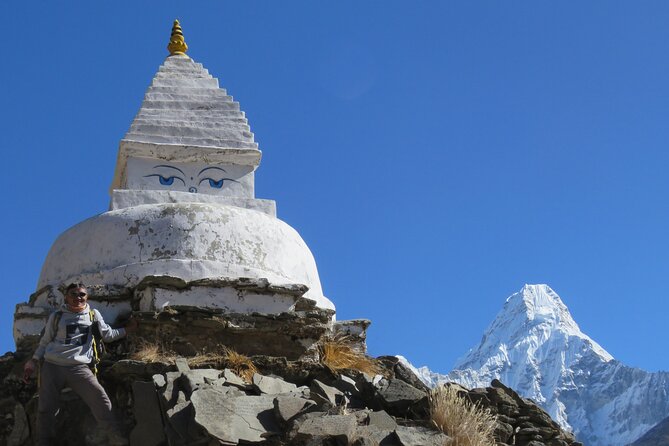
The itinerary doesn’t treat the return as a free-for-all. Day 11 brings you down to Namche again, hiking along earlier trails and passing through Pangboche and then Tengboche. You’ll cross a suspension bridge and continue into the area of Namche.
Then day 12 is about losing altitude efficiently but comfortably. You leave Namche Bazaar with a steep descent, then the trail joins a densely forested path through small settlements. You’ll cross the Dudh Koshi River multiple times on suspension bridges.
This is the tricky balance on the return: you want the legs moving and your breathing settling. But downhill can be tough on knees and energy. So I’d treat these days as still “working days,” not recovery days.
Fly Back to Kathmandu: The Sudden Feeling of Ground-Level Life
Day 13 is an early morning fly back to Kathmandu. The itinerary promises phenomenal aerial views on the way down, and that’s usually the emotional shift point from trekking brain to city brain.
Once you land, the team drops you at your hotel in Kathmandu so you can recover with normal rhythms—shower, real bed time, and no campsite logistics.
Day 14 is your departure day. The representative will drop you at the airport based on your flight departure time.
Price and Logistics: What $1,650 Covers (and What It Doesn’t)
At $1,650 per person for 14 days, this trek sits in the “serious adventure with real support” category. The value is in what’s included up front, especially if you’d otherwise have to coordinate permits, guides, and domestic logistics yourself.
Here’s what the tour includes:
- Permits
- Round-trip airfare Kathmandu–Lukla
- Two nights in Kathmandu with breakfast (tourist standard hotel)
- 11 nights in twin-sharing guesthouses during the trek
- Private transportation plus all airport transfers by tourist vehicle
- A government licensed, English-speaking trekking guide and first-aid training
- Porters (1 porter per 2 clients)
- Meals: breakfast for 14 days, plus lunch and dinner for 11 days (the exact days aren’t spelled out, but Kathmandu lunch/dinner isn’t included)
What’s not included (and you should plan money for):
- Meals (lunch and dinner) in Kathmandu
- International flight fare and departure tax
- Beverages, including bottled and boiled water
- Travel insurance, specifically with high-altitude emergency evacuation coverage
- Tips for trekking staff and the driver
So the “real cost” question is simple: if you’re already planning to buy insurance and you’re okay budgeting for water and Kathmandu meals, the price can feel straightforward. If you need to sort those items later, the trip can get more expensive than it looks at first glance.
Who Should Book This Everest Basecamp Trek—and Who Might Want Another Option
This plan suits you if:
- You can handle trekking with a moderate physical fitness baseline (that’s what the tour asks for)
- You want a guided trek where permits, domestic airfare, and porters are already arranged
- You like classic Everest routing with Namche acclimatization, Tengboche Gompa, Everest Base Camp, and Kala Patthar
It might not be the best fit if:
- You don’t have (or won’t buy) high-altitude emergency evacuation insurance
- You want a fully independent trekking approach (this is private tour format with included guiding and logistics)
- You’re expecting meals and drinks to be fully covered everywhere—Kathmandu lunch/dinner and beverages are not included
Should You Book Iconic Holiday Nepal’s Everest Basecamp Trek?
If your goal is the real Everest Base Camp experience with a structure that respects altitude, I think this is the kind of trek you’ll appreciate. The inclusion list is strong for first-time planning: guide + permits + Lukla flights + porters + guesthouse lodging, with breakfast daily and many meals handled.
My main advice is to treat the two big “risk” items seriously before you go: altitude safety (you’ll have acclimatization days, but you still need to follow the plan and pace) and insurance (not included, and high-altitude evacuation coverage matters here). If you’re ready for that, you’re likely setting yourself up for a memorable, well-run trek that feels genuinely Everest from start to finish.
FAQ
How long is the Everest Basecamp trek?
The trek is listed as 14 days (approx.).
Where does the tour start in Kathmandu?
The start point is Tribhuvan Airport in Kathmandu, Nepal.
What airport flights are included?
The tour includes round-trip airfare between Kathmandu and Lukla.
When do I fly to Lukla?
You fly to Lukla early in the morning on day 2. The departure airport may be Kathmandu or Manthali depending on flight status.
Is airport pickup and transport included in Kathmandu?
Yes. Private transportation and all international and domestic airport transfers on a tourist vehicle are included.
What trekking support do I get?
You’ll have an experienced, first-aid trained, government licensed, English-speaking trekking guide. Porters are provided for carrying luggage with a ratio of 1 porter for every 2 clients.
What lodging is included during the trek?
Twin-sharing guesthouse accommodation is included for 11 nights in the Everest region, plus 2 nights in a tourist standard hotel in Kathmandu with breakfast.
Are meals included?
Breakfast is included for 14 days. Lunch (11) and dinner (11) are included. Meals (lunch and dinner) in Kathmandu are not included.
What should I budget for that is not included?
Beverages (including bottled and boiled water), Kathmandu lunch/dinner, international flight fare and airport departure tax, and tips to trekking staff and the driver.
Is travel insurance included?
No. Travel insurance with high-altitude emergency evacuation coverage is not included.
What is the cancellation timeframe for a full refund?
You can cancel up to 24 hours in advance of the experience for a full refund.
If you want, tell me your walking experience level and your travel month, and I’ll help you judge whether this specific 14-day pacing looks like a good match for you.