REVIEW · KATHMANDU
Annapurna Circuit Trek
Book on Viator →Operated by White Hill Adventure Treks & Expedition Pvt. Ltd. · Bookable on Viator
Two weeks of mountain scenery, nonstop.
The Annapurna Circuit is one of those rare treks where the scenery keeps changing, from lower warmer fields up into cooler high country. I like that the plan is built for steady progress with tea house comfort and you don’t have to solve daily food logistics. I also like the way the operator includes the practical stuff—transport, permits, and a proper guide setup—so you can focus on walking and acclimatizing. One thing to consider: this is real altitude trekking, so you’ll need a moderate fitness base and patience on the steeper days.
What I liked most wasn’t just the views. The experience feels structured and safe, and the guide/porter support matters a lot on a route like this. The possible downside is simple: you’re carrying your own trekking gear since a porter isn’t included, and some day-walks run long enough that you’ll feel every extra kilogram.
In This Review
- Key Things I’d Not Skip
- First Morning: Getting Started on Annapurna Circuit Schedule
- Day 1: Bulbule to Nagdi, a Warm-Up That Still Feels Like Travel
- Day 2: Jagat (1,300m), Your First Proper Trek Day
- Day 3: Dharapani (1,860m), Climbing Without Jumping
- Day 4: Chame (2,670m), Where the Trail Starts to Look Serious
- Day 5: Pisang (3,230m), Bigger Numbers and More Exposure
- Day 6: Manang Village (3,450m), Gateway to the Acclimation Phase
- Day 7: Rest Day in Manang, Time to Recover and Re-set
- Day 8: Yak Kharka (4,110m), The Trek Starts Climbing Harder
- Day 9: Thorong High Camp (4,600m), Preparing for the Pass
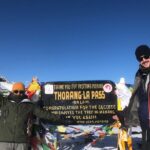
- Day 10: Thorong-La Pass (5,416m) to Muktinath (3,800m), The Big Day
- Day 11: Marpha via Jomsom, A Different Rhythm After the Pass
- Day 12: Lete (2,480m), Settling Into the Mid-Range
- Day 13: Tatopani (1,190m), Natural Hot Springs Day
- Day 14: Ghorepani (2,880m), Back Up Toward the Viewpoints
- Day 15: Poon Hill (3,210m) to Nayapul, Then Drive to Pokhara
- What’s Included Actually Matters More Than You Think
- The Stuff Not Included: Where Your Budget Can Surprise You
- Group Size, Private Tour Comfort, and Why That Can Be a Good Thing
- Trust Factor: What the Best Support Looks Like on the Trail
- Who This Annapurna Circuit Trek Suits Best
- Should You Book This Trek?
- FAQ
- What’s the meeting time for this trek?
- How long is the Annapurna Circuit trek?
- What’s included in the price?
- Are drinks like tea, coffee, and beer included?
- Is a porter included?
- Where will you stay during the trek?
- What kind of fitness level do I need?
- What happens if I cancel?
Key Things I’d Not Skip
- Tea houses + all trek meals included: breakfast, lunch, and dinner are covered each day on the trail.
- A real guide setup: guide food, salary, insurance, and trekking equipment are included.
- High pass day is long: Thorong-La crossing is a major effort day at 5,416m.
- One true rest day at Manang: you get a full day at Manang Village before pushing higher.
- Tatopani’s hot spring stop: a natural soak-based day break comes later in the trek.
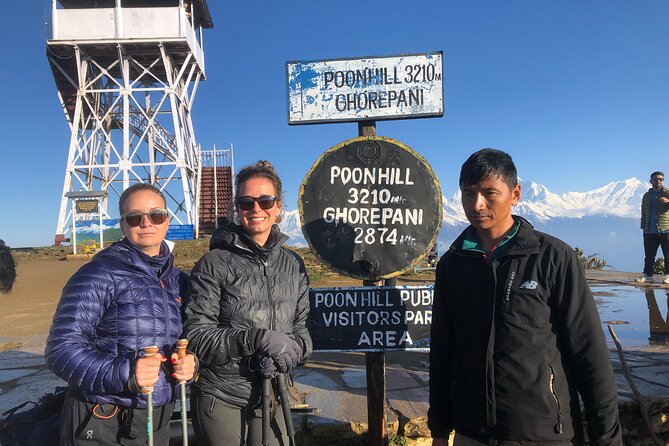
- Poon Hill viewpoint finish: you end with a classic high viewpoint before dropping toward Nayapul and Pokhara.
First Morning: Getting Started on Annapurna Circuit Schedule
You meet at 6:15 am, which immediately tells you how this trek is run: efficiently, and with enough time built in for the real hiking hours. It’s a good start for me because it keeps the day from dragging and it gives you a calmer rhythm when you’re fresh.
Transport is handled with bus for the needed travel, plus hotel pick-up and drop-off by taxi. That matters because Kathmandu traffic can be chaotic, and the trek itself doesn’t leave much margin for wasted time. You’ll also get a mobile ticket, which is one less thing to manage as you move around Nepal.
This is priced at $1,290 per person for the full multi-day experience, and that price becomes more sensible when you look at what’s included: meals during the trek, tea house accommodation, permits, and a guide. If you’ve ever tried to plan a trek day-by-day on your own, you’ll know how quickly that planning time and last-minute costs add up.
You can also read our reviews of more tours and experiences in Kathmandu.

Day 1: Bulbule to Nagdi, a Warm-Up That Still Feels Like Travel
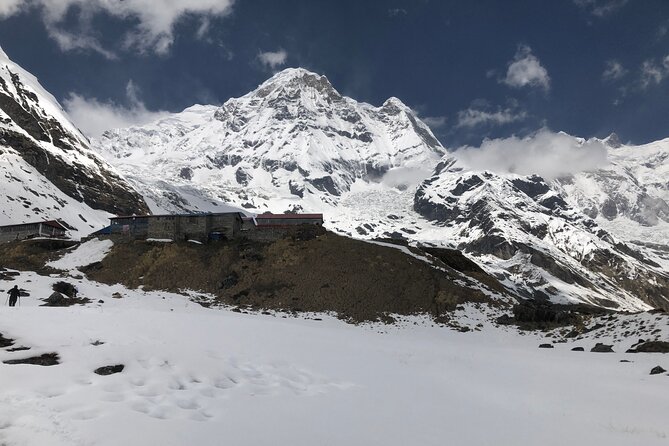
On day one, you drive to Bulbule (840m) and then walk to Nagdi (930m). The hiking portion is only about an hour, which is exactly what you want after a start-day transfer: your legs learn the rhythm without exhausting you.
The bigger value of this day is the transition. You’re already moving through Nepal’s very different elevations from the beginning, and even that small walk at the start helps you settle into the trek pace.
Practical tip: expect a lot of motion early—drive time plus a short hike—so pack snacks you can reach easily and keep water accessible.
Day 2: Jagat (1,300m), Your First Proper Trek Day
Day two walks you to Jagat (1,300m), with about 4 to 5 hours of trekking. This is where the trek starts to feel like a routine: walk, pause, walk again.
Jagat at this height is a first real step upward, and it’s also the start of the Annapurna Circuit feeling like a chain of villages rather than one big mountain line. You’ll likely see how the trail changes from lower sections to more Himalayan-style terrain.
Possible consideration: if you went into this expecting gentle strolls every day, Jagat can correct that assumption. This is still manageable, but it’s work.
Day 3: Dharapani (1,860m), Climbing Without Jumping
You trek from Jagat to Dharapani (1,860m) in about 4 to 5 hours. This day continues the climb at a reasonable pace, which is important because your body needs time to adjust.
Dharapani sits in a zone where you start to feel the “mountain” difference more clearly. Not necessarily extreme cold (that varies by season), but you’ll likely notice the air and the effort level changing as the day goes on.
The win here is balance: you get forward progress without a massive altitude jump.
Day 4: Chame (2,670m), Where the Trail Starts to Look Serious
Day four is to Chame (2,670m), about 5 hours. This is a meaningful elevation change, and Chame is one of the stops that makes the circuit feel legit. It’s also where many trekkers start paying attention to how they’re breathing, not just how fast they’re going.
Since accommodation is in tea houses on the trek, you can count on simple mountain lodging instead of planning camps. That’s a comfort boost, especially when you’re building stamina day after day.
Small reality check: higher days can be a little less forgiving of mistakes like going too fast early. Slow and steady usually wins.
Day 5: Pisang (3,230m), Bigger Numbers and More Exposure
Day five walks to Pisang (3,230m) in about 5 hours. That altitude is where you start feeling the difference even if you’re moving well. It’s also where the circuit really starts putting you into that high-mountain “everything feels larger” zone.
Because the trek is structured with tea houses and included meals, you’re not spending mental energy on route logistics. Use that time for the basics: hydrate, eat what you can, and don’t ignore fatigue.
Day 6: Manang Village (3,450m), Gateway to the Acclimation Phase
Day six takes you to Manang Village (3,450m) in about 5 hours. This is an important stop because it’s followed by a rest day.
Manang is where the trek becomes more about pacing and acclimatization than pushing your distance. You’re high enough now that you benefit from letting your body catch up before the big push toward Thorong-La.
I love routes that treat a rest day as a feature, not a delay. The circuit gives you that.
Day 7: Rest Day in Manang, Time to Recover and Re-set
On day seven, you take a rest day at Manang Village. The exact activities aren’t listed here, so treat it as a recovery window: loosen up, keep moving lightly if you feel good, and focus on sleep and hydration.
This rest day is one of the best design choices on the route. Instead of turning altitude into a straight-line climb, it gives you a buffer before Yak Kharka and Thorong High Camp.
If you’ve ever rushed altitude too quickly, you’ll understand why this matters.
Day 8: Yak Kharka (4,110m), The Trek Starts Climbing Harder
Day eight takes you to Yak Kharka (4,110m) in about 4 hours. The time is shorter than some earlier days, but the altitude makes it feel heavier.
This is a classic acclimation stage: you’re going up meaningfully, but you’re not doing it by stretching a 10-hour day. You gain elevation while still respecting recovery.
Practical tip: keep your effort smooth. Quick surges burn energy you’ll need later.
Day 9: Thorong High Camp (4,600m), Preparing for the Pass
Day nine goes to Thorong High Camp (4,600m) in about 4 hours. This is high country in real numbers. Your breathing rate, your energy level, and how you feel mentally can all change in this zone, even if you’re doing everything right.
This is also where the value of having a guide becomes clear. The route includes major altitude changes, and having someone handling the plan means you can focus on your body.
One consideration: bring mindset. This day is about positioning for the next day, not about conquering a record walk.
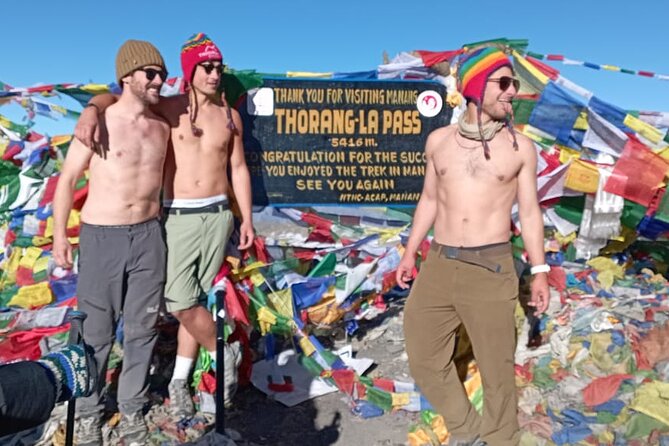
Day 10: Thorong-La Pass (5,416m) to Muktinath (3,800m), The Big Day
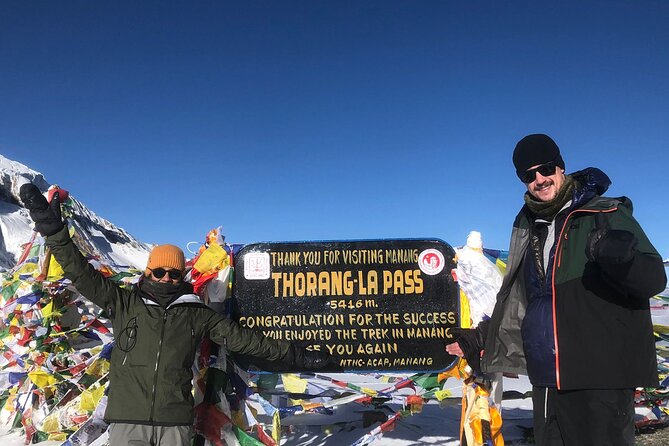
Day ten is the signature effort: crossing Thorong-La Pass (5,416m) to Muktinath (3,800m), about 7 hours. This is the day most people remember, mostly because it’s both physically demanding and mentally intense.
The climb to a high point and the descent afterward can make you feel different from hour to hour. If you tend to go out too fast when you see progress, watch that urge today.
Why this day is worth it: you’re crossing one of the route-defining passes, and your payoff is a major change in elevation that sets up the next segment of the trek. It’s not just drama; it’s a real route hinge.
Day 11: Marpha via Jomsom, A Different Rhythm After the Pass
Day eleven takes you to Marpha (2,670m) via Jomsom (2,715m) in about 6 hours. This is where you go from the pass zone toward lower elevations, and it can feel like the trek “turns a corner.”
Marpha is a welcome change after high camps. You’re still trekking, but the route is less about the highest numbers and more about moving through villages connected to the circuit.
Practical note: you’ll likely feel better here if you paced day ten. If day ten left you drained, take Marpha slowly.
Day 12: Lete (2,480m), Settling Into the Mid-Range
On day twelve you trek to Lete (2,480m) in about 6 hours. This isn’t a summit day; it’s a steady trail day that supports the final stretch.
I like these mid-range days because they’re easier to keep your energy consistent. You can enjoy the walking without constantly checking yourself for high-altitude strain.
Day 13: Tatopani (1,190m), Natural Hot Springs Day
Day thirteen brings you to Tatopani (1,190m), about 6 hours, and it includes the biggest perk of the lower portion: natural hot springs. After days of higher trekking, dropping to 1,190m and having a soak option can feel like a full-body reset.
Even if you don’t plan to spend a lot of time there, knowing the trek includes a hot spring stop makes this day a mental milestone. It’s also a good reminder that the circuit isn’t only about climbing—it’s about payoff.
Day 14: Ghorepani (2,880m), Back Up Toward the Viewpoints
Day fourteen takes you to Ghorepani (2,880m) in about 6 hours. You’re climbing again, though not to the pass level. This sets up the final viewpoint day.
Days like this are important if you’re a “views-first” trekker. Ghorepani is where you start anticipating the finish, and it gives your motivation a clear target.
Day 15: Poon Hill (3,210m) to Nayapul, Then Drive to Pokhara
Day fifteen starts with Poon Hill (3,210m) and then you trek to Nayapul (1,100m), followed by a drive to Pokhara (860m) for about 6 to 7 hours.
This is a long finale: a viewpoint stop plus a descent day plus a travel transfer day. It’s a fitting ending, because it turns the trek back into normal life—walking ends, vehicles begin, and you get to recover properly in Pokhara.
If you’re planning souvenirs, charging, and meals out after the trek, keep some energy for the post-trek window. And yes, it’s worth checking what’s available for things like battery charges, since those services aren’t included on the trek side.
What’s Included Actually Matters More Than You Think
The included package covers the big-ticket “hard to DIY” parts:
- Transport by bus, plus hotel pick up/drop by taxi
- All trek food (breakfast, lunch, dinner)
- Tea house accommodation throughout the trek
- An excellent guide (food, salary, insurance, and equipment are included)
- Mountain trekking permits
That’s why the price can make sense. You’re not only paying for scenery. You’re paying for daily execution: logistics, lodging choices, and a guide who supports meals and safety decisions.
The Stuff Not Included: Where Your Budget Can Surprise You
A few items aren’t included, and they can add up if you assume everything is covered in the mountains:
- Drinks like tea, coffee, beer, cola, plus mineral water
- Hot water and things like hot shower, plus Wi-Fi and battery charges
- Your trekking equipment
- Travel insurance
- Porter
This matters most if you’re the type who wants to travel light but still comfortable. With no porter included, plan to carry your own gear, even if you might feel tempted to offload just one bag.
Also, with phone charging not included, bring a plan for power and storage. That can be as simple as limiting what you use your device for.
Group Size, Private Tour Comfort, and Why That Can Be a Good Thing
This is described as a private tour/activity, meaning only your group participates. That can affect your experience in a good way: fewer waiting moments and more flexible pacing around the people you’re actually trekking with.
Start time is fixed at 6:15 am, so private doesn’t mean late starts. It means you’re not sharing the trip with random strangers.
Trust Factor: What the Best Support Looks Like on the Trail
One strong theme from the experience’s real-world feedback is trust and help that feels human. A standout note is about porter Rishi, who is described as helpful, friendly, and making trekkers feel safe. That kind of support can make a huge difference when you’re tired, when the trail feels long, or when you’re trying to keep your energy for the next day.
There’s also praise for the company being straightforward about prices and helpful from the beginning. I take that seriously because transparency reduces stress before the first footstep.
In short: the trek is difficult enough. You don’t need confusion on top of it.
Who This Annapurna Circuit Trek Suits Best
This fits best if you:
- have moderate physical fitness
- want a classic high-mountain trek with a clear structure and included meals
- like tea houses and don’t want the complexity of carrying full camping gear
- value a guide-led experience with permits handled for you
It might not be ideal if you:
- hate long travel transfers (day one begins with a drive; day fifteen ends with a long drive)
- expect every day to be short and easy
- don’t want to carry your own trekking gear since porter isn’t included
Should You Book This Trek?
If you’re aiming for a well-run Annapurna Circuit with meals, tea house lodging, guides, and permits handled, this is a strong option. The price becomes easier to swallow when you factor in what’s actually included, especially the all-day food plan and the guide support on the trail.
I’d book it if you want a straightforward, serious trek without the mental overhead of planning permits, daily food, and lodging. I’d think twice only if you know you’ll struggle with carrying your own gear or if altitude days feel intimidating even with a rest day built in.
FAQ
What’s the meeting time for this trek?
Start time is 6:15 am.
How long is the Annapurna Circuit trek?
It runs about 15 days, approximately.
What’s included in the price?
The package includes transport by bus, hotel pick up/drop by taxi, all food during the trek, tea house accommodation, a guide, and all mountain trekking permits.
Are drinks like tea, coffee, and beer included?
No. Tea, coffee, beer, cola, and mineral water are not included.
Is a porter included?
No. Porter service is not included.
Where will you stay during the trek?
You’ll stay in tea houses during the trek.
What kind of fitness level do I need?
You should have moderate physical fitness.
What happens if I cancel?
It is non-refundable and cannot be changed for any reason.