REVIEW · KATHMANDU
14 Days Everest Base Camp Trek
Book on Viator →Operated by Chamlang Expeditions · Bookable on Viator
Everest Base Camp starts with a flight. This 14-day Everest trek from Kathmandu to Lukla and onward to Base Camp is built for small-group comfort, with permits, guides, porters, and cultural stops through Sherpa villages. You’ll also get Buddhist sites and classic Khumbu views without having to manage the big logistics yourself.
I really like that the trek includes a personal porter (up to 15 kg), plus a high-altitude sleeping bag and emergency basics like oxygen and first-aid support. The main consideration is altitude reality: you’ll still be climbing day after day, and the Lukla flights can be weather-sensitive, so schedule flexibility matters.
In This Review
- Key things I’d plan around on this Everest Base Camp trek
- Kathmandu setup: the part you’ll be glad is handled
- Lukla to Phakding: the Khumbu kickoff and that first big view
- Namche Bazaar climb: Sherpa towns, prayer walls, and the first acclimatization lesson
- Tengboche Gompa and Dudh Koshi Valley: spiritual stops with serious mountain payoff
- Dingboche: the “Summer Valley” feeling and big views you earn
- Lobuche to Everest Base Camp: the big altitude day without mountaineering gear
- Kala Patthar and the descent to Pheriche: your best viewpoint day
- Back to Lukla: suspension bridges, Dudh Koshi, and that finish-line feeling
- Flights back to Kathmandu and the final airport transfer
- What’s included in the price: where your money actually goes
- The gear and health reality: supportive, but not magic
- Who this Everest Base Camp trek suits best
- Should you book this Everest Base Camp trek with Chamlang Expeditions?
- FAQ
- FAQ
- What city do I start in, and how do transfers work?
- Are the flights to Lukla included?
- Do I get a porter, and how much will they carry?
- What kind of guide support do you provide?
- What accommodations are included during the trek?
- Are meals included?
- Do I need a visa for Nepal?
- What if the trek can’t run due to poor weather?
Key things I’d plan around on this Everest Base Camp trek
- Small-group, all-in approach: guides, permits, most meals, and trekking support are handled for you
- Lukla flights are part of the experience: expect dramatic landings and weather dependence
- A real acclimatization pause in Namche: rest day with museum and photo spots helps you adjust
- Iconic day hikes: Kala Patthar for Everest viewpoints and Nangkartseng Hill for a wide panorama
- Lightening your load: porter service (15 kg) plus your gear plan reduces strain
- Emergency-minded planning: oxygen cylinder, emergency medicine, and a first-aid kit are included
Kathmandu setup: the part you’ll be glad is handled
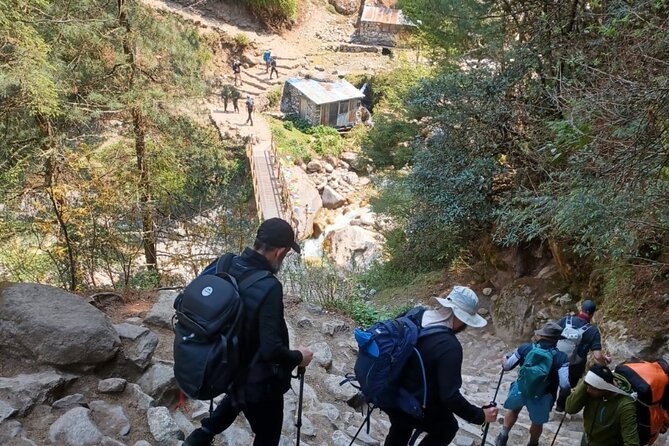
Your trek starts in Kathmandu, with an airport representative meeting you at Tribhuvan International Airport based on your flight details. Then you’re transferred by private vehicle to your hotel in the city, with triple- or double-sharing rooms for Day 1. This matters more than it sounds: after flights and jet lag, you want easy, clear pickup and no hunting for transport.
On Day 13, the plan repeats in the best way. After your final mountain flight back to Kathmandu, you’re met again and taken back to the starting hotel. If you want extra days, the area also makes it easy to tack on things like a jungle safari in Chitwan, rafting, shopping, or biking.
One practical tip: since water isn’t included, your first hours in Kathmandu are a good time to stock up on your preferred drinking plan. Carrying a clear system for water will make everything feel smoother once you’re trekking.
You can also read our reviews of more tours and experiences in Kathmandu.
Lukla to Phakding: the Khumbu kickoff and that first big view
Day 2 is where the Everest dream becomes real. You fly from Kathmandu to Lukla, and that flight is described as a mountain flight for a reason. It’s short, dramatic, and totally unlike typical hops. Once you land, you trek toward Cheplung village, where you can see Mt. Khumbila, then continue to Phakding for your overnight stay in a guesthouse.
Phakding is a smart first stop because it keeps the early pace manageable while still dropping you into the Khumbu rhythm. You’re not “done” with altitude, but you’re not forcing a huge climb immediately either. This makes it easier to settle in, test your boots, and figure out how your body is handling the air.
Also, you’ll start seeing the mix of cultures you came for—prayer walls, suspension bridges, and the Sherpa way of life. It’s not just scenery; it’s daily life working its way into the trail.
Namche Bazaar climb: Sherpa towns, prayer walls, and the first acclimatization lesson
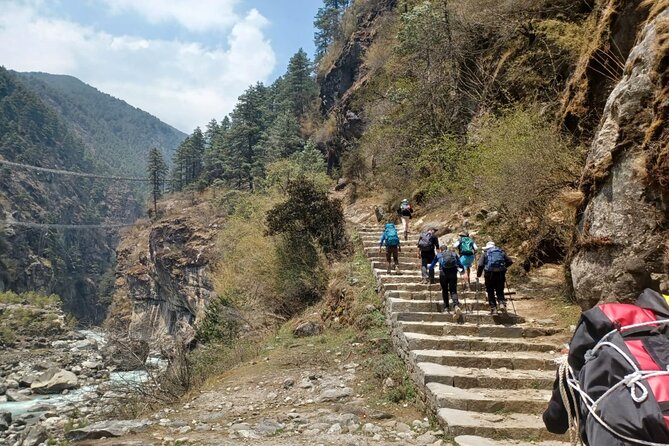
By Day 3, you’re heading deeper into the Sagarmatha National Park area and toward Namche Bazaar, the main Sherpa hub. The route passes older mani stone walls carved with prayers, and you’ll cross multiple suspension bridges. Those bridges are more than set dressing. They’re a reminder that this trek is a system—trail, river crossings, and villages linked together.
You’ll also climb through alpine forests of pine and cedar. Expect the effort to build, because Day 3 is a strenuous climb up in elevation. When you arrive, the reward is a town that feels like a working center rather than a tourist postcard.
Day 4 is a rest day in Namche, and that’s one of the biggest quality choices in the whole plan. A rest day here reduces the odds of getting hit hard by altitude and helps you move into the next section with more confidence. You’ll use the time for a short sightseeing loop around Syangboche Airport (about 3,700 m) and visit the Everest Photo Gallery and the Sherpa Culture Museum. It’s a good way to slow down without feeling like you’re wasting time.
If you’re worried about vertigo or how your body handles heights, this pause is exactly the kind of built-in buffer you want. Take it seriously: drink fluids, eat what you can, and keep your pace steady.
Tengboche Gompa and Dudh Koshi Valley: spiritual stops with serious mountain payoff
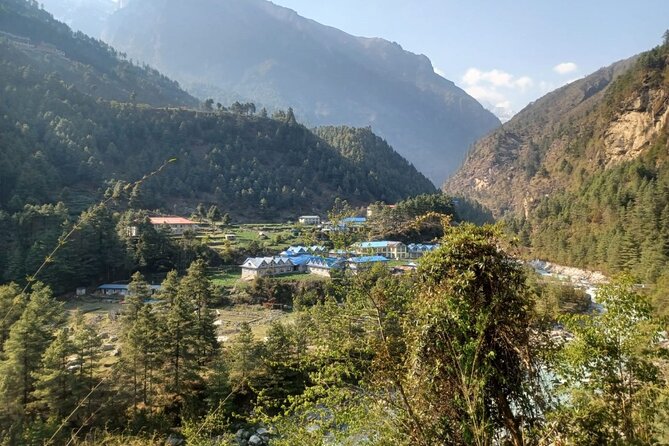
Day 5 brings you to Tengboche, including a visit to Tengboche Monastery at around 3,860 m. The monastery sits in a dramatic setting, framed by big peaks like Mt. Everest and Mt. Ama Dablam. This is one of those stops where you get both quiet Buddhist culture and a clear sense of why Khumbu travelers trek.
The day also includes time in the Dudh-Koshi valley at Phungki-Thanka before continuing to Tengboche. That mix helps break up the long grind: you’re not only ascending; you’re also seeing how the valley and settlements relate to the trail.
A small note for your expectations: monastery visits often mean altitude air, cool temperatures, and limited comfort. Dress warmly even if the sun looks friendly.
Dingboche: the “Summer Valley” feeling and big views you earn
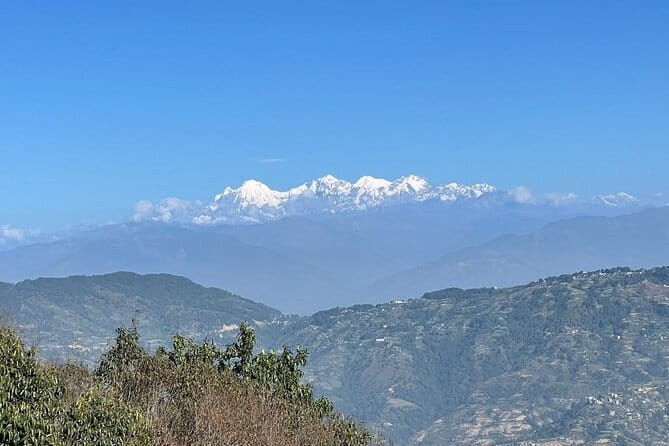
On Day 6, you head toward Pangboche and then reach Dingboche, described as the summer valley. The route goes via the Imja Khola and passes many mani stones along the way. As you walk higher, the views sharpen—Lhotse, Ama Dablam, and even Island Peak can show up depending on conditions.
The real draw on Day 7 is the hike to Nangkartseng Hill. You’ll be going for panoramic viewpoints over a lineup of high peaks like Lobuche East, Lobuche West, Kangtega, Taboche Peak, and Thamserku, plus Ama Dablam. If weather is favorable, Makalu can appear too. This is the kind of day where a good pace matters: you want enough energy left to enjoy the views, not just suffer through them.
After the hike, you’ll have time to relax and take advantage of the sun. That “small luxury” is useful at this stage, when the air is thinner and every stop feels like a mini recovery.
Lobuche to Everest Base Camp: the big altitude day without mountaineering gear
Day 8 moves from Dingboche to Lobuche. The trek crosses a small lunch town called Thukla and heads down toward the Khumbu Glacier. This is a turning point: the glacier zone is where the trail starts to feel very close to the main event. You’ll see mountains like Nuptse and Pumori, plus colorful prayer flags around chortens and mani stones.
Then Day 9 is the hardest headline day: the walk along the Khumbu Glacier up to Everest Base Camp at 5,365 m, the closest you can get to Everest without mountaineering equipment. You can expect expedition teams in spring, which adds energy to the scene. Base Camp itself is also about context: icefall views and the sheer scale of the expedition world you usually only see on TV.
The plan includes returning to Gorak Shep for the night. That matters because Gorak Shep is high, and you’ll feel it. If you’re prone to headaches or nausea, focus on slow breathing, steady eating, and not rushing your recovery.
One reality check: this section is where weather can change quickly. Keep your layers handy and avoid gambling on being comfortable.
Kala Patthar and the descent to Pheriche: your best viewpoint day
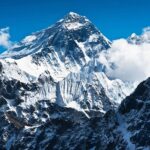
Day 10 is Kala Patthar, and it’s often the day people talk about afterward. You’ll hike up for the central spot views of Everest plus Nuptse, Chagatse, Lhotse, and Pumori. The day is structured to help you go for the big viewpoint and then come down to Pheriche afterward.
The descent to Pheriche (about 4,210 m) gives you a much-needed altitude relief moment. You’re still in the high country, but it’s lower and often easier to breathe and sleep. This day’s mix is smart: you get the iconic view while still ending with a recovery-friendly position.
Day 11 continues the downhill flow toward Namche Bazaar. You’ll hike descending to Pangboche, then back via Phungki Thanka along the Imja River and the Kyangjuma route. It’s a long day, but it’s also a chance to see how the Khumbu trail feels when you’re not pushing higher.
Back to Lukla: suspension bridges, Dudh Koshi, and that finish-line feeling
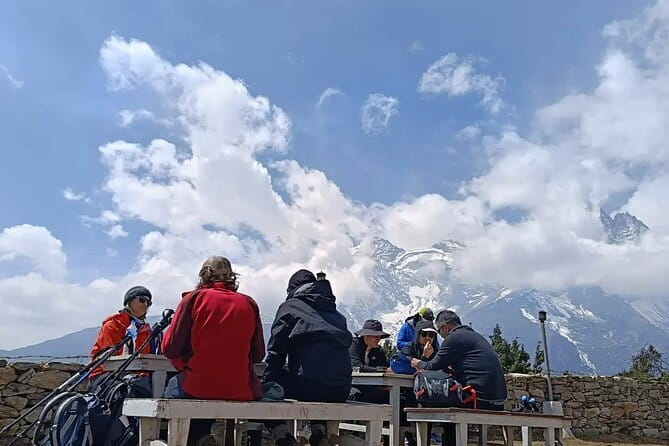
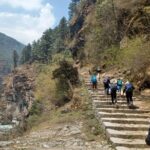
Day 12 leads to Lukla for your final trekking day. The route includes steps and suspension bridges above the Dudh Koshi. After days of high passes and big climbs, this feels more like a steady moving rhythm. You’ll also see views back toward rhododendron forests and snowy peaks, with a calmer mental feel.
The plan includes an on-trip celebration for completing the trek. It can be simple, but it’s a useful psychological milestone. Reaching Lukla means you’ve done the full loop of high-altitude effort and returned safely to the start of the flight logistics.
Flights back to Kathmandu and the final airport transfer
Day 13 includes the scenic flight back to Kathmandu, around 35 minutes. The goal here is simple: get you down from the high-elevation world and back into city life without extra hassles. You’ll be dropped at your booked hotel, and then transferred back to the starting hotel.
Day 14 finishes with the airport drop to Tribhuvan International Airport for your departure. This wrap-up is underrated. After a trek, you want one last handoff that doesn’t require you to figure out transport while tired.
What’s included in the price: where your money actually goes
At $1,499 per person for a 14-day Everest Base Camp trek, the value is mostly in the things that cost time and planning. You get:
- airport/hotel transfers in private vehicle
- Kathmandu hotel nights (Day 1 and Day 13) on triple/double sharing
- teahouse accommodation from Day 2 to Day 12
- return flights Kathmandu ↔ Lukla
- English-speaking local guide (plus an additional assistant guide for larger groups)
- a personal porter carrying up to 15 kg
- TIMS card and the trekking permit coverage
- most meals during the trek, with breakfast listed as included
- a high-altitude sub-zero sleeping bag (cleaned hygienically)
- oxygen cylinder, emergency medicine, and a first-aid kit
The big theme is risk reduction. Porters and guides help you manage the pace and route. The included emergency basics help you plan for the worst without paying extra on the spot.
What’s not included is equally important for budgeting:
- water or any drinks
- Nepal entry visa (listed as $40, and not needed for Indian citizens)
- medical and evacuation expenses in unforeseen circumstances
- your own travel insurance
- personal expenses
My practical advice: treat this as a trek package, not a complete life support bundle. Bring your own travel insurance, and plan your water spending from day one.
The gear and health reality: supportive, but not magic
Your trip includes a sub-zero sleeping bag for high-altitude nights, cleaned hygienically. It also includes oxygen and emergency supplies. That doesn’t mean you can ignore altitude. It means you’re not going in blind on the basics.
The best thing you can do is match the tour’s fitness expectation. The data is clear: you should have strong physical fitness. If you’re coming from a sedentary routine, you’ll want a conditioning plan before you go—especially for days like the glacier push and the Kala Patthar climb.
Also, remember that the plan includes a built-in rest day in Namche for altitude adjustment. Use it well. Don’t treat it like a sightseeing free-for-all if your body is warning you.
Who this Everest Base Camp trek suits best
This plan fits people who want the classic Everest Base Camp route with structured support. It’s especially good if you care about:
- having an English-speaking local guide and porter service (up to 15 kg)
- staying in teahouses for an authentic trail feel
- tackling key hikes like Kala Patthar and Nangkartseng Hill
- taking an acclimatization rest day seriously in Namche Bazaar
If you’re a confident trekker who wants total independence, this type of package may feel too managed. But if you’d rather spend energy on breathing and walking—rather than permits and logistics—this is a strong fit.
Should you book this Everest Base Camp trek with Chamlang Expeditions?
I’d say yes if you want an organized Everest Base Camp journey that’s built around practical support: guides, porters, permits, and the big transport pieces covered. The fact that oxygen and emergency supplies are included is also a comfort point at this altitude.
I’d hesitate if you know you’re sensitive to altitude, you’re not ready for strenuous days, or you can’t be flexible with weather-related flight timing. That’s not a dealbreaker for most people. It’s just the cost of doing Everest the real way.
If you do book, your best move is to treat Namche’s rest day and the climb-to-viewpoint days with respect. Walk smart, eat consistently, and keep your layers ready. That’s how you turn a tough mountain trek into the kind of achievement that stays with you.
FAQ
FAQ
What city do I start in, and how do transfers work?
You start in Kathmandu. You’ll be met at Tribhuvan International Airport and transferred by private vehicle to your hotel in Kathmandu.
Are the flights to Lukla included?
Yes. The package includes a return flight from Kathmandu to Lukla and back.
Do I get a porter, and how much will they carry?
Yes. You’ll have a personal porter who carries up to 15 kg per person.
What kind of guide support do you provide?
You’ll have an English-speaking local guide. For larger groups, an additional assistant guide may be added.
What accommodations are included during the trek?
You’ll stay in triple- or double-sharing hotel accommodation in Kathmandu for Day 1 and Day 13, and teahouse accommodation from Day 2 to Day 12.
Are meals included?
Breakfast is listed as included (14), and lunch and dinner are listed as included during the trekking days.
Do I need a visa for Nepal?
A Nepal entry visa is listed at $40 for foreign trekkers. It is not needed for Indian citizens.
What if the trek can’t run due to poor weather?
If it’s canceled due to poor weather, you’ll be offered a different date or a full refund. The trek also has free cancellation up to 24 hours in advance for a full refund.