REVIEW · KATHMANDU
Manaslu Trek with Larke Pass
Book on Viator →Operated by himalayan sanctuary adventure private limited · Bookable on Viator
Manaslu feels like altitude with a plot twist. This trek follows the Budigandaki/Buri Gandaki upstream from sub-tropical forest into drier, colder high-country Tibet zones, with serious mountain payoff from views of Manaslu (8,163m) and the border peaks toward Tibet. I like the fact you’re not left to sort permits alone, since the route is restricted and needs a licensed setup. I also like how the itinerary builds in acclimatization time, especially the rest day at Samagaon before you push toward Larkya La. A practical drawback: you’ll spend long hours on overland drives early on, and the high-altitude days are still physically demanding even with support.
What really makes this experience click is how many different worlds you pass through in one trip: Buddhist villages with Mani stones and Chortens, hot springs at Tatopani, then alpine pastures around Samdo. You also get a smooth Kathmandu on-ramp with major sights (Pashupatinath, Boudhanath, Patan Durbar Square, and Swayambhunath) so you’re not scrambling before the trekking rhythm starts. The teahouse/lodge style keeps things grounded, not flashy, and you get full meals while you’re on the trail. One more consideration: evenings and nights at higher camps get cold fast, and at around 4,500m you can face serious winter-type conditions.
In This Review
- Key highlights I’d plan around
- A Manaslu Trek Where the Scenery Actually Changes
- Restricted-Route Reality: Permits and a Licensed Guide Matter
- Kathmandu Setup: Temples + Buffer Time Before You Climb
- Getting to the Trail: Aarughat to Machhekhola Takes Time
- From Hot Springs to Fish Stream Villages (Tatopani, Doban, Jagat)
- The “Tibetan Shift”: Mani Stones, Higher Pastures, Namrung
- Samagaon Rest Day: Acclimatization That Actually Helps
- Samdo and the Border Atmosphere: Big Views, No Crossing
- Larkya La Pass Day: 5135m, Sunrise Chances, and Icy Lakes
- After the Pass: Bimthang to Tilje and the Apple Orchard Moment
- Tilje to Dharapani: Meeting the Annapurna Trek Thread
- Price and Logistics: What $1,797 Buys You Here
- Who Should Book This Trek (and Who Should Rethink It)
- Should You Book This Manaslu Larke Pass Trek?
- FAQ
- Is airport pickup and drop included?
- Do I need a guide for the Manaslu trek?
- What is the highest point on this trek?
- How long is the trek?
- Where do the sightseeing days fit in?
- What kind of accommodations do you use on the trek?
- Are meals included while trekking?
- Is travel insurance included in the price?
Key highlights I’d plan around
- Restricted-region permits and a licensed guide included, so you can focus on walking instead of paperwork
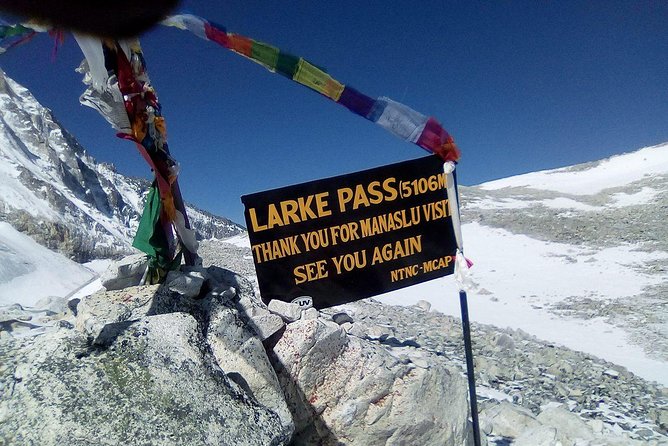
- Larke La (5135m) scheduled after acclimatization, not as a random jump
- Buri Gandaki valley “character change” from forested river trekking to Tibetan steppe feel
- Meals and lodging handled on trek (breakfast, lunch, dinner; tea house or lodge)
- Support that’s organized under pressure, including a reported quick overnight fix by Bishbu Bhatta when timing got tight
- Real cultural signals like Mani walls, monasteries, and Tibetan refugee presence at Samdo
A Manaslu Trek Where the Scenery Actually Changes
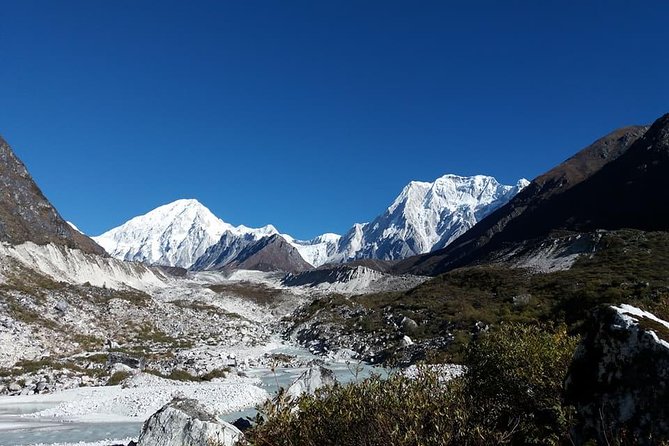
This is not just a “walk with views” trek. The Manaslu region changes climate and vegetation as you move upstream—starting in lower, greener zones and gradually shifting toward drier, colder terrain that feels more like the high Tibetan side of the Himalaya. You’ll see why Manaslu is described as a unique trek line: it links river valleys, steep gorges, and high passes all in one itinerary.
The high point is Larkya/Larkya La at about 5135m, and the pass day is the obvious star. But the earlier days matter too because you’re not just chasing a summit photo; you’re building toward it. By the time you’re in the Manaslu North view zone near Namrung and onward, the mountains start showing up in your daily life, not only at the end.
You can also read our reviews of more tours and experiences in Kathmandu.



Restricted-Route Reality: Permits and a Licensed Guide Matter
Manaslu is a restricted area, and the trek is not set up for independent travel the way some easier routes are. That’s a big reason to book a guided package: you need the correct permissions from Nepal, plus a licensed guide. The trek also includes items like TIMS and national park fees, plus the special permit requirements, handled in your package.
For you, the upside is straightforward: fewer logistics headaches and fewer last-minute “can we go?” moments. For your trip planning, the main consideration is mental: you’re committing to a structured route and guide-led pace, not a freeform itinerary you can tweak daily.
It also means you’ll likely see permit checks along the way (the itinerary notes checks around Namrung). So yes, it’s more official. That official structure is part of why the experience feels smooth rather than chaotic.
Kathmandu Setup: Temples + Buffer Time Before You Climb
Your first days in Kathmandu are built like a buffer zone. After arrival, you’re met at Tribhuvan International Airport and driven to Thamel. Then you get a full sightseeing day by private vehicle, hitting key spiritual landmarks: Pashupatinath Temple, Boudhnath Stupa, Patan Darbar Square, and Swayambhunath Stupa (described here as more than 2,000 years old).
I like this approach because it gives you context fast: you understand the culture before the mountains start demanding all your attention. And it also gives you time to prep for trekking—gear checks, settling into rhythm, and making sure you’re physically ready for the long drive days.
Meals in Kathmandu are not included, so you’ll want to plan for restaurant time. Entrance fees for sightseeing aren’t included either, so factor in those costs if you care about museum-style paid stops.
Getting to the Trail: Aarughat to Machhekhola Takes Time
The adventure starts with a long overland push. After breakfast in Kathmandu, the trip drives toward Aarughat and Aarkhet Bazaar, with an overnight stop near there. Then trekking begins from the river corridor, with a first leg to Machhekhola.
This early phase is where your endurance gets tested in a different way. You’ll do long hours in a vehicle, then start walking in valley terrain that includes climbs and descents. If you’re prone to motion sickness or you hate “travel day fatigue,” this is the part to take seriously.
The reward is that once you’re on the Buri Gandaki river path, the trek becomes scenic and purposeful. Day after day, your effort turns into real geography: villages, river crossings, gorges, and riverbank trails.
From Hot Springs to Fish Stream Villages (Tatopani, Doban, Jagat)
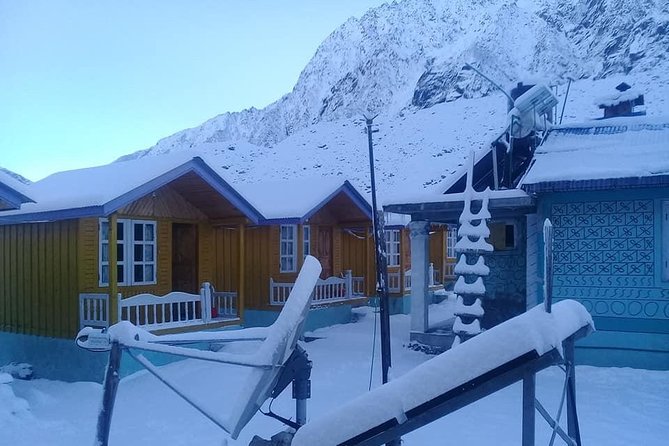
After Machhekhola, you follow the Budigandaki/Buri Gandaki upstream, with a mix of climbs and river-level walking. One highlight in this mid-early section is the hot springs at Tatopani. It’s a practical bonus: you’re building up leg fatigue, so even a brief warm soak can make later days feel less punishing.
The route stays active—there are suspension bridges, steep exposed sections in places, and you keep re-crossing the river to avoid difficult sides. You reach Doban area and then continue up to Jagat (around 1360m). The trek description here emphasizes the river changing texture: rapids above Doban, then calmer meanders later. That shift is something you feel while walking.
If you dislike crossing bridges or trekking on exposed trail, this is where you should mentally prepare. You’re not doing technical climbing, but the terrain can still feel exposed.




The “Tibetan Shift”: Mani Stones, Higher Pastures, Namrung
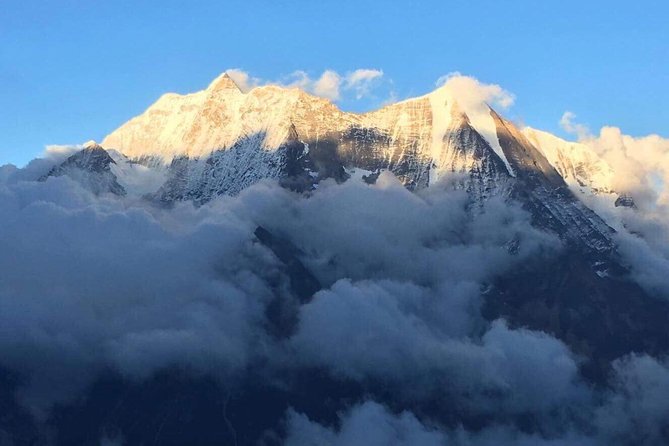
Around the Deng to Bagarchhap stretch, you start seeing more high-country Buddhist markers—Mani stones and the sense that you’re entering Tibetan Buddhist regions. The itinerary also notes multiple river crossings in this general zone. That keeps you moving, but it also means more “small work” each day: step, balance, change footing, repeat.
By the time you reach Namrung (about 2550m), you’re in a warmer-then-cooler transition zone where mountain views start becoming a daily event. Pastures open up above Namrung, and the trek gains a more alpine feeling. The area around Namrung is also where the permits are checked in the itinerary, which is a reminder that this route is run as a restricted circuit.
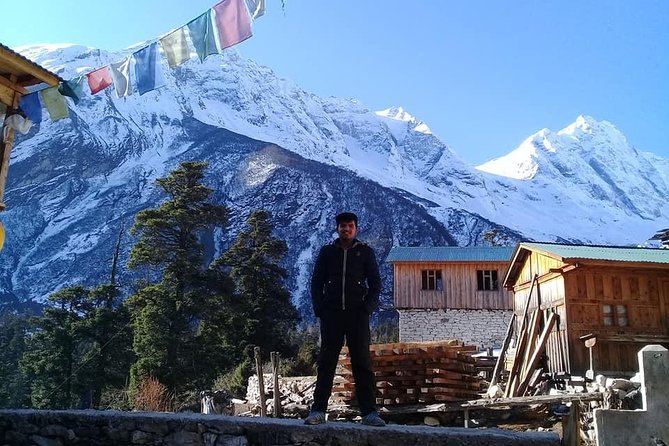
This is also where cultural details matter more than you might expect. Tibetan village life, pastures, and monasteries aren’t background. They’re part of why Manaslu feels distinct from many other Nepal treks.
Samagaon Rest Day: Acclimatization That Actually Helps
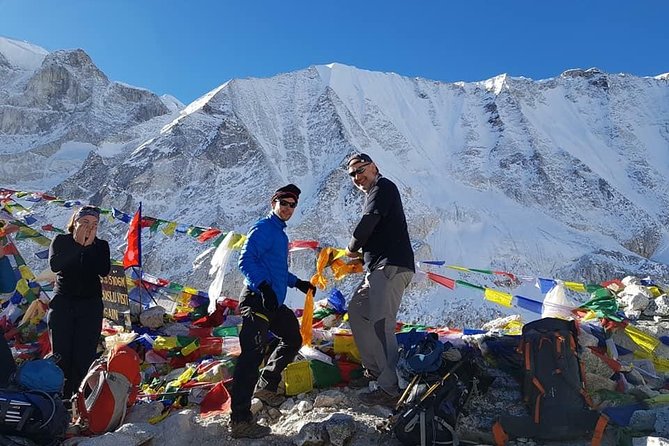
The trip gives you a rest day in Samagaon, which is one of the smartest parts of the itinerary. It’s not just “sit there.” You use the day to acclimatize while staying in a mountain-framed setting. From here you can hike toward Manaslu Base Camp for views that include Samdo (Pang phuchuli), Nagdi chuli, Simnang Himal, and the Manaslu glacier/icefall area.
I like this stop because it makes your later pass attempt more realistic. You’re letting your body adjust before you head higher. Even if you don’t do the full base camp hike, the point is that you’re giving altitude time to catch up with your plans.
One practical note: the itinerary describes your broader trek as “tea house or lodge” style with full meals on trek. In Samagaon, that likely means you can recover with decent food and a warm(er) indoor break compared with the higher, windier camps.
Samdo and the Border Atmosphere: Big Views, No Crossing
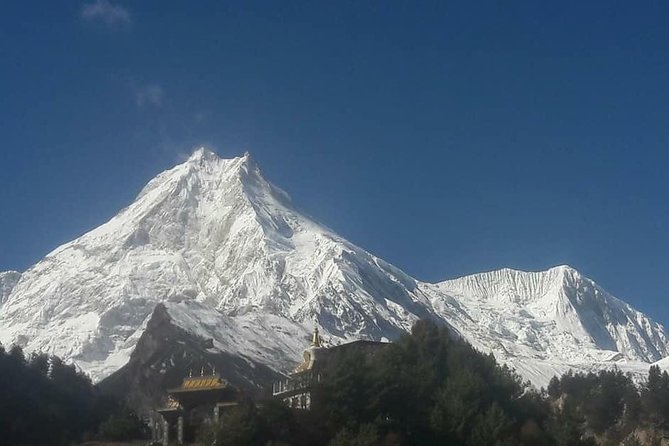
Moving from Samagaon toward Samdo (about 3690m), the trail becomes more desert-like in feel, described here as a desert path and windy valley. Samdo is close to the Tibetan border—only about four kilometers in the trek description—but visitors are not allowed to pass the border.
That’s not a minor detail. It shapes the mood of the place. The itinerary also notes a Tibetan refugee village at Samdo, and you’ll likely feel the blend of everyday life and high-mountain remoteness.
Samdo is one of the best places for the view payoff before Larkya La day. You’re positioned for expansive looks at Manaslu, Samdo’s Pang phuchuli, Nagdi chuli, Simnang Himal, and the glacier/icefall region. If you’re the type who plans your hikes around photography windows, this is where you’ll want your eyes wide open.
Larkya La Pass Day: 5135m, Sunrise Chances, and Icy Lakes
This is the day that turns your “trail trek” into a high-mountain event. You leave Larkya Phedi (about 4460m) and push up toward Larkya La (5135m) on a rocky, zigzagging, windy route. The itinerary notes that you carry a packed lunch.
From the top, the view described here includes Larkya peak, plus sunrise chances at Manaslu, along with Ratna chuli, Cheo Himal, and many other snow-capped peaks. Then you switch gears: a steep downhill into Bimthang (around 3590m), including icy lakes on the way.
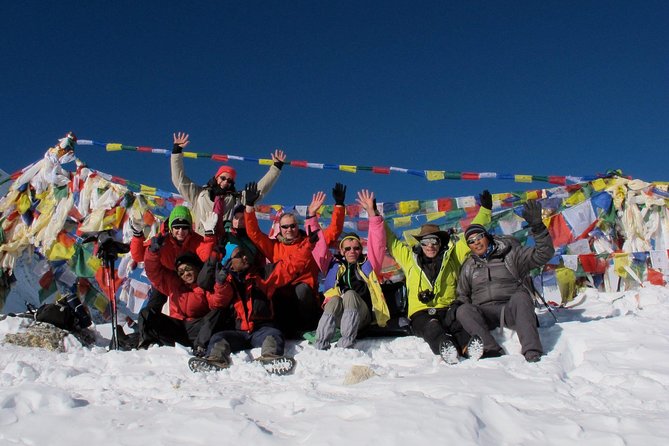
This is also where cold can be extreme. One past trek experience described sleeping in a tent at about 4,500m with temperatures around -20°C. Even if your weather is milder, you should pack and plan for real winter conditions at elevation.
After the Pass: Bimthang to Tilje and the Apple Orchard Moment
After Larkya La, the itinerary continues with a big physical rhythm: from Bimthang you descend toward Tillje (about 2360m). The description highlights a ridge viewpoint around 4150m, with excellent views of Manaslu to the southeast and Annapurna II to the southwest.
Then the trail shifts into rhododendron forest and narrower valley walking. You move down to Karche (about 2785m) and keep going until you reach Tilje, which is described with an apple orchard that’s known for local wine.
For you, this is a welcome change: the pass day is about effort and exposure, while this stretch is more about legs calming down. You still feel altitude, but your route becomes more “living landscape,” with orchards and forest cover replacing the bare high-pass feel.
Tilje to Dharapani: Meeting the Annapurna Trek Thread
From Tilje you head to Dharapani, crossing a bridge over the Marshyangdi River and spending the night there. Then the trek proceeds onward toward Besisahar, using walking plus jeep/bus segments. The itinerary notes you walk down until Syange, then take jeep/bus to Besi Sahar.
This is an important transition point. The Manaslu Larke Pass trek eventually meets the trail thread of the Annapurna Circuit, so the vibe starts changing—less remote-feeling valley life and more typical trekking-corridor travel.
Still, your last trekking day isn’t automatically easy. Descents can be tough on knees, and after a long pass day, you want trekking poles and good foot discipline.
Price and Logistics: What $1,797 Buys You Here
At about $1,797 per person for an approximately 18-day program, this isn’t a bargain trekking deal. It is, however, a structured one designed for a restricted region. You’re paying for the “hard parts” you don’t want to manage yourself: permits and national park requirements, plus guide and porter support (noted as 1 porter for every 2 trekkers).
The package also includes:
- airport pickup/drop
- 3-star hotel with breakfast in Kathmandu
- sightseeing by private vehicle in Kathmandu
- tea house/lodge accommodation during the trek
- full meals during trekking (breakfast, lunch, dinner)
- first-aid kits
- required transportation included in the route
What’s not included is equally important for your budget. City meals are not included, personal expenses are extra (laundry, hot/cold water, tea/coffee), and travel insurance is essential but not included. Nepal visa fees and sightseeing entrance fees can also add cost. And tips for staff are not included.
If you compare this to a “cheaper” self-arranged version, the difference is usually in risk and complexity. On Manaslu, the permit-and-guide requirement is the key reason a higher-priced guided plan can still feel like value.
Who Should Book This Trek (and Who Should Rethink It)
This trek suits you best if you want a classic Himalayan circuit feel but with real structure: permits handled, guide-led pacing, and acclimatization built in. It’s also a good fit if you enjoy cultural contrasts—Buddhist sites in Kathmandu, then Mani walls and Tibetan-influenced villages as altitude rises.
It might be tougher if you dislike:
- long drive days at the start
- river crossings and exposed sections at lower elevations
- cold, especially around higher camps
- committing to a fixed route in a restricted region
One more thing I like here is that the trek is set up with real support. In past experiences, people praised both organization and safety help. One story highlighted Bishbu Bhatta organizing everything overnight during an urgent situation at a reasonable cost. Another praised the trekking team, including a guide named Karma, plus strong porter support.
That kind of operational competence matters most when you’re tired, weather shifts, or plans need quick adjustments.
Should You Book This Manaslu Larke Pass Trek?
If your goal is a route that feels genuinely different—forest-to-Tibet-zone transition, Larkya La’s big pass moment, and a trek run by people who handle the restricted-area rules—then yes, this is a smart pick. I’d book it if you want structure, good logistics, and full trekking meals and lodging so your energy goes into walking.
I’d hesitate if you’re looking for a casual stroll, you don’t handle cold well at altitude, or you’re trying to keep costs ultra-low by skipping insurance and planning extra costs (visa, entrances, city meals). The trek requires good weather, and if weather forces changes, you’ll need flexibility.
If you fit the trek profile, this is the kind of journey that turns the Himalaya into more than scenery. It becomes a timeline: river valley life, Tibetan cultural markers, a high pass day, then a forested descent back into Nepal’s trekking rhythm.
FAQ
Is airport pickup and drop included?
Yes. The package includes airport pickup and drop in Kathmandu.
Do I need a guide for the Manaslu trek?
Yes. Manaslu is a restricted-region trek and requires a licensed guide, plus trekking permits issued through the proper channels.
What is the highest point on this trek?
The highest point is Larkya La (also written Larke Pass/Larkya La), at about 5135m.
How long is the trek?
The program runs for about 18 days.
Where do the sightseeing days fit in?
After arrival in Kathmandu, there’s a full day of sightseeing in Kathmandu with a private vehicle and visits including Pashupatinath, Boudhnath, Patan Durbar Square, and Swayambhunath.
What kind of accommodations do you use on the trek?
During the trek you stay in tea houses or lodges, depending on the day and the route.
Are meals included while trekking?
Yes. Tea house/lodge accommodation during trekking includes breakfast, lunch, and dinner. Meals in Kathmandu are not included.
Is travel insurance included in the price?
No. Travel insurance is essential, but it is not included in the package cost.