REVIEW · KATHMANDU
Manaslu Circuit Trek 8th Highest in the World
Book on Viator →Operated by Adventure Glacier Treks & Expedition · Bookable on Viator
Manaslu Circuit has that rare mix of remote trail and real Himalayan scale, with Manaslu (8,163 m) as the headline. It also comes with the kind of rules that keep the experience organized inside a restricted area of Nepal.
What I like most is the way the days are paced around culture and altitude, so you’re not just walking for the sake of walking. I also like the human support side: the operator’s guides and porters (people like Roshan and Sudip show up in feedback) are portrayed as careful, kind, and safety-minded, which matters on a trek this serious.
One consideration: this is physically demanding, and the big pass day means early starts, steep effort, and exposure to wind. You’ll also want to budget extra for non-trek costs like beverages, tips, and travel insurance, even though the trek base is well handled.
In This Review
- Key highlights
- Manaslu Circuit: why this 8,163 m trek feels different
- The permits and strict rules that shape your whole trip
- Kathmandu start: Thamel hotel energy and a gear reality check
- Day 3 to Day 5: Machha Khola, river valleys, and your first real views
- Namrung to Samagaun: forests, cooler nights, and Tibetan influence
- Samdo and the Tibetan border side trip: a rare menu of choices
- Larkya La Pass day: sunrise timing, wind, and keeping your torch close
- Dharapani and Jagat: joining the Annapurna Circuit for a while
- Day 14 back to Kathmandu: shared jeep to Besisahar, then bus
- Price and what $1,600 actually buys you on Manaslu
- Who should book this Manaslu Circuit experience
- Should you book Adventure Glacier Treks for Manaslu Circuit
- FAQ
- How long is the Manaslu Circuit trek in this package?
- Where does the trip start and end?
- What is included in the $1,600 price?
- What permits or special fees are mentioned?
- Are meals included during the trek?
- Is pickup offered?
- Is this a private trek?
- Do I need two trekkers in the group?
- Can I cancel for a full refund?
- What should I plan for that is not included?
Key highlights
- Restricted-area permitting and a registered Nepali team keep the route legal and structured
- Tibetan-influenced villages like Samagaun and Samdo change the feel of the trek
- Hot springs at Tatopani give you a real body reward in the middle of the build-up
- An optional Tibetan border side trip from Samdo adds a rare perspective
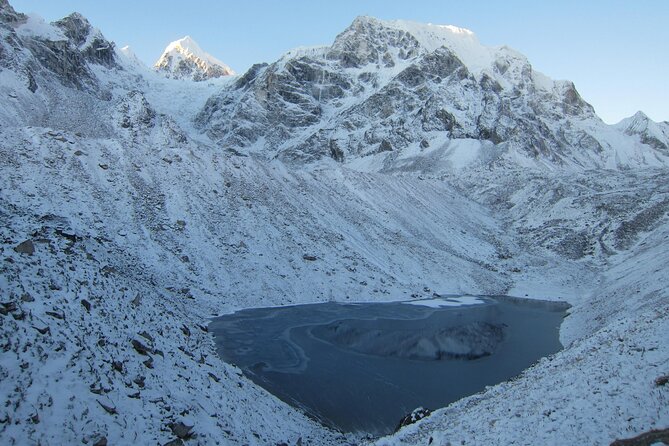
- Larkya La Pass day is about timing (sunrise) and wind awareness, not just bravery
- Value-built package: guide, porter support, guesthouse stays, and full meals are included
Manaslu Circuit: why this 8,163 m trek feels different
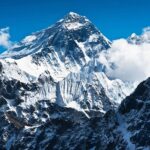
Manaslu is the world’s 8th-highest peak, and the circuit trek is built around that sense of distance and drama. The biggest difference is remoteness. This route doesn’t feel like the same parade you sometimes see on more famous Nepal trails.
You’ll move through valleys, terraces, and settlements where the culture stays present, not “staged for hikers.” Tibetan influence becomes noticeable as you get higher and farther from the main highways. That cultural shift is one reason people chase Manaslu instead of doing something more crowded.
And because Manaslu is in a restricted area, the whole experience is shaped by permission, planning, and rules. That can feel like bureaucracy until you realize it prevents the trek from turning into a scramble. You get a route that has to be arranged properly, which usually means fewer surprises on the ground.
You can also read our reviews of more tours and experiences in Kathmandu.
The permits and strict rules that shape your whole trip
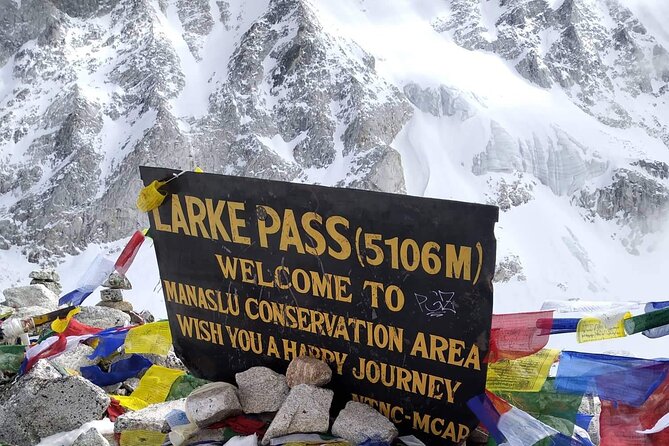
This trek runs in Nepal’s restricted Manaslu region, which means permits and follow-the-rules logistics. The info here is clear: you’ll need the necessary permits, including a special permit listed at $100, and you must trek with a registered Nepali trekking company.
There’s also a rule about group composition: you need at least two trekkers in the group (not counting the guide and porter). That matters if you’re a solo traveler, or if you’re trying to make a small group happen. If your plan is just you and one friend, you’ll want to confirm early that the operator can meet the minimum trekker requirement.
Why this is valuable: it reduces guesswork. Instead of thinking through every step yourself, you’re letting a local team manage the legal side and the coordination that restricted areas require. The trade-off is simple: you can’t treat this like a casual “maybe we’ll go tomorrow” hike.
Also, the package explicitly includes permits and entrance fees in the core price. So when you budget, you’re not left wondering whether the “real” cost is hidden in small print.
Kathmandu start: Thamel hotel energy and a gear reality check
Your trek begins in Kathmandu, typically with a representative meeting you at the airport based on your arrival time. You stay in tourist-standard accommodation for 3 nights in Kathmandu, and you’ll be handled for ground transportation as part of the trip.
Day 1 is about getting oriented. The Thamel area is where many trekking teams plug in, and the advantage is that you can reset fast after travel: check in, sleep, and get the trek prep conversation started.
Day 2 adds a Kathmandu Valley touch with Kathmandu Durbar Square, plus a practical gear session. This is where you’ll analyze what you need for the trek and get guidance on whether to buy, rent, or obtain gear through the team (if available). For me, that step is underrated. If you realize too late you’re missing something—warm layers, gloves, a headlamp—you end up buying it under pressure.
The Kathmandu days aren’t the main point of the trip, but they set you up to start the trail calm instead of chaotic. You want calm for an expedition-style trek like this.
Day 3 to Day 5: Machha Khola, river valleys, and your first real views
After Kathmandu, you drive to Machha Khola. The ride can be long because of road conditions, and it’s described as bumpy at times. This is your first “welcome to Nepal roads” lesson, and it’s also your first chance to look at how the terrain changes outside the city.
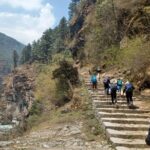
On Day 4, the trail starts to feel more like proper trekking: you cross a river, ascend to Khorla Besi, and then walk along a river valley. The program specifically calls out waterfalls and even landslides—so the scenery isn’t just pretty; it’s also rugged and alive.
You end the day at Tatopani, a village known for natural hot springs. That’s a big deal for body comfort, especially as you start stacking trekking days. You’re not going to magically feel brand new every evening, but warm water can help you recover instead of just endure.
Day 5 is a mix of descent and gradual movement toward viewpoint territory. You go down to Sirdibas (1,430 m), then trek on to Salleri (1,440 m). The program notes early Buddhist signs and your first standout Himalayan views, including Sringi Himal (7,187 m). This is the kind of day where your effort starts to pay off visually.
Namrung to Samagaun: forests, cooler nights, and Tibetan influence
By Day 6, you’re moving through the Sringi Khola Valley and walking until Ghap. The route includes crossing a river and hiking through forests. This is a “work your breathing” day rather than a “constant wow every ten minutes” day.
What I appreciate is the mention that nights feel cooler and the Himalayan views build. That’s how many trekkers actually experience Manaslu: not with one huge moment, but with steady ramp-up that makes you feel prepared for the higher terrain later.
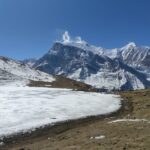
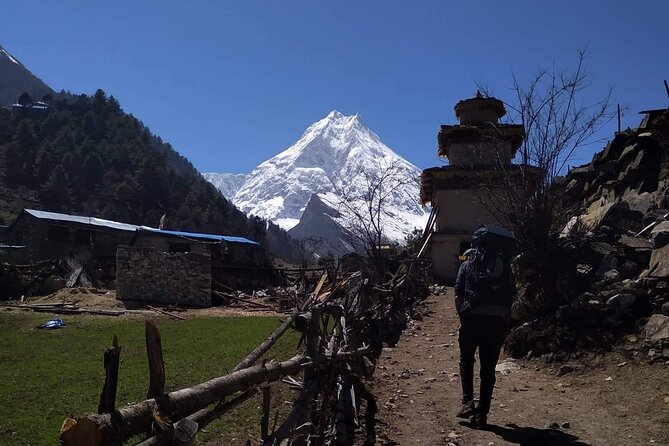
Day 7 brings Samagaun, and this is where Tibetan influence becomes stronger. The program mentions that cliff faces disappear as you trek into a valley, and you get views of Manaslu (8,163 m), Manaslu North (7,157 m), and Naike Peak (5,515 m). Seeing multiple named peaks from the same general region helps you understand the mountain scale better than a single distant silhouette.
This is also where village life becomes part of the trek, not just a backdrop. If you like your trekking with culture and daily rhythms, Samagaun is one of the reasons this circuit stands out from purely altitude-grind routes.
Samdo and the Tibetan border side trip: a rare menu of choices
Day 8 takes you to Samdo. The trek description says today looks easier because it’s mostly flat through juniper and birch forests, including via Kermo Kharka. Then you hike down and cross a river near where waterways merge (the program references the joining of Budhi Gandaki and Shyale Khola).
This isn’t a “lazy” day. Flat terrain at altitude still asks for steady pacing, but it often helps your legs recover while you adjust.
Day 9 offers a real fork in the road: take an 8-hour side trip to the Tibetan border with packed lunch and drinking water, or stay closer to Samdo and observe daily life. That option is great because it respects different travel styles. Some people want the extra reach; others want an easier day to absorb the place.
If you’re the type who likes quiet village moments, walking around Samdo can be meaningful. If you want one more big experience day, the border side trip gives you a focused objective.
Either way, this segment is a strong reminder that the Manaslu Circuit isn’t just about summits—it’s about transitions in culture and geography.
Larkya La Pass day: sunrise timing, wind, and keeping your torch close
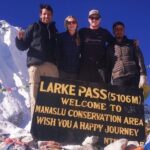
Day 10 sets you up for the pass day. You descend to 3,850 meters to cross the Budhi Gandaki, then ascend through juniper and tundra, moving through ravines before reaching Larkya Guest House, the last stop before Larkya La (the pass).
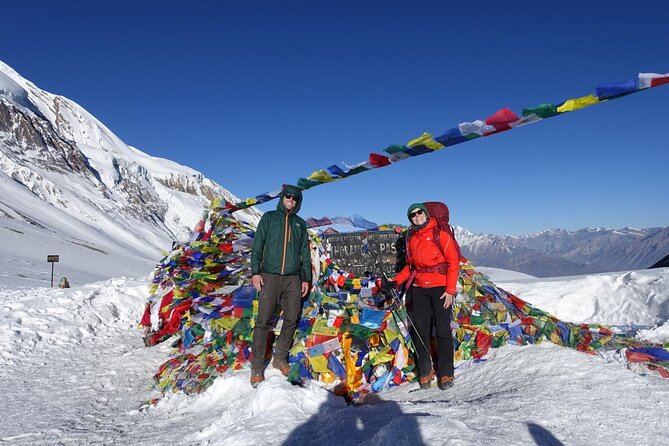
Day 11 is the heavy day in the schedule. You leave early to catch sunrise over the pass and to avoid strong wind after midday. That detail is more than trivia. Wind can change how hard the day feels even when your legs are willing.
The program also advises you to keep your torch close by at the start of the steep, stunning walk over several ridges. So yes, you’re likely moving in pre-dawn conditions. Think cold hands, focused effort, and the need for light management.
What you’ll likely feel on this day is the blend of effort and uncertainty that all high passes bring, plus the satisfaction of doing it with a team that plans for wind and timing. You’re not just “going up.” You’re going up with a strategy.
When you finish the day, the schedule continues onward (the next stop listed is Samagaun), so don’t expect the pass day to be the end of work. This trek keeps pressing forward.
Dharapani and Jagat: joining the Annapurna Circuit for a while
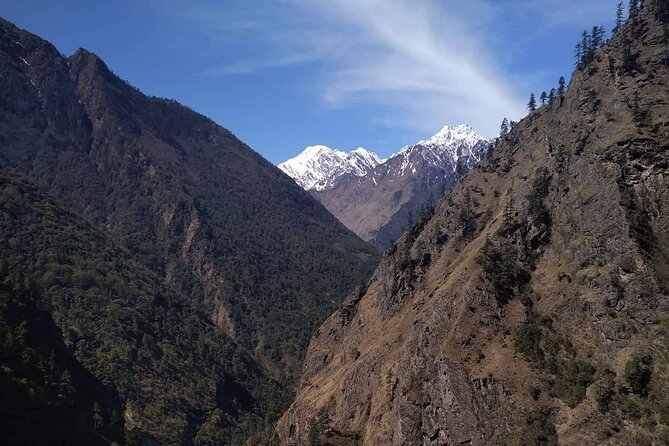
After the pass segment, the trek moves toward Dharapani. Day 12 describes trekking from Bimtang through forests and pastures of the Dudh Khola Valley, then joining the more popular Annapurna Circuit Trek trail thanks to the Manaslu route. The journey is listed at about 7 hours.
This “join a popular trail” detail matters. It often means smoother navigation and a different vibe—still wild, but less isolated than the restricted-area parts you’ve been living in. It can also affect your recovery. If you’ve been alone with scenery and silence, hearing more footsteps for a few days can be both comforting and slightly disorienting.
On Day 13, you descend from Dharapani to Jagat over about 6 hours, with route notes referencing near the Marsyangdi Nadi Gorge. The program adds that considering the roads, you may charter a Jeep. That’s a useful option if you’re feeling beat up or if you want to manage fatigue around logistics.
This is the kind of day where good trekking technique matters more than pushing harder. You’ve come through enough altitude strain that smart pacing pays off.
Day 14 back to Kathmandu: shared jeep to Besisahar, then bus
Your final travel day starts with a shared jeep to Besisahar. After a refresh, you take a bus from Besisahar to Kathmandu. It’s not glamorous travel, but it is the clean payoff: your trek ends, your feet get a break, and Kathmandu feels like reality again.
What’s smart here is that the trek isn’t left hanging with random DIY transfers. The plan includes ground transportation as part of the package, so you’re not scrambling after a pass day and several long trekking days.
If you’re the type who likes to decompress immediately, plan a slow evening in Kathmandu. Don’t schedule hard sightseeing right away unless you’re the kind of person who enjoys walking on tired knees for fun.
Price and what $1,600 actually buys you on Manaslu
At $1,600 per person for about 14 days, the core value is that the package isn’t just “a guide and a path.” It includes:
- airport pickup/drop
- 3 nights in Kathmandu at tourist-standard hotels
- ground transportation
- necessary permits, including the special permit
- a professional guide plus porters (with their insurance and equipment)
- guesthouse accommodation during the trek
- three meals a day while trekking (breakfast, lunch, dinner)
That’s why Manaslu Circuit can feel expensive compared to casual treks. You’re paying for access to a restricted region, plus the staffing and logistics that make it possible.
What’s not included is also clearly stated: beverages, tips, your insurance, and personal or nature expenses. Food in Kathmandu is also not covered except for daily breakfast. So you should plan a modest extra budget for daily drinks and tipping.
My practical take: if you want to avoid the headache of permits and staffing, and you want a structured team on the trail, $1,600 can feel fair. If you’re the DIY type who already has permits, gear, and a plan for guides and porters, you might compare differently. Most people doing Manaslu are not in that category, though.
Also, the trek is listed as a private tour, meaning only your group participates. That can be great if you want flexible pacing and less waiting around.
Who should book this Manaslu Circuit experience
You should strongly consider this trek if you:
- want a remote, less cookie-cutter trail in Nepal
- enjoy Himalayan views plus Tibetan-influenced villages
- are comfortable with long walking days and at least moderate-to-strong fitness
- want a guide and porter setup that covers permits and day-to-day logistics
You might think twice if you:
- can’t meet the requirement of at least two trekkers in your group (excluding guide and porter)
- hate early starts or exposure to cold and wind on pass day
- want a fully “soft” hiking experience with minimal effort
Overall, this is a serious circuit with real altitude pressure and a real support system. If you want to earn your views on a path that’s built for the mountains, Manaslu is one of the best bets in Nepal.
Should you book Adventure Glacier Treks for Manaslu Circuit
If you’re choosing between operators, I’d book when you value structure and human support. The feedback score here is very high: 4.9 out of 5 with 100% recommended, and the strongest praise centers on feeling safe and cared for by the guide/porter team. Names like Roshan, Sudip, Samir, and Dil show up in the team stories, and that human continuity tends to matter on hard treks.
I’d also book if you want a plan that handles the permits and includes the big moving parts: transport in Nepal, Kathmandu lodging, guesthouses, and three meals a day.
The main reason not to book is simple: this trek asks for effort, and the pass timing means you should be ready for early movement and wind-aware decision-making. If that sounds fun instead of scary, you’re the right match.
FAQ
How long is the Manaslu Circuit trek in this package?
The duration is listed as about 14 days.
Where does the trip start and end?
It starts in Kathmandu, Nepal, and ends back at the meeting point in Kathmandu.
What is included in the $1,600 price?
Airport pickup and drop, 3 nights in Kathmandu, ground transportation, necessary permits (including the special permit), entrance fees, a professional guide and porter services (including their insurance and equipment), guesthouse accommodation, and three meals a day as listed in the itinerary.
What permits or special fees are mentioned?
The package includes necessary permits and a special permit listed at $100.
Are meals included during the trek?
Yes. The itinerary includes breakfast, lunch, and dinner as noted, with daily breakfast also mentioned for Kathmandu.
Is pickup offered?
Yes. Airport pickup/drop is included.
Is this a private trek?
Yes. It’s listed as a private tour/activity where only your group participates.
Do I need two trekkers in the group?
The trek rules mention that you need at least two trekkers in the group (not including the guide and porter).
Can I cancel for a full refund?
Yes, free cancellation is offered. You can cancel up to 24 hours in advance for a full refund.
What should I plan for that is not included?
Beverages, tips, your travel insurance, personal or nature expenses, and food in Kathmandu except daily breakfast are not included.