REVIEW · KATHMANDU
Manaslu Circuit Trek
Book on Viator →Operated by Nepal Mountain Trekkers - Day Tours · Bookable on Viator
Larkya La Pass makes jetlag feel irrelevant. This Manaslu Circuit Trek is interesting because it blends Kathmandu UNESCO sightseeing with a serious mountain trek: Gurung villages, suspension bridges, riverside trails, and then the big high-pass payoff. I especially like the built-in acclimatization days at Samdo and Dharmashala, and how the itinerary keeps you moving steadily instead of jumping too fast in altitude.
One consideration: the schedule includes long driving days and 12-hour trek days at times, and the trek is only for people with moderate fitness and patience for cold, thin-air trekking.
In This Review
- Key highlights worth knowing
- Manaslu Circuit Trek in a nutshell: what you’re signing up for
- Kathmandu start: Thamel basecamp and UNESCO sightseeing you actually need
- The long drive into the mountains: Kathmandu toward the trek route
- Tatopani, Jagat, and Deng: hot springs and real trail days
- Namrung and Lho: mani walls, pasture views, and monasteries with presence
- Samagaon and Pungyen Gompa: Buddhist culture on the trail
- Samdo and Dharamsala: the acclimatization rhythm that matters
- Larkya La Pass day: weather reality and the views people remember
- Bimthang to Tilije and Tal: rhododendron forests and the Annapurna Circuit connection
- Back to Kathmandu: jeep ride, free time, and a farewell dinner
- Price and value: what $1,386.67 covers (and what you should still plan for)
- Guides, team care, and the kind of professionalism you want at altitude
- Who this trek is best for—and who should think twice
- Should you book this Manaslu Circuit Trek with Nepal Mountain Trekkers?
- FAQ
- Where is the meeting point for this trek?
- Does the trip include airport pickup and drop-off?
- How long is the Manaslu Circuit Trek?
- How many people are in the group?
- Which UNESCO sites are visited in Kathmandu?
- How does the itinerary handle acclimatization?
- Are meals and lodging included during the trek?
- What trekking permits and gear are included?
- What is not included in the tour price?
Key highlights worth knowing
- Up to 20 people max means a more controlled group pace and easier meal-and-tea logistics.
- Kathmandu UNESCO sites included before you hit the mountains: Kathmandu Durbar Square, Swayambhunath, Pashupatinath, and Boudhanath.
- Hot-spring stop at Tatopani breaks up the rhythm and gives you a real body reset.
- Real acclimatization stops at Samdo and Dharamsala help you manage altitude more sensibly.
- Larkya La Pass views are the main moment, with Annapurna-area peaks like Annapurna II, Himlung, and Himlung Himal named in the itinerary description.
- A guided finish in Kathmandu includes a rest day, shopping time, and a farewell dinner.
Manaslu Circuit Trek in a nutshell: what you’re signing up for
The Manaslu Circuit isn’t a quick “walk and snap photos” trip. It’s a full 17-day mix of road travel, village days, monastery visits, and a high pass that demands respect. If you like the idea of trekking through lived-in communities—rather than only sightseeing viewpoints—this route fits well.
The big story arc goes like this: you leave Kathmandu, transfer into the trek route area, walk through forests and settlements, pause for acclimatization, cross Larkya La Pass, then descend toward Tal and ultimately drive back to Kathmandu. Along the way, you’ll see Buddhist culture repeatedly, from mani walls to monasteries such as Pungyen Gompa.
Price-wise, the $1,386.67 per person isn’t “budget cheap,” but it also isn’t just a guide and a prayer. The package covers airport transfers, trekking guide and porter, permits, trek food and lodging, and even key cold-weather gear rentals like sleeping bags and down jackets. Still, you’ll want to budget for your visa, international flight, insurance, and tips.
You can also read our reviews of more tours and experiences in Kathmandu.
Kathmandu start: Thamel basecamp and UNESCO sightseeing you actually need
Your trek doesn’t start the moment you land. It starts with getting oriented—jetlag management included.
On arrival, you’re met at Tribhuvan International Airport by a Nepal Mountain Trekkers representative and taken to your Kathmandu hotel (Hotel Horizon, with the company also referencing Hotel Green Horizon for the trek stay). You get time to relax or head out to Thamel, the practical tourist hub where you can grab snacks, water, and whatever last-minute gear you forgot.
The next day is UNESCO-focused and worth doing before you climb. Your sightseeing includes Kathmandu Durbar Square, Swayambhunath Stupa, Pashupatinath Temple, and Boudhanath Stupa. These aren’t random photo stops. They help you understand the cultural setting you’ll be trekking through, especially with the monasteries and Buddhist practices you’ll encounter later.
You’ll also meet the Nepal Mountain Trekkers team, including the trekking guide, trekking leader, and director of operations. That prep time matters because gear rental and trek planning isn’t something you want to do after you’re already tired and shivering.
The long drive into the mountains: Kathmandu toward the trek route
Most people underestimate how much energy a “getting there” day takes. Here, you’ll do a long drive from Kathmandu toward the trek starting area, described as roughly 8–9 hours in the overview and also shown as a longer day transfer in the daily plan.
The ride routes you across major river corridors, including the Budhi Gandaki area and river systems you’ll keep seeing in different forms on foot later. When you finally reach the trek start around Machhakhola area, you’re ready to switch from engine noise to walking sound: bridges, trail edges, forest smells, and that gradual shift into mountain quiet.
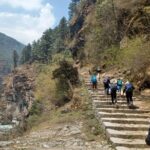
Early on, the route includes suspension bridges and paths through forests and Gurung villages. That’s not just scenery. It’s also how your body learns the rhythm of trail travel—short stresses, recovery time, and constant changes in surface and footing.
Tatopani, Jagat, and Deng: hot springs and real trail days
After you settle into the trekking days, you start building a consistent routine: climb, descend, eat, repeat. The itinerary gives you a nice early “reset” at Tatopani Hot Spring. It’s a short stop, but it’s a morale booster. After days of trekking up and down, warm water can make your legs feel like they belong to a different person.
From there you continue through the settlements and trail corridors toward Jagat. Even when the itinerary says the trail can challenge you, it pairs that with frequent views and cultural stops. You’re not only walking through empty mountain space; you’re moving through a chain of communities like a slow-moving timeline.
By the next day you reach Deng, with named river crossings and views such as Singri Peak being highlighted in the daily description. The main thing to watch for on these days is pacing. A 12-hour day can be manageable if you keep your effort steady and stop before you’re completely drained.
Practical note: bring your trekking routine. The trek includes multiple long days in a row, so you’ll be glad you set a simple rhythm early—steady snacks, frequent water checks, and a warm layer ready when cloud cover hits.
Namrung and Lho: mani walls, pasture views, and monasteries with presence
As you move toward Namrung, the trek leans into views and river valley walking. You’ll cross the Budhi Gandaki river and walk through pasture land. That’s a key shift from the heavier village/forest feel to more open air and more sky.
You’ll also encounter mani walls, which are more than decoration. They’re a visible reminder of Buddhist practice in daily life, and when you later visit monasteries, the earlier trail details start to make sense.
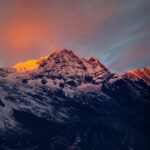
Then comes Lho, described as an easy half-day walk with views of Himalchuli at the head of Hinang Glacier. The itinerary also mentions apple-related local life in the area and an afternoon climb to Ribung Monastery, plus a hilltop viewing point where you can watch for sunrise views of the Manaslu massif.
This part is one of the best “breathing-space” sections because it mixes shorter walking with a mental reward: you’re climbing, then you’re earning a panorama. If you like days that feel both active and restful, Lho is a good marker that you’re not just suffering toward the pass.
Samagaon and Pungyen Gompa: Buddhist culture on the trail
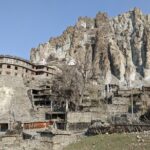
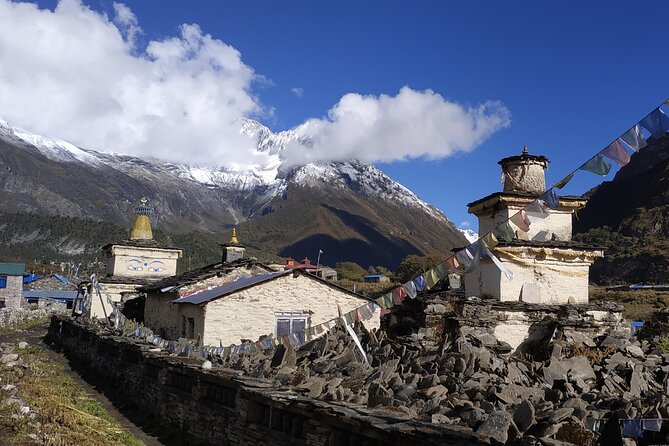
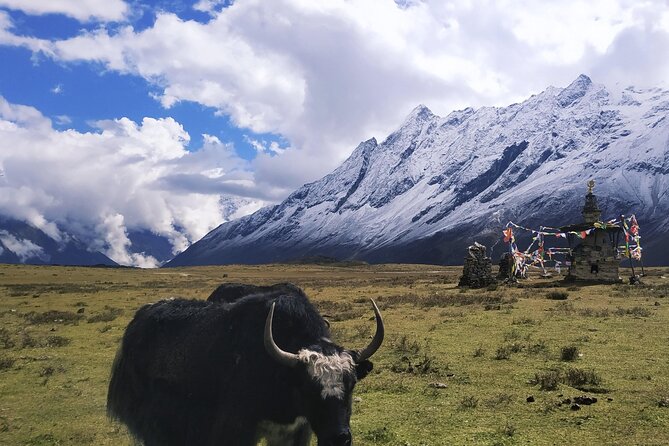
By Samagaon, you’re in the zone where the trek starts to feel more intentionally spiritual, even if you’re not religious. The days include terraced farming scenes, chortens, and repeated Himalayan views named in the itinerary description, such as Ganesh Himal and Himal Chuli.
The next day gives you an excursion around Pungyen Gompa, an ancient monastery. This is one of those stops that can feel small on paper but big in person, because you’re not rushing through a landmark—you’re spending time with an active place of worship and local ritual life. The description notes a small prayer hall, so you’re not only seeing stone; you’re experiencing the space as a lived environment.
After that, you return to Samagaon for overnight. That “go out and come back” style day is helpful. You’re still walking and seeing, but you’re not stacking extra altitude pressure on top of the already serious trek schedule.
Samdo and Dharamsala: the acclimatization rhythm that matters
Altitude is where good trip planning shows up. Here, you’re given time to adjust in a structured way.
You trek downhill toward the Budhi Gandaki river banks and cross a wooden bridge to reach Samdo. Even though you’re moving, it functions as a proper acclimatization rest day (the itinerary explicitly calls for rest at Samdo for acclimatization).
Next, you go to Dharamsala, following the river banks and ascending gradually. The daily plan highlights that as you approach high altitude around 5,000m, you have plenty of time to acclimatize during rest time that day. Translation: you’re not just climbing to the top and hoping for the best.
This is a big reason I think this itinerary is worth considering. When you’re on a circuit, it’s tempting to treat every day like it must be “another step forward.” Here, the plan slows down at the exact moments your body needs the break.
Tip for your comfort: take the acclimatization days seriously. That doesn’t mean you should lie around all day like you’re on vacation in a hammock. It means you should keep effort light, drink water consistently, and let your breathing catch up.
Larkya La Pass day: weather reality and the views people remember
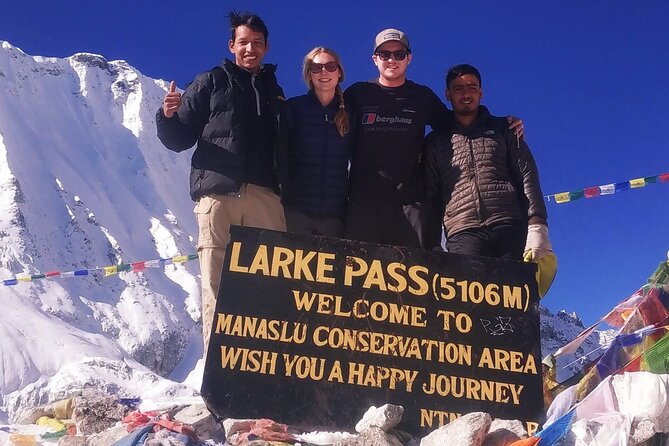
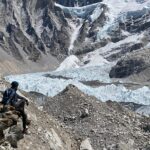
This is the moment you plan for: leaving Dharmashala, gradually climbing toward glacier moraines, then reaching Larkya La Pass. The itinerary emphasizes steep terrain on the way up, and the payoff is huge.
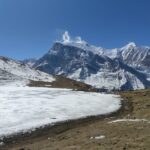
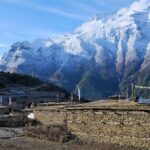
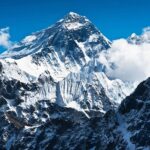
From the pass, the description calls out views of Annapurna II, Cheu Himal, Himlung Himal, and other surrounding peaks—with Manaslu very close in front of you.
Now, a fair warning: high passes in Nepal can mean rapidly shifting weather. The itinerary calls out a time window for the pass moment, but it can still be cloudy, windy, or simply cold enough to make you want to move quickly. Your best strategy is mental: dress for harsh conditions and keep your pace steady. Don’t blow all your energy racing others; you’ll need that energy for the descent that follows.
After the pass, you continue to Bimthang for overnight. This makes sense. You get the big moment, then you keep the trip moving rather than lingering too long in the cold, exposed air.
Bimthang to Tilije and Tal: rhododendron forests and the Annapurna Circuit connection
After Larkya La Pass, the trek focuses on descent and connecting trail segments. From Bimthang, the route heads toward ridges and then slowly down through pasture land at Sangre Kharka. You’ll cross bridges and enter rhododendron forests described as blooming in spring months.
That rhododendron detail matters because it affects what the trek feels like. In peak blooming season, the forest adds color and visual texture. Even outside those months, the forest sections still break up the monotony of wide-open trail walking.
You continue to Tilije for overnight. Then comes Tal, which is approached via tea house meals and trail connections that include:
- Walking toward Thonje Village
- Crossing the Milky white river above a bridge
- Connecting to the Annapurna Circuit trail at Dharapani
- Crossing a Marsyandi River bridge and seeing waterfalls before reaching Tal
That “Annapurna connection” is one of the reasons this descent phase feels different from the earlier Manaslu-heavy part of the trek. It’s like the trail network opens up and you start seeing the broader Himalayan trekking corridor.
If you’re tired at this stage, that’s normal. Your job is to keep your footing careful. The terrain can still be uneven even when the direction is downward.
Back to Kathmandu: jeep ride, free time, and a farewell dinner
The last trekking day transitions into a travel day. You wake early, drink tea or coffee, then drive to Besisahar using local transport (jeep), with lunch there. From Besishar, you drive back to Kathmandu and arrive for evening overnight at your Kathmandu hotel.
Then you get something many trekkers love: a rest day with freedom. Day 16 includes time without a guide and porter, so you can relax and do shopping for family and friends. If your phone is running low or you want small Nepal souvenirs, this is the time.
To end the trip on a warm note, there’s a farewell dinner in a Nepali culture restaurant. It’s also a good moment to confirm gear return and make sure you’ve got everything packed for departure.
Finally, on Day 17, you’re dropped to Tribhuvan International Airport for your scheduled international flight.
Price and value: what $1,386.67 covers (and what you should still plan for)
Let’s do the math in the practical sense: what’s included here is not just the guide.
Your package includes:
- Airport pickup and drop
- A 4-night hotel in Kathmandu
- Kathmandu sightseeing with a licensed guide and car/jeep/bus depending on group size
- Trek food and lodging with breakfast, lunch, and dinner included
- Transportation costs
- A government-licensed English-speaking trekking guide plus a porter
- All required trekking permits
- A first aid medical box
- Trekking gear rentals including sleeping bags and down jackets
- Rescue management service
- Trekking map, plus a T-shirt and duffel bag with company logo
- Farewell dinner
What’s not included is also clear and important:
- Visa fee to enter Nepal
- International flight tickets and extra baggage charges
- Travel insurance (and rescue operation costs if you need them)
- Personal expenses like laundry and charging
- Tips for the guide and porters
So is it good value? For many people, yes—because the itinerary isn’t skimping on logistics. Permits, food, lodging, and key gear rentals are baked in. You’re paying for a managed route with a team that handles the mountain variables.
The one real “cost risk” isn’t the stated price. It’s weather and itinerary changes. The package notes extra nights and meals in Kathmandu due to changes aren’t included, so you should travel with some buffer.
Guides, team care, and the kind of professionalism you want at altitude
This trek depends on people doing a lot of small jobs correctly: making sure you’re supplied, timing departures, checking on your pace, and handling the day-to-day decisions that come with mountain trekking.
From previous experiences shared with the company, key team names come up often: Suman as organizer support, Ramesh as the owner, and guides such as Chirring, Mod, and TB. Sonam is also mentioned as an experienced guide in connection with Manaslu treks.
Why does this matter to you? Because on a route that includes a high pass and multiple long walking days, you want someone who keeps things calm when conditions change. The company’s inclusion of a first aid medical box and rescue management service is part of that safety net.
And yes, you’ll still want to bring common sense: follow your guide’s altitude advice, don’t ignore symptoms, and don’t try to “prove toughness” by pushing harder than your body allows.
Who this trek is best for—and who should think twice
This fits best for you if:
- You have moderate fitness and are ready for long trekking days
- You want village-to-village trekking with monastery culture and real local life
- You appreciate structured acclimatization (Samdo and Dharamsala days are built into the plan)
- You like the idea of a guided circuit with permits and gear handled
Think twice if:
- You want a low-effort hike with minimal altitude pressure (this trek includes a high pass)
- You dislike long driving days at the start and end
- You’re not comfortable with cold weather layers and multi-hour trekking stretches
Also, note the group cap: maximum of 20 travelers. If you prefer a solo, ultra-custom experience, this isn’t built for that vibe. It’s designed for a well-run small group format.
Should you book this Manaslu Circuit Trek with Nepal Mountain Trekkers?
If you want an organized Manaslu Circuit that handles permits, gear rentals, meals, lodging, and the big acclimatization checkpoints, this package is a solid choice. The combination of Kathmandu UNESCO time plus a structured mountain progression makes it easier to settle in and stay focused.
I’d book it if you’re comfortable committing to a real trek schedule and you’re willing to plan for cold, altitude, and long day travel. With the inclusion of a licensed guide, porter support, first aid, and rescue management service, you’re not left to figure out the mountain puzzle yourself.
But if you’re trying to avoid altitude risk, shorten walking days, or keep your trip super lightweight, you’ll probably be happier with a gentler route. This one is the full circuit experience—worth it, but not casual.
FAQ
Where is the meeting point for this trek?
The meeting point is Nepal Mountain Trekkers, Pyramid Galli, Kathmandu 44600, Nepal.
Does the trip include airport pickup and drop-off?
Yes. Airport pickup and drop service is included, and at the end you’ll be dropped to Tribhuvan International Airport.
How long is the Manaslu Circuit Trek?
The duration is about 17 days.
How many people are in the group?
The maximum group size is 20 travelers.
Which UNESCO sites are visited in Kathmandu?
The Kathmandu UNESCO sightseeing includes Kathmandu Durbar Square, Swayambhunath Stupa, Pashupatinath Temple, and Boudhanath Stupa.
How does the itinerary handle acclimatization?
The plan includes a day rest at Samdo for proper acclimatization, and it also includes a rest and acclimatization period around high altitude at Dharmashala (around 5,000m).
Are meals and lodging included during the trek?
Yes. All food and lodging during the trek are included, with breakfast, lunch, and dinner covered.
What trekking permits and gear are included?
All required trekking permits are included, and trekking gears like sleeping bags and down jackets are available on rent.
What is not included in the tour price?
Visa fee, international flights, extra Kathmandu nights/meals if the itinerary changes, travel insurance (and rescue operation costs), personal expenses (like laundry and charging), and tips for guide and porters are not included.