REVIEW · KATHMANDU
From Kathmandu: Private 14-Day Everest Base Camp Trek
Book on Viator →Operated by Cordial Trek Pvt. Ltd. · Bookable on Viator
“Lukla starts the adventure.”
This private trek links Kathmandu’s streets to the Khumbu Valley in a very practical way, with Lukla flights and a full acclimatization schedule built into the hiking plan. I like that your days aren’t just brute-force climbing; you’ll get time to explore places like Namche Bazaar and adjust to altitude. I also like that support is more than a ticket—an experienced trekking guide and Sherpa porter plus key gear are included, so you’re not scrambling mid-trek. The main consideration is the obvious one: weather and Lukla flights can be unpredictable, so you’ll want patience and flexibility.
In plain terms, this is the classic Everest Base Camp route designed to take you high, slow, and back down safely. You’ll hit big-photo moments like Kala Patthar at sunrise hours (via an early hike) and then step into Everest Base Camp inside Sagarmatha National Park. One possible drawback: at this elevation, even well-paced itineraries can feel hard, so you should be honest about your fitness and altitude tolerance before you go.
In This Review
- Key things that make this trek worth your attention
- From Kathmandu to Lukla: how the trip actually begins
- The Everest Base Camp route, day by day (and what to watch for)
- Day 3: Phakding to Namche Bazaar, and the first real altitude test
- Day 4: Namche acclimatization plus an Everest viewpoint
- Day 5: Namche to Deboche for monastery views and cooler air
- Day 6: Deboche to Dingboche, a bigger jump in altitude
- Day 7: Dingboche acclimatization day (how you prevent disaster)
- Day 8: Dingboche to Lobuche, near the glacier world
- Day 9: Lobuche to Gorakshep, then the drive-by to Everest Base Camp
- Day 10: Kala Patthar early morning for the big Everest photo chances
- Day 11: Return to Namche via Pheriche and Tengboche
- Day 12: Namche to Lukla, long enough to feel it
- Day 13: Lukla back to Kathmandu and proper time to exhale
- Day 14: Trip certificate and a final airport drop
- Gear, meals, and what you’re actually paying for
- The real quality factor: guide and porter support
- Lukla flights: your schedule’s biggest wild card
- Tengboche, Yeti-themed stops, and small cultural moments
- What you should pack (and what you might not need to buy)
- Who this trek suits best
- Should you book this Everest Base Camp trek?
- FAQ
- How long is the Everest Base Camp trek?
- Does this trek include flights to and from Lukla?
- Is transportation and airport pickup included in Kathmandu?
- Are trekking permits and national park fees included?
- What trekking gear is provided?
- Are meals included?
- What is not included in the price?
- Is this tour private?
- What fitness level is required?
- What’s the cancellation policy?
Key things that make this trek worth your attention
- Lukla flight round-trip is included: you save time and stress versus building your own transport puzzle.
- Acclimatization days are scheduled on purpose: Namche and Dingboche aren’t just “rest days.”
- Kala Patthar is in the plan: the early hike gives you the best shot at big Everest views.
- You’ll be staffed well: an experienced guide plus a Sherpa porter to help manage pace and decisions.
- Gear and most meals are included: down jacket, sleeping bag, and duffle bag reduce what you need to pack.
- EBC plus the return route through Tengboche: you’re not hiking straight there and back on repeat.
From Kathmandu to Lukla: how the trip actually begins
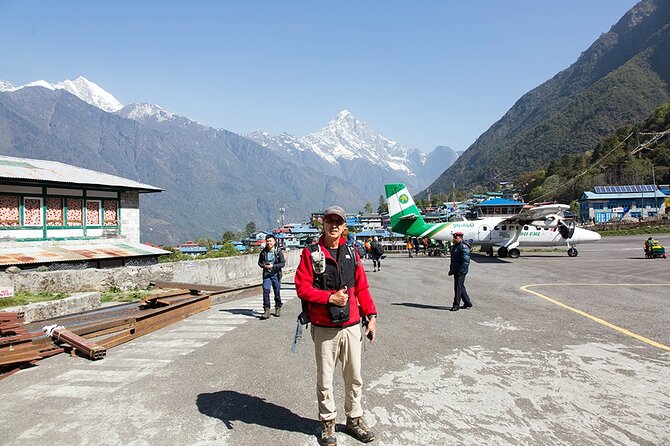
Kathmandu is your launchpad. On day one, you arrive at Tribhuvan International Airport, meet a Cordial Trek representative, and get to a hotel with transfers handled for you. That matters because day one in Nepal is often where travelers burn time due to paperwork, confusion, and finding the right person. Here, you’re met and moved.
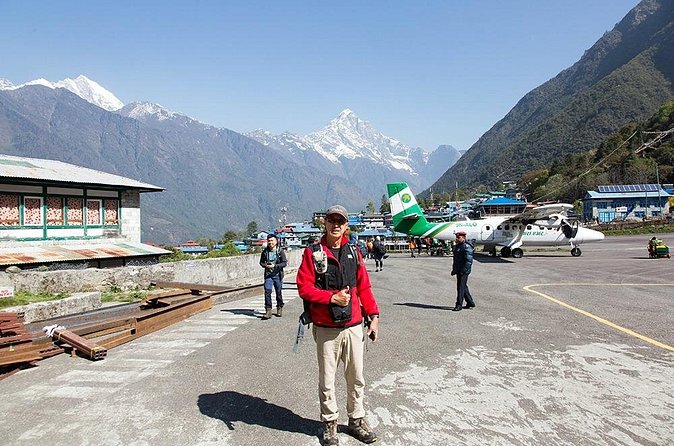
Day two flips you from city altitude to mountain reality fast. You take a domestic flight from Kathmandu to Lukla (around 30 minutes) into one of the world’s most demanding airstrips. Even if you’ve never flown into Lukla before, the idea is simple: you trade long road travel for a quick hop to the start of the trail. From there, you meet your support staff and transition into trekking mode.
You can also read our reviews of more tours and experiences in Kathmandu.
The Everest Base Camp route, day by day (and what to watch for)
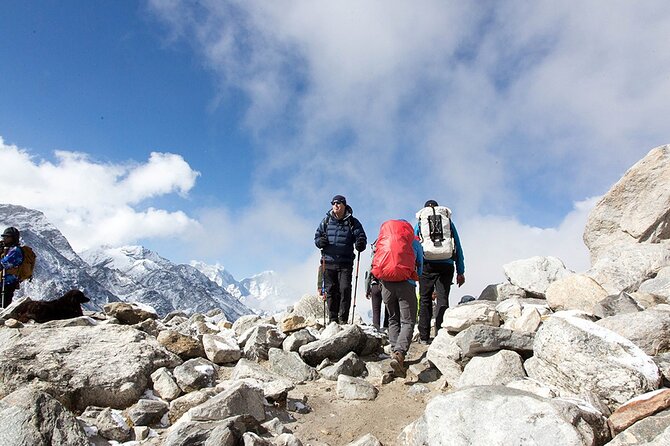
This trek is built around gradual altitude gains with logical stepping stones: Phakding, Namche Bazaar, Deboche, Dingboche, Lobuche, Gorakshep, then EBC—followed by the classic return through Namche and back to Lukla.
Day 3: Phakding to Namche Bazaar, and the first real altitude test
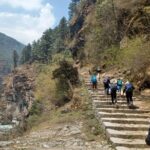
You hike from Phakding toward Namche Bazaar, about a six-hour day. The max altitude on this segment is listed around 3438 m. The payoff is that Namche is both a town and a altitude checkpoint. You also get time to explore areas like Manjo village on the way, which adds texture beyond just the walking.
Practical tip: pace yourself like you’ll need your lungs tomorrow. The quickest way to ruin a trek is to hike early too hard because you’re excited.
Day 4: Namche acclimatization plus an Everest viewpoint
Day four is an acclimatization day at 3438 m, not a “free for all.” You explore Namche Bazaar with guidance and then get to Everest View Point (at Hotel Everest View) for 360-degree mountain views. This is one of those moments where altitude still feels odd, because you’re high enough to feel it, but you’re not so high that you’re completely cooked.
Also, this is where you learn the rhythm that will save you later: short efforts, steady breathing, and taking water seriously.
Day 5: Namche to Deboche for monastery views and cooler air
You trek onward to Deboche, roughly six hours, reaching around 3820 m. The route is set up for scenic walking and culture stops, including the Deboche area and the monastery region that gets referenced later in the trip. This is a good day for slow hiking because the elevation is rising, but you’re still far from the hardest part.
Day 6: Deboche to Dingboche, a bigger jump in altitude
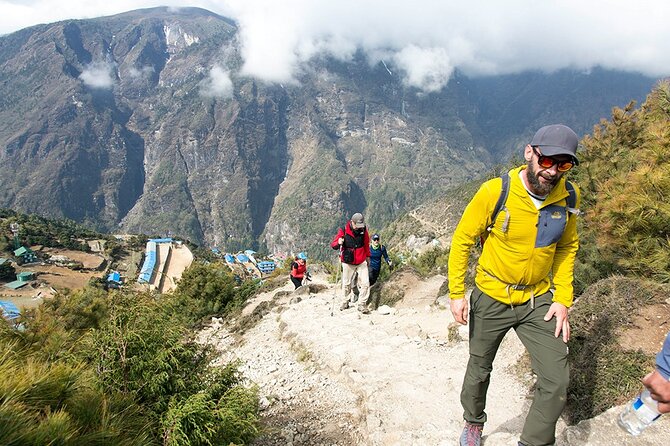
Day six goes from Deboche to Dingboche, about five hours, with an altitude listed around 4360 m. You pass landmarks along the way (including the Lobuche river area mentioned in the schedule). Dingboche is a key “settle and adjust” point because your next move is higher.
If you’re prone to headaches or nausea at altitude, this is where you start tracking your symptoms. Your guide’s job includes assessing conditions and recommending choices, and past trekkers specifically praised guide Raj for that kind of on-the-ground assessment.
Day 7: Dingboche acclimatization day (how you prevent disaster)
Day seven keeps you at Dingboche around 4360 m for acclimatization. This day includes guidance to a local area (the schedule references a guided hike, though the exact destination name is cut off in the details). In practice, the purpose is clear: you move a bit, but you don’t spike altitude too aggressively before the next step.
This is where the trek’s pacing philosophy shows. You’re not only chasing views; you’re managing risk.
Day 8: Dingboche to Lobuche, near the glacier world
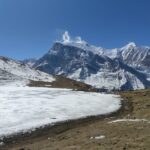
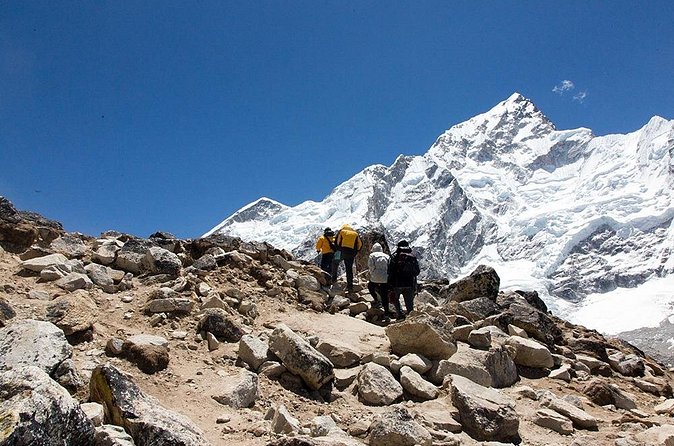
You hike to Lobuche in about 4–5 hours, with a listed high point around 4940 m. This segment is closer to the Khumbu Glacier area mentioned in the schedule. The terrain and cold can feel sharper here, so keep layers ready.
Also, this is where a porter helps more than you might expect. A Sherpa porter isn’t just carrying your bag; they help you keep your pace realistic.
Day 9: Lobuche to Gorakshep, then the drive-by to Everest Base Camp
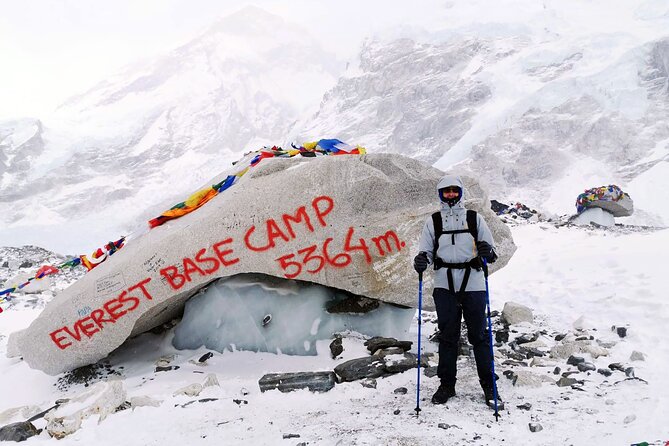
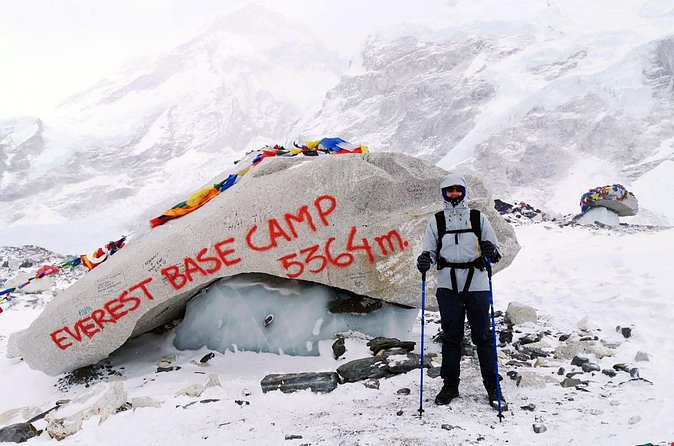
Day nine is a two-part day. First, you trek up to Gorakshep at around 5164 m. Then you push on to Everest Base Camp, listed at 5364 m. The EBC stop is short in the schedule, about an hour, which is typical in this region: you get your moment at the base camp area without spending all day in the cold at your limit.
What you should do mentally: treat EBC like a destination you’ll respect, not like a place to camp for hours unless you’re acclimatized.
Day 10: Kala Patthar early morning for the big Everest photo chances
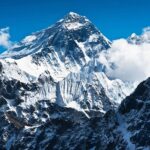
Day ten is the early morning hike to Kala Patthar. It’s listed as about a three-hour round trip via Gorakshep, with a maximum elevation around 5545 m. If there’s one trek “must-do,” this is it. The altitude gain is no joke, and the payoff is why so many people come to Everest Base Camp in the first place.
Practical reality: you might not get perfect weather every day, so sunrise views can be hit or miss. Still, the effort is worth it because it’s the highest “out look” point on this classic loop.
Day 11: Return to Namche via Pheriche and Tengboche
You hike back toward Namche Bazaar from Pheriche, passing through Tengboche. The day is about 6–7 hours, then you sleep overnight in Namche. This is a smart recovery day because you’re heading down, but you still keep momentum instead of dragging the trek out.
Tengboche adds the monastery element again. That cultural stop can feel like a breather compared with the stark glacier-adjacent scenery earlier in the week.
Day 12: Namche to Lukla, long enough to feel it
Day twelve is a longer trek—about 7–8 hours—from Namche to Lukla via Phakding. After all the climbing, that return leg can feel deceptively tough, especially if your body is stiff from cold nights.
This is also where your gear choices matter. If your sleeping bag and down jacket are doing their job, you’ll wake up more functional.
Day 13: Lukla back to Kathmandu and proper time to exhale
You fly from Lukla to Kathmandu after the trekking days. Then you check into your Kathmandu hotel and get free time in the evening. This “quiet time” is more important than it sounds. A trek like this is emotionally intense, and your body needs space to recover.
Some past trekkers shared that the operator can work hard on flight options when schedules are difficult at certain times of year. One traveler even mentioned a helicopter ride arrangement on the return (Periche to Lukla), which suggests the team tries to solve problems rather than just shrug and wait.
Day 14: Trip certificate and a final airport drop
On day fourteen, you receive a Trip Certificate and get dropped at the airport about three hours before departure. It’s a tidy finish to the journey: you don’t disappear into logistics on your last day.
Gear, meals, and what you’re actually paying for
At $1,650 per person, the value mostly comes from what’s handled for you, not just the price tag.
Included items that can save you real money and stress:
- Returnable necessary trekking equipment: down jacket, sleeping bag, duffle bag
- Domestic flights: Kathmandu to Lukla and back
- Experienced trekking guide and Sherpa porter
- Accommodations
- Permits and national park fees
- Map, company t-shirt, trip certificate
- Meals: 11 lunches, 12 dinners, 13 breakfasts
Not included, so plan for it:
- Nepal visa
- Travel insurance (compulsory)
- Personal expenses
- Gratitude for guide and porter
- Any unspecified meals
- A solo traveler surcharge
Here’s the practical way to think about it: if you tried to build this trek on your own, the cost creep would show up fast—in flights, permits, guide time, and gear rentals or purchases. The trek package is paying for coordination and “mountain-side problem solving,” which is exactly what you want when flights get delayed or conditions shift.
The real quality factor: guide and porter support
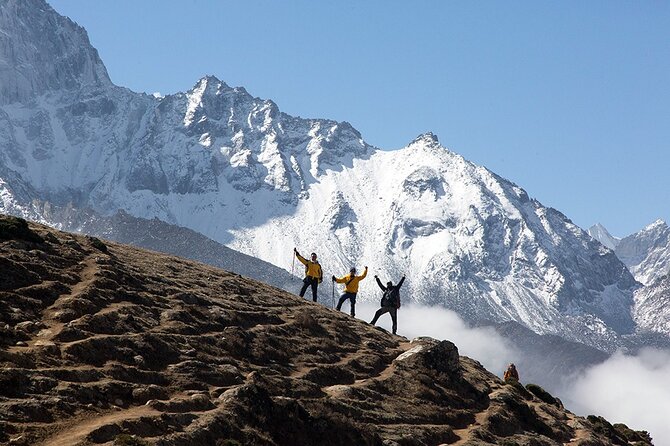
This is a private trek, so the focus is on your group. A common theme from past experiences is that the operator doesn’t just hand you over to a guide and vanish. Trekkers praised organized planning and ongoing check-ins for well-being during the booking period and beyond.
Names that show up in shared feedback include guide Prakash Neupan, Raj Tamang (also called Raj), and Pratip, with support from managers like Ramesh and a porter named Surendra. What you should take from that isn’t just the names—it’s the working style. People described guides as attentive, systematic, and focused on making the right choices based on how the group is doing that day.
That matters on Everest Base Camp because the “best” plan isn’t always the one on paper. It’s the one that fits your condition.
Lukla flights: your schedule’s biggest wild card
Even with a solid plan, Lukla is the part you can’t control. This trek includes the flights, but it also says the experience requires good weather. If weather shuts things down, you should expect the operator to offer a different date or a full refund.
A smart traveler approach:
- Assume weather can change everything.
- Keep an open mind about timing.
- Don’t plan tight onward travel immediately after day fourteen.
Tengboche, Yeti-themed stops, and small cultural moments
The highlights mention Tengboche Monastery and a Yeti-related “discover” element. The schedule also places Tengboche on your return day. That means you don’t only see culture at the beginning; you get another cultural pause when your legs might be tired.
Since the exact Yeti stop details aren’t spelled out here, think of it as a themed add-on rather than a major excursion. The core value of Tengboche is the monastery setting and the rhythm it brings to the trek.
What you should pack (and what you might not need to buy)
Because down jacket, sleeping bag, and duffle bag are included, you’re not forced to buy expensive cold-weather gear for one trip. That’s a huge help for first-timers and for anyone who hates carrying bulky items through airports.
You still need to think about your own comfort items—especially personal layers and trekking essentials. The key is to avoid the classic mistake: packing too much. On this route, you’re always climbing or coming down, and extra weight becomes a tax.
Your best plan is simple: travel lighter, move steadily, and protect yourself from cold while you’re high.
Who this trek suits best
This is listed for travelers with moderate physical fitness. That doesn’t mean it’s easy. It means the route is paced for gradual progress and that your guide will help you manage the day-to-day realities of altitude.
This trek is a great fit if:
- You want the classic Everest Base Camp experience with Kala Patthar and EBC as anchors.
- You prefer a private arrangement with guide-led decisions.
- You want flights and permits handled rather than improvising logistics.
Should you book this Everest Base Camp trek?
If you want a straightforward, well-staffed way to do Everest Base Camp—and you like the idea of having flights, permits, gear, and most meals handled—this package makes sense. The itinerary’s structure (especially Namche and Dingboche acclimatization) is the kind of planning that reduces the odds of pushing too hard too fast.
I’d skip it only if you know you struggle with altitude even on shorter climbs, or if you’re the type who needs a guaranteed timetable in Lukla conditions. When weather changes, you need flexibility.
If you’re prepared for cold days, slow pace, and the reality of mountain logistics, this is a strong way to reach Everest Base Camp without turning your trip into a spreadsheet.
FAQ
How long is the Everest Base Camp trek?
The private package runs about 14 days (approx.).
Does this trek include flights to and from Lukla?
Yes. The package includes domestic flight tickets (KTM–LUA–KTM).
Is transportation and airport pickup included in Kathmandu?
Yes. Airport transfers and pickup offered are included.
Are trekking permits and national park fees included?
Yes. Necessary trekking permits and national park fees are included.
What trekking gear is provided?
You get returnable necessary equipment, including a down jacket, sleeping bag, and duffle bag.
Are meals included?
Yes. It includes breakfast (13), lunch (11), and dinner (12).
What is not included in the price?
Not included are personal expenses, Nepal visa, gratitude for guide and porter, travel insurance, any unspecified meals, and a solo traveler surcharge.
Is this tour private?
Yes. It’s a private tour/activity, meaning only your group participates.
What fitness level is required?
The experience is for travelers with moderate physical fitness level.
What’s the cancellation policy?
You can cancel up to 24 hours in advance for a full refund. If the experience is canceled due to poor weather, you’ll be offered a different date or a full refund.