REVIEW · KATHMANDU
Everest Three (High) Passes Trekking
Book on Viator →Operated by Three Jewels Adventures · Bookable on Viator
Three passes, one Everest dream. The Everest Three trek mixes a short flight, days of hiking, and high-pass crossings for Khumbu Himalayan views and a very Sherpa-shaped journey without technical climbing.
I love how it’s built for people who want more than a postcard: you’re walking deep into the Everest region, not just sightseeing. I also like the human side of the trip, with guide teams such as Amber, Lok, Suman, and Sashi getting specific praise for support and smooth communication.
The main drawback is altitude. This trek demands strong fitness, and even motivated hikers can feel it quickly once you start stacking long days above town-level elevation.
In This Review
- Key points before you go
- Why Three High Passes Feels More Like an Everest Adventure
- Getting There: Kathmandu Morning Start and the Short Flight Piece
- The Trek Rhythm: Hiking Days, Altitude, and Keeping Your Pace Smart
- Crossing the High Passes: What These Days Really Demand
- Viewpoints You’ll Chase: Everest-Region Panoramas and High-Elevation Stops
- Sherpa Villages and Cultural Moments That Feel Real
- Guides and Service: What Support Looks Like on a Real Trek
- Fitness, Gear, and Altitude Reality Checks (No Technical Climbing Needed)
- Price and Value: What $2,500 Really Buys in the Everest Region
- Who This Trek Suits (and Who Should Think Twice)
- Should You Book Everest Three (High) Passes Trekking?
- FAQ
- How long is the Everest Three (High) Passes Trekking?
- How much does the trek cost?
- Where does the trek start?
- What time does it start?
- Where does the trek end?
- Is this a private tour?
- What kind of fitness level do I need?
- Do I need technical climbing skills?
- Is pickup included?
- What is the cancellation policy?
Key points before you go
- Private-group experience means your pace and decisions get handled for your group only
- Three high passes turn this into a real adventure day after day, not a gentle stroll
- No technical climbing is required, but the days can still be demanding at altitude
- Sherpa culture and villages are part of the trek rhythm, not an afterthought
- Guide flexibility is a big deal when conditions change on the mountain
Why Three High Passes Feels More Like an Everest Adventure
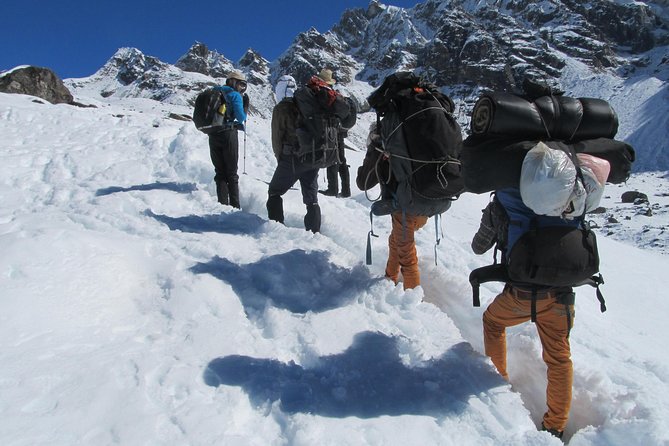
This trek is for you if you want Everest in the frame, but also want effort and variety. The “three high passes” concept matters because each crossing usually brings a new set of ridges, valleys, and weather shifts to manage. It’s the difference between walking a straight line and doing a proper loop-style challenge.
What I like about this style of route is that it teaches you mountain pacing. You’re constantly making small decisions: when to push, when to slow, and how to stay steady when your breathing starts working harder. That makes the whole thing feel more like skill-building than just ticking a bucket list.
And yes, you’ll be chasing big views. The Everest region is famous for it, but on this trek the panoramas come from movement. You’re not stuck at one viewpoint; the scenery shows up again and again as the route changes altitude and direction.
You can also read our reviews of more tours and experiences in Kathmandu.
Getting There: Kathmandu Morning Start and the Short Flight Piece
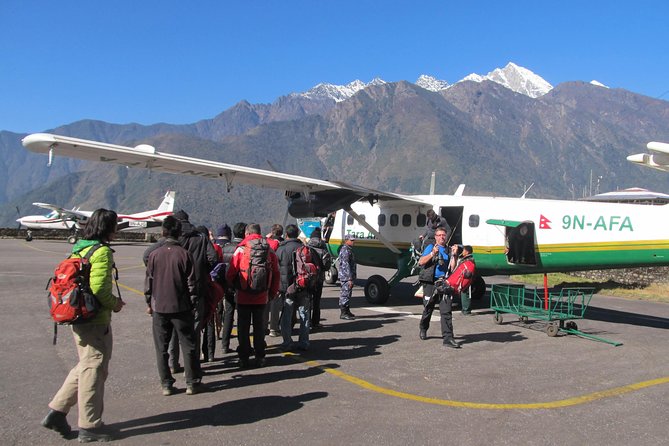
Your trip begins in Kathmandu, meeting at Tribhuvan International Airport (Ring Rd, काठमाडौँ 44600). The start time is set for 6:15 am, which tells you the day is meant to move early. If you’re the type who likes a relaxed schedule, plan to shift gears fast because the trek wants momentum right away.
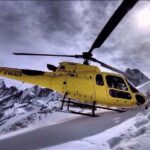
There’s also a short flight included before the main hiking really ramps up. That matters because it saves you the long travel time that can steal strength from acclimatization. It also helps you arrive in the trekking area ready to start walking, instead of spending days just getting to the trailhead.
If you’re coming in from another city or time zone, keep your day after arrival simple. Save the shopping and big meals for later. You’ll enjoy the experience more if you protect your energy for the first hiking days that follow.
The Trek Rhythm: Hiking Days, Altitude, and Keeping Your Pace Smart
This is a challenging Himalayan trekking experience designed for strong physical fitness. The trek includes hiking and trekking days that gradually build altitude pressure in the body. You’ll feel it most in how you breathe on uphill sections and how recovery feels after camp.
The trip also stresses that it does not require technical climbing knowledge. That’s good news, but it’s also a reminder: “not technical” doesn’t mean “easy.” High passes are still serious because you’re dealing with thinner air, wind exposure, and steep trail grades for long stretches.
Here’s what helps on a trek like this: stay consistent rather than heroic. If you go out too fast on early uphill segments, you’ll pay later at altitude, especially during pass crossings when conditions can turn. A good guide team will watch your pace and help you settle into a rhythm that you can maintain all day.
In the feedback from people who’ve trekked with this operator, a common theme is support that stays practical on the trail. Guides like Lok have been praised for helping hikers stay on track, and people also liked the ability to adjust the hike when circumstances require it. That flexibility can make the difference between pushing through discomfort and managing the day safely.
Crossing the High Passes: What These Days Really Demand
The “high passes” part is the headline for a reason. You’re moving over high points that can come with colder temperatures, more wind, and faster-changing visibility. Even if you’re comfortable hiking for hours, pass crossings ask for steadiness more than speed.
I’d also think of these days as mental work, not just physical work. Your legs may be okay, but your breathing and focus can feel different at elevation. When fatigue hits, it’s easy to make small mistakes like taking too-long stops or losing your warm-up routine. The good thing is that a caring local guide staff can keep you organized and moving in a controlled way.
Also, remember the weather factor. This experience requires good weather to run. That’s not just a legal note; it affects which routes are safe to attempt and how comfortable (or risky) the pass day becomes. If poor weather cancels the plan, you may get a different date or a full refund, depending on how it’s handled.
You’ll feel most confident if you prepare for a range of conditions, from sunny ridge walking to windy, colder segments. Packing for that reality matters more than obsessing over the forecast an hour-by-hour.
Viewpoints You’ll Chase: Everest-Region Panoramas and High-Elevation Stops
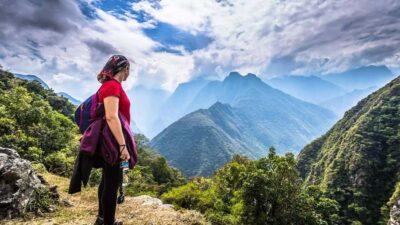
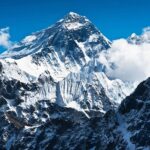
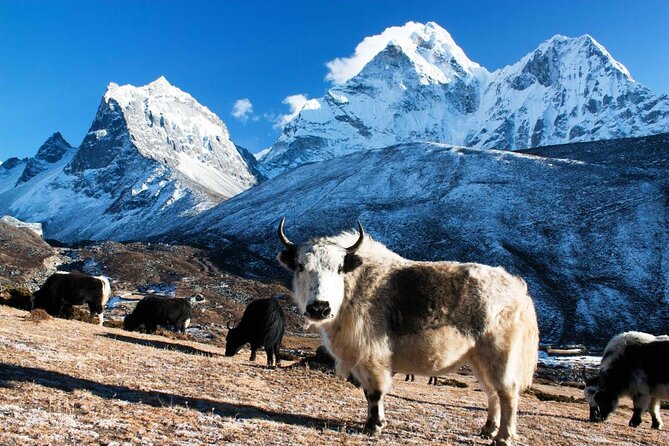
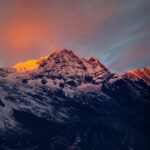
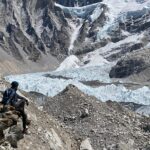
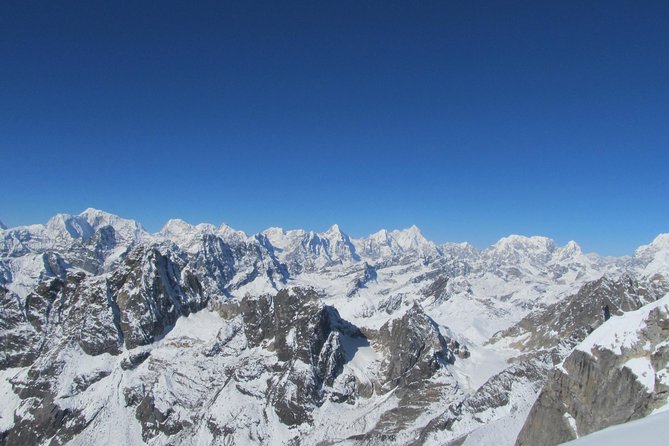
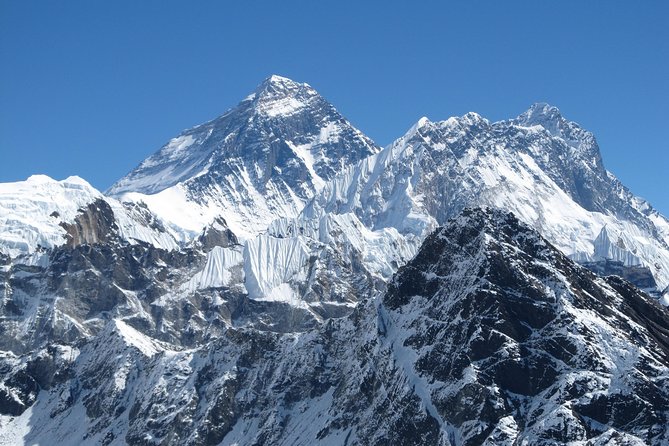
The trek is marketed around getting you to Mt. Everest and delivering Khumbu Himalayan region views. In practice, that means multiple elevated moments where you look outward and see the scale of the terrain. These aren’t just pretty breaks; they also give you a sense of where you are on the route and how the valleys connect.
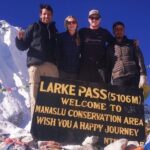
Some people’s experiences highlight the role of major viewpoint days in the Everest region, including areas like Gokyo Ri and high passes such as Renjo La (mentioned in trip context from the same operator family of treks). Even when the exact mix changes by season and conditions, the vibe is similar: you’re up early, you work for elevation, then you gain sweeping perspective.
If you enjoy photography, this is where you’ll likely want to be patient. The light can shift quickly at altitude, and clouds can wipe out views for a window of time. I’ve found the best approach is simple: take the photo, then relax and watch for the weather to change. That’s often when the mountains reward you.
If views are limited, don’t treat it as failure. On this kind of trek, the bigger win is how the route constantly changes the world around you, even on grey days. Your body learns the mountain, and your mind starts trusting the rhythm.
Sherpa Villages and Cultural Moments That Feel Real
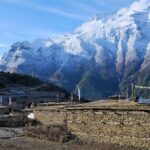
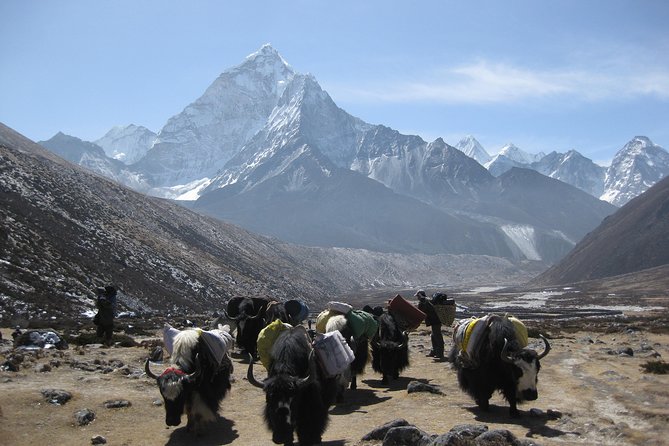
One of the best things about this trek is that it isn’t just about the highest points. It’s also about the ethnic Sherpa culture you pass through during the trek. You’ll notice it in how communities are built around the mountains and in the trail-side life that supports trekkers.
These cultural stops add value because they break up the physical intensity with human scale. When you’re at high altitude, everything feels bigger and more serious. A village stop brings you back to warm tea, practical conversation, and the feeling that you’re walking through a living place, not a theme park.
You’ll also appreciate that this trek doesn’t market itself like a technical expedition. That means the cultural side often stays accessible rather than forced into a rushed box-check schedule. The best guides keep the interaction simple: where you are, what you’re seeing, and how the locals live with the mountains shaping their days.
One more point I like: guide communication and reception. People have mentioned a very smooth start upon arrival, with reception handled by Suman and friendly trail companionship involving Sashi. That kind of warm landing makes it easier to focus on trekking instead of logistics.
Guides and Service: What Support Looks Like on a Real Trek
This experience is run by Three Jewels Adventures, using professional and caring local Nepali guide staff. The company also highlights over two decades of guiding experience in the region, and that matters more than it sounds when you’re dealing with altitude and weather.
What you want from a guide team on this trek is not just leadership. You want someone who can read your pace, notice when you’re struggling, and help you adjust without panic. In the feedback, guides like Lok were praised specifically for support and for flexibility based on circumstances. That flexibility shows up in how you manage energy during hard sections.
You’ll also benefit from the way communication seems to be handled before you go. People have singled out Amber for responsiveness from the first email through the trek and return to Kathmandu. On a high-stakes trip, calm communication reduces stress, and stress is wasted energy.
Finally, you’re trekking as a private group. That means the team can focus on you, rather than juggling a mix of abilities at the same time. A private setup often makes your pacing feel more personal and less rushed.
Fitness, Gear, and Altitude Reality Checks (No Technical Climbing Needed)
The description is clear that you don’t need technical climbing knowledge. That’s a big relief for you if you’re curious about Everest but don’t want rope work or rock-climbing skills.
But you still need strong fitness. Think endurance plus resilience. Your legs will work uphill and downhill, your lungs will work harder at elevation, and your body needs time to recover each day. If you’re not used to long hiking days, start training weeks in advance with steady uphill walks, stairs, and regular long sessions.
Gear-wise, keep it practical for cold and wind at higher points. You’ll want layers you can add or remove without fuss because pass weather can swing quickly. Foot care is also important because trail days can be long; plan on blisters being a potential issue if your footwear isn’t broken in.
Altitude reality check: even trained hikers can feel rough when elevation stacks up. That’s not a reason to panic. It’s a reason to take pacing seriously and listen to your guide. A strong guide team should help you manage discomfort and keep you safe as conditions evolve.
Price and Value: What $2,500 Really Buys in the Everest Region
At $2,500 per person, this trek is not cheap, and it shouldn’t be treated like a budget hike. So the real question is value: what’s included and what you’re paying for.
You’re paying for guided support by local professionals, private-group handling, and a structured multi-day experience in a remote, high-altitude environment. You’re also paying for the planning and safety work that goes into crossing high passes where weather can change quickly.
The trek includes services like pickup offered and a mobile ticket, which reduces friction before you even start walking. Also, the company’s long experience in the region is part of the pricing logic. In a place like this, experience isn’t a marketing line; it’s the difference between smooth day management and avoidable stress.
If you want a trek where the route is adventurous and the support is the kind that helps you keep going, this price can feel reasonable. If you want a light, casual vacation with minimal physical effort and minimal altitude exposure, it may feel too intense for what you’re trying to get out of your trip.
Who This Trek Suits (and Who Should Think Twice)
This trek suits you if you’re a confident hiker who wants the Everest region challenge without technical climbing. It’s a strong choice for experienced hikers who want a lifetime-type itinerary with high passes, cultural moments, and Everest-area views.
It’s also suitable if you’re traveling with family members who are in realistic hiking condition, as long as everyone understands that altitude is the real variable. One family-centered experience highlighted that people across ages could do the trek when they had solid support and a guide team capable of adjusting the hike when needed. That’s encouraging, but it still depends on individual fitness and acclimatization.
You might think twice if your fitness is below strong. If you struggle with long walking days at altitude or you’re prone to exhaustion, the pass days could be too hard. Even with a great guide, your body has to handle the elevation and hours on your feet.
Most importantly, be honest with yourself about motivation. The trek gives you big rewards, but it rewards patience. You’ll have a better time if you treat the climb as the experience, not just the destination.
Should You Book Everest Three (High) Passes Trekking?
Book it if you want an Everest-region trek that feels adventurous and complete, with three high passes, Mt. Everest access as a central goal, and Sherpa culture as part of daily life. I’d also lean toward booking if you value a guide team known for practical support, like the people associated with Lok, Suman, Sashi, and Amber.
Don’t book if you’re looking for a low-effort trip or if altitude makes you nervous without a strong fitness base. In that case, you’d likely enjoy a gentler itinerary more.
If your plan is set and your fitness is strong, this trek offers serious mountain time, not just sightseeing. And that’s the point.
FAQ
How long is the Everest Three (High) Passes Trekking?
The duration is listed as approximately 17 days.
How much does the trek cost?
The price is $2,500.00 per person.
Where does the trek start?
The experience starts at Tribhuvan International Airport, Ring Rd, काठमाडौँ 44600, Nepal.
What time does it start?
The start time is 6:15 am.
Where does the trek end?
The activity ends back at the meeting point.
Is this a private tour?
Yes. It is a private tour/activity, so only your group participates.
What kind of fitness level do I need?
You should have a strong physical fitness level.
Do I need technical climbing skills?
No. The trek does not require technical climbing knowledge.
Is pickup included?
Pickup is offered.
What is the cancellation policy?
Cancellation is free. You can cancel up to 24 hours in advance for a full refund, and it also notes the trip requires good weather. If it’s canceled due to poor weather, you’ll be offered a different date or a full refund.