REVIEW · KATHMANDU
Annapurna Sunrise Trek
Book on Viator →Operated by Himalayan Holyland Treks and Expedition · Bookable on Viator
Sunrise hits different when the trail is this close. The Annapurna Sunrise Trek (also called the Ghorepani Poon Hill Trek) is a short, guided trek that trades weeks of planning for big Himalaya views, plus real village life along the way. You get the comfort of private-group planning and airport pickup, then you’re out on the trail early enough to catch the famous panorama from Poon Hill.
I really like how the route balances exercise with atmosphere. You walk through forest-and-village scenery, then end up in places like Ghandruk with strong Gurung culture. One thing to consider: the mornings are early (the start time is 5:15 am), and the sunrise season can mean cold, sometimes crowd-heavy viewpoints.
In This Review
- Key Things You’ll Remember From This Annapurna Sunrise Trek
- First Morning in Kathmandu: Thamel Streets to Swoyambhunath Views
- The Kathmandu–Pokhara Transfer: A Long Drive That Feels Like Part of the Trip
- Nayapul to Ulleri: Forest Footsteps and a River Crossing
- Ulleri to Ghorepani: The Rise Toward the Main Viewpoints
- Poon Hill Sunrise: Where the Trek Earns Its Name
- Tadapani to Ghandruk and the Descent Into Village Life
- Ghandruk to Kathmandu: A Farewell Dinner and Some UNESCO Time
- Price and Logistics: Is $769.24 Good Value for a Short Trek?
- Guide Quality and Group Setup: The Human Part of the Trek
- Who This Trek Fits Best (and Who Should Rethink It)
- Should You Book the Annapurna Sunrise Trek?
- FAQ
- What is the duration of the Annapurna Sunrise Trek?
- Where do you start, and what is the start time?
- Do you get help getting to and from the airport?
- How do you get between Kathmandu and Pokhara?
- What permits or documents are included?
- What meals are included during the trek?
- What accommodation is included?
- Is insurance included?
- What costs are not included?
- Is free cancellation available?
Key Things You’ll Remember From This Annapurna Sunrise Trek
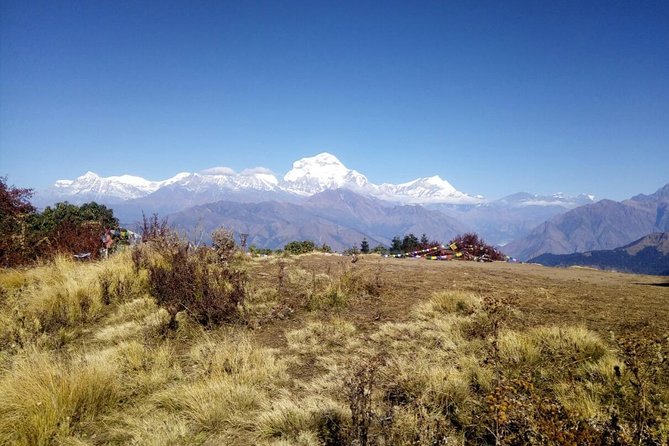
- Poon Hill dawn views from about 3,210 meters, aimed at Annapurna, Dhaulagiri, and neighboring peaks
- Private-group feel: only your group participates, with a professional guide leading the pace
- Porter support so you trek lighter (the plan includes porter coverage for baggage)
- Culture on the way down in Ghandruk, including Gurung museums and monasteries
- Meals and permits handled: trekking meals (B/L/D) and the ACAP Permit and TIMS card are included
First Morning in Kathmandu: Thamel Streets to Swoyambhunath Views
Your trip starts in Kathmandu, with pickup from Tribhuvan International Airport (or another agreed location) and a private vehicle transfer to your hotel. This is the right kind of start if you want your brain switched on for trekking without the usual first-day stress.
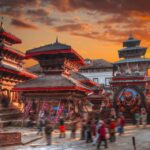
After you refresh, you’ll head to Swoyambhunath Chaitya near Thamel. It’s not just a quick photo stop. It gives you a sense of Nepal’s spiritual rhythm right away, and it sets the mood for what comes next. You’ll also get a brief walk-and-talk intro to the trek plan while you’re out in the Thamel area, so you get your bearings before the long drive south.
One underrated value here is timing. Instead of “arrive, crash, then wonder what’s happening,” you get a light cultural orientation and a clear explanation of how the trek runs.
You can also read our reviews of more tours and experiences in Kathmandu.
The Kathmandu–Pokhara Transfer: A Long Drive That Feels Like Part of the Trip
Next, you’re on a tourist bus from Kathmandu to Pokhara. Expect about 7 hours of drive time, with an early breakfast before you roll. The ride itself is scenic: terraced fields, dense forest, rocky gorges, and you’ll pass through areas with different ethnic communities. For a trek built around views, I like that the travel day starts training your eyes for changing scenery.
When you reach Pokhara, the plan includes downtime at your hotel and a relaxed break on Phewa Lake. You may even see reflections of Mount Machhapuchhre and the Annapurna range if the weather is clear. That’s a nice psychological boost before you head into the altitude climb of the trek.
In practical terms, Pokhara also gives you a buffer day. It’s your chance to get sleep, settle your gear, and mentally shift from “city logistics” to “mountain time.”
Nayapul to Ulleri: Forest Footsteps and a River Crossing
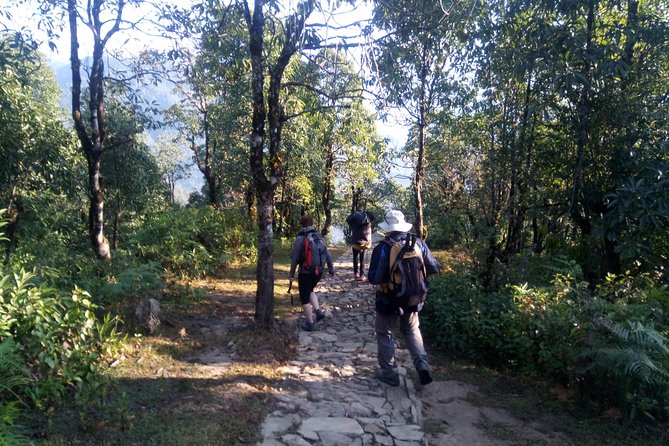
Day three begins with a drive from Pokhara to Nayapul at about 1,060 meters. The route is roughly 42 km and takes about 1.5 hours. Once you arrive, you start walking—so you trade a portion of sitting for actually feeling the trek in your legs right away.
The first stretch follows lush forest and the flow of nearby rivers. You’ll cross a suspension bridge over Tikhedhunga Khola, which adds a bit of thrill without turning the day into technical hiking. You also stop for lunch at Ramghai, which matters because on short treks, meal timing can make or break your energy.
Then the day asks for its first real climb: you ascend to Ulleri at about 1,960 meters. This is the kind of ups-and-downs that tests your legs gently but clearly. You’ll finish with dinner and sleep in Ulleri, which is exactly what you want at this stage—enough altitude to acclimate without exhausting yourself.
Ulleri to Ghorepani: The Rise Toward the Main Viewpoints
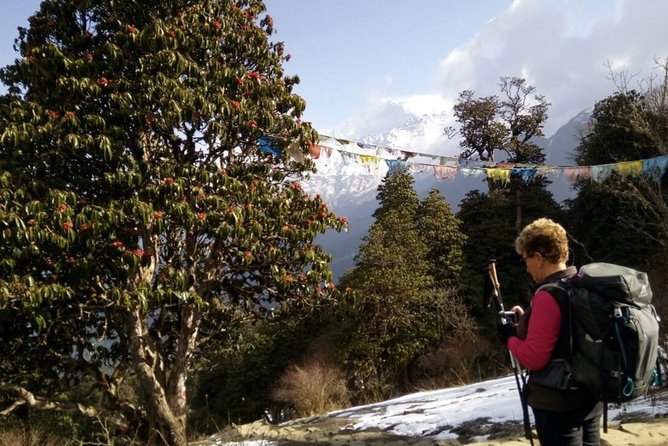
From Ulleri to Ghorepani, you’re looking at about 5.5 hours of trekking with a lot of climbing. This isn’t a flat “scenic stroll” day. The trail pushes upward through Banthanti and past sections with two rivulets before you do a final ascent to reach Ghorepani around 2,800 meters.
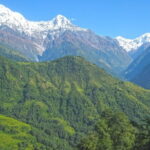
You’ll get views along the way too, including sightlines toward Machhapuchhre and surrounding green hills. The day also includes a lunch stop at Nangethanti. I like having this built in on short treks because it reduces decision fatigue. You can focus on walking and conserving energy instead of constantly negotiating what to eat and where.
Why Ghorepani matters: it’s the base area for the big sunrise morning. Getting there before Poon Hill daylight means you can settle in, sleep, and wake up on schedule for the early push. After you arrive, you stay in a guesthouse—simple, practical, and exactly what a short trek is meant to be.
Poon Hill Sunrise: Where the Trek Earns Its Name
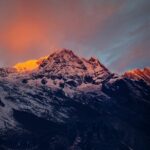
This is the “wake up, go now” day. You start early in the morning, hike up to Poon Hill (about 3,210 meters) before dawn, and then watch sunrise paint the Himalayas.
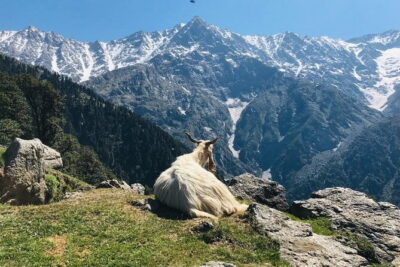
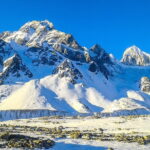
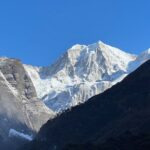
The views are aimed at several major peaks, including Dhaulagiri and the Annapurna range—plus peaks like Annapurna South, Fishtail, Himchuli, Thapa Peak, and others nearby. Even if you’ve seen photos before, the first time you’re standing in the cold with the sky changing color feels different. The mountain scale also hits you in a very physical way. You’re not looking at a wallpaper; you’re watching a real mass of rock appear and sharpen as light arrives.
After sunrise, you hike back down to Ghorepani for breakfast, then continue trekking toward Tadapani. The day is listed at about 6.5 hours total, and it includes both the morning climb and the downhill travel afterward. That’s the right structure for a short trek: reward first, fatigue second.
Practical note: this day will likely be the most emotionally intense and the most timing-sensitive. If you’re sensitive to cold mornings, layer up and take the warmth seriously. Sunrise mornings don’t wait.
Tadapani to Ghandruk and the Descent Into Village Life
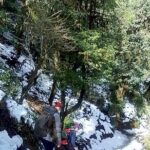
The next move is from Tadapani to Ghandruk, with continued trekking down toward Nayapul and transport back toward Pokhara. This is where the trek shifts tone. Instead of grinding uphill, you’re walking through quieter sections of forest and settlement life, with natural sights along the trail.
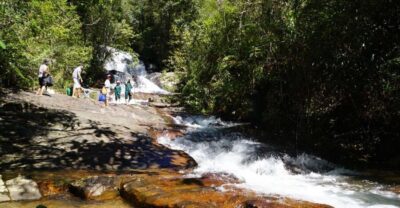
You might encounter monkeys and see rivers and waterfalls on the way down. Breakfast is mentioned at Bhaisi Kharka, and once you reach Ghandruk, you’re in a village known for its traditional Gurung houses and terrace scenery. The cultural stops are part of what makes this trek memorable: you can explore Gurung museums and monasteries as part of the visit.
Then the day turns practical again. You continue trekking down to Nayapul, finishing with your meal and onward transport. This is also a day where the pace can feel faster because you’re dropping elevation and heading back toward city comfort.
Ghandruk to Kathmandu: A Farewell Dinner and Some UNESCO Time
Your return is by tourist bus again. You’ll travel from Pokhara to Kathmandu in about 7 hours. The schedule includes a chance to explore major heritage sites back in the capital—Pashupatinath Temple and Durbar Square are specifically mentioned—if you have time and energy after a trekking week.
The day ends with a farewell dinner at a Nepali restaurant. That matters more than it sounds. On a short trek, you can feel like your trip happened quickly, and a communal dinner helps “close the loop” in a satisfying way. After dinner, you’ll be escorted to your hotel.
If you want one tip here: plan for a slow evening. Your body will feel the trek even if your mind wants to jump straight into sightseeing.
Price and Logistics: Is $769.24 Good Value for a Short Trek?
At $769.24 per person, this trek is positioned as a short, structured adventure with real support. The value isn’t just the view. It’s what’s handled for you.
Included in the package:
- Airport pickup and drop via a private vehicle
- Pokhara hotel accommodation on a bed-and-breakfast basis
- All transportation connected to the itinerary (Kathmandu–Pokhara by tourist bus; drives to trailheads)
- A professional guide for the trek
- Insurance for guide and porters (not for you)
- Trek meals three times daily (B/L/D) during the trek
- Required documents: ACAP Permit and TIMS card
- Porter support for baggage (including a “strong porter” setup described as 2 trekkers:1 porter)
Not included is also clear:
- Nepal visa, international flights
- Food and accommodation in Kathmandu
- Travel and rescue insurance for clients
- Personal expenses like hot showers, charging, bar bills, laundry, cold drinks
- Tips for guide and porter
So, is it a fair price? For a short trek that includes guide, permits, meals, and most transportation, yes—especially if you’d otherwise have to price those pieces out one by one. Where you’ll want to watch value is in the “not included” area: your own travel insurance and any extra charging or shower costs can add up. Still, compared with DIY trekking plus permits plus guiding plus baggage plans, this package is built to save you time and reduce surprises.
One more practical detail: confirmation is received at booking time, and you’ll get a mobile ticket. That’s a small thing, but it cuts down on last-minute scrambling.
Guide Quality and Group Setup: The Human Part of the Trek
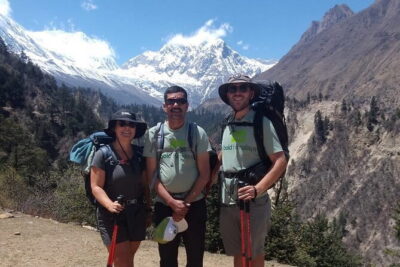
This is a private tour/activity, meaning only your group participates. That affects the feel of the trek. You’re less likely to be shuffled or stuck around other groups’ timing, and the guide can adjust pacing and attention for your group size and comfort level.
The guide experience specifically comes up in the feedback you can use to guide your expectations. A guide named Bijay is singled out for excellent support during preparations and strong communication about what people wanted to do and how they divided their time. That’s a good sign if you care about the route day-to-day rather than treating it like a conveyor belt.
In addition, porter planning is built into the trek. You’re not expected to haul everything yourself. If you pack smart (light layers, rain protection, and only the essentials), this structure makes a huge difference in how enjoyable the trek feels.
If you’re the type who wants your mountain time to be calm and focused—views, walking, and culture—this kind of guided setup is exactly where it pays off.
Who This Trek Fits Best (and Who Should Rethink It)
This is a short trek designed for moderate physical fitness. It’s ideal if you want a real Annapurna-region experience without committing to a longer multi-week trek.
It also fits you if:
- You like structured days with meals, guides, and clear pacing
- You’re excited by sunrise viewpoints but don’t want a complicated logistics project
- You enjoy village culture and not only scenery
- You want help carrying baggage so you can keep hiking energy for the views
You might want to rethink it if:
- You dislike early starts (the 5:15 am start time is not negotiable for sunrise-style trekking)
- You’re worried about cold mornings
- You want total independence without guides, permits, and planned transport
Should You Book the Annapurna Sunrise Trek?
I’d book this trek if your goal is simple: big Himalayan views on a short schedule, with guide support, permits handled, and enough cultural stops to make the trek feel like a lived-in journey rather than a box-checker climb.
Before you commit, double-check your own comfort with:
- early morning starts
- a fairly active climb day early on
- budgeting for your personal costs and making sure you have your own travel/rescue insurance
If that all sounds doable, this is one of those rare “short trip, strong payoff” options. You’ll spend a week moving between city comforts, lake views, forest trails, and village culture—then end with a sunrise memory you’ll keep replaying long after your boots come off.
FAQ
What is the duration of the Annapurna Sunrise Trek?
The trek is scheduled for about 7 days.
Where do you start, and what is the start time?
You start in Kathmandu, and the start time is 5:15 am.
Do you get help getting to and from the airport?
Yes. Airport pickup and drop-off are included in a private vehicle.
How do you get between Kathmandu and Pokhara?
You travel by tourist bus, with the Kathmandu to Pokhara drive taking about 7 hours. The return from Pokhara to Kathmandu is also about 7 hours.
What permits or documents are included?
The package includes the ACAP Permit and a TIMS card.
What meals are included during the trek?
Three meals per day are included during the trek: breakfast, lunch, and dinner (B/L/D).
What accommodation is included?
You get hotel accommodation in Pokhara on a bed-and-breakfast basis. Kathmandu food and accommodation are not included.
Is insurance included?
Insurance for the guide and porters is included. Travel and rescue insurance for clients is not included.
What costs are not included?
Not included are Nepal visa, international flights to/from Kathmandu, food and accommodation on Kathmandu days, personal expenses (hot shower, charging, laundry, bar bills, cold drinks, etc.), and tips for guide and porter.
Is free cancellation available?
Yes, free cancellation is available up to 24 hours in advance for a full refund.