REVIEW · KATHMANDU
Annapurna Full Circuit Trek
Book on Viator →Operated by Adventure Blossom Treks and Expedition Pvt.Ltd · Bookable on Viator
One high trail, and suddenly you get why Nepal hooks people. The Annapurna Full Circuit Trek is built for variety: early walks through fir and rhododendron forests, steady village-to-village days, and big Himalayan sightlines with Mount Annapurna and Manaslu in the mix. If you’re starting in Kathmandu, you’ll likely connect with Sunita for local orientation, then hit the trail with guide Himal, whose daily care style (health, appetite, sleep, and oxygen checks) is a big part of why this feels smoother than most treks.
I especially like two things: first, the way the route follows the full circuit while using trails to avoid jeep tracks in the Marshyandi Valley, so your trekking time stays more on foot and less on road. Second, the human scale of the journey—ethnic settlements along the way, then Manang village at higher altitude, where Manangi culture gives you that little-Tibet feeling. One thing to consider: the trek demands good altitude management and weather can matter, so you’ll want to take the guide’s pacing and safety checks seriously, not just chase the view.
In This Review
- Key highlights you’ll feel on this trek
- Why the Annapurna Full Circuit still feels like a real trek
- From Kathmandu to Syange/Jagat: the travel day that sets your rhythm
- Lower-altitude trekking: fir and rhododendron days
- Village-to-village life: meeting people along the circuit
- Manang village: where the little Tibet feeling becomes real
- The high crossing and how your guide helps you stay safe
- Meals, private transport, and the scuba equipment question
- Bottled water: what you should plan for
- Price and value: what $1,952 covers, and what it doesn’t
- Who this trek suits best (and who should pause)
- Practical tips to get more joy out of your 20 days
- Should you book this Annapurna Full Circuit Trek?
- FAQ
- What time does the trek start?
- How long is the Annapurna Full Circuit Trek?
- Is this trek private?
- What meals are included?
- Is bottled water included?
- Is the trek suitable for beginners?
- What happens if the trek can’t run due to weather?
Key highlights you’ll feel on this trek
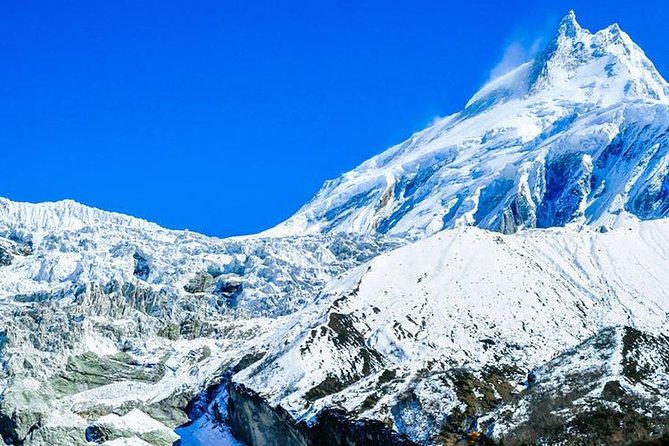
- Trail-first routing around jeep tracks so you keep the real walking vibe
- Manang village cultural days where the Manangi way of life looks distinct
- Guide Himal’s daily monitoring focused on your oxygen, sleep, and appetite
- Fast orientation in Kathmandu with Sunita before the trekking rhythm starts
- Private, party-only experience with private transportation included
Why the Annapurna Full Circuit still feels like a real trek
The Annapurna Full Circuit Trek has a reputation for a reason: it changes often. You don’t just get one type of scenery. You shift from lower-altitude forest walking into higher, thinner-air mountain country, with settlements at human pace along the way.
Even better, this version leans into the fact that Nepal is changing. Roads have appeared along parts of the circuit in the Marshyandi Valley. The plan here keeps you on trekking paths that help you avoid the jeep tracks. Translation: you spend more time moving through trails and local communities, less time watching vehicles pass by.
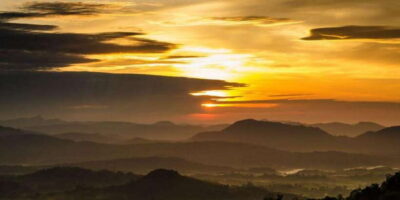
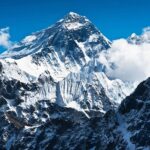
And yes, the views are a huge reason to come, especially the sightlines toward Mount Annapurna and Manaslu. But what makes this trek memorable is how those views land after days of forest and village walking, not as a one-off photo moment.
You can also read our reviews of more tours and experiences in Kathmandu.
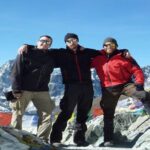
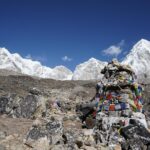
From Kathmandu to Syange/Jagat: the travel day that sets your rhythm
Your trip starts in Kathmandu with a start time listed at 7:15am. That matters more than people think. A morning start usually means you get into motion early, and you avoid losing your first trekking-day energy to slow logistics.
From Kathmandu, you travel to Syange/Jagat via Beshisahar. This route is important because it builds the acclimatization arc. You begin lower down, moving through thick fir and rhododendron forests. That forest stretch can feel like a warm-up, both physically and mentally. It’s also where you often see the day-to-day Nepal that doesn’t require altitude sickness rumors to be interesting.
If you’re the type who likes clear structure, the private setup helps. This is a private tour/activity, meaning it’s only your group. Private transportation is included too, so you’re not doing the annoying scramble of matching schedules with strangers right before your trek begins.
Lower-altitude trekking: fir and rhododendron days
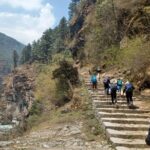
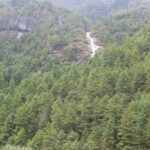
Those early days are where the trail feels most varied in a gentle way. Thick fir and rhododendron forests show up at lower altitude, which usually means cooler walking temperatures than the higher sections.
This is the part of the trek that teaches you how to pace. When the trail is shaded and the air feels more forgiving, you can walk steadily instead of constantly waiting for the next steep moment. And because the trek follows the circuit route, you’re not stuck in one valley mood for too long.
If you love trekking that mixes scenery with small human moments—houses, shops, tea stops, and familiar faces returning over multiple days—these forest sections set the tone.
Village-to-village life: meeting people along the circuit
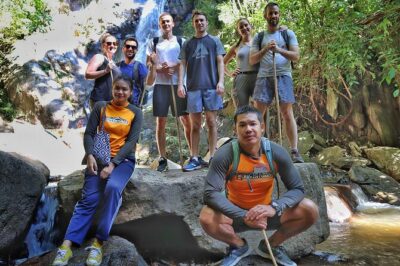
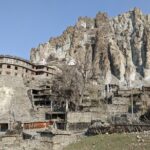
One of the best parts of an Annapurna circuit trek is simple: you don’t just pass through Nepal, you move through it. This trek goes through human settlements belonging to diverse ethnic groups. You’ll have chances to meet local people, not just stare from the trail.
Those encounters are also where the trek becomes more than a physical challenge. You start noticing daily rhythms: how people run errands, where they gather, and how mountain life stays practical even when the views are dramatic.
Because roads have touched some circuit sections, this version tries to keep you on trails to avoid the jeep tracks in the Marshyandi Valley. That matters here too. Trails often mean more direct contact with villages and less of that disconnected, roadside feeling.
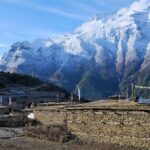
You’ll also keep seeing major Himalayan peaks—Mount Annapurna and Manaslu come into view as you gain altitude. The trick is learning to enjoy those views without turning your whole day into a photo session. The best days are the ones where you hike, arrive, rest, then look again when the light changes.
Manang village: where the little Tibet feeling becomes real
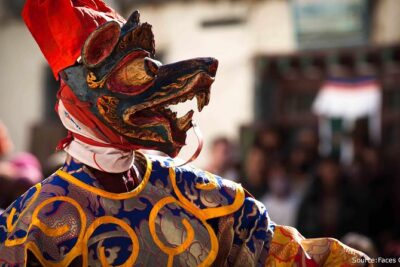
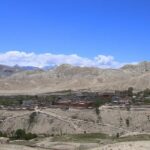
At higher altitude, you visit Manang village. That’s a standout cultural step for the trek. Manang is linked to a distinct Manangi culture and traditional lifestyle, and the result is that you can feel like you’ve shifted regions inside Nepal.
This is also where many trekkers notice the pace changing. Higher altitude affects breath, sleep, and appetite. That’s exactly why having a guide who stays attentive to your body can be such a relief. In reviews of this company, guide Himal is praised for checking health/appetite/sleep/oxygen every day, not just handing you a map and hoping for the best.
So in Manang, think of two goals:
- Take in the cultural atmosphere and the sense that the region feels different.
- Let your body catch up to altitude in a way that’s guided, not guessed.
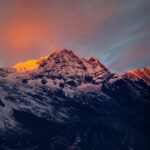
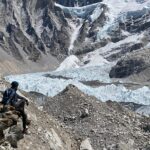
The high crossing and how your guide helps you stay safe
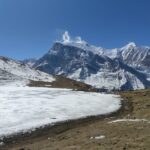
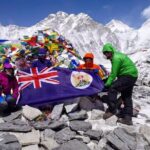
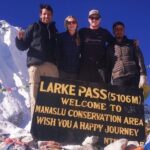
An Annapurna Full Circuit Trek includes a high crossing—one review specifically highlights the Thorang-la pass experience. That tells you what kind of climb-and-descent rhythm you’re signing up for: you’ll likely spend long hours moving upward, then deal with cold, thinner air near the top, and finally head back down toward lower ground.
This is where the tour’s guidance style matters. Himal’s approach (daily oxygen and sleep/appetite monitoring, plus adjusting plans according to conditions) is what can turn a scary-feeling trek into a manageable one.
Here’s the practical takeaway for you: don’t treat these check-ins as formality. If your guide says slow down, eat a bit more, or rest, listen. On high passes, your body sends messages early—breathing, fatigue, appetite, and sleep quality.
Also, take the weather requirement seriously. The trek needs good weather, and if it can’t run due to poor conditions, you should expect a different date or a full refund offer depending on what’s available.
Meals, private transport, and the scuba equipment question
This package includes breakfast, lunch, and dinner. That’s a big deal on a multi-day trek, because it reduces guesswork. You don’t want to spend your energy hunting for meals while you’re also trying to acclimatize.
Private transportation is included as well, which usually means less stress at the start and fewer schedule headaches before you’re fully committed to hiking days.
Now, one item that raises eyebrows: the included list mentions the use of scuba equipment. For a trekking-only itinerary, that can feel mismatched. I don’t want to assume how it will be used on your specific dates. Instead, treat it as a question worth asking your operator before you go:
- Will the scuba gear be used at all during your program dates?
- If not, can you swap it or get clarity on why it’s included?
Even if it ends up being irrelevant, you’ll feel better going in with a straight answer.
Bottled water: what you should plan for
Bottled water is not included. Simple, but important. Bring what you prefer and plan on buying or filling water as the trek requires. The “not included” detail is the kind that can change your day-to-day comfort, especially when you’re tired and don’t want to negotiate for supplies.
Price and value: what $1,952 covers, and what it doesn’t
At $1,952 per person for an approximate 20-day trek, you’re paying for a full package that covers more than just guiding. Included items list:
- Breakfast, lunch, dinner
- Private transportation
- Trekking guide
- Use of scuba equipment (again, clarify if it matters)
- Mobile ticket
- Pickup offered
So where is the value? Mostly in the combination of meals + private logistics + ongoing support from a guide who actively tracks oxygen and wellbeing. That daily attention can be the difference between tough days that still feel safe and tough days that feel chaotic.
Where you might spend extra, based on the listed exclusions:
- Bottled water
Beyond that, the provided details don’t specify other trekking extras, so you should confirm what’s covered before you budget too tightly.
If you like to travel with structure—especially for a high-altitude route—this price can feel fair. If you’re trying to keep costs ultra-low and you’re the kind of traveler who prefers total self-planning, you may see this as more than you need. But for many people, the guide support is exactly the reason they’re willing to pay.
Who this trek suits best (and who should pause)
This is listed as requiring moderate physical fitness. That’s encouraging, because it suggests the trek isn’t aimed only at elite endurance athletes. Still, moderate doesn’t mean easy. A full circuit trek is long, and altitude is real.
This private format is a good fit if you want:
- A guide focused on your group’s pace
- Predictable service (meals, transport, daily monitoring)
- A smoother adjustment to conditions (plan changes based on how you’re doing)
It can also work nicely for groups that want a more personal experience, since only your group participates.
Who should pause? If you know you struggle with altitude in general, or you’re inconsistent with walking stamina, don’t just hope for the best. The guide’s oxygen monitoring is helpful, but you still need a body willing to do the work.
Practical tips to get more joy out of your 20 days
A great trek is partly weather and route, but mostly how you manage your energy. Here are a few practical moves that match what this program emphasizes.
- Treat the guide check-ins as your dashboard, not an extra. If Himal tracks oxygen, sleep, and appetite every day, use that feedback to keep your pace realistic.
- Start early with the mindset of a long day. The 7:15am start time shows you’re building a routine right away.
- Plan around bottled water not being included. Decide what you’ll bring, and don’t wait until you’re tired on day one.
- Clarify the scuba equipment item if you care about it. You’re paying for a set package; it’s fair to get clarity.
And one more thing: take the people seriously. Meeting diverse ethnic groups along the circuit, then seeing Manang’s Manangi culture at higher altitude, is the heart of this trek. The big peaks are incredible, but the trail between them is what stays with you.
Should you book this Annapurna Full Circuit Trek?
If you want a classic Annapurna Full Circuit experience with a guide who actively watches your oxygen and daily wellbeing, I think this is a smart choice. The combination of meals included, private transportation, and the trail-first approach that avoids jeep tracks in the Marshyandi Valley supports the kind of trek that feels both adventurous and well-managed.
Book it if you:
- Want Manang village and that distinct higher-altitude cultural feel
- Like the idea of a guide who adjusts plans to match conditions
- Prefer structure and daily support over total self-navigation
Consider looking elsewhere (or at least asking sharper questions) if:
- You dislike programs that include gear items that feel unrelated, like the scuba equipment, without clear explanation
- You’re expecting a low-effort trek with no serious altitude impact
If you match the moderate-fitness level and you respect the guide’s safety signals, you’re set up for a memorable circuit—one that blends mountain drama with real human-scale moments.
FAQ
What time does the trek start?
The start time is listed as 7:15am.
How long is the Annapurna Full Circuit Trek?
It’s listed as 20 days approximately.
Is this trek private?
Yes. It’s described as a private tour/activity, so only your group participates.
What meals are included?
Breakfast, lunch, and dinner are included.
Is bottled water included?
No. Bottled water is not included.
Is the trek suitable for beginners?
It’s listed for travelers with a moderate physical fitness level. That suggests you should be comfortable with multi-day trekking, but it’s not marketed as beginner-proof.
What happens if the trek can’t run due to weather?
The experience requires good weather. If it’s canceled due to poor weather, you’ll be offered a different date or a full refund.