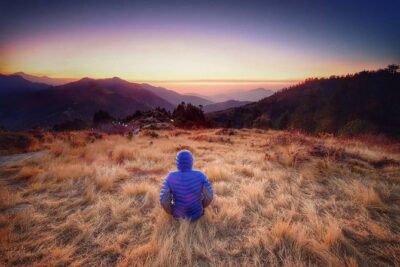
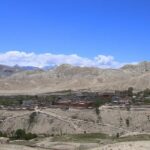
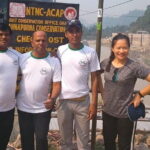
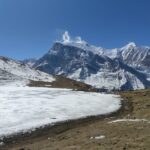
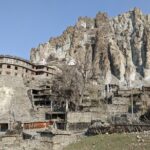
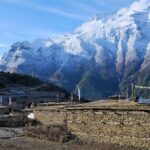
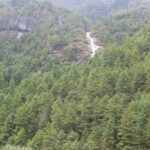
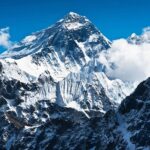
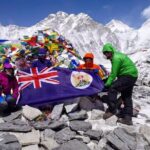
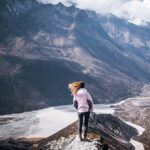
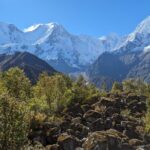
Poon Hill sunrise turns the mountains into cinema. This nine-day trek is interesting because you’re hiking through the Annapurna Conservation Area on an easy-to-follow route with big payoff views, and the company handles the logistics: guides, meals, sleeping bags/down jackets, and lodging. I especially like the early-morning option at Poon Hill (when the peaks usually look their best) and the way the walk moves from villages into forest ridges with real variety. The one possible drawback: it’s a steady trek in mountain terrain, so you’ll want a decent walking base and smart layering for cool mornings and evenings.
You’ll also get a practical Kathmandu–Pokhara–back route, so you’re not spending extra days on complicated transfers. That matters, because your energy is best saved for the trails—especially the sunrise push.
In This Review
- Key highlights you’ll actually feel on the trail
- Ghorepani Poon Hill in 9 days: the smart taste-test of Annapurna views
- Kathmandu first: Thamel on arrival day
- The bus ride to Pokhara: comfort with a view payoff
- Nayapul to Ulleri: waterfalls, bridges, and that first close view
- Ulleri to Ghorepani: rhododendron ridges and Gurung hospitality
- Poon Hill morning: peak views without technical skills
- Tadapani to Ghandruk: a descent with cultural stops built in
- Back toward the lowlands: Ghandruk to Nayapul, then Pokhara
- The long drive back to Kathmandu: riverside scenery and local settlements
- Final Kathmandu day: drop-off before your flight
- What’s included (and what that means for your wallet and comfort)
- Transport and guide support: private, structured, and responsive
- Price of $439: where the value comes from
- Who should do this trek (and who might reconsider)
- Should you book the 9-day Ghorepani Poon Hill trek?
- FAQ
- What time does the tour start and where do we meet?
- Is pickup offered from the airport?
- How do we get between Kathmandu and Pokhara?
- Are meals included during the trek?
- Is accommodation included?
- What trekking gear is provided?
- Is travel insurance included?
- What’s not included in the price?
- Is this a private tour?
- Is there free cancellation?
Key highlights you’ll actually feel on the trail
- Poon Hill early start: named peaks like Nilgiri, Hiunchuli, Annapurna I and South show up in one classic viewpoint
- Forest-to-village rhythm: rhododendron and oak sections mix with Gurung communities and stone-paved paths
- Gear and warmth support: complimentary sleeping bags and down jackets reduce what you need to pack
- Meals handled: breakfast (9), lunch (5), and dinner (5) means fewer food decisions while hiking
- Mountain-view culture stops: Ghandruk adds museums/temples/monastery time without derailing your trek
Ghorepani Poon Hill in 9 days: the smart taste-test of Annapurna views
This trek is built for people who want the Annapurna region’s wow factor without technical climbing. You’re walking through the foothills, then working up to viewpoints that commonly show a huge sweep of snowy peaks. The route is also varied enough to keep the days from feeling repetitive, which is a big deal on a 9-day schedule.
One thing I like about this plan is that it’s not just about a single viewpoint. You get long-distance perspective from Poon Hill, sure—but you also get closer views as you pass through places like Ulleri and Ghandruk, where the mountains sit right in front of you.
You can also read our reviews of more tours and experiences in Kathmandu.
Kathmandu first: Thamel on arrival day
Your trip starts at Tribhuvan International Airport with a representative meeting you and taking you to a Kathmandu hotel. The timing is practical: the start time is listed as 7:45 am, so you should get your bearings fast and avoid losing a day to delays.
For your afternoon, you’re in Thamel—known for Newari art, culture, and architecture. It’s a good setup because you can walk around, grab any missing essentials, and get comfortable with Nepal’s pace before your first long transfer.
The bus ride to Pokhara: comfort with a view payoff
On day two, you’ll travel by tourist bus from Kathmandu to Pokhara via the Prithvi Highway. The drive passes through green hills in western Nepal, with a notable stop as you cross the suspension bridge at Muglin. You’ll also stop for lunch in Dumre before continuing on.
What I’d call the real value here is that this isn’t a stressful transfer. You spend time watching the country unfold rather than navigating logistics, and by the time you reach Pokhara you should get a distant glimpse of the Annapurna range and Machhapuchhre. That first taste matters because it helps you understand what you’ll be chasing on foot.
Nayapul to Ulleri: waterfalls, bridges, and that first close view
Day three is when the hiking truly begins at Nayapul after a short ride from Pokhara via Lumle. Early on, you’ll see vegetation change as you gain elevation—an easy way to notice the altitude even before the big climbs.
Then you follow the Bhurungdi Khola bank, ascending toward Hile through Birethanti. After lunch in Hile, the route keeps moving: suspension bridges, small waterfalls, and moments where the mountains start to sharpen.
The highlight on this day is a close-up look at Annapurna South (7219m), followed by a continued climb to Ulleri via Tikhedhunga. It’s a long-enough day to feel accomplished, but still within the classic Ghorepani rhythm.
Ulleri to Ghorepani: rhododendron ridges and Gurung hospitality
Day four shifts your trek into a forest corridor with rhododendron and oak. You’ll walk past stone-paved paths and lush terrain, then work up a steep climb to a ridge point at Nangethanti.
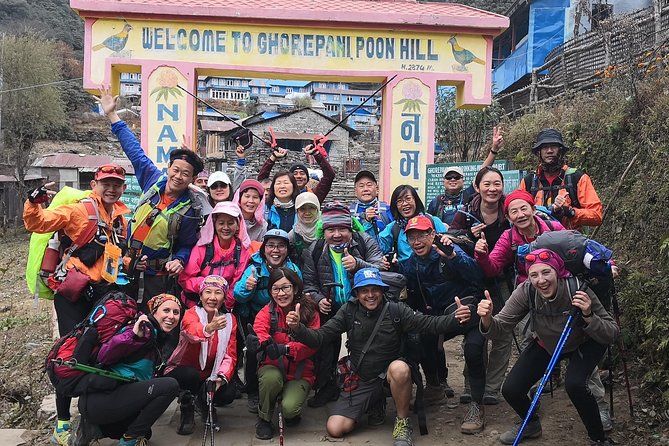
From there, the trail continues to Ghorepani, which is described as a gateway village to Poon Hill. You also get the human side of the trek here: Gurung communities and their hospitality are specifically mentioned as part of the experience, and it’s the kind of detail that can make a big difference when you’re tired and the weather turns.
In plain terms: this is a day for settling into mountain trekking life—steady walking, changing scenery, and a base village that feels like it’s already tuned for sunrise seekers.
Poon Hill morning: peak views without technical skills
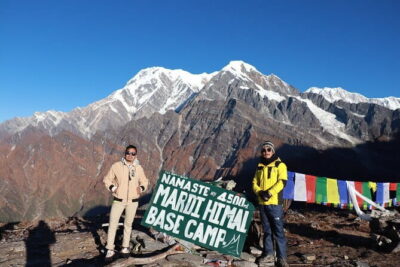
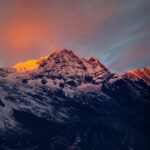
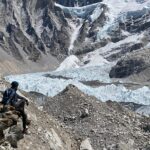
Day five is the reason most people come here. You start early in the morning and hike to Poon Hill via stairs and stony paths. The payoff is a sweep of major peaks, with named views including Nilgiri (7061m), Hiunchuli (6441m), Annapurna I (8091m), and Annapurna South (7219m).
Later, you return to Ghorepani and continue trekking toward Tadapani. The path goes through Deurali and heads toward Banthanti, with sections through rhododendron and bamboo forest. So even after the big viewpoint day, you’re not stuck in one-note scenery.
Practical tip from this route’s structure: plan on an early departure energy and keep your layers ready. Even when it’s cool, the morning climb usually feels easier than you expect—then you warm up fast when the sun finally shows up.
Tadapani to Ghandruk: a descent with cultural stops built in
On day six, you descend toward Ghandruk, with the itinerary calling out views of Annapurna South and Machhapuchhre along the way. You’ll move through rhododendron forest, cross small rivers, and follow trail sections past Bhaise Kharka.
By the time you reach Ghandruk, you don’t just get a bed—you get options. You can visit a local museum, a monastery, and nearby temples, and the village is noted as the second biggest Gurung Village with views to the north.
This is one of those days where the trek feels balanced. You get hiking effort, then a chance to slow down and understand the community you’re passing through. That mix is one reason this trek often feels more meaningful than a pure point-to-point hike.
Back toward the lowlands: Ghandruk to Nayapul, then Pokhara
Day seven brings you from Ghandruk to Nayapul after breakfast. The trail runs along Modi Khola, passing through Syauli Bazaar before reaching Birethanti and then Nayapul.
Once you arrive at Nayapul, you switch modes again: a short drive brings you back to Pokhara. That evening is your decompression time, and the itinerary specifically points you toward a stroll around Phewa Lake.
If you’re trying to feel the rhythm of the region—mountain morning, village afternoon, lake evening—this is where you get it. And psychologically, it’s also a nice win: the “return” day makes the trip feel complete.
The long drive back to Kathmandu: riverside scenery and local settlements
Day eight is a long transfer back to Kathmandu. You’ll pass through Dumre and Muglin, then drive along the Trishuli River. On the way, you may also observe communities including Brahmin and Chhetri settlements, which gives the drive a more cultural feel than a highway-only ride.
Lunch happens at Muglin, and then you head toward Thankot to reach Kathmandu for your overnight stay.
This day is more about comfort and closure. It’s also a good time to review what you want to remember most: the sunrise colors, the forest sections, and any moments where the peaks felt close enough to reach.
Final Kathmandu day: drop-off before your flight
On day nine, you’re back in Kathmandu with a last Nepal day. The plan includes a drop-off to the airport two hours before your scheduled flight. You’ll also have a chance to share your experience on the way.
I like this setup because it removes the stress of guessing timing. In mountain travel, that kind of built-in buffer is worth more than people think.
What’s included (and what that means for your wallet and comfort)
The trip is built around included meals and included core gear while trekking. Breakfast is included for 9 mornings, plus lunch for 5 days and dinner for 5 evenings. That’s a real budget advantage because you won’t be hunting for food in every village, and meals on trek days often get complicated without a plan.
You also get complimentary sleeping bags and down jackets. That can meaningfully cut packing weight and reduce extra rental costs. If you’re traveling light—or if you don’t want to buy trekking insulation for one trip—this is a practical win.
Lodging is included in Kathmandu and Pokhara, and your guide arranges accommodation while on the trek as part of the full logistics picture. There’s also a first aid kit and an English-speaking guide who has all expenses covered.
One important note for your budget planning: travel insurance is not included, and Nepal visa fees and tips for guide/porters/drivers are also not included. So your final cost depends on what you pay for insurance and any tipping decisions.
Transport and guide support: private, structured, and responsive
This is described as a private tour/activity, so only your group participates. That usually matters on a trek because you get less waiting around and more flexibility in how the days flow.
Your logistics include private transportation, and the Kathmandu–Pokhara connection uses a tourist bus. That mix is common for this region: you get a handled travel day, then you switch to trekking where the pace is yours.
From the wider team history shared in customer notes, support has a strong focus on friendliness and responsiveness. Names like Mr Saran and guides such as Kumar and Rosni show up in people’s write-ups, and there are also references to guides like Bikki (including meeting at the airport) plus porters who help keep everyone safe and encouraged. I can’t promise the exact same staff roster on your exact dates, but the pattern is clear: you’re not walking into this alone.
Price of $439: where the value comes from
At $439 per person, this trek can feel like a bargain if you compare it to the cost of cobbling together trekking guides, meal plans, and key gear rentals yourself. The big value drivers here are:
- Meals included on trek days (breakfasts plus lunches/dinners)
- Sleeping bag and down jacket provided
- English-speaking guide with expenses included
- Transport handled between Kathmandu and Pokhara
- Accommodation included in Kathmandu and Pokhara
The main cost you still need to plan for is travel insurance, plus visa and tipping. If you’re the type who already buys travel insurance and packs smart, this pricing can work well.
If you hate group-style schedules or you want total freedom to change daily routes on the fly, a structured trek like this may feel limiting. But the trade-off is you’re paying for less friction and more certainty.
Who should do this trek (and who might reconsider)
This trek is labeled as suitable for most travelers and keeps the route within the classic Ghorepani/Poon Hill framework. If you want peak views, village culture, and a manageable schedule without technical climbing, you’ll likely enjoy it.
You might reconsider if:
- Your walking tolerance is very low (there are multiple trekking days plus a viewpoint early start)
- You’re not prepared for cold mornings (even with down jackets provided)
- You want meals and lodging totally DIY (this trip is designed to handle them for you)
On the other hand, if you’re a first-time trekker, this route is a very direct “learn the rhythm” experience: you hike, rest, sleep in included lodges, eat without searching, and still reach the iconic sunrise moment.
Should you book the 9-day Ghorepani Poon Hill trek?
I’d book this if you want big Annapurna views with a structure that reduces stress: included meals, provided insulation gear, and a guide who keeps things moving. The Poon Hill sunrise is the headline, but the route’s real strength is variety—forests, village sections, and the Ghandruk cultural break that makes the trek feel more than just a view hunt.
If you’re budgeting carefully, build your total trip cost in your head: add visa, travel insurance, and plan for tipping. Once you do that math, this trek often lands in a sweet spot for value.
FAQ
What time does the tour start and where do we meet?
You meet at Tribhuvan Airport in Kathmandu, and the listed start time is 7:45 am.
Is pickup offered from the airport?
Yes. A company representative meets you after arrival at Tribhuvan International Airport and takes you to your hotel in Kathmandu.
How do we get between Kathmandu and Pokhara?
Transport to and from Pokhara is by tourist bus, with the road route via Prithvi Highway.
Are meals included during the trek?
Yes. Breakfast is included for 9 mornings, and lunch is included for 5 days and dinner for 5 days while you’re trekking.
Is accommodation included?
Yes. Accommodation is included in Kathmandu and Pokhara, and the guide arranges accommodation as part of the trek logistics.
What trekking gear is provided?
You receive complimentary sleeping bags and down jackets.
Is travel insurance included?
No. Travel insurance is not included, and you’re advised to buy it before you go.
What’s not included in the price?
Not included are the Nepal visa fee, travel insurance, and tipping for guide(s), porter(s), and driver(s).
Is this a private tour?
Yes. It’s a private tour/activity, meaning only your group participates.
Is there free cancellation?
Yes, free cancellation is offered. You can cancel up to 24 hours in advance for a full refund.