REVIEW · KATHMANDU
14 Days Everest Base Camp Trek
Book on Viator →Operated by Eco Nepal Trekkers · Bookable on Viator
Altitude teaches fast on this trek. Starting in Kathmandu and ending back in the same valley rhythm, this itinerary mixes big Everest-region highlights with practical walking days so you can actually enjoy them. Two things I like a lot: the route is built around acclimatization stops, and the company’s setup makes the paperwork and logistics feel handled.
I also appreciate the human support, especially with a licensed guide and a porter shared between two clients. The team you’ll be traveling with is led by Pemba Tamang, and guides like Prayash get real praise for helping people through the tougher stretches without making it feel like a solo slog.
One thing to weigh before you book: the trek involves Lukla flights, and the schedule can shift depending on weather and flight availability. That doesn’t mean you should panic, but it does mean you should plan for some flexibility once you’re in Nepal.
In This Review
- Key things to know before you go
- Kathmandu Setup in Thamel: the calm start before the altitude work
- The Lukla Flight Day: road to Ramechhap, then a short hop into the Khumbu
- Namche Bazaar acclimatization: where you earn the right to go higher
- Tengboche: monastery atmosphere and those classic Everest views
- Dingboche and Nagarjun Hill: the rest day that still moves
- Lobuche, Gorak Shep, and Everest Base Camp: the glacier-edge feeling
- Kala Patthar at dawn (5,545m): the panorama you plan for
- The long return: back to Namche and down toward Lukla
- Kathmandu again: wrapping it up with a farewell dinner
- Price and value: what $2,200 buys (and what it doesn’t)
- Who this trek suits best (and who should think twice)
- Should you book this Everest Base Camp trek?
- FAQ
- Do I get picked up in Kathmandu?
- How do we get from Kathmandu to Lukla?
- Is an Everest Base Camp permit included?
- Are meals included during the trek?
- Is a guide included, and do I also get porter help?
- Where are we staying in Kathmandu?
- How do we return to Kathmandu at the end?
- Is travel insurance included?
Key things to know before you go
- Licensed trekking guide plus porter support (one porter per two clients) so your load stays reasonable
- Namche Bazaar acclimatization with a walk to Everest View Hotel for wide 360-degree views
- Tengboche monastery day with classic sunrise and sunset-style Everest views from the region
- Kala Patthar (5,545m) before dawn for the trek’s most famous panorama payoff
- Permits handled for Sagarmatha/Everest National Park and TIMS so you don’t scramble last minute
- All trek meals included (breakfast, lunch, dinner) plus a farewell Nepali dinner in Kathmandu
Kathmandu Setup in Thamel: the calm start before the altitude work
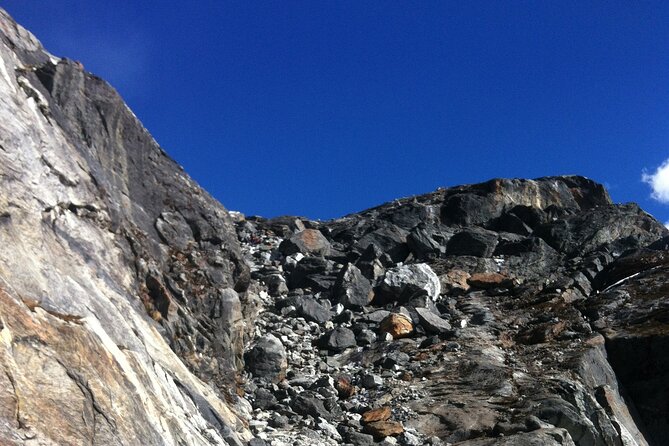
Your trip begins with airport pickup in Kathmandu and a ride to a hotel in Thamel. Thamel is where you’ll find easy access to shops, snacks, and trek prep needs, and this itinerary gives you an afternoon buffer to get oriented instead of jumping straight into long logistics.
I like the value of this first-day reset. It’s not glamorous, but it’s smart: you get a comfortable place to sleep before the flight day chaos that comes next. You’re also on twin sharing basis in a 3-star hotel for two nights, with breakfast included.
Tip: use this first afternoon to check your gear and make sure your day pack works for steep uphill sections. When you’re later carrying less weight thanks to the porter system, your day pack still has to be comfortable, and that’s easiest to fix before you get to the mountains.
You can also read our reviews of more tours and experiences in Kathmandu.



The Lukla Flight Day: road to Ramechhap, then a short hop into the Khumbu
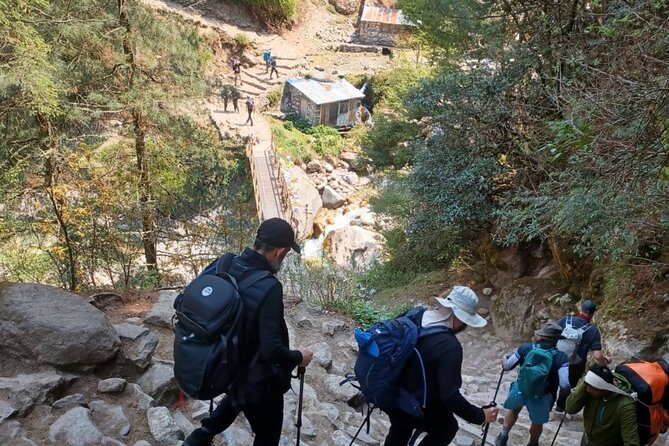
Day 2 is where the trip swings into high adventure. First you drive about 4–5 hours from Kathmandu to Manthali/Ramechhap, then you take a 20-minute flight to Lukla.
That sounds short, and it is, but the rhythm matters. The long road stretch before the flight means you should start the day with a full breakfast and keep your snacks and water ready. Also, this is one of the key points where weather can influence your overall flow, since later the return flight is also described as depending on flight availability and weather.
What I like here is that the itinerary doesn’t pretend the flight day is a walk in the park. It’s direct: ground travel, then air travel. You’re not asked to solve the transport puzzle on your own.
Namche Bazaar acclimatization: where you earn the right to go higher
After arriving in Phakding and starting the upward rhythm, you reach Namche Bazaar and spend time there deliberately. This is one of the itinerary’s strongest “value for effort” segments because Namche isn’t just a town stop. It’s an acclimatization tool.
On the day you enter the Sagarmatha National Park area (you pass through Monjo, the park entrance), you’ll walk through Sherpa communities like Benkar and Chumoa. That matters because the trek isn’t only about mountains. It’s also about human geography: you’re seeing how the Khumbu region lives, farms, and trades as altitude rises.
Then comes your acclimatization walk to the Everest View Hotel. You’re there for big payoffs: 360-degree views including Ama Dablam, Thamserku, Everest, Nuptse, and more. Even if you’ve seen photos before, your brain needs this kind of real-world scale to click into place.
Possible drawback to watch: Namche days can be “difficult but rewarding,” so don’t treat them like tourist strolling. Save energy for the next steps.
Tengboche: monastery atmosphere and those classic Everest views
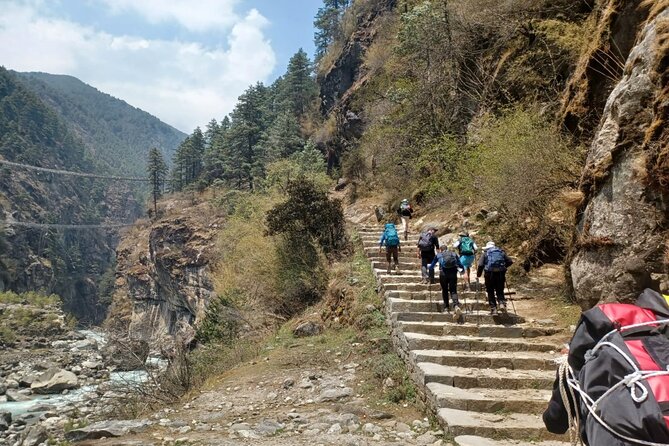
After Dingboche later, Tengboche is one of the most memorable spiritual-and-scenic days on the route. You start with a more leisurely walking feel compared to the steepest sections, and the day is built with photography in mind—prayer flags, stupas, and frequent mountain sightlines.
Tengboche is known for its ancient monastery, and the itinerary frames it as a highlight for a reason. This is where the Everest-region “mood” changes. The walk brings you into a space that feels older and more reverent than the trail towns.
Most importantly, you get sunrise and sunset-style views of Everest from this area. You don’t need a guide to tell you why that’s valuable. After days of walking and adjusting your breathing, having a planned viewpoint moment helps you feel the reward without rushing.
Practical tip: if skies look clear, don’t oversleep. Even when you think you’ve “got time,” cold air and wind can make mornings feel suddenly important.
Dingboche and Nagarjun Hill: the rest day that still moves
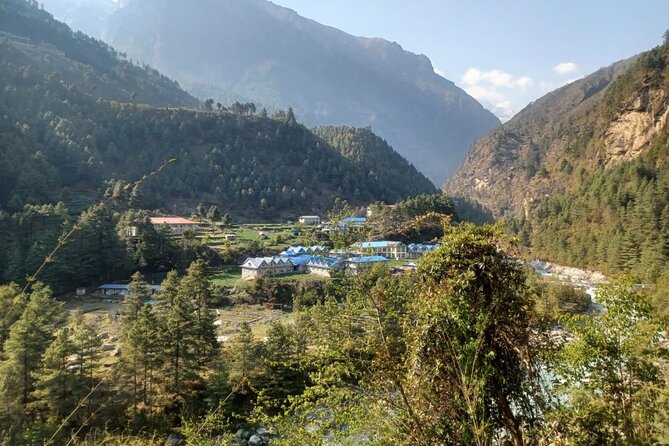
On the way to Dingboche, you pass through places like Pangboche, where you get views of Mt. Ama Dablam plus cultural markers like chortens and mani walls. It’s a reminder that this route is a living corridor, not just a line on a map.
In Dingboche you get another crucial acclimatization day. The itinerary keeps it lighter in the sense that you take it easy, but you also stay active with a short walk to Nagarjun Hill at around 5,100 metres. That’s smart pacing: you’re giving your body a chance to respond to higher altitude without exhausting yourself.
The upside is visible reward. The walk is described as leading to stunning views, and that tracks with what you want from acclimatization: not misery, but proof that your effort is working.
Consideration: acclimatization days can still make you feel “behind” if you go out too fast. Stick to the plan’s easy-then-active balance.




Lobuche, Gorak Shep, and Everest Base Camp: the glacier-edge feeling
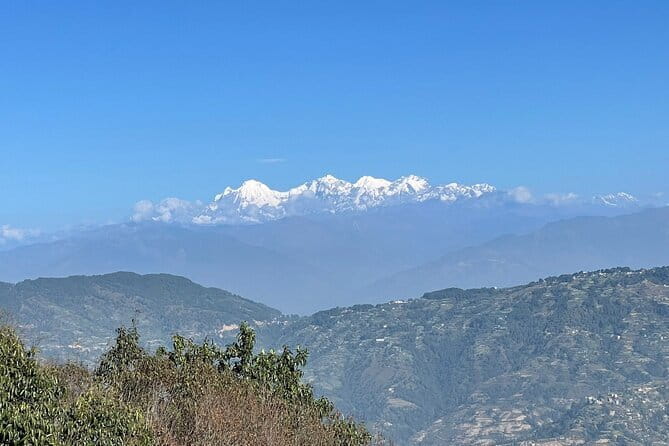
As the trek continues toward Lobuche, the walking starts to feel more alpine. You go through alpine brush and yak pastures, with towering views such as Ama Dablam, Tawoch, and Cholotse.
Then comes the day tied to the main goal. You reach Gorak Shep, set on the lateral moraine of the Khumbu Glacier, and from there you’re described as arriving at Everest Base Camp. That glacier-side setting can be a bit surreal. It’s not just about reaching a name on a chart. It’s about seeing the terrain that makes the entire expedition season possible.
I like how the itinerary gives you structure here. Instead of throwing you straight into the “big summit mental game,” it sets up base camp as a culmination of multiple steps—Namche, Tengboche, Dingboche—so your sense of arrival feels earned.
Practical tip: on glacier-adjacent days, keep your layers organized. Cold can switch on fast, and you’ll be moving from bright open areas into chill wind.
Kala Patthar at dawn (5,545m): the panorama you plan for
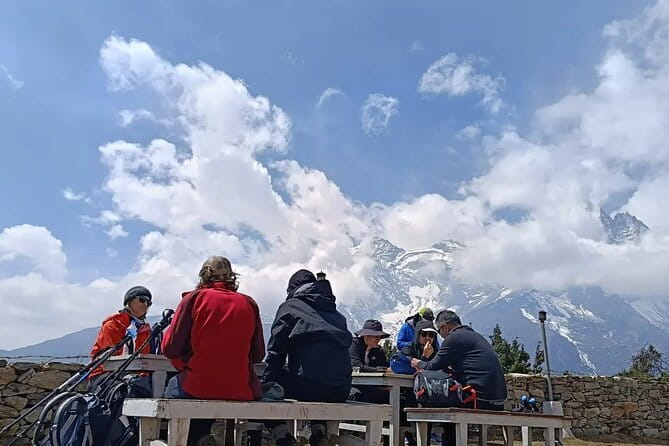
Day 10 is an early-morning mission. You head out before dawn for a strenuous walk to Kala Patthar at 5,545 metres. This is described as the trek’s highest point, and the payoff is a 360-degree panorama that includes Everest, Nuptse, Lhotse, and Ama Dablam.
If you like a single “main event,” this is it. You’ll likely feel the cold more than you expect, and your pace matters more than your speed. But when you’re rewarded with that wide view, it makes the effort feel clean and focused.
This is also where strong guiding makes a difference. A licensed guide doesn’t just know the route. They help set a pace that you can keep without turning Kala Patthar into a self-imposed endurance test.
The long return: back to Namche and down toward Lukla
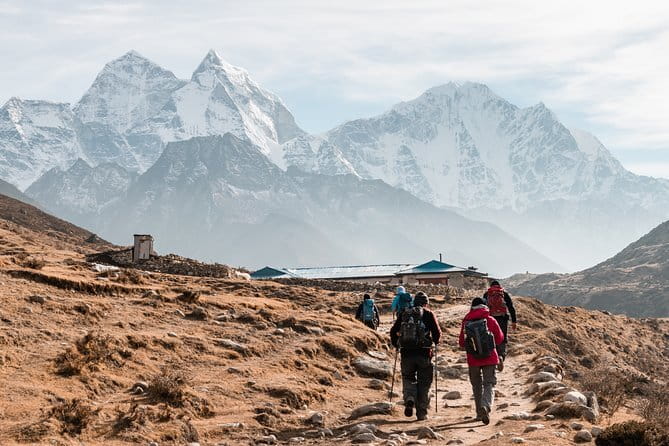
Heading back is not boring. Day 11 starts with the trail declining toward Namche but still includes uphill stretches. That combination can feel odd at first: you’re going down overall, yet your legs still work.
The itinerary notes a visual change too. Forests and flora return, and the scenery becomes more alive as altitude drops. You’ll likely notice air feels warmer and you may find it easier to breathe, though fatigue still accumulates after so many days.
Day 12 brings you to Lukla, making it your last day of hiking. Once you arrive, you’re set up with a night’s sleep so you can reset before returning to Kathmandu. For many people, the first night in a bed after a long trek is when the whole trip becomes real.
Kathmandu again: wrapping it up with a farewell dinner
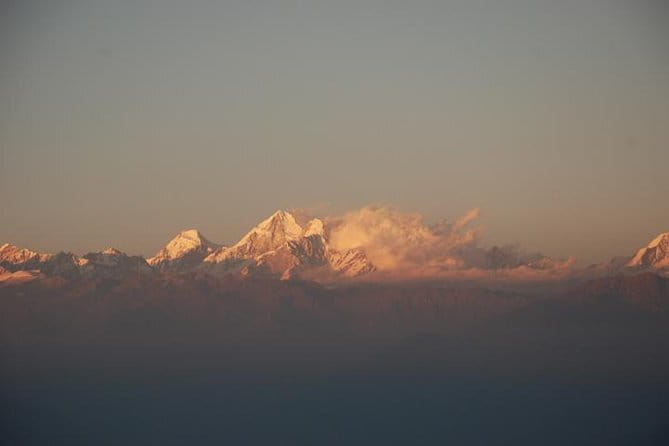
On Day 13 you travel back to Kathmandu depending on flight availability and weather, either by flight to Kathmandu or by returning via Manthali Airport. Once you’re back in the city, there’s time to shop and decompress.
Day 14 is a straightforward airport transfer three hours before departure, which is exactly what you want when you’ve been dealing with mountain timing and cold mornings.
What I like in the close-out: you get a farewell dinner in a typical Nepali restaurant plus an achievement certificate after you complete the trip. It’s small, but it gives you a clean emotional ending.
Price and value: what $2,200 buys (and what it doesn’t)
At $2,200 per person, you’re paying for more than the walking. This price includes several big-ticket items that often surprise people when they try to price an EBC trip themselves.
Included:
- Airport pickup and drop-off by private vehicle
- Domestic flight ticket LUK–RMH–LUK and domestic airport tax
- 2 nights in Kathmandu (3-star hotel, twin sharing, breakfast)
- Meals during the trek (breakfast, lunch, dinner)
- Permits for Sagarmatha/Everest National Park and TIMS
- Licensed trekking guide
- Porter support (1 porter for two clients)
- Staff wages, accommodation, and meals, plus related insurance/administrative costs
- Farewell dinner and an achievement certificate
Not included:
- Nepal entry visa fee
- International flights and international departure airport tax
- Travel insurance, specifically including high-altitude emergency evacuation coverage
- Your personal trekking gear and equipment
- Lunch and dinner in Kathmandu
- Hot shower, WiFi, bar and beverage bills
- Drinks and sweets during the trek
- Tips for guide, porter, and driver
So is it good value? For an EBC itinerary that includes permits, guide licensing, porter support, domestic flights, and trek meals, yes, this is the kind of package where you’re less likely to have nasty last-minute bills. The biggest “watch this” is insurance and the fact you’ll still pay for personal items and Kathmandu meals.
Also note: this is described as a private tour, with only your group participating, and it requires a minimum of two travelers. That can be great if you want control over your pace within the plan.
Who this trek suits best (and who should think twice)
This experience is listed for travelers with moderate physical fitness. That’s consistent with the itinerary’s demanding days: steep uphill sections, early departures (especially Kala Patthar), and multiple acclimatization walks that still require effort.
This trek is a great fit if you:
- want a guided EBC plan that handles permits and logistics
- like having a porter so you can focus on footing and breathing
- enjoy cultural stops like Tengboche and Sherpa community villages
- want planned viewpoints (Everest View Hotel, Kala Patthar) rather than chasing them on your own
Think twice if you’re not comfortable with high-altitude walking or if you can’t handle possible flight shifts due to weather and availability. That uncertainty is part of the Everest region.
Should you book this Everest Base Camp trek?
I’d book it if you want a solid, structured EBC trip with real support. The mix of acclimatization days, planned viewpoint payoffs, and included guide + porter + permits + trek meals is exactly how you protect your time and energy.
I’d hesitate if you depend on a rigid schedule with no flexibility. With Lukla flights tied to weather and availability, you’ll feel it if you can’t adjust.
If you’re ready for the work and you want a well-run package led by a team like Pemba Tamang, with guides such as Prayash already praised for support, this looks like a strong choice.
FAQ
Do I get picked up in Kathmandu?
Yes. A representative will pick you up from the airport in Kathmandu and take you to a convenient hotel in Thamel.
How do we get from Kathmandu to Lukla?
The itinerary has you drive from Kathmandu to Manthali/Ramechhap for about 4–5 hours, then fly for around 20 minutes to Lukla.
Is an Everest Base Camp permit included?
Yes. The tour includes necessary permits for Sagarmatha/Everest National Park and TIMS.
Are meals included during the trek?
Yes. Trek meals are included, with breakfast, lunch, and dinner provided during the walking days.
Is a guide included, and do I also get porter help?
Yes. You’ll have an experienced, government-licensed trekking guide. A porter is also provided, with one porter assigned to two clients.
Where are we staying in Kathmandu?
The tour includes 2 nights in a 3-star hotel in Kathmandu on a twin sharing basis with breakfast.
How do we return to Kathmandu at the end?
On the return day, you’ll take a flight to Kathmandu or return via Manthali Airport depending on flight availability and weather.
Is travel insurance included?
No. Travel insurance is not included, and the itinerary specifically notes that it should cover high-altitude emergency evacuation.