REVIEW · KATHMANDU
From Kathmandu: Guided Everest Base Camp Trek
Book on GetYourGuide →Operated by Info Nepal Tours and Treks · Bookable on GetYourGuide
Everest in 12 days needs smart support. I like how this trek aims you at the big ticket scenery—Everest Base Camp and the sunrise views from Kala Patthar—while also giving you real cultural stops like Tengboche Monastery. One thing to consider: you’re dealing with real mountain altitude and a challenging route, plus the Lukla flight depends on weather, so you’ll want a calm, flexible mindset.
What makes it feel extra workable is the people behind it. Info Nepal Tours and Treks coordinates in English, and travelers in the group have shared that communication starts early (including WhatsApp) with an organizer named Rajesh and that guides like Saran or Prayas can keep things clear day to day—plus they’ll help with the practical stuff when conditions get tough.
In This Review
- Key reasons this Everest Base Camp trek feels well managed
- The big idea: what Everest Base Camp gives you (beyond photos)
- From Kathmandu to Lukla: the start that decides your whole mood
- Day-by-day: how the route builds altitude safely
- Phakding to Namche Bazaar: the gateway feeling in your legs
- Acclimatization in Namche: why that extra time is worth it
- Tengboche: monastery views and a calmer kind of altitude
- Dingboche and a rest day: the route’s real safety valve
- Lobuche, Gorak Shep, and finally Everest Base Camp
- Kala Patthar sunrise: the extra climb that hurts so good
- Sherpa culture, monasteries, and the way this trek actually feels human
- Price and logistics: does $408 feel like value or a gamble?
- Comfort on the trail: what you actually need to plan for
- Who should book this trek (and who should rethink it)
- Should you book this Everest Base Camp trek?
- FAQ
- How long is the Everest Base Camp trek?
- Where does the trek start and end?
- Is an English guide included?
- Are domestic flights included in the price?
- Is the Sagarmatha National Park permit included?
- Is travel insurance included?
Key reasons this Everest Base Camp trek feels well managed
- English-speaking guides who can explain the plan clearly, so you’re not guessing at altitude choices
- Sagarmatha National Park permit included, so you don’t scramble for paperwork once you’re in the region
- A route built around acclimatization, including Namche Bazaar and an extra pause in Dingboche
- Tengboche Monastery visits, where prayer ceremonies and panoramic mountain views add meaning beyond photos
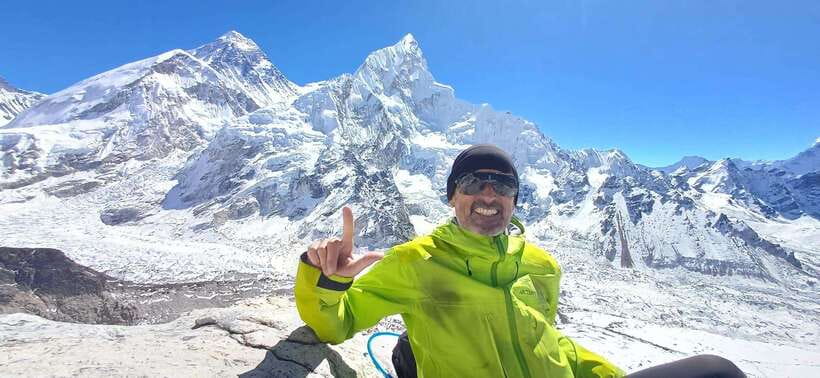
- Gorak Shep and Kala Patthar, the classic push for close-up Everest views at high altitude
- Welcome and farewell coffee, a small touch that makes the whole thing feel organized from start to finish
The big idea: what Everest Base Camp gives you (beyond photos)
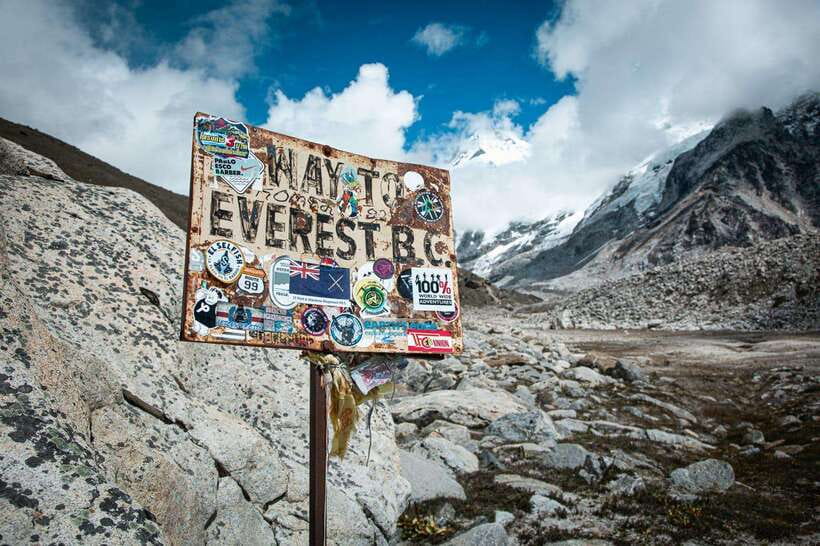
Everest Base Camp isn’t just a checklist stop. It’s the rare trek where “looking up” turns into “thinking about scale.” Day after day, you’re walking through Khumbu villages, then suddenly you’re surrounded by glaciers, icefall terrain, and the kind of mountain immensity that makes your brain go quiet.
This trek also keeps the experience balanced: you get the summit-day energy near the end, but you start by building rhythm first—especially around Namche Bazaar and Dingboche, where acclimatization is part of the route, not something you try to brute-force.
You’re also going through Sagarmatha National Park, a UNESCO World Heritage area. That matters because it’s not only about Everest. You pass through a protected Himalayan ecosystem where you might spot clues of rare wildlife such as snow leopards, musk deer, and Himalayan tahrs (and yes, it’s the kind of place where nature conservation is a real theme).
You can also read our reviews of more tours and experiences in Kathmandu.
From Kathmandu to Lukla: the start that decides your whole mood
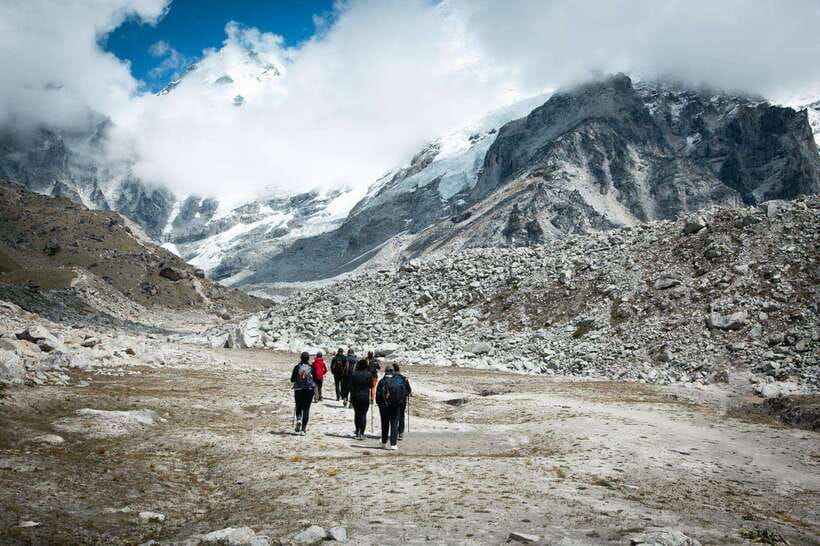
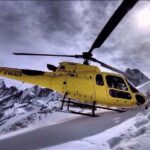
Most Everest Base Camp trips begin with a flight to Lukla, and this one can include roundtrip domestic flights if you select that option. Either way, the trek is structured to pick you up from Kathmandu and end by flying you back into Kathmandu.
Here’s the practical point: Lukla is high, busy, and weather-sensitive. If the flight schedule shifts, the whole experience can feel unpredictable. The upside is that the team is set up for this reality—small-group planning, an English guide, and the permit and route groundwork handled—so you spend less time stressing and more time adjusting.
Day-by-day: how the route builds altitude safely
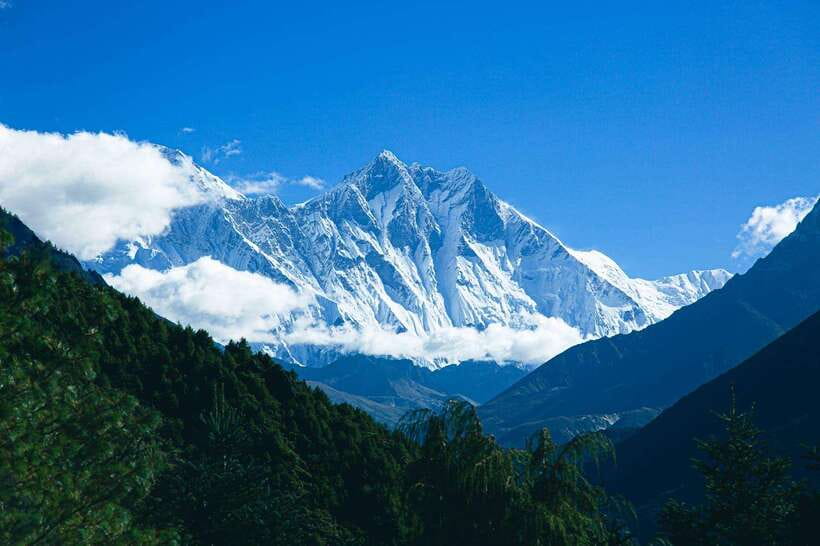
What I like about this 12-day plan is the pacing. It doesn’t jump straight to Everest-range altitude like it’s a video game. Instead, it layers effort with breathing time.
Phakding to Namche Bazaar: the gateway feeling in your legs
Your first trekking day takes you from Lukla to Phakding (2,610m), then onward to Namche Bazaar (3,440m). Early on, the walking is a mix of effort and scenery, which is exactly what you want when your body is still learning the altitude.
By the time you reach Namche Bazaar, you’re at the region’s rhythm hub. This is where most Everest dreams start making sense in real life. You can acclimatize, shop for local crafts, and get a feel for Sherpa life before you go higher.
Acclimatization in Namche: why that extra time is worth it
You’ll take a full acclimatization day in Namche Bazaar (3,440m). That matters because it helps your body process lower-oxygen conditions while you’re still in a place with services and people who know how this area works.
This is also where the “trekking brain” kicks in. You start thinking in small decisions: how fast to walk, how often to pause, and how to keep your breathing steady. It’s not glamorous, but it’s what keeps you comfortable later when trails get steeper.
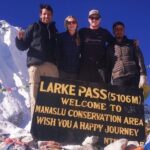
Tengboche: monastery views and a calmer kind of altitude
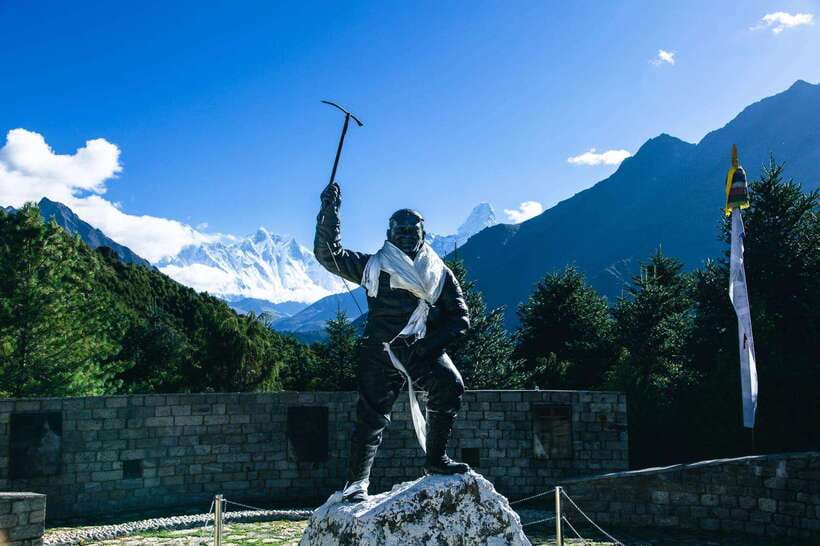
Next you climb toward Tyangboche (around 3,800m). This is where the trek gets emotionally louder. The Tengboche Monastery area is known for spiritual routines and daily prayer ceremonies, and the views over the Everest region can feel huge even when you’re not at the highest points yet.
If you like meaningful stops, don’t treat Tengboche as a quick photo break. The point is to slow down, watch the rituals, and let the altitude catch up to your thoughts.
Dingboche and a rest day: the route’s real safety valve
You’ll reach Dingboche (4,400m) and then get a rest day there. This is your second major acclimatization anchor.
At this height, your body is asking harder questions. A planned rest day is not wasted time—it’s how you reduce the odds of feeling wiped out later. It also gives your guide a chance to check in on how you’re doing and adjust your pace for the days that follow.
Lobuche, Gorak Shep, and finally Everest Base Camp
As you continue, you go higher to Lobuche (~4,900m), then on to Gorak Shep (~5,150m). Gorak Shep is the last settlement area before you push toward Base Camp.
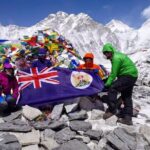
From there, you reach Everest Base Camp (about 5,364–5,365m). This is the moment that feels almost unreal: the Khumbu terrain, the icefall area nearby, and the sense that you’ve reached the world’s highest “working zone” for climbers.
If you’ve ever wondered whether the effort is worth it, this is where you find out.
Kala Patthar sunrise: the extra climb that hurts so good
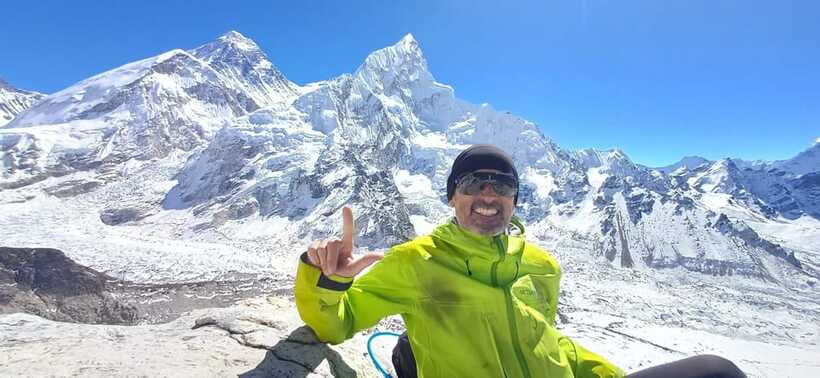
On the way back, you go for Kala Patthar (about 5,545m). This is one of those high-altitude choices that turns into the best photos, but only because you earn them first.
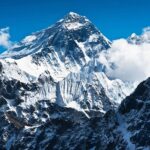
Kala Patthar is special because it’s known for close-up views of Mount Everest and the surrounding peaks during sunrise. Even if sunrise clouds don’t fully cooperate, the point is the experience of standing that high and seeing the range open up.
After that, you continue back down to Pheriche (~4,200m) and then work your way toward lower elevations again.
Sherpa culture, monasteries, and the way this trek actually feels human
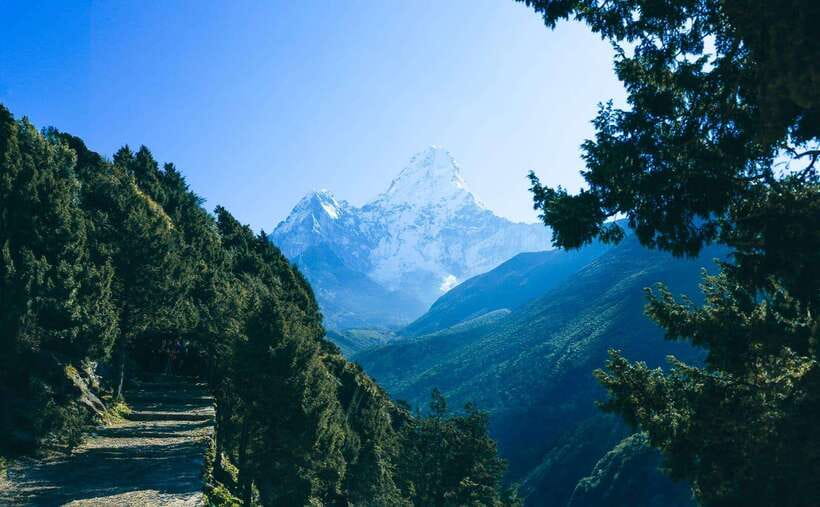
Everest Base Camp trekking is often sold as scenery first. The truth is, the culture makes the journey stick.
You move through Khumbu communities where Sherpa life is part of daily reality. You’ll see monasteries and witness Buddhist practice—prayer ceremonies, ritual spaces, and the calm routines that contrast with the “rush” your body feels while climbing.
One of the standout pieces from real solo experiences: travelers have emphasized how guides handled communication even when English was a challenge, and how they supported with practical needs—like helping manage heavier loads when someone’s energy dips. That kind of assistance doesn’t show up in marketing copy, but it changes the trip.
Price and logistics: does $408 feel like value or a gamble?
At $408 per person for 12 days, the value depends on what you select and what you expect.
Here’s what’s included:
- Hotel pickup and drop-off
- Accommodation during the trek
- Guide (English)
- Sagarmatha National Park permit
- Trekking map
- First-aid kit
- Welcome and farewell coffee
- Accommodation and food for the guide
- Food and drinks only if you choose the full board option
- Flights from Kathmandu to Lukla and back only if that option is selected
What’s not included:
- Nepal visa fee
- Travel insurance
So is it a good deal? For the Everest region, it’s most likely a fair price because core items are covered: your permit, your English guide, your sleeping arrangements during the trek, and the practical “start-to-finish” flow from Kathmandu. The main variable is food: if you don’t pick full board, you should plan extra budget for meals and drinks during trekking days.
Also, remember small-group trekking often means you’re paying for organization and human support, not luxury. If you want a softer, more private, high-comfort experience, you’ll likely need a different style of trip. If you want the real trek—with help—this kind of price can be sensible.
Comfort on the trail: what you actually need to plan for
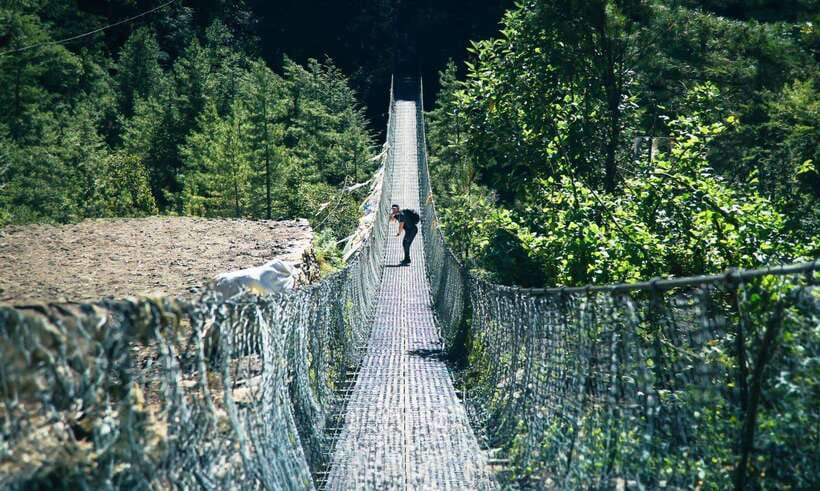
This trek includes accommodation and a guide, plus a first-aid kit and maps. That’s the foundation.
What you still need to take seriously is the mountain itself:
- Challenging ascents and descents
- Suspension bridges
- Rocky trails
- Daily altitude pressure as you climb from low 2,000s into the 5,000m zone
Also, because your highest points are near 5,500m, you’ll want to treat gear and pacing like part of the itinerary, not afterthoughts. Good guides usually keep you on a steady plan, and multiple guides (including Saran and Prayas, based on real experiences) have been described as helpful with English and day-to-day support.
Who should book this trek (and who should rethink it)
This Everest Base Camp route fits best if you:
- Want the classic highlights: Namche Bazaar, Tengboche Monastery, Gorak Shep, Base Camp, and Kala Patthar
- Like a structured acclimatization plan (Namche plus a Dingboche rest day)
- Prefer a small-group experience with an English guide
- Are comfortable with a physically demanding trek in high-altitude conditions
I’d rethink the booking if you:
- Have limited experience with steep trekking and altitude changes
- Expect a relaxed walk with minimal hardship
- Don’t want weather variability around the Lukla flight (even with a well-run trip, flight timing can shift)
Should you book this Everest Base Camp trek?
If you’re aiming for Everest Base Camp with real cultural stops and a hands-on English guide, this is a solid choice. The permit and guide support reduce friction, and the route planning around Namche and Dingboche is exactly what helps you finish feeling proud instead of wrecked.
My practical advice: ask yourself two questions before you pay.
1) Are you ready to respect altitude with pacing and rest?
2) Are you choosing full board (if available) so you’re not surprised by meal budgeting?
If you answer yes, book it. This is one of those trips where the hard parts turn into the story you’ll tell for years.
FAQ
How long is the Everest Base Camp trek?
The trip lasts 12 days.
Where does the trek start and end?
It’s based from Kathmandu. You fly to Lukla for the start (if you choose the flight option) and then fly back to Kathmandu at the end.
Is an English guide included?
Yes. The tour includes a live trekking guide in English.
Are domestic flights included in the price?
Roundtrip domestic flights from Kathmandu to Lukla are included only if you select that option.
Is the Sagarmatha National Park permit included?
Yes. The Sagarmatha National Park permit is included.
Is travel insurance included?
No. Travel insurance is not included, and you’ll need to arrange it separately.