REVIEW · KATHMANDU
Annapurna Base Camp Short trek
Book on Viator →Operated by Himalayan Partner Treks and Expedition · Bookable on Viator
Snow peaks, forests, and a sunrise at 4,130m. This Annapurna Base Camp short trek strings together villages, rhododendron and oak forests, bamboo stretches, and those classic Himalayan views—then rewards you with the famous morning light at altitude. Sunrise from base camp is the kind of moment you’ll remember long after your socks are dry again.
I love that the route feels varied without being technical: you go from terraced farmland to grassy meadows, from stone staircases to suspension bridges, and even into the calm (then dramatic) river valleys that shape the whole Annapurna region. I also like that the trip is run with a real human touch, and the reviews highlight that in a big way—people call out guides like Jog Gurung and Ganesh for being attentive and helpful, plus porters such as Phoindra Gurung, Osman, and Hori for keeping the day moving smoothly.
One thing to consider: this isn’t a walk in the park. Expect long hiking days (up to around 8 hours on the climb day) and a lot of stairs and steep sections, plus a long drive out and back to Pokhara. If you hate slow, uphill breathing breaks, plan accordingly.
In This Review
- Key highlights I’d bet on
- Kathmandu to Pokhara: your first reality check (and your first views)
- Ghandruk to Kimrong: first real taste of the Annapurna Range
- Chhomrong, suspension bridges, Sinuwa, and Deurali: the “stair day” workout
- The big climb: Macchapuchhre Base Camp to Annapurna Base Camp
- Sunrise at ABC: the moment you’ll want to talk about for years
- Sinuwa down to JhinuDanda: stairs, bridges, and a hot spring reset
- Back to Pokhara and Kathmandu: a softer landing
- Price and value: what $897.44 actually covers
- Who should pick this short Annapurna Base Camp trek?
- Book it or skip it? My call based on this route
- FAQ
- What’s the highest point on this trek?
- How many days is the Annapurna Base Camp short trek?
- Where do you start the trip?
- Are permits included?
- What meals are included during the trek?
- Is travel or medical insurance included?
- Do I need to tip guides or porters?
Key highlights I’d bet on
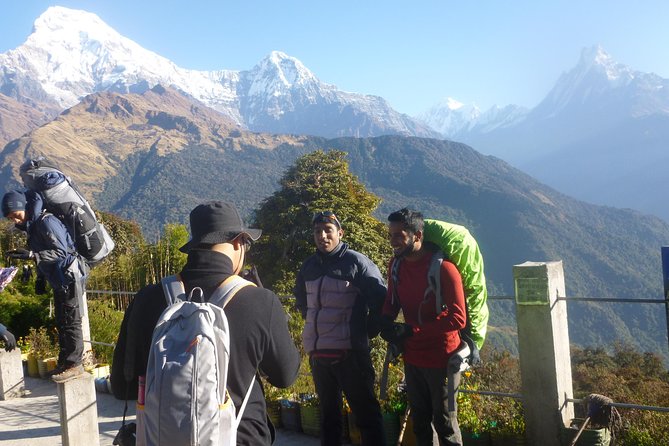
- Sunrise at Annapurna Base Camp (4,130m) with a short breakfast pause before heading down
- Multiple terrain moods: rhododendron/oak shade, bamboo forests, open grasslands, and suspension bridges
- Macchapuchhre (Fishtail) views up close via the approach through Macchapuchhre Base Camp
- Hot springs reward at JhinuDanda after big steps and big effort
- Strong guide/porter energy in past trips, with names like Jog Gurung, Ganesh, Osman, Hori, and Phoindra Gurung coming up often
- Permits and core logistics handled (TIMS included, guide team included, and meals while trekking)
Kathmandu to Pokhara: your first reality check (and your first views)
Your trek starts in Kathmandu, with the meeting point listed at Tribhuvan Airport. From there, the big move is the drive to Pokhara via the Prithvi highway. It’s a long ride, but it’s not just “getting from A to B.” You’ll pass terraced farmland, cities, and the Trishuli river—small windows of how Nepal’s hills actually work.
Pokhara matters because it’s your altitude buffer and gear reset. You’ll stay in a hotel for two nights with breakfast included. The itinerary also gives you free time in Pokhara (no meals included on that first sightseeing day), and that helps. After a long travel day, you’ll appreciate simple choices: sit by the lake, walk the lakeside, or just get your legs used to being on the ground before you start hiking.
Practical note: pack your carry-on like you’ll need it. The trek takes off right after this drive-and-settle phase, and you don’t want to be digging through luggage while you’re hungry, tired, and still adjusting to the height.
You can also read our reviews of more tours and experiences in Kathmandu.
Ghandruk to Kimrong: first real taste of the Annapurna Range
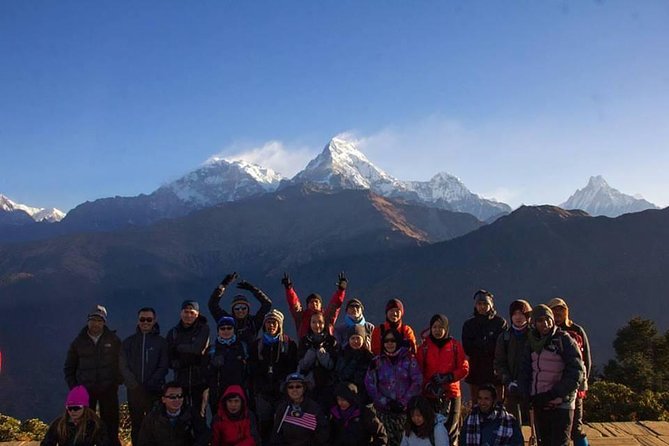
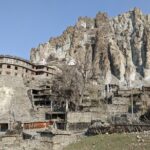
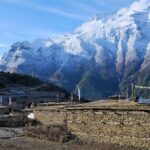
After Pokhara, you drive toward the Annapurna side and start hiking from the Gurung village area of Ghandruk. This is where the views can feel “suddenly huge.” The region is famous for showing the Annapurna range and Mt. Machhapuchhre (Fishtail), and the trip description even calls out cherry blossoms as a seasonal bonus in the area.
Then comes the transition: you descend through forest and get moving toward the Kimrong area. You’ll pass the Kimrong river area and climb back up to Kimrong village. One of the best things about this day is the rhythm. It’s not just one long grind; it’s a sequence of down-then-up that gets your legs ready for the stronger climbs later.
You’ll also get meals on the trekking days here—BLD is included on this segment. That matters because it keeps you from having to decide every time where to eat, and in trekking country that’s not a small stress.
Watch-outs (small, but real): the day includes both driving and walking, so keep your water bottle accessible and don’t overpack your daypack. Your guide and team usually manage the logistics, but your comfort is still on you.
Chhomrong, suspension bridges, Sinuwa, and Deurali: the “stair day” workout
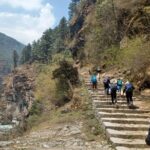
This stretch is where the trek starts feeling like a trek. You’ll head toward Chhomrong at around 2,310m, and the itinerary specifically describes a long descent via stone staircases. That’s a recurring theme on this route: lots of steps going down today, then more climbing tomorrow.
You’ll also cross a long suspension bridge, which is one of those moments where you get a quick break from steepness. It’s also a classic Annapurna feeling—tiny handholds, big drop-offs, and the river valley moving quietly underneath.
Next, it’s back up toward Sinuwa. From there you trek through hillside sections and into bamboo forest before reaching Deurali. This day is listed as around 6 hours of walking, with BLD included again.
What I like about this day: it builds confidence. You’re not thrown straight into the highest point. You’re learning the rhythm—step, pause, breathe, look up, keep going.
What you should plan for: sore knees are common on this kind of route. Trekking poles can help, and so can good shoes with grip on stone staircases and wet sections if the weather turns.
The big climb: Macchapuchhre Base Camp to Annapurna Base Camp
This is the “money day,” the one you’re building toward. You start early and walk rocky trails, then reach wide grassy land. The mountains look shiny in the distance as sunlight hits them, and you get that slow build of anticipation—the kind that makes you forget you were worried about the climb.
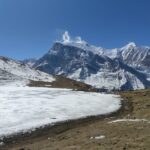
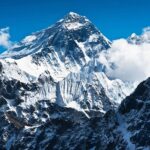
Then the trail becomes a mix of peaceful walking and steep effort. The itinerary describes a peaceful section alongside the river, followed by a long staircase to Macchapuchhre Base Camp. That’s where you rest, take it in, and get a closer look at Mt. Machhapuchhre (6,993m). The fishtail shape is famous for a reason: from certain angles it looks like a comb, from others it looks like a giant scythe.
After that rest, you continue slowly toward Annapurna Base Camp (4,130m). The walking time is listed as around 8 hours, with BLD included.
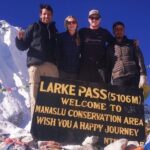
Now, let’s talk about what base camp really means on a short trek. You’re not just “arriving at a spot.” You’re stepping into the Annapurna Conservation Area’s core drama: big mountains, high-altitude air, and the feeling that the world is smaller up there. You also get the chance to be present. Not in a “photo and move on” way. In a “slow down and notice” way.
Realistic expectation: at 4,130m, you might feel your pace change. That’s normal. Go steady, drink water, and don’t try to prove anything to your lungs.
Sunrise at ABC: the moment you’ll want to talk about for years
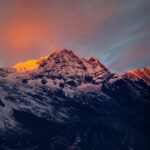
Early morning is for the sunrise. This itinerary is very clear: you’ll be in position at Annapurna Base Camp so you can watch the sunrise reflect onto the Annapurna ranges. Then you’ll take breakfast and start heading back the way you came.
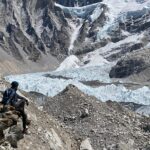
From there, the return becomes more manageable in terms of effort: it’s downhill, and the itinerary says it becomes easier as you trek back through grassland and forest. You’ll cross Deurali and reach Sinuwa by dawn.
This segment is listed as around 7 hours of walking, with BLD included again.
Why sunrise is worth the early wake-up: it’s not just about visuals. It’s also about atmosphere. Mornings at base camp feel calmer than midday trekking. The mountains look sharper, and the whole place feels less crowded in your head.
If you’re the type who hates waking up early, here’s the compromise: set your alarm, eat what you can, and accept that you’ll earn your rest later.
Sinuwa down to JhinuDanda: stairs, bridges, and a hot spring reset
After the base camp day, you drop down from Sinuwa through arduous stairs to cross another suspension bridge. Then you climb again to Chhomrong using a long stairs route. That up-and-down combo can feel like your legs are playing push-pull.
Then you switch to a different path back home, descending to JhinuDanda. This is where you get the hot spring reward. The itinerary describes dipping in the natural hot spring so you’re good to go. After that, you’ll stay overnight at an inn.
Walking time on this section is around 6 hours, with BLD included.
What you’ll love about JhinuDanda: it’s a clean mental reset after a day of stone steps. You’ll still be sore, but you’ll also feel like you did something brave and then properly recovered—like an athlete with fewer medals and better scenery.
What to bring: a small towel and flip-flops or sandals. The itinerary doesn’t list gear specifics, so you’ll want to have your basics covered.
Back to Pokhara and Kathmandu: a softer landing
You’ll start early on the next day with a pleasant trek through farmland. The itinerary notes there are no climbs here, and that’s a big deal after several climbing-heavy days. You’ll reach Nayapul in about 2 hours of walking, then drive back to Pokhara for around 3 hours.
Back in Pokhara, you’ll rest your luggage at the hotel and have time to enjoy the city of Lakes. Breakfast is included on this day. Even if you don’t feel like sightseeing, you’ll probably feel like walking a little—your legs want to stretch, not just sit.
Finally, you drive back to Kathmandu through winding roads alongside the Modi Khola, with terraced farmland and white rivers passing your window. You’ll stop for lunch and toilet breaks along the way, then reach Kathmandu. The itinerary suggests freshening up and strolling around Thamel for nightlife and souvenirs.
Why this matters: the short trek format gives you a dramatic experience, but you still need a buffer to decompress. This return plan gives you that space.
Price and value: what $897.44 actually covers
At $897.44 per person, the best way to judge value is not the sticker—it’s what’s included and what you avoid.
This package includes:
- Two nights in Pokhara with breakfast
- TIMS permits
- A professional trekking guide (with insurance, meals, and allowances handled)
- 3 meals per day and overnight accommodations in hotel/lodge along the trekking trail
- Pickup offered, plus a mobile ticket
- The overall trip is private (your group only)
What you don’t get:
- Travel/medical insurance and emergency evacuation cost
- Personal expenses
- Tips for guides and porters (expected)
So the practical value is that your permit paperwork and core trekking support are handled, and the meals and lodging during the hike remove a lot of daily logistics. That’s exactly where most “budget” trips either get messy or add costs later.
One more value point: the reviews you provided emphasize professionalism and care. People specifically praise guides such as Jog Gurung and Ganesh, and porters like Phoindra Gurung, Osman, and Hori. That’s not just nice to read—it usually means fewer delays, clearer communication, and smoother day-to-day decisions on trail.
Who should pick this short Annapurna Base Camp trek?
This plan fits best if you:
- Want Annapurna Base Camp without a super-long trek commitment
- Prefer a guided trip where meals, lodging, and permits are handled
- Like village walking and forest sections, not just “mountains only”
- Can handle long hiking days with stairs and some rocky trails
- Enjoy a warm team atmosphere (the reviews call that out again and again)
It may not fit if you:
- Want minimal stair climbing or very short walking days
- Hate being at altitude for long days (even though the highest point is 4,130m, it still takes effort)
- Don’t want a long drive component before hiking starts
Book it or skip it? My call based on this route
I’d book this short Annapurna Base Camp trek if your priority is the full Annapurna experience—forests, villages, iconic viewpoints, and that sunrise at base camp—without turning the trip into a multi-week endurance project. The itinerary is built to take you up steadily, then reward you with the base camp moment, then bring you home with the hot spring break that feels earned.
I’d hesitate only if stairs and long travel days are a deal-breaker for your body. If you’re okay with that trade, you’ll likely come away with exactly what this trek is known for: big mountain views, real trail rhythm, and a team that helps the days feel lighter.
FAQ
What’s the highest point on this trek?
The highest point is Annapurna Base Camp at about 4,130m.
How many days is the Annapurna Base Camp short trek?
It runs about 8 days.
Where do you start the trip?
The meeting point is Tribhuvan Airport in Kathmandu, Nepal.
Are permits included?
Yes. TIMS permits are included.
What meals are included during the trek?
The package includes 3 meals per day and overnight accommodations along the trekking trail. Breakfast is included with the Pokhara hotel stays.
Is travel or medical insurance included?
No. Travel/medical insurance and emergency evacuation costs are not included.
Do I need to tip guides or porters?
Tips for guides and porters are expected.