REVIEW · KATHMANDU
Langtang Valley Trek – 11 DAYS
Book on Viator →Operated by Alpine Club of Himalaya · Bookable on Viator
If you want big Nepal scenery without committing to weeks, Langtang Valley delivers. This short-and-easy trek climbs from Syabrubesi through forests and yak pastures to Kyanjin Gompa (3,860m) and up to Tsergo Ri (4,984m) for some of the most direct mountain views you can get at a reasonable altitude. Add Tamang villages and Tibetan-Buddhist traditions, and you get a route that feels both outdoorsy and human.
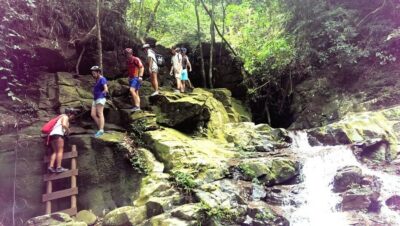
What I liked most is the mix: you get mountain payoff plus real village time with Tamang communities. The trail is also varied, from suspension bridges over the Bhote Koshi and crossings near waterfalls, to the classic U-shaped glacial valley feel as the terrain opens up.
One consideration: the trek is described as easy/short, but Tsergo Ri is still a hard climb for most people (about a five-hour ascent), and that means you’ll want solid stamina for steep switchbacks. Also plan for basic lodge life: hot shower, Wi‑Fi, and mineral water are not included.
In This Review
- Key highlights to know before you go
- Langtang Valley as an 11-day trek: big payoff, smart pacing
- Price and logistics: what $1,399 buys you (and where to expect extra costs)
- Kathmandu: orientation day + heritage sights before the trail
- Day 3 drive to Syabrubesi: the last car ride before the mountains
- Day 4: Syabrubesi onward—suspension bridges, old town streets, and Doman waterfall
- Day 5: Gumanchok to Ghora Tabela and Thangshyap—forest climbing into the glacial valley feel
- Day 6: to Yamphu and Kyanjin Gompa—acclimatize, then explore monastery areas
- Day 7: Tsergo Ri day—steep effort, huge reward
- Day 8 and Day 9: the return—Lama Hotel down to Syabrubesi
- Day 10 and Day 11: Kathmandu return, shopping time, and an easy finish
- Tamang culture along the trail: where the heritage actually shows up
- Guides, porters, and the real meaning of support on the trail
- Lodges, food, and gear: comfort limits are part of the deal
- Who should book this Langtang Valley trek (and who should consider a different option)
- Should you book? My honest take
- FAQ
- What is the highest altitude on this trek?
- Are permits included for Langtang Valley?
- Do I get a guide and porter?
- How do you get to the trailhead from Kathmandu?
- What trek gear is included?
- What meals are included during the trekking days?
- What costs should I plan for beyond the tour price?
Key highlights to know before you go
- Kyanjin Gompa base at 3,860m gives you time to acclimatize and explore monastery areas before pushing higher
- Tsergo Ri at 4,984m is the main vertical test, with superb panoramic views in return
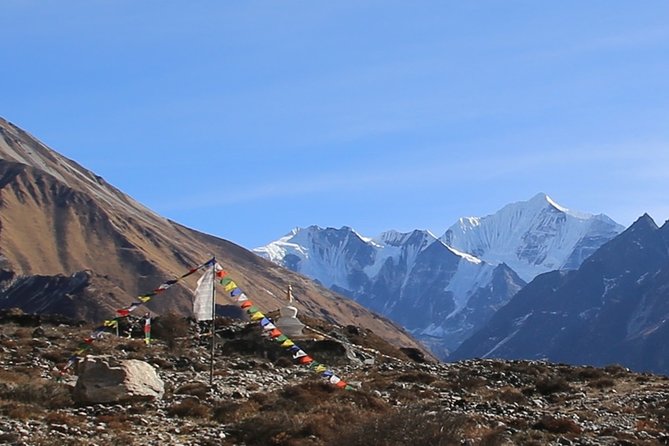
- Tamang culture on the trail: villages, Tibetan Buddhism practices, and plenty of prayer-flag energy
- Guides and porters are built into the plan (2 trekkers per porter) so you can focus on walking and views
- Permits are handled with National Park Permit and TIMS included for Langtang
- Gear is partly provided: a down jacket and sleeping bag are included and returned after the trek
Langtang Valley as an 11-day trek: big payoff, smart pacing
Langtang Valley is a classic choice when you want Himalayan drama without going so high, so long, that every day becomes an endurance event. Over 11 days, the route climbs steadily from Syabrubesi and then gives you a real acclimatization window once you reach the Kyanjin Gompa area.
What makes this itinerary feel “doable” is how the days are structured. You build hiking altitude across multiple stages (forest, ridges, pasture, glacial valley), then you arrive and settle in. That matters because the main view day is not just one quick photo stop; it’s tied to your altitude tolerance and how you spend the evening before you climb.
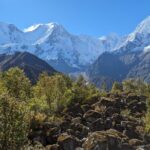
If you like the idea of seeing glaciers and icefall from near the valley, Langtang delivers that. You’re not just looking at mountains from far away. On the way up to Kyanjin Gompa, you finally get a clear look at the icefall flowing from Langtang Lirung and Kimshung, which gives the whole valley a more “real” feel.
You can also read our reviews of more tours and experiences in Kathmandu.
Price and logistics: what $1,399 buys you (and where to expect extra costs)
At $1,399 per person, this trek is priced like a well-supported guided package, not like a bare-bones DIY adventure. Here’s what you’re paying for that actually changes your day:
- Transport: private car/van for airport transfers, plus a private jeep between Kathmandu and Syabrubesi
- Lodging: 3 nights in Kathmandu at a 3* hotel (breakfast included) and 7 nights in lodge/guest houses during the trek
- Staff: an experienced English-speaking trekking guide and a porter (set up as 2 trekkers = 1 porter)
- Food on the trek: breakfast, lunch, dinner, and tea/coffee during trek days
- Permits: National Park Permit and TIMS for Langtang
- Trek gear: down jacket and sleeping bag (to be returned at the end)
- Simple extras: an ACH kitbag and a T-shirt, plus welcome and farewell meals in Kathmandu
What’s not included is also important. You’ll need to plan for Nepal’s visa fees, international airfare, travel insurance (including evacuation), tips for local staff, and extra personal spending. Lodging is included, but creature comforts like hot shower, hot water, and Wi‑Fi are not. If those matter to you, budget accordingly.
My practical take: for many people, the value isn’t just the guide. It’s that you don’t waste energy on permits, logistics, and figuring out how to organize lodge nights. You walk, you eat on schedule, and you go when you’re supposed to.
Kathmandu: orientation day + heritage sights before the trail
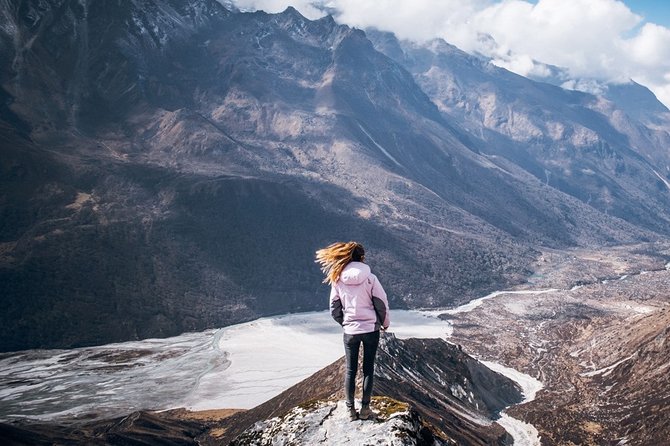
Your first stop is Kathmandu, where you land and get checked into a hotel. Then the schedule turns useful: you get an orientation meeting plus a half-day guided tour that acts like a mental warm-up for Nepal.
I like this approach because it helps you understand what you’re about to see. Kathmandu mixes Hinduism, Tibetan Buddhism, and Western influence, and the visit focuses on recognizable, high-impact sites:
- Kathmandu Durbar Square for Newari architecture
- Boudhanath Stupa and Swayambhunath Stupa where you’ll see pilgrim energy and Tibetan-style spiritual culture
- Pashupatinath Temple on the Bagmati river, the big Hindu landmark in the city
By the end of the day, you also get a welcome dinner, which is a low-pressure way to meet your crew and settle into the rhythm of the trip. And yes, there’s time for last-minute shopping—handy for trekking day supplies you might want to buy after arriving.
Day 3 drive to Syabrubesi: the last car ride before the mountains
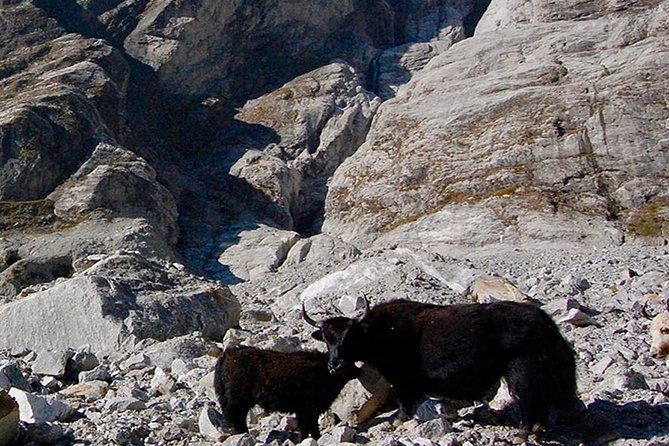
On the morning after Kathmandu breakfast and orientation, you drive about 132 km to Syabrubesi. This leg matters more than it sounds. It’s the point where the trip shifts from city time to trail time.
Once you arrive, you start getting hints of what the trek will feel like: rural settlements, river valleys, and trails that follow the terrain instead of fighting it.
Day 4: Syabrubesi onward—suspension bridges, old town streets, and Doman waterfall
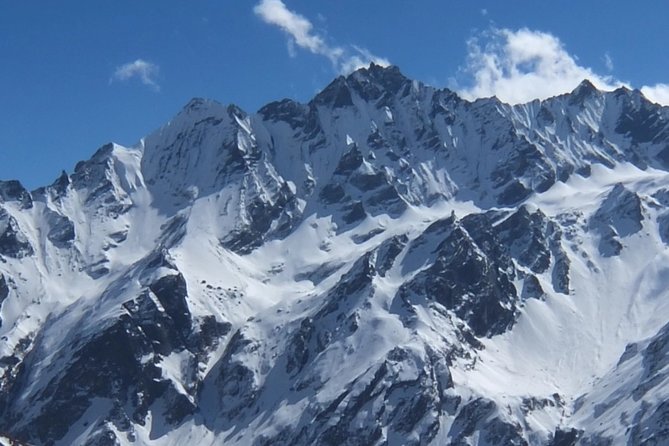
Day 4 is your first “trail day” and it sets a good tone. You start north from Syabrubesi past a police post, then cross a suspension bridge over the Bhote Koshi.
That early bridge crossing is more than scenery. It helps you understand the valley’s geometry: the river cuts through, settlements cling to safe ground, and the trail threads between crossings and climbs. You then turn into old Syabrubesi, where there’s a monastery visit in a small stone building at the far end of the village.
After that, you follow the stone paved main street out of town to a bridge over the Langtang Khola. Then you cross a log bridge for a quieter walk through trees, side stream, and a landslide area. The day ends with another suspension bridge and the waterfall of Doman.
Why this is a strong start: it gives you variety fast—bridges, forest edges, and water features—without asking you to jump straight into high altitude.
Potential drawback: you’re still building balance. If you don’t love uneven footpaths, go slow on the crossing sections.
Day 5: Gumanchok to Ghora Tabela and Thangshyap—forest climbing into the glacial valley feel
Day 5 keeps things scenic and adds altitude gradually. The trail climbs through a steep forest of hemlocks, oaks, maples, and white and pink rhododendrons. You’re high enough for rhododendron color to matter, and it’s one of those days where the scenery changes minute by minute as the forest opens and closes.
You reach Gumanchok, cross a stream, then climb steeply to a pass marked with prayer flags to reach Ghora Tabela, where it’s described as a Nepal Army and National Park post. After that, the valley opens up into a classic U-shaped glacial valley. That’s the moment you feel the scale: this is a glacier-carved system, not just a random mountain valley.
From there, the trail is more of a progression: across a helipad and yak pastures, through rhododendron forests to Thangshyap, then diagonally above fields to Ghumba village, where there’s a gompa visit. You also pass water-driven mills, which is a nice reminder that this region runs on practical mountain technologies, not just tourism.
What to watch: the forest sections can be tiring because they’re steep. Pace yourself and keep moving consistently.
Day 6: to Yamphu and Kyanjin Gompa—acclimatize, then explore monastery areas
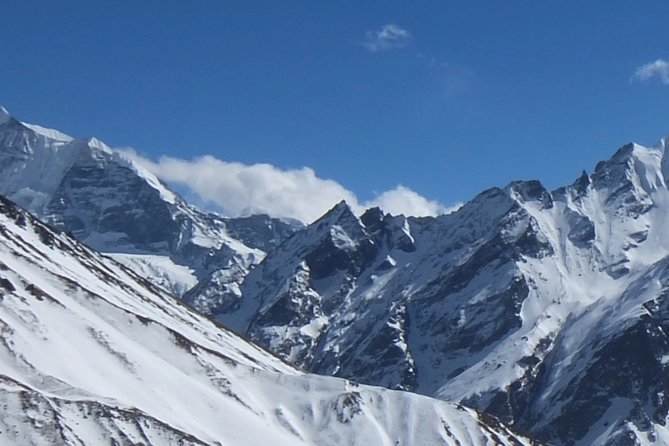
Day 6 is where the trip starts feeling like the main event. The trail winds through village areas and climbs a ridge topped by a large chorten. You pass a mani wall, then continue toward Mundu.
Later, you join the rushing river and climb to yak wool shops and yak pastures of Yamphu. Then you climb a moraine to a viewpoint where you finally see Kyanjin Gompa and the dramatic icefall coming down from Langtang Lirung and Kimshung.
This is also an important acclimatization moment. You’re not just arriving and immediately sprinting to the highest viewpoint. You have time to explore, including the Nyingmapa school monastery area, before heading to Kyanjin Gompa for the night.
Why I think this day is worth it: you get to absorb the place properly. Many shorter treks cut straight to the summit day. Here you get to settle, breathe, and understand the area around the gompa before you climb higher.
Day 7: Tsergo Ri day—steep effort, huge reward
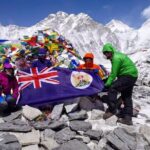
Day 7 is the trek’s biggest physical challenge. It’s described as a tough five-hour climb from Kyanjin Gompa up to the conical viewpoint of Tsergo Ri at 4,984m.
The route starts with an east trail toward Langshisha Kharka, crosses a stream, then branches left by a cairn up the side valley. From there, you follow steep switchbacks up the hill, past stone huts of herders at Yala Kharka, and finally reach prayer flags atop the viewpoint.
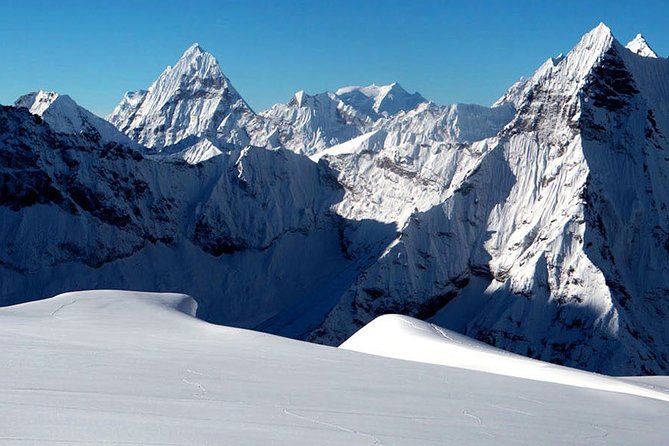
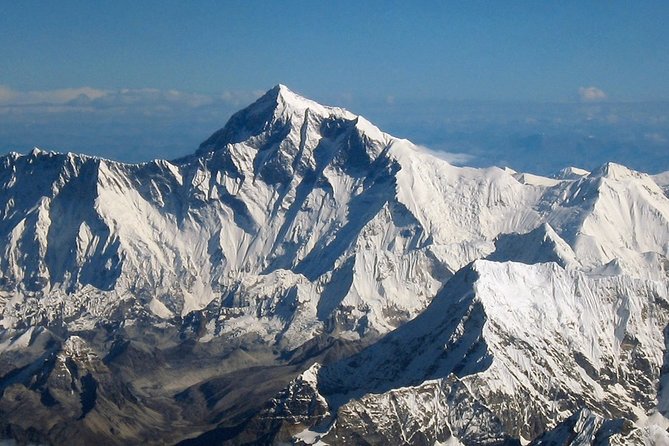
This is the day where your legs will feel the altitude and the grade. But it’s also the day where the mountain views become specific. The itinerary calls out outstanding sightlines of Langtang Lirung (7,246m) to the north, Gang Chhenpo (6,388m) and Naya Kangri (5,846m) to the south, plus Dorje Lakpa in the east near the Tibetan border.
After reaching the viewpoint, you head back down to Kyanjin Gompa for the night.
Practical tip: treat the climb like a steady job, not a race. Short stops and consistent effort beat big bursts.
Day 8 and Day 9: the return—Lama Hotel down to Syabrubesi
Two days of descending and retracing do two things for you: they reduce altitude stress and they give your eyes time to notice what you missed on the way up.
On Day 8, you retrace your route from Kyanjin Gompa to Lama Hotel. On Day 9, you head back from Lama Hotel to Syabrubesi by retracing the way earlier. It’s not glamorous, but it’s smart. You already know the corridor you’re walking through, so you’re not dealing with route uncertainty. That helps your brain relax and lets you enjoy the valley.
If your knees get angry on descents (common), bring trekking poles if you can. The route includes streams, bridges, and changing trail surfaces, so good balance helps.
Day 10 and Day 11: Kathmandu return, shopping time, and an easy finish
After getting back to Syabrubesi, you drive to Kathmandu. Day 10 is listed as leisure, which I really appreciate on a trek like this. You get time for gifts and souvenirs, and you don’t have to rush into another packed schedule.
That evening includes a farewell that includes reviewing photos and sharing trip experiences. Day 11 is straightforward: you’re dropped at the airport for your onward flight.
This kind of ending matters because you’ll likely be mentally tired even if you feel physically okay. Having a low-pressure last day is a kindness.
Tamang culture along the trail: where the heritage actually shows up
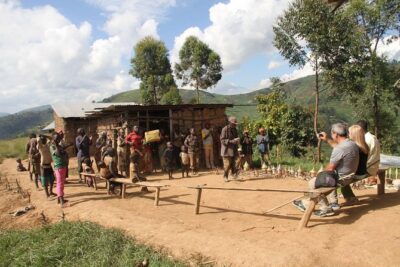
This trek doesn’t sell culture as a side quest. The route passes multiple Tamang villages and explicitly ties the region to Tibetan-Burman language roots and a form of Tibetan Buddhism.
On the ground, that shows up in the walking details: monasteries you visit, chortens, mani walls, and prayer flags along ridgelines and village edges. It’s also why the route feels different from a purely scenic hike. You’re not just moving through a valley; you’re passing through a lived-in spiritual landscape.
One thing I appreciate: these are not random photo stops. Your itinerary includes visits around monasteries and gompas, which means you have time to see how religion is built into the daily rhythm of the place.
Guides, porters, and the real meaning of support on the trail
The trek includes an experienced English-speaking trekking guide and a porter. The setup is 2 trekkers per porter, which is the “nice middle” for many groups. You’re not carrying everything yourself, but you also aren’t turning the hike into a fully mechanized experience.
In the reviews for Alpine Club of Himalaya, I’ve seen names and leadership mentioned—Sujan, described as a devoted MD in one guest response. I also saw guide names like Nima, plus Pemba and Njima in separate notes. I can’t promise which guide you’ll get, but those names are a good sign that people pay attention to matching the right guide to the group and handling communication well.
For you, the practical payoff is daily flow:
- You get help with pacing decisions and trail navigation
- Meals are scheduled (no hunting for lunch mid-walk)
- Lodging choices are already handled
- Permit paperwork is taken care of (TIMS and National Park Permit)
That means you can focus on the real work: walking, acclimatizing, and enjoying views.
Lodges, food, and gear: comfort limits are part of the deal
During the trek, you’ll stay 7 nights in lodge/guest house accommodations. Meals are covered as breakfast, lunch, and dinner, plus tea/coffee during trek days. That’s a meaningful inclusion because it reduces your daily decision fatigue.
A key detail: a down jacket and sleeping bag are provided, and you return them after the trek. That’s helpful if you don’t want to buy pricey cold-weather gear for a one-time trip.
What you should plan for: hot shower, hot water, Wi‑Fi, desserts, and mineral water are not listed as included. In other words, don’t build your expectations on full hotel comfort. Bring a mindset for mountain basics and you’ll be happier.
Who should book this Langtang Valley trek (and who should consider a different option)
This trek fits best if you want:
- a manageable 11-day format
- a mix of Tamang villages + monastery visits
- big viewpoint days like Kyanjin Gompa and Tsergo Ri without a multi-week grind
- a package that handles permits, transport, and lodge bookings
You might want to think twice if:
- you hate steep climbs and switchbacks (Tsergo Ri is the toughest day)
- you need hotel-level comfort like daily hot showers and Wi‑Fi
- you’re not comfortable walking on trails with uneven sections and changing surfaces
Should you book? My honest take
I’d book this Langtang Valley trek if you want a well-supported Himalayan hike that still keeps the experience real—villages, gompas, prayer flags, and mountain views tied to actual effort. The value feels strongest because so much is handled for you: permits, transport, meals, and the porter system that keeps the daily load sane.
If you’re excited by the idea of reaching Kyanjin Gompa at 3,860m and then earning the Tsergo Ri viewpoint at 4,984m, this route is a solid match. Just be honest with your fitness for that steep day, and pack a bit of patience for lodge life.
FAQ
What is the highest altitude on this trek?
The highest point is Tsergo Ri at 4,984m (16,353ft). You also reach Kyanjin Gompa at 3,860m (12,665ft).
Are permits included for Langtang Valley?
Yes. The National Park Permit and TIMS for Langtang are included.
Do I get a guide and porter?
You’ll travel with an experienced English-speaking trekking guide and a porter. The porter arrangement is 2 trekkers per porter.
How do you get to the trailhead from Kathmandu?
You drive by private jeep between Kathmandu and Syabrubesi (and back again).
What trek gear is included?
A down jacket and a sleeping bag are included, and they must be returned after the trek is completed.
What meals are included during the trekking days?
During the trek you get breakfast, lunch, and dinner, plus tea/coffee. Welcome and farewell meals and breakfast in Kathmandu are also included.
What costs should I plan for beyond the tour price?
You’ll need to budget for Nepal entry visa fees, international airfare and departure tax, travel insurance (including evacuation), tips for local staff, and personal expenses. In Kathmandu, lunch is not included, and items like hot shower/hot water and Wi‑Fi are also not included.