REVIEW · CUSCO
4-Day Lares Trek to Machu Picchu from Cusco
Book on Viator →Operated by Bamba Travel · Bookable on Viator
There’s nothing average about this trek. This 4-day route takes you through the Lares highlands—camping with mountain communities—then links smoothly to Machu Picchu with a small-group local guide and a 2-hour guided walkthrough.
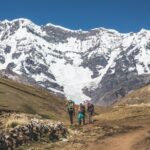
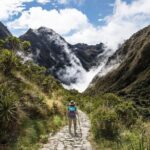
I especially like how much time you actually spend walking: a real mountain rhythm with big views, passes over 4,400m, and camps surrounded by llamas and alpacas. I also like the practical support baked in, from a professional bilingual guide to a cook who serves fresh meals on the trail. One thing to consider: this is difficult at altitude, and you’ll be moving most of the time, not just sightseeing.
If you want the classic combo of Andes hiking plus Machu Picchu—without getting stuck alone on logistics—this route is a strong match. The small group size (max 15, average around 4) helps keep the pace human, but it also means you should be honest about your fitness before signing up.
In This Review
- Key things that make this Lares Trek + Machu Picchu work
- Lares to Machu Picchu: what you’re really buying
- Price and what’s actually included for $847
- Day 1: Cusco pickup, Lares Town, hot springs, and the climb to Wakawasi
- Day 2: Ipsayccocha Pass at 4,400m, lake lunch, and Patacancha camp
- Day 3: Trek to Ollantaytambo, train to Aguas Calientes, and a night with options
- Day 4: First-bus Machu Picchu, a 2-hour guide tour, and Huayna Picchu planning
- Guides, small-group energy, and the Percy effect
- Food on the trail: why the cook is part of the experience
- Packing and altitude: how to make this feel easier
- Who this trek suits best (and who should reconsider)
- Should you book this Lares Trek to Machu Picchu?
- FAQ
- What’s the pickup time from Cusco?
- Are the hot springs in Lares Town included?
- Do I need to rent a sleeping bag?
- What are the main lodging arrangements during the trek?
- How do vegetarian meals work?
- Is Huayna Picchu included?
- What time do you go to Machu Picchu on Day 4?
- Can I get a refund or make changes after booking?
Key things that make this Lares Trek + Machu Picchu work
Small-group pace (avg 4, max 15) so you’re not lost in a crowd on the trail or at Machu Picchu.
Camping with real community connections on Day 1 and Day 2, not just a generic campsite stop.
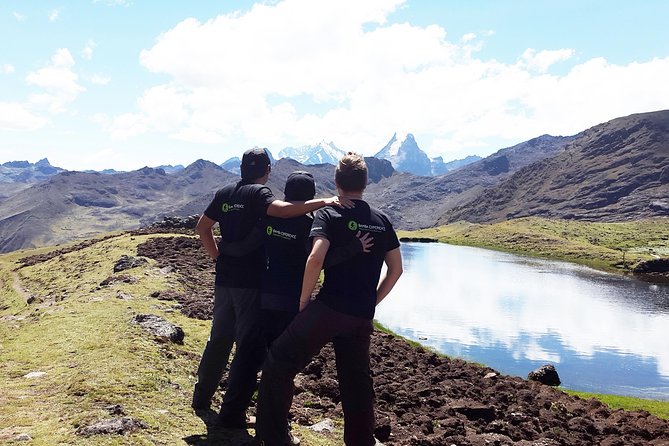
Passes and high-altitude walking (Ipsayccocha Pass at about 4,400m) that make the trip feel earned.
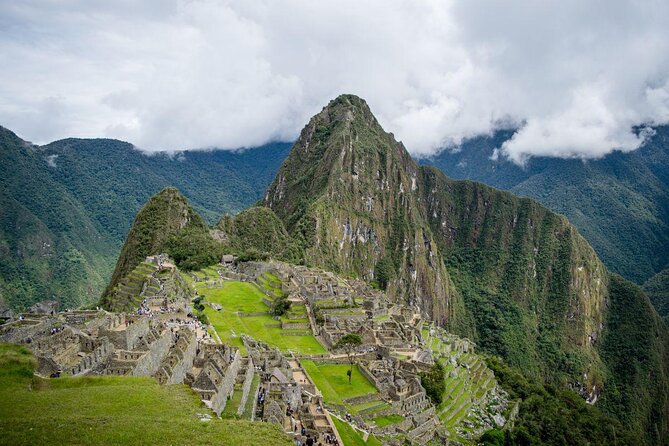
A guide-led Machu Picchu route plus free time, so you get context and still get your own photos.
Food handled on the trail by a dedicated cook with vegetarian options available by request.
Optional Huayna Picchu hike if you plan ahead for the timed ticket limits.
Lares to Machu Picchu: what you’re really buying
This trip is basically two experiences stitched together: first, a highland trek through the Lares region, then Machu Picchu with an efficient transfer plan. The big value is that you don’t just “arrive” at Machu Picchu—you earn the day with walking at altitude, sleeping in simple mountain camps, and meeting local life along the way.
From the moment pickup happens in Cusco, the plan is designed around flow. You’ll ride to Lares Town, hike into the high valleys, camp two nights, then transition on Day 3 toward the train and your overnight in Aguas Calientes. On Day 4, you’re up early enough to reach Machu Picchu before most people start flooding in.
This style fits you if you like motion—steady hiking, changing scenery, and the sense that the day has a shape. It’s less ideal if you want a slow, comfort-first itinerary where every hour is flexible.
You can also read our reviews of more tours and experiences in Cusco.
Price and what’s actually included for $847
At $847 per person, you’re paying for more than a hike. The total package covers transport from Cusco to the trek start, trekking logistics, camping and hotel nights, meals, and the Machu Picchu day plan.
Inclusions that matter for value:
- Round-trip train Ollantaytambo ↔ Aguas Calientes
- Round-trip buses Aguas Calientes ↔ Machu Picchu
- 2-hour Machu Picchu guided visit
- 1-night 3-star hotel in Aguas Calientes
- Camping gear setup (tent plus basic mattress; you’ll rent a sleeping bag if you don’t have one)
- Meals on the trek (breakfast/lunch/dinner plus snacks, with a vegetarian option available by request)
- Bilingual guide on the trek and Machu Picchu
You’ll still want to budget for items not included: hot springs in Lares Town, bottled water, the sleeping bag rental (listed as $15 USD), tips, and any optional mountain hikes like Huayna Picchu. Also note that bus and train transfers are not guided, so you’re relying on the schedule and your operator’s instructions for those segments.
Day 1: Cusco pickup, Lares Town, hot springs, and the climb to Wakawasi
Your day starts early with pickup around 6:00 am in Cusco, then a bus ride to Lares Town at about 2,900m. Once you arrive, you get the choice to soak in the hot springs—this is extra cost (10 soles). If you’re new to altitude trekking, this is a nice way to loosen up before your real climb begins.
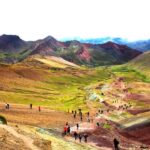
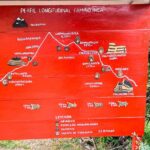
Then comes the main move: a roughly 6-hour trek (about 14 km) with a zigzag climb up to the Wakawasi community at about 3,850m. Expect views, wildlife, and local life as you gain altitude. The trek is framed as a gradual “earn your height” sort of day—long enough to feel like a hike, short enough to still feel manageable if you pace yourself.
You’ll camp at Wakawasi. This is where the experience starts to feel human. Instead of just hiking through scenery, you’re in and around a living community. That matters because it turns the trek from an Instagram route into a place-based experience.
Main drawback for Day 1: it’s high, and it’s early. If you come into the trek already tired, the climb will feel steeper than it looks on paper.
Day 2: Ipsayccocha Pass at 4,400m, lake lunch, and Patacancha camp
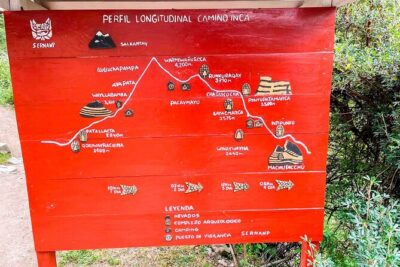
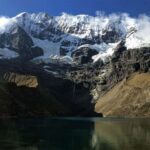
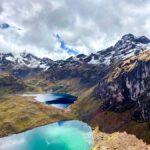
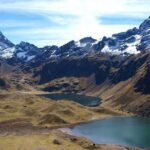
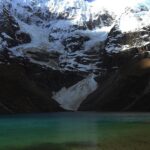
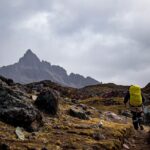
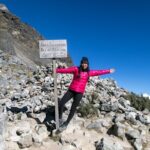
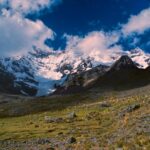
Day 2 is the day that tests your lungs. You start with an uphill trek for about 4 hours to Ipsayccocha Pass (around 4,400m), then you drop downhill for about 40 minutes to lunch next to the lake. After that, you continue another 3 hours to Patacancha (around 3,800m) for camping.
This day is special because it has rhythm:
- climb to a high point (pass)
- reward with a lake lunch
- continue on toward camp while the landscape shifts again
The Patacancha setting is exactly the kind of detail you hope for on a trek: you camp surrounded by llamas and alpacas with local crop plantations nearby. It’s not just background; it helps you feel the agricultural pattern of the region.
Practical consideration: you’ll likely feel altitude fatigue on this day more than on Day 1, even if your legs are fine. The best move is to keep your pace steady. Don’t race the pass. Your body will thank you later.
Day 3: Trek to Ollantaytambo, train to Aguas Calientes, and a night with options
On Day 3, you transition from camping mode to rail mode. You walk about 4 hours from Patacancha to Ollantaytambo (with a lunch break there), then hop on the train to Aguas Calientes.
This is where the trip becomes easier logistically and more relaxed emotionally. The train gets you out of the rugged walking rhythm and into a built-up base for Machu Picchu. When you arrive, you’ll spend the night in a 3-star hotel in Aguas Calientes.
The town itself gives you small choices. If your body needs down time, you can take it. If you want a bit of stimulation, there are internet cafes and cafés, plus shops and places to relax. It’s also a useful night to reset your gear for the early morning.
Your guide will meet you in Aguas Calientes to set you up for the next day. Having that briefing is a quiet but important stress reducer. At Machu Picchu, timing is everything.
Day 4: First-bus Machu Picchu, a 2-hour guide tour, and Huayna Picchu planning
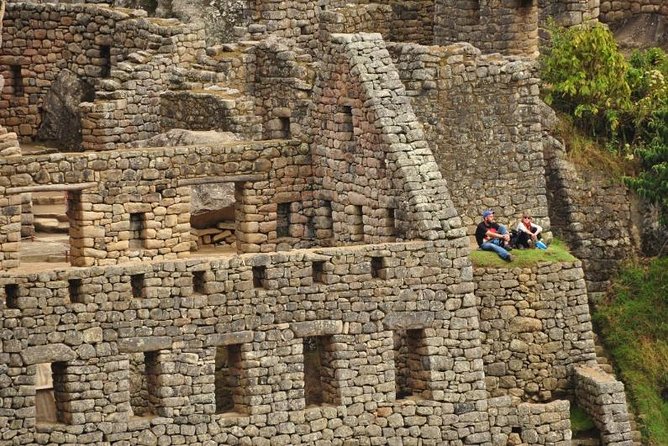
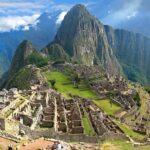
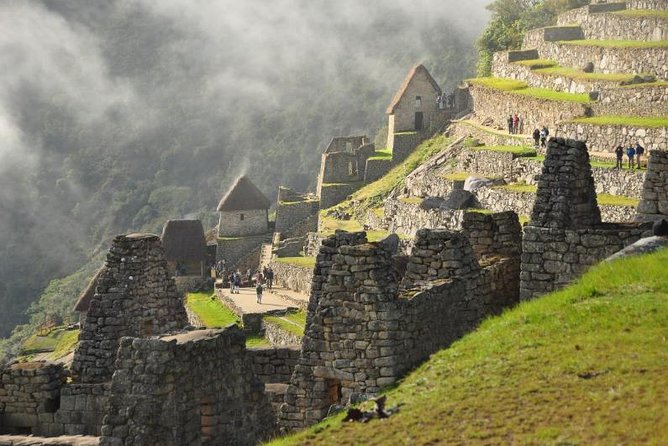
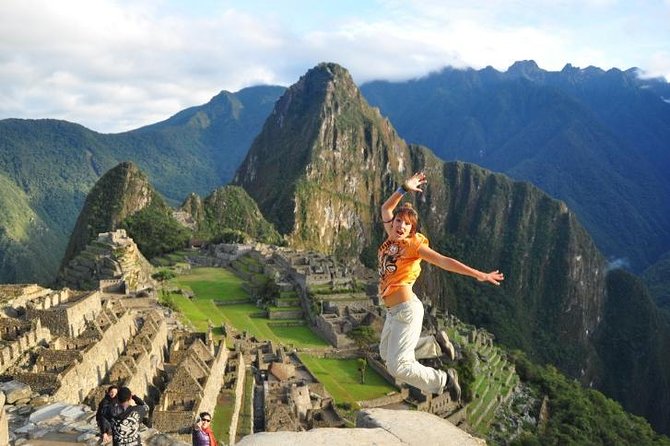
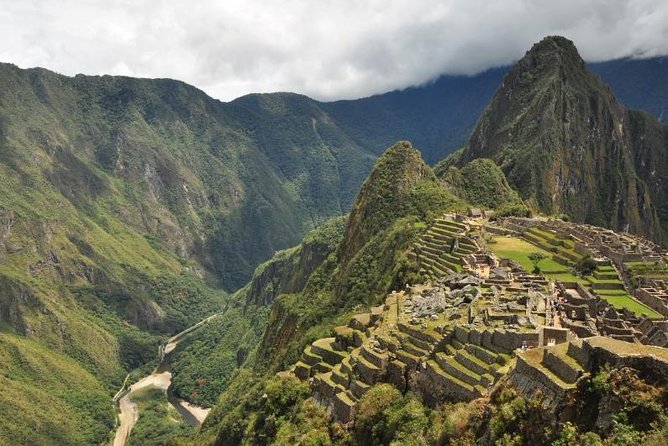
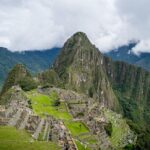
The Machu Picchu day plan is built around the early start: you catch a 05:30 am bus (about 25 minutes) to reach the site as mist clears in early light. That early timing is one reason guided routes feel smoother—there’s less chaos to fight through before your tour begins.
You get a 2-hour walking tour with your guide covering the key parts of the site. This is the time to learn what you’re looking at. After that, you’re free to explore on your own for pictures and pacing. I like this split: guided context first, personal time second.
Optional add-on: Huayna Picchu. If you want to climb it, be aware the ticket is extra and must be arranged at least 2 weeks in advance. There are 400 passes total, split between two time windows (200 at 7:00am and 200 at 10:00am). If you don’t plan ahead, you won’t get in.
After the morning at Machu Picchu, you return by bus to Aguas Calientes. You can also visit the marketplace near the train station before the train whistle signals your return. Then you head back to Ollantaytambo, catch the bus to Cusco, and arrive around 8:00 pm, dropped at Plaza San Francisco.
This is a full day, but it’s efficient. The early start is worth it because it gives you more breathing room inside the sanctuary.
Guides, small-group energy, and the Percy effect
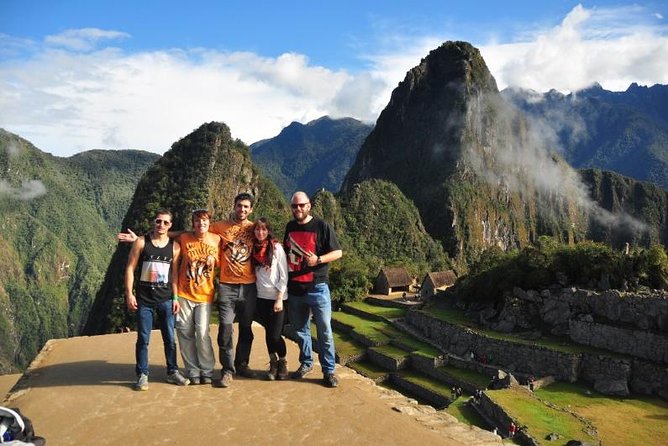
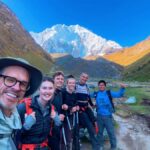
This trip leans heavily on people quality. You’ll have a bilingual guide during the trek and on the Machu Picchu tour, plus a team that includes a cook. In one recent experience, the guide Percy stood out for being experienced, funny, and genuinely helpful on the hike, with English described as very good. That combo matters because altitude days reward calm direction, not rushed chatter.
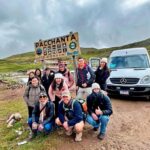
The small group structure helps your guide manage your pace and questions. With max 15 and an average around 4, you’re more likely to get real attention—especially at trail junctions and during the Machu Picchu walk.
One note: there’s no guide during the bus and train transfers. Your guide is with you on the trek and Machu Picchu tour, but the transit legs depend on the operator’s instructions and your ability to follow them. This isn’t a problem for most people, but if you prefer constant human guidance at every step, plan mentally for that handoff.
Food on the trail: why the cook is part of the experience
A big reason this itinerary feels good day to day is that meals aren’t treated like an afterthought. You get meals including breakfasts, lunches, dinners, and snacks across the trek portion. Vegetarian options are available if you request them ahead of time.
The menu style is classic Andean mountain comfort with variety: porridge, quinoa or oats, eggs, pancakes, fried bananas, plus hot drinks like coca tea, coffee, and chocolate. For lunch and dinner, you might see soups, vegetable-based dishes, and hearty mains like chicken or beef stews, fried rice, spaghetti bolognese, and local favorites like aji de gallina or ajiaco de olluco.
If you’re thinking, Will I actually get enough food? The answer is yes in the practical sense: the plan is built around fresh portions served to keep you moving through long high-altitude days. That matters because trekking food has a job. It’s not only about taste; it’s fuel.
Also, remember bottled water isn’t included. Bring a way to manage hydration you trust, and plan a little extra cash for snacks and water if you stop anywhere along the route.
Packing and altitude: how to make this feel easier
This is a difficult trek for the altitude. Most of the hiking sits around and above 4,000 meters, and the pass hits about 4,400m. Warm clothes aren’t optional. Nights at camp can be cold, and even daytime can feel sharp as the sun drops behind mountain walls.
A smart packing approach:
- bring or rent hiking poles
- use rain pants and a rain poncho (weather shifts fast in the Andes)
- plan for trekking boots and warm socks
- bring a hat, gloves, and thermals
- bring a flashlight/torch
- pack waterproof storage for your camera (limited electricity during the trek means you should manage charging)
If you don’t have a sleeping bag, rent one in Cusco for $15 USD. Your mattress and tent are provided, but your sleeping bag is on you.
Finally, pace yourself on the climbs. Short steps beat sprinting. Your goal is to stay steady enough that you can enjoy the views when the trail opens up.
Who this trek suits best (and who should reconsider)
This is a great fit if you want:
- a small-group Andes trek with two nights of camping
- a real high-altitude pass
- a guided Machu Picchu route that gives context without eating your whole day
- an itinerary that’s logistically handled for you (including train and buses)
It may not be ideal if you:
- struggle with steep climbs or high-altitude walking
- want a fully luxury comfort style with no camping
- need a totally flexible schedule (this trip is structured for early Machu Picchu timing)
Minimum age is 7 years, and the operator lists that you should have moderate physical fitness. Be honest with yourself about altitude and long walking days—because the mountains don’t care about motivation.
Should you book this Lares Trek to Machu Picchu?
I’d book it if you want an experience that feels earned, not just purchased. The combination of a small group, two trekking camps with community life, a guided Machu Picchu walk, and included train/bus transfers is strong value for the price. The guide quality can make a big difference too, and the name Percy shows up as an example of how capable and considerate the leadership can be.
Hold off if you’re unsure about altitude difficulty or you’re expecting a gentle walk with lots of downtime. This is a trek with real elevation gains, a pass day that demands steady pacing, and a full Machu Picchu morning that starts early.
If you’re the type who likes to work for the view—and then understand what you’re seeing—this is a very satisfying way to do it.
FAQ
What’s the pickup time from Cusco?
Pickup is around 6:00 am for the transfer to Lares Town, where the trek begins.
Are the hot springs in Lares Town included?
No. The hot springs are available for an extra cost (listed as 10 soles).
Do I need to rent a sleeping bag?
Yes, if you don’t already have one. Sleeping bag rental is listed at $15 USD for the trek.
What are the main lodging arrangements during the trek?
Days 1–2 are camping with tents (single travelers share a tent; couples get a tent). Day 3 includes room sharing for single travelers, while couples get a private room. A 3-star hotel is included for one night in Aguas Calientes.
How do vegetarian meals work?
A vegetarian option is available if you request it in advance (at least 2 days before departure).
Is Huayna Picchu included?
No. Huayna Picchu is optional and costs extra. You must purchase/request the timed ticket at least 2 weeks in advance.
What time do you go to Machu Picchu on Day 4?
You take one of the first buses at 05:30 am, with an approximately 25-minute ride to the site.
Can I get a refund or make changes after booking?
The experience is non-refundable and cannot be changed for any reason.