REVIEW · SAPA
Sapa Local Trekking Adventures
Book on Viator →Operated by Sapa Trekking Tours · Bookable on Viator
Tiny groups make Sapa feel human. This hiking tour lets you explore Moa Huong Valley and Sapa’s nearby villages in a small group of up to 8, with a pace that doesn’t feel rushed. You also get that hands-on sense of daily life that you miss when you only bus past the viewpoints.
I love the homestay setup on the longer options because it turns the trek into a cultural experience, not just a walk. I also like that the tour handles key basics for you, including meals and the valley entrance fee, plus transport back to Sapa Town after your trek day.
One big consideration: bad weather can make trails muddy and slippery. If you’re unsteady on your feet, plan extra carefully and bring serious rain gear.
In This Review
- Key highlights worth knowing
- Sapa’s Moa Huong Valley, With a Small-Group Rhythm
- What You’re Really Paying For at $66.67
- Homestays: More Than a Bed for the Night
- Day 1: Y Linh Ho (1-Day Trek, 9AM–3PM)
- Day 2: Ta Van Village (2 Days / 1 Night)
- Day 3: Giang Ta Chai Village (3 Days / 2 Nights)
- Weather Reality in Sapa: Bring Serious Rain Gear
- Guide Quality Can Make or Break Your Day (Nhu as an Example)
- Practical Logistics That Keep the Trek From Feeling Hard
- Who This Trek Fits Best
- Should You Book Sapa Local Trekking Adventures?
- FAQ
- What time does the trek start?
- How big is the group?
- Is pickup included?
- Where do you meet and where does the tour end?
- What food is included on the 2-day/1-night trek?
- What food is included on the 3-day/2-night trek?
- Is the valley entrance fee included?
- Can I cancel for a refund?
Key highlights worth knowing
- Max 8 travelers means you’re not stuck in a huge line and you can actually keep a comfortable pace.
- Homestays come with the 2-day/1-night and 3-day/2-night options, so nights feel part of the experience.
- Meals are included (lunches plus dinners/breakfasts on the longer treks), which keeps your day from turning into budget math.
- Moa Huong Valley access includes entrance fees and guided hiking through village areas.
- Morning start around 9:00 am gives you a full day of walking and village time without burning your whole schedule.
- Weather matters a lot; rain turns the trek into a real test of shoes and balance.
Sapa’s Moa Huong Valley, With a Small-Group Rhythm
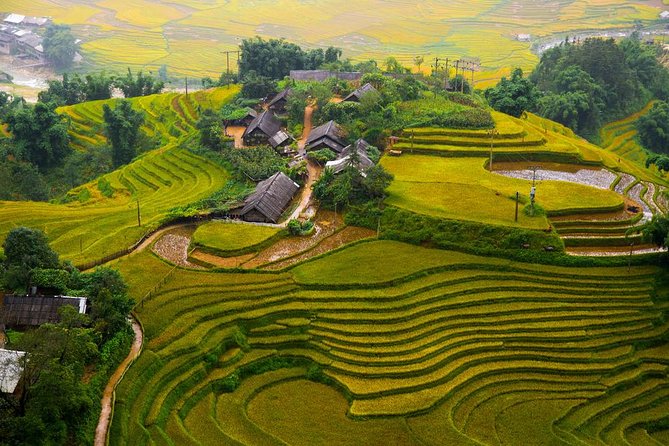
This is the kind of Sapa trekking that feels built for actual humans. The standout detail is the small group limit of up to 8 people, which changes everything about the experience. Instead of feeling like you’re following a moving pack, you can keep a pace that matches how your legs feel that day.
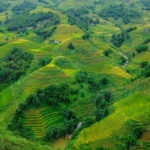
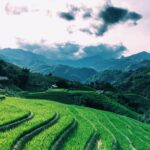
Your hike focuses on the Moa Huong Valley area and nearby village routes. You’ll spend time walking through village zones and rice-field country, with stops that help you understand how local people live beyond the postcard viewpoints. And because the schedule runs from about 9:00 am to 3:00 pm for each trekking day, you’re not guessing when things start or end.
For first-time visitors to northern Vietnam, this approach is smart. You get local life, real walking time, and a guided sense of place without needing to map routes on your own.
You can also read our reviews of more tours and experiences in Sapa.
What You’re Really Paying For at $66.67
The price—about $66.67 per person—looks low compared with some “tourist trek” products. The reason is that this tour bundles the everyday logistics you’d otherwise have to arrange: hiking organization, village/valley entry, and in the longer versions, overnight homestays plus meals.
That’s why value here isn’t only the views. Value is also: you don’t have to coordinate meals, track down transport for the end of the trek, or worry about getting back to Sapa Town afterward. The tour includes transportation back to Sapa Town after your trek day, which is a big deal when you’re tired and covered in mud.
That said, some people may still feel it’s overpriced if they want heavy English narration or lots of structured explanations at every stop. One theme from real-world feedback is that guide language and communication can vary. So if you rely on your guide to explain every step, it’s worth taking that into account when you book.
Homestays: More Than a Bed for the Night
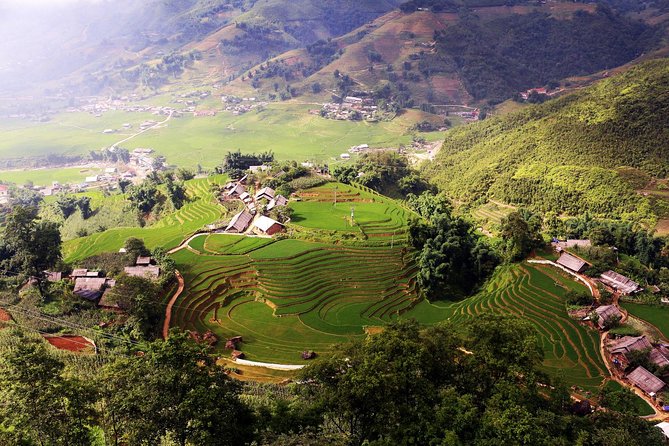
On the 2 days / 1 night option and the 3 days / 2 nights option, you sleep in a homestay. That matters because you’re not just visiting villages for a photo. You’re spending the night in a local home setting as part of the trek rhythm.
The tour also includes meals on these longer trips. On the 2-day/1-night route, you’re covered for 2 lunches, 1 dinner, and 1 breakfast, plus the homestay night and valley entrance/transport details. On the 3-day/2-night route, it expands to 3 lunches, 2 dinners, and 2 breakfasts, with two overnight stays in homestays.
Why I think this is good for most people: meals and sleeping arrangements reduce friction. You can focus on walking, asking questions, and letting the days unfold instead of solving logistics.
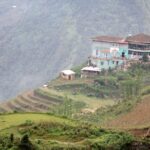
One extra note from the on-the-ground village feel: some villages are clearly dealing with modernization. You might even see signs of new services showing up alongside traditional life. That doesn’t make the experience fake—it makes it real. You’re watching a living community, not a museum.
Day 1: Y Linh Ho (1-Day Trek, 9AM–3PM)
Your first day is a straight-to-the-point trek to Y Linh Ho, running roughly 9:00 am to 3:00 pm. It’s a good choice if you want a taste of the valley without committing to an overnight.
This day includes:
- lunch in a local restaurant
- entrance fee to the valley
- transportation back to Sapa Town after the trek
Practically, that means you start walking, get meaningful village/valley time, eat without hunting for a place, and end back where you can reset. It’s also one of the best options for people who aren’t sure about their stamina yet.
What to expect on a Y Linh Ho style day:
- steady walking through village-area paths and rice-field scenery
- time for viewpoints and village moments
- enough structure that you don’t have to navigate
The main drawback is the same one you’ll see in Sapa generally: if it rains, the ground can turn slick. Even if the route is doable, mud can slow you down and mess with footing—so you’ll feel it more than you expected.
Day 2: Ta Van Village (2 Days / 1 Night)
Day 2 takes you to Ta Van Village with a 2 days / 1 night format. Like the first day, the trekking day is set for roughly 9:00 am to 3:00 pm, but the real shift is that you get that second half of the experience: staying overnight in a homestay.
Included here:
- 2 lunches, 1 dinner, 1 breakfast
- overnight stay in a homestay
- entrance fee to the valley
- transportation back to Sapa Town after your trek
This is the option I’d steer more people toward if they can handle one night away from a hotel. You get more time, more village contact, and you’re not rushing through everything on day trips.
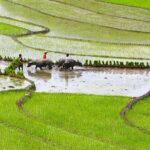
There’s also a strong chance you’ll come away with small, memorable moments—like learning how locals work the land. In feedback from previous trips, one guide shared village knowledge and helped people try activities like planting rice. You don’t need to be an experienced trekker to appreciate those moments; you just need curiosity and a willingness to follow instructions.

Day 3: Giang Ta Chai Village (3 Days / 2 Nights)
The longer option heads to Giang Ta Chai Village for a 3 days / 2 nights trek. The walking window stays around 9:00 am to 3:00 pm each trekking day, but you’ll have two homestay nights, which changes the feel from “tour” to “travel.”
Included on this route:
- 3 lunches, 2 dinners, 2 breakfasts
- 2 overnight stays in homestays
- entrance fee to the valley
- transportation back to Sapa Town after your trek
By day 3, you’re usually in a better rhythm. You know how your body responds to the terrain, you’ve adjusted to the morning start, and you’ve already had time to build rapport with your guide and group. That makes the village moments land more clearly.
This option is best when you want more than a highlight day. If your schedule allows and you don’t mind spending a bit of extra time on the trail, the 3-day version tends to feel more complete.
Weather Reality in Sapa: Bring Serious Rain Gear
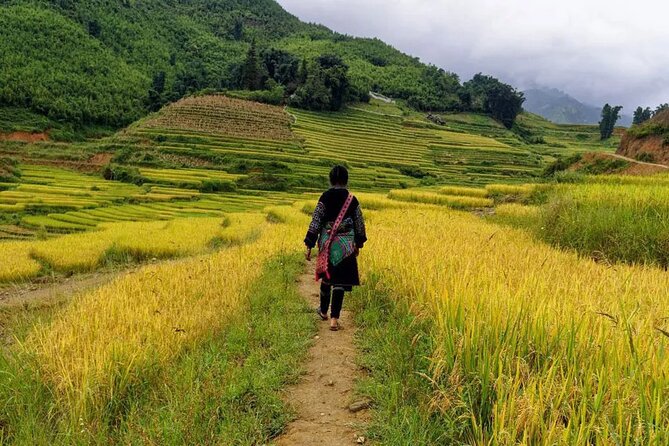
Sapa can be dramatic. Even when the day looks fine at breakfast, conditions can shift fast, and one thing that shows up repeatedly is how rain impacts trekking.
On rainy nights and rainy mornings, trails can become very muddy and wet. That means:
- you move slower
- you need more careful foot placement
- you’re more likely to slip than you are on dry days
If you’re considering the trek and you know you’re not super steady on uneven ground, plan a conservative approach. The right shoes matter. The right rain gear matters even more. If you don’t want your trip to become a balance practice class, prioritize traction and protection from cold rain.
The good news: even overcast, the valley can still be spectacular. You’re not totally at the mercy of sunshine. But you are at the mercy of mud, so prepare like it’s coming.
Guide Quality Can Make or Break Your Day (Nhu as an Example)
A guide can turn a walk into an education. In feedback tied to this experience, a guide named Nhu stood out for paying attention to individual needs, answering questions, and sharing details about the villages you’re visiting. That kind of guiding is what turns the trek into real understanding rather than just a route with scenery.
At the same time, not every guide experience will match that level of explanation for every language. If you want lots of conversation, you’ll likely have the best time when you choose a departure that pairs you with a guide who can communicate well for your comfort level.
A practical tip: ask your guide early what you should notice as you walk—work in the fields, home routines, village crafts, or daily rhythms. You’ll get more from the day when you guide the questions.
Practical Logistics That Keep the Trek From Feeling Hard
Even though it’s outdoors and physical, the setup is meant to reduce hassle.
Here are the practical pieces that matter:
- Pickup offered: you don’t need to solve transportation from your hotel on your own.
- Mobile ticket: you’re not scrambling for paper confirmations.
- Near public transportation: you’re not locked into one complicated access point.
- Confirmation at booking time: it reduces uncertainty before you go.
- Service animals allowed: you can travel with support animals if needed.
Also, the meeting point and endpoint are straightforward: you start in Sa Pa, Lao Cai at 9:00 am and the activity ends back at the meeting point. That makes it easier to plan dinner and rest without guessing how you’ll get home.
Who This Trek Fits Best
This works especially well if you like:
- walking with structure (you have a plan and support)
- small-group pace (max 8 travelers)
- culture + valley scenery, not just a workout
It also makes sense for different fitness levels because there are multiple duration choices, from a 1-day trek to 2-day/1-night and 3-day/2-night options.
I’d be a little cautious if you:
- are unsteady on uneven ground (rainy mud can be tough)
- hate getting wet and don’t pack accordingly
- expect heavy, constant English narration throughout without asking questions
If you can handle a rainy-day version of walking and you’re comfortable with some basic guidance, you’ll likely enjoy how human-scale the experience feels.
Should You Book Sapa Local Trekking Adventures?
Book it if you want a Sapa trek that’s organized but still personal. The small group of 8, the included valley entrance, and especially the homestay nights are the big reasons this is worth your time. If you’re doing your first Sapa visit, this is one of the more direct ways to go beyond viewpoints.
Skip it or choose the 1-day version if mud and slippery footing are major concerns for you. Also consider how much you care about guide explanations. When you find a guide who communicates well, the experience gets far more meaningful—when you don’t, the trek can still be beautiful, but you’ll rely more on your own observation.
If you’re the type who likes to ask questions, watch how daily life works, and walk at a sensible pace, this is an easy yes.
FAQ
What time does the trek start?
The start time is 9:00 am.
How big is the group?
The maximum group size is 8 travelers.
Is pickup included?
Pickup is offered.
Where do you meet and where does the tour end?
You start in Sa Pa, Lao Cai, Vietnam, and the activity ends back at the meeting point.
What food is included on the 2-day/1-night trek?
On the 2 days / 1 night option, meals included are 2 lunches, 1 dinner, and 1 breakfast.
What food is included on the 3-day/2-night trek?
On the 3 days / 2 nights option, meals included are 3 lunches, 2 dinner, and 2 breakfasts, plus 2 overnight stays in homestays.
Is the valley entrance fee included?
Yes, entrance fees to the valley are included on the trek options.
Can I cancel for a refund?
No. The experience is non-refundable and cannot be changed for any reason.