REVIEW · LOMBOK
Mount Rinjani: 2D/1N Trekking To Sembalun Or Senaru Views
Book on GetYourGuide →Operated by Din Trekking Rinjani} · Bookable on GetYourGuide
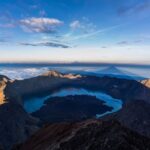
Two days. One huge sunrise. On this Mount Rinjani 2D/1N trekking from Sembalun, you climb from 1,156 m up to camp on the Sembalun crater rim, then chase a cold, early sunrise over the 4 Gili Islands.
I also like how the route layers meaning: big open grasslands in the morning, then crater scenery and that natural hot spring pause to reset your body.
The main consideration is physical. The summit day starts at 3am and the trail is steep and slippery, so you’ll want solid footing and ideally your own trekking poles or headlamp if you care about comfort.
In This Review
- Key things I’d zero in on
- Why this Mount Rinjani 2D/1N trek starts with Sembalun
- From Senaru to the trail: 4WD, registration, and your first altitude lift
- Day 1: Sembalun grasslands, Pos stops, and the crater-rim sunset
- Camp night at 2,639 m: sleeping setup and cold-weather reality
- Day 2: the 3am summit climb to 3,726 m and sunrise over the 4 Gili Islands
- Hot spring and crater views: why the rim camp feels like a reward
- Food, water, and the porter-cook advantage on Rinjani
- Price and value: what $190 includes and what you still need to pack
- Gear list, rules, and health limits you should not ignore
- Who should book this trek (and who should choose a different Rinjani plan)
- Should you book this 2D/1N Rinjani summit trek with Din Trekking Rinjani?
- FAQ
- How long is the Mount Rinjani 2D/1N trekking program?
- What altitude does the trek reach, and where do you camp?
- Do you get transport after the trek?
- Is food and water included during the climb?
- What do I need to bring?
- What equipment or items are not included?
Key things I’d zero in on
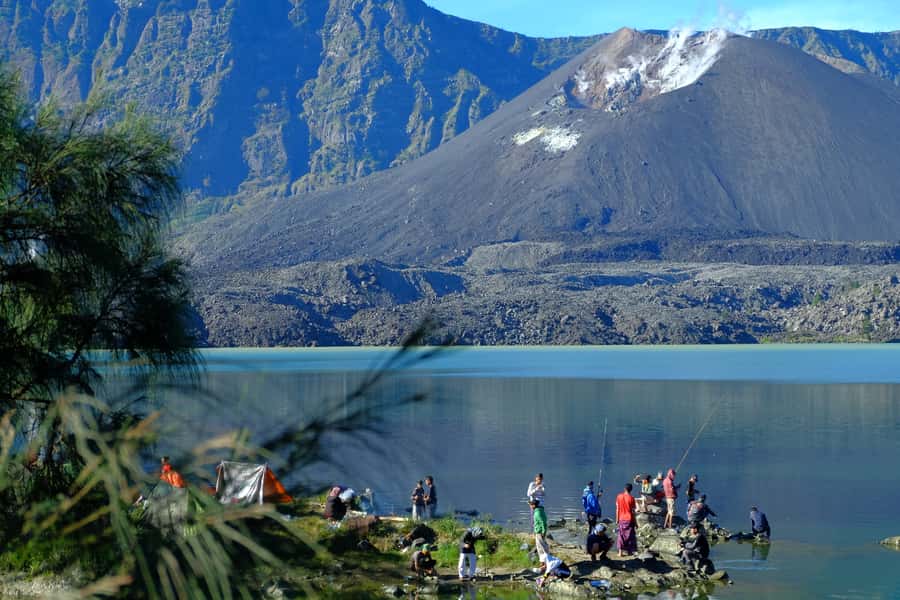
- Crater-rim camp at 2,639 m with Lake Segara Anak and serious views in the evening light
- A 3-hour push to the summit (3,726 m) so you arrive just in time for sunrise
- Natural hot spring time built into the itinerary for a much-needed body reset
- 3 liters of mineral water per person per day plus meals, tea/coffee, and fruit stops
- Transport after the trek to Senggigi, Bangsal, Mataram, or KutaFree
- Gear quality can vary, so plan to bring your own headlamp and poles if you’re picky
Why this Mount Rinjani 2D/1N trek starts with Sembalun
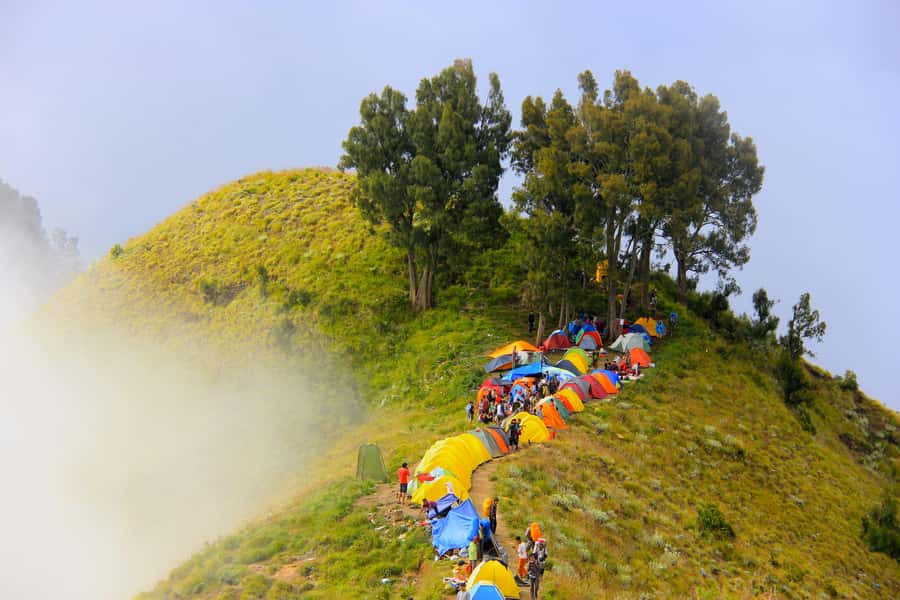
The smartest thing about this short Rinjani trek is that you still get the full emotional arc. You start with open, breezy savanna-like views around Sembalun, then end up at altitude where the crater feels close enough to touch. After that, sunrise over the 4 Gili Islands turns the whole effort into something you can’t scroll past.
You’re also not just walking for a photo. You’ll camp at the crater rim and spend time looking out at Lake Segara Anak, the summit, and Northern Lombok. That matters because Rinjani isn’t only about reaching a number on a map. It’s about how the mountain changes as the light moves.
Finally, there’s the hot spring. That’s not a random add-on. On a hard two-day climb, a warm soak gives your legs permission to recover.
You can also read our reviews of more tours and experiences in Lombok.
From Senaru to the trail: 4WD, registration, and your first altitude lift
You’ll typically depart from Senaru and ride up by 4WD to Sembalun before starting the trek. That vehicle transfer is important because it reduces the time you spend struggling at the lowest elevations while your body is still waking up.
Before you start walking, you register at the Rinjani Information Centre in Sembalun (around 1,156 m). I like this part because it’s a reality check: you’re not just improvising a hike. You’re entering a protected area with rules and a known route.
You’ll get a briefing at the meeting point too, with your guide covering what to expect during the trek. If you’re the type who asks lots of practical questions, this is where you do it—especially about pacing and what to do if you feel off during the ascent.
Day 1: Sembalun grasslands, Pos stops, and the crater-rim sunset
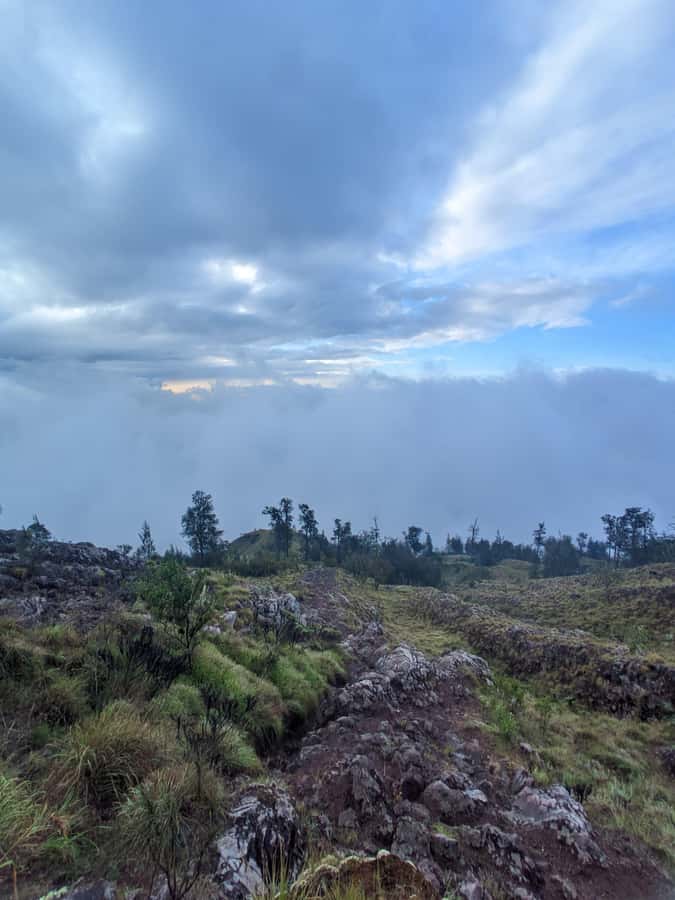
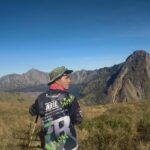
Day 1 starts with an early breakfast, then you hit the trail with the undulating open grasslands leading the way. This is a deceptively friendly phase. It’s not flat, but it’s wide enough that you can find your rhythm and keep moving without the trail feeling like a wall.
You’ll stop at Pos 1 and Pos 2 for rest breaks and snacks. These pauses matter because they prevent the two most common summit mistakes: going too fast early, or getting too tired before the real climb begins.
At Pos 3 (around 1,800 m) you’ll take a longer break for lunch. After that lunch, the day turns steeper: you climb up toward the crater rim. This is the transition from “walk” to “climb,” and it usually feels noticeably harder after you’ve already been working uphill for hours.
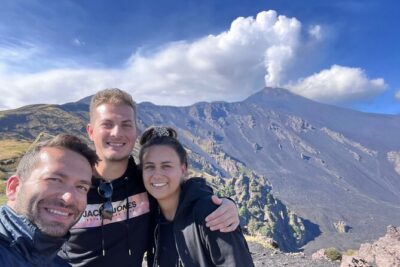
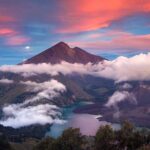
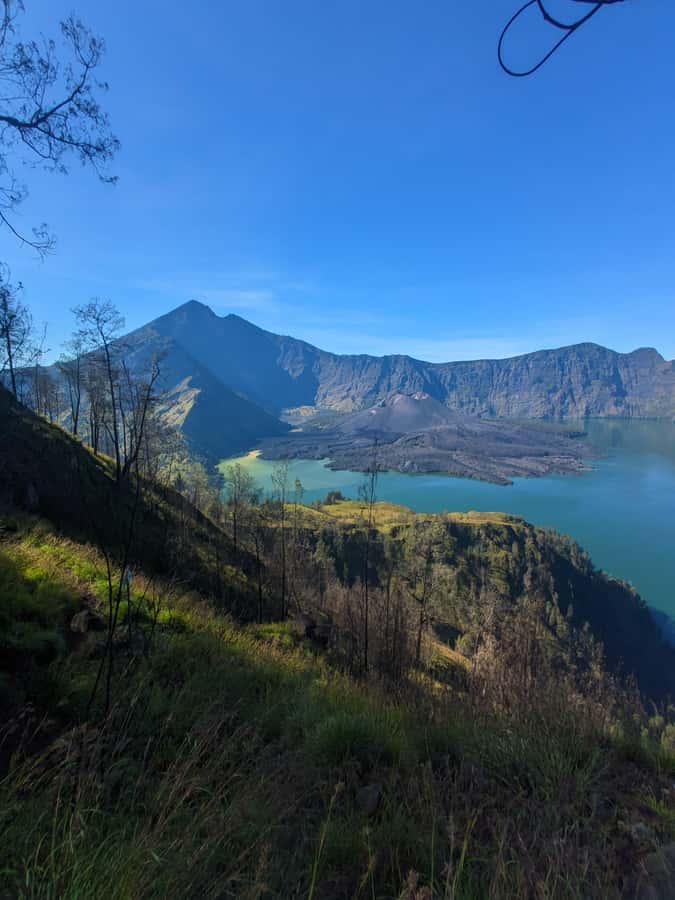
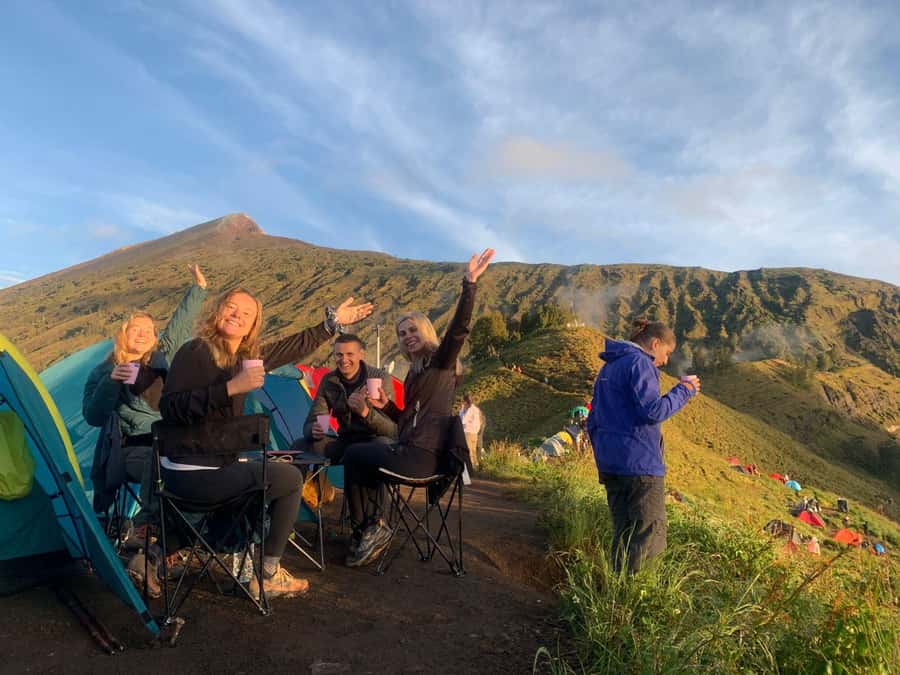
By evening, you camp at Sembalun Crater Rim (about 2,639 m). This is where you get the big payoff: sunset views, Lake Segara Anak, the Rinjani summit line, and Northern Lombok. It’s also the logical time to fit in that natural hot spring highlight—use it. A warm soak at altitude feels like cheating, even though it’s just physics.
Camp night at 2,639 m: sleeping setup and cold-weather reality
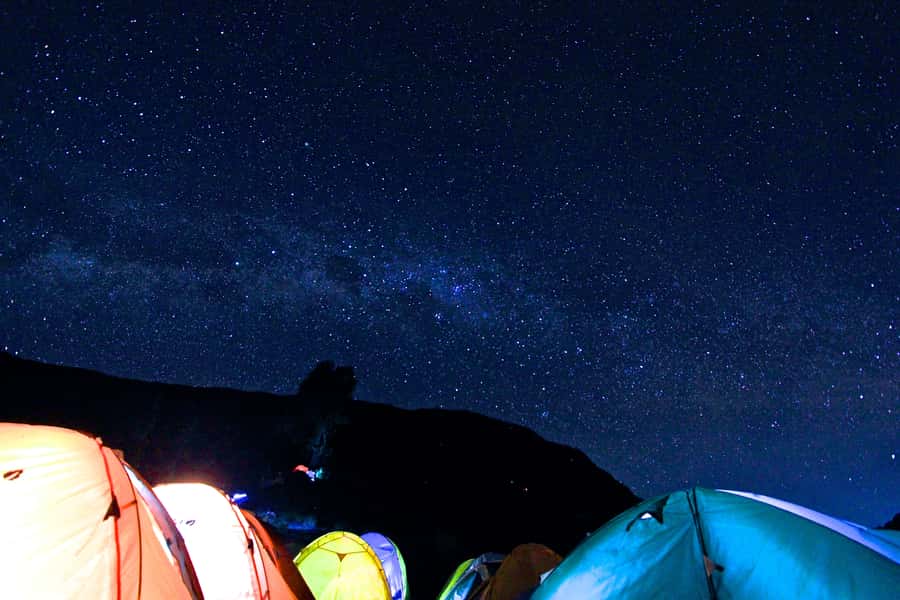
Camping at the rim is where the trek stops feeling like a hike and starts feeling like an expedition. The air at 2,639 m can turn sharp, and the temperature swings after sunset can catch you off guard if you packed only for daytime.
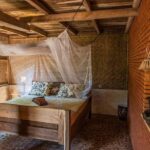
Good news: tents, sleeping bags, and mats are included, along with toilet paper. So you’re not paying extra for the basics, which helps keep the trek price honest.
Still, warm clothes are not included. Bring layers you can actually move in, plus gloves. One review noted that gear support wasn’t always ideal for headlamps and poles, so if night walking or dark camps make you nervous, I’d plan on having your own reliable light. In practice, headtorch quality can make a long night feel shorter.
Also, you’ll be waking early the next day. Even if sleep is light, don’t fight it too much. At altitude, you’ll do better by saving energy than by trying to force deep rest.
Day 2: the 3am summit climb to 3,726 m and sunrise over the 4 Gili Islands
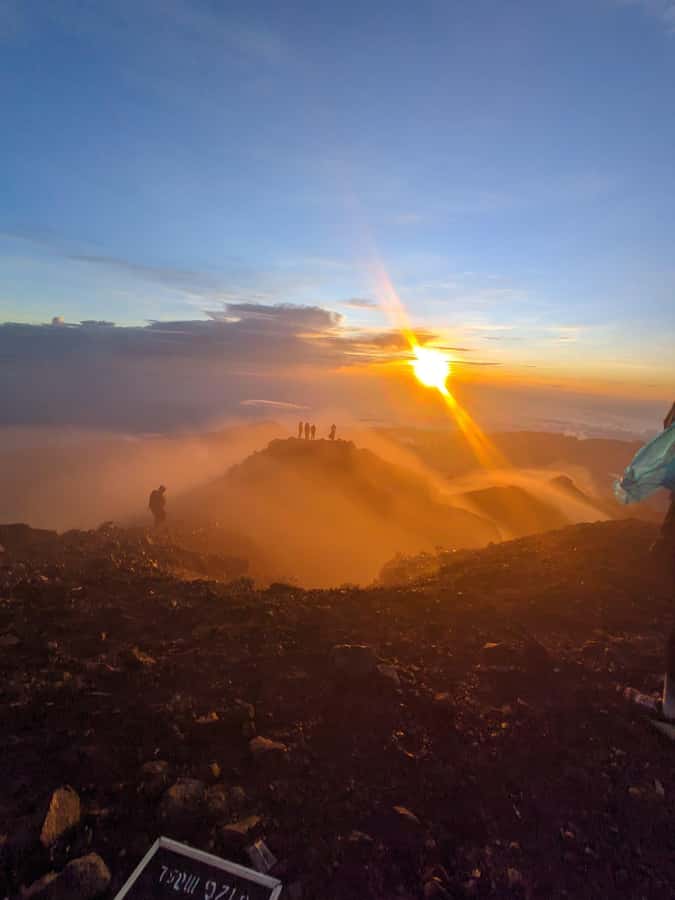
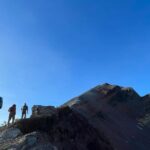
Day 2 starts early, with wake-up around 3am and a light breakfast before the summit push. Then comes the challenging part: a roughly three-hour trek to the top at 3,726 m. This isn’t a casual ascent. The route is steep and can be slippery, so your footing and pace matter more than your motivation.
If you’ve never done a summit climb like this, the biggest tip is simple: start slower than you think you need. You’re climbing in the dark or near-dark, and going out too hard early makes the last section feel longer than it should.
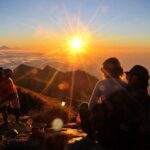
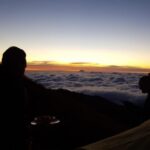
You arrive in time for sunrise, and that’s the reason this short trek sells so well. The views include the 4 Gili Islands and the feeling that you’re watching the world wake up one layer at a time.
After the summit, you return to the crater rim for a hot breakfast and a rest. Then you hike back down to Sembalun. You’ll stop for lunch at Pos 2 or Pos 3 on the way down, and the trek ends with you arriving back in Sembalun in the early afternoon.
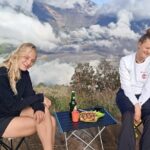
Hot spring and crater views: why the rim camp feels like a reward
It’s easy to think the whole point of Rinjani is the summit. In reality, the crater rim is the emotional center of the trek.
From the rim, you can look out toward Lake Segara Anak and the surrounding mountain shapes, and you’ll see how the volcano’s bowl changes with the sky. That’s also where the sunset and then sunrise moments connect into one continuous story: warm light on a rim, then cold light on a summit, then back to warm again.
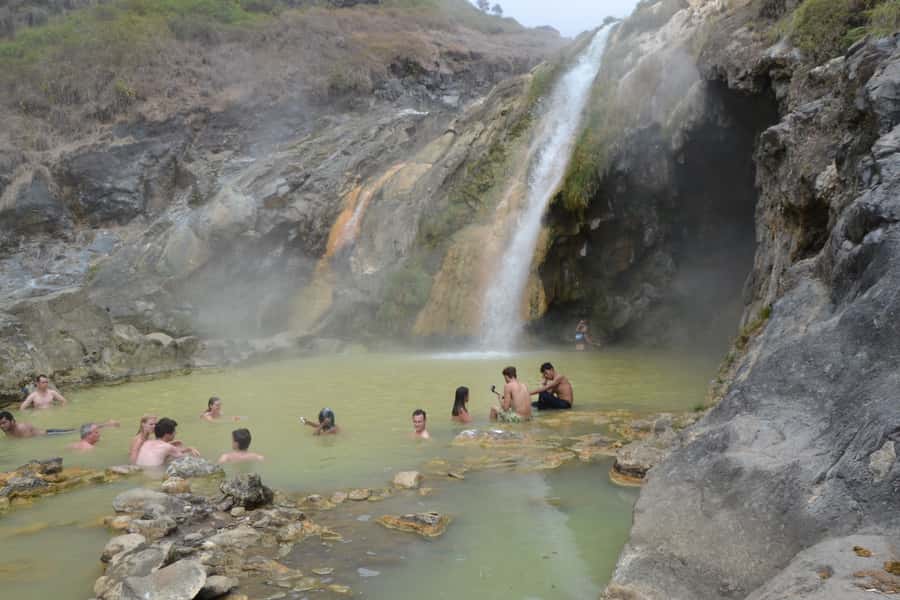
The natural hot spring adds a practical layer to the beauty. It’s not only for photos. A soak helps with recovery when your muscles are already tight from Day 1 and you’ll be using those same legs for the descent.
One more thing I appreciate: this is a short itinerary, but it doesn’t skip the important time at altitude. You get enough rim time to feel the scale, rather than just passing through.
Food, water, and the porter-cook advantage on Rinjani
On tough climbs, food and water aren’t an afterthought—they’re your fuel plan. Here, 3 liters of mineral water per day per person are included during the climb. That’s a big deal because Rinjani conditions can make you underestimate how much you’re actually using.
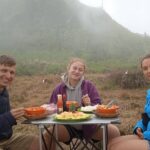
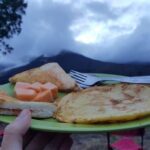
Meals are included along with tea and coffee, plus fruit like pineapple and banana. I like that because it’s not only heavy carbs. Fruit helps with the sense that you’re still traveling like a person, not just surviving like a robot.
You’ll also have a guide and porter support. In reviews, guides like Awan and Din get praised for being attentive, and porters who act as cooks show up as a real factor in how enjoyable the trek feels. One example: porter-cook support was described as impressive given the mountain conditions, with meals arriving at stops rather than after everyone feels wrecked.
One practical warning, though. Equipment can be basic. In a positive review, one person mentioned sharing a headtorch because of equipment limitations, and another noted a broken walking pole. If you know you depend on poles or prefer your own headlamp, bring them.
Price and value: what $190 includes and what you still need to pack
At $190 per person for 2 days, the value comes from what’s bundled. You’re not just buying a guide. You’re also getting the tent setup, sleeping mat and sleeping bag, cooking utensils, food during the trek, water, fruits, park entrance ticket, and trekking insurance.
You also get office storage for backpacks, which is useful if you don’t want to carry a heavy day-bag through the day’s chaos. And after the trek, transportation is included to places like Senggigi, Bangsal, Mataram, or KutaFree, which saves you from last-day logistics.
What’s not included is where your planning matters most:
- Trekking shoes
- Warm clothes
- Supplementary food
- A night accommodation before the trek starts
- A small everyday backpack can be rented, but you’ll still want one plan for it
So the real cost equation is: $190 plus the gear you personally need to stay warm and safe. If you arrive with the right footwear and layers, you’ll feel like the price is fair. If you don’t, you’ll feel it fast.
There’s also a quality-control angle. Most feedback is strongly positive, but one negative review described problems like late arrival, dangerous driving in the dark, route differences from what was promised, and missing or inadequate safety equipment like jackets, poles, and headlamps. I can’t judge the overall standard from a single case, but I’d treat this as a reminder to confirm details before you go: equipment quality, route plan, and that you’ll follow the intended official park route.
Gear list, rules, and health limits you should not ignore
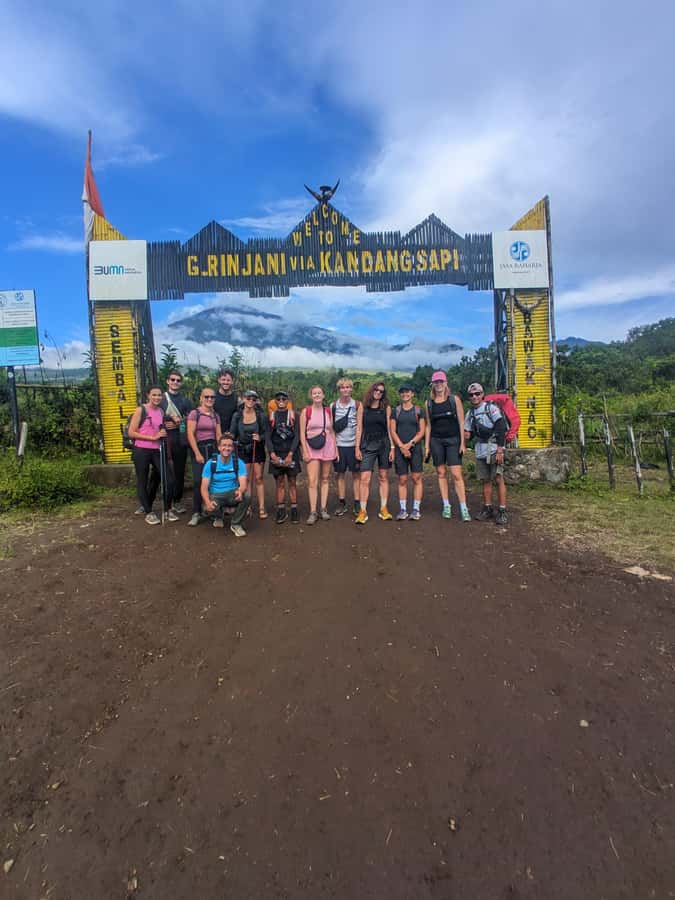
This trek comes with a clear health and safety profile. It’s not suitable for people who deal with mountain sickness or height phobias. You also need the ability to walk long distances and handle steep, slippery sections.
Minimum age is 10, and there are maximum age limits listed too: not suitable for people over 95 and not suitable for people over 70. If you’re traveling with kids or older adults, be extra honest about comfort and risk.
Bring essentials:
- Camera
- Comfortable clothes
- Gloves
- Climbing gear
- Goggles
- Downloaded app
The trek also has rules about what you cannot bring or do. Baby strollers and baby carriages are not allowed, and alcohol and drugs are not allowed. Alcoholic drinks in the vehicle are also not allowed.
On the practical side, I’d treat gloves and goggles as “do not skip,” because sunrise darkness, wind, and rocky paths can irritate hands and eyes fast. If your plan is photos, remember that cold hands make camera handling harder than you expect.
Who should book this trek (and who should choose a different Rinjani plan)
This is best for you if you want a short, intense Mount Rinjani climb with a real summit target and a sunrise reward. You’ll enjoy it most if you like structure: set stops, set camp, and set timing for sunrise.
It’s also a good match if you value having support for meals, water, tents, and sleeping gear. The included camp setup means you’re not hunting for gear in Indonesia at the last minute.
Choose another plan if you:
- struggle with altitude or have a history of mountain sickness
- feel anxious on steep, slippery trails
- can’t commit to an early start and long walking days
And if you’re sensitive to equipment issues, pack your own key safety items. Based on feedback, some groups may share headlamps or deal with broken poles. That’s avoidable if you show up with reliable gear you trust.
Language support is available with a live tour guide in English, Chinese, and Hindi. If communication matters for you on safety topics, that’s reassuring.
Should you book this 2D/1N Rinjani summit trek with Din Trekking Rinjani?
If you’re fit, excited by sunrise views, and comfortable with a tough schedule, I think this trek is an excellent use of two days. The included package covers the hard-to-manage parts—camp setup, park ticket, water, meals, insurance, and even transport after the trek—so you spend less time coordinating and more time moving.
Before you book, do three quick checks:
- Confirm your footwear and warm layers are truly ready for cold mornings.
- Bring your own headlamp and trekking poles if you can.
- Ask about the exact route and equipment quality, especially if you care about getting the standard crater rim experience.
When those boxes are checked, this is the kind of climb that pays you back fast—first at the crater rim at sunset, then at the summit with the Gili Islands rising in the frame, and finally when your legs get that hot-spring reset.
FAQ
How long is the Mount Rinjani 2D/1N trekking program?
The trekking program is 2 days and 1 night.
What altitude does the trek reach, and where do you camp?
You start around 1,156 m in Sembalun, camp at Sembalun Crater Rim around 2,639 m, and climb to the summit around 3,726 m.
Do you get transport after the trek?
Yes. Transportation after the trek is included to Senggigi, Bangsal, Mataram, or KutaFree.
Is food and water included during the climb?
Yes. Food and drinking water are included during the climb, including 3 liters of mineral water per day per person.
What do I need to bring?
You should bring comfortable clothes, gloves, climbing gear, goggles, and a camera. You’re also advised to have a downloaded app.
What equipment or items are not included?
Trekking shoes and warm clothes are not included, and there is no 1-night accommodation before the trekking tour starts. A small everyday backpack can be rented.