REVIEW · POKHARA
Mardi Himal Base Camp Trek from Pokhara 4 Days
Book on Viator →Operated by Pokhara Adventure Nepal (PAN) · Bookable on Viator
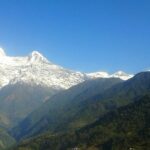
Mardi Himal Base Camp fits fast. This short trek from Pokhara keeps you in the action without eating up your whole vacation, and the views of Machapuchare (Fishtail) and the Annapurna range are a big part of the payoff. I love how the route stays calmer than the more famous trails, so the mountains feel close and the mornings feel peaceful.
Two things I really like: the uncrowded feel (you’re not constantly dodging other groups) and the way the trip is run with practical support, including an English-speaking trekking guide. From what I’ve seen in guide notes, Krishna gets praised for being helpful, and people also note clean rooms and good service in Pokhara and along the trek.
One consideration: you’ll reach 4,500 meters at base camp, and the itinerary includes early starts plus a climb that can trigger breathing difficulty. If you hate thin-air surprises, build in extra patience for the first harder hours.
In This Review
- Key things that make this trek special
- A Fast Route From Pokhara Into the Annapurnas
- Day 1: From Forest Camp to Early Views of Fishtail
- Day 2: Sunrise, Forest Lifts, and the High Camp Approach
- Day 3: Mardi Himal Base Camp at 4,500m and the Viewpoint Climb
- Day 4: Pokhara Lakeside Sunrise and the Down-Trek to Siding
- Price and Logistics: What $270 Covers (and What It Doesn’t)
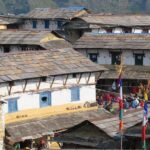
- Lodges, Rooms, and the Real Comfort Level on This Trek
- Guide Support: Why Krishna’s Name Keeps Coming Up
- Who This 4-Day Mardi Himal Trek Is Best For
- Quick Decision Check: Should You Book This Trek?
- FAQ
- How long is the Mardi Himal Base Camp trek from Pokhara?
- Does the price include hotel pickup and drop-off?
- How do transfers work during the trek?
- Are trekking permits and TIMS card included?
- What accommodation is provided during the trek?
- Is this trek private or shared with other groups?
- What fitness level do I need?
- What documents do I need before the trek?
Key things that make this trek special
- A 4-day schedule that actually works if you’re short on time but still want base-camp views.
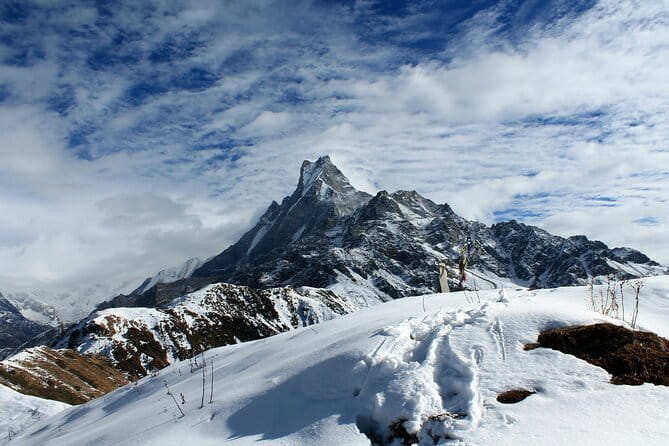
- Early sunrise hikes to viewpoints that put Machapuchare and Mardi Himal into your morning light.
- Quieter trail than the headline treks, with more space to enjoy forests, ridgelines, and village moments.
- Guide support you can lean on, with Krishna specifically mentioned for being very helpful.
- Value that includes permits and TIMS, plus pickup, drop-off, guest house stays, and trekking logistics.
A Fast Route From Pokhara Into the Annapurnas
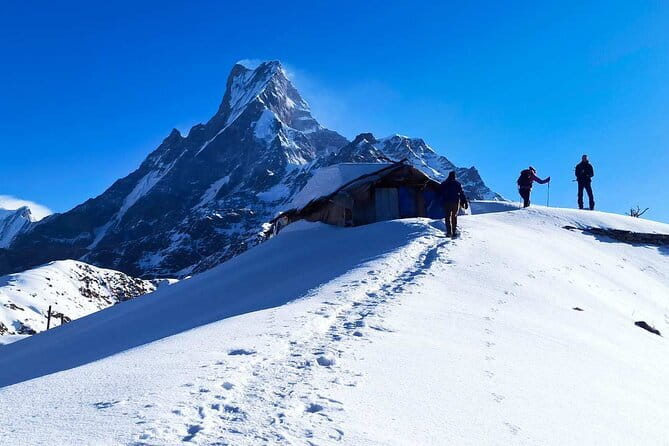
This is a 4-day trek that starts in Pokhara, then uses a short drive to get you on the trail and into the Mardi Himal area without a long warm-up period. The big idea is simple: you trade an extended trekking holiday for a tight, well-paced burst of Himalayan time.
Pokhara is a smart starting point because it’s already set up for tourists—so you can get your day moving quickly. The tour includes hotel pickup and drop-off, plus round-trip transfer by sharing jeep. That matters because the real enemy on short trips is wasted time. You want fewer logistics and more walking toward clear views.
The other major reason this trek stands out is the calm. Mardi Himal is often quieter than the most crowded options in the region. On a route like this, that quiet doesn’t just feel nice—it changes how the day goes. You hear your own steps, you pause more often, and it’s easier to take in forest sections and viewpoint moments without the “constant shuffle” vibe.
You can also read our reviews of more tours and experiences in Pokhara.
Day 1: From Forest Camp to Early Views of Fishtail
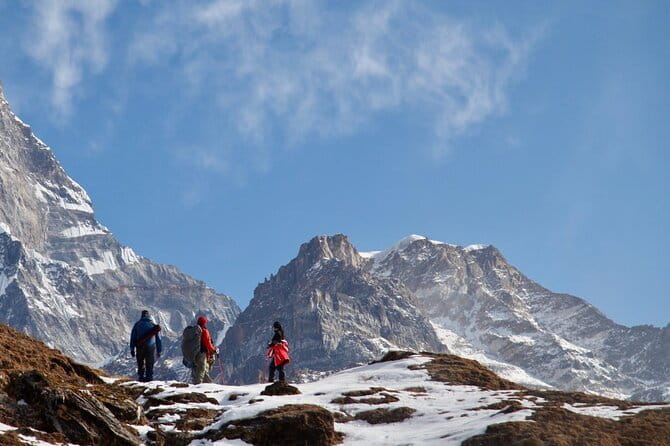
Day 1 begins with pickup from your hotel (or the address you give) around 8:30 in the morning. You’ll drive first, then start trekking. The first trekking day is about easing into the rhythm and stacking your first view memories.
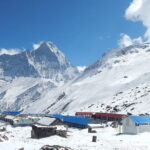
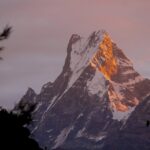
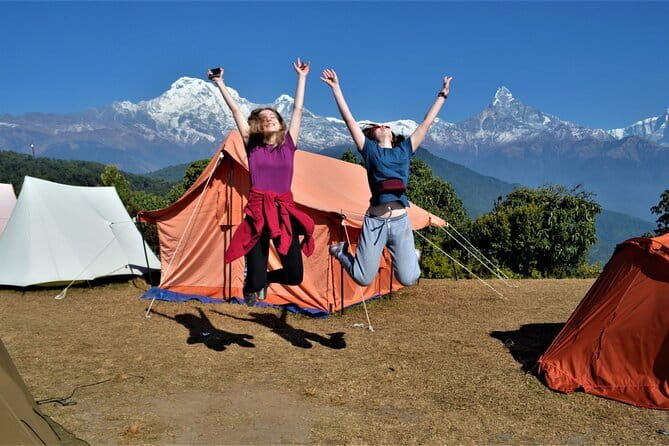
One of the nicest practical details for Day 1 is that Mount Fishtail (Machapuchare) is clearly visible from the Forest Camp area. That means you’re not waiting days for the iconic photo moment. You’ll see green, forested scenery too, and it’s the kind of setting that helps your body warm up without immediately going straight uphill like a stair machine.
What to expect on Day 1 in real terms:
- You’ll likely be walking for around 6 hours.
- You’ll have time to settle into the trail and get your gear habits right (water, layers, and a steady pace).
Possible drawback: because it starts with a short drive plus a full trekking day, Day 1 can feel busy. Plan to keep your pack light and your mindset simple: walk, breathe, and trust that the real “wow” moments keep coming.
Day 2: Sunrise, Forest Lifts, and the High Camp Approach
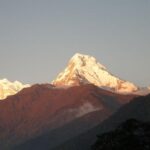
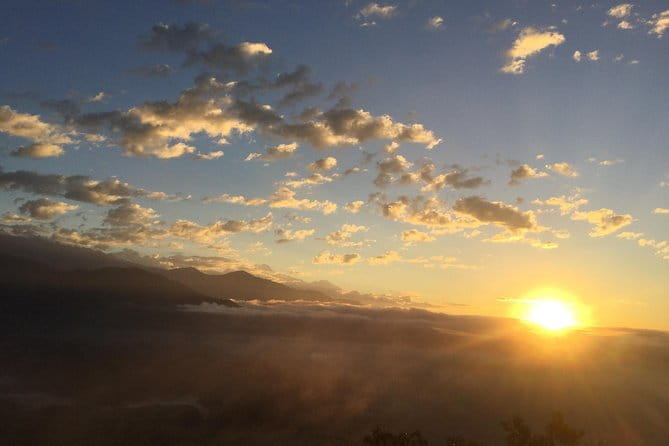
Day 2 starts with the kind of morning you came for: waking up with Fishtail in front and the chance for sunrise. Then you trek toward Mardi High Camp.
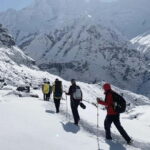
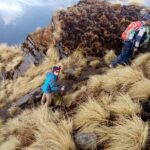
This day also sets up the change in terrain. The route includes forest hiking up to areas like Badal Danda or Middle Camp, and then after Badal Danda the trail moves into a more exposed feel (you’ll notice the environment opening up). That shift is important because it changes how you experience the trek: forests soften the walking, while open stretches demand more attention to wind and how your body is handling altitude.
You’ll be trekking for about 7 hours on Day 2, so treat it as your main conditioning day. If you’re the type who slows down on climbs, this is where you earn the easier sections later.
Helpful tip: on days like this, your goal isn’t speed. It’s rhythm. Take short pauses before you feel forced to pause. On a shorter 4-day plan, small pacing choices matter.
Day 3: Mardi Himal Base Camp at 4,500m and the Viewpoint Climb
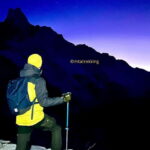
Day 3 is the emotional highlight. The plan includes waking early to catch sunrise from Mardi Himal Viewpoint, then a morning hike of about 2–3 hours ascending.
The tour description flags something you should take seriously: you might feel breathing difficulties. That’s not a scare tactic—it’s just altitude reality, and the trek is designed to move steadily enough to handle it. If you get breathless, don’t chase other people’s pace. Keep it slow, keep it consistent, and let the climb pass through you instead of attacking it.
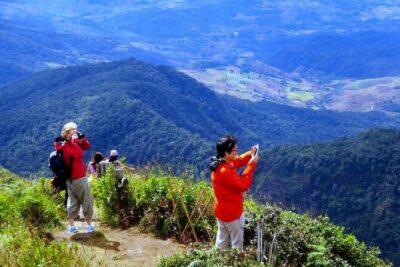
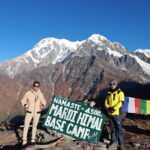
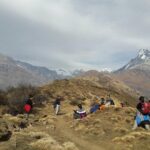
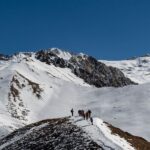
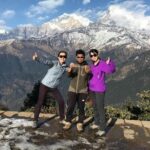
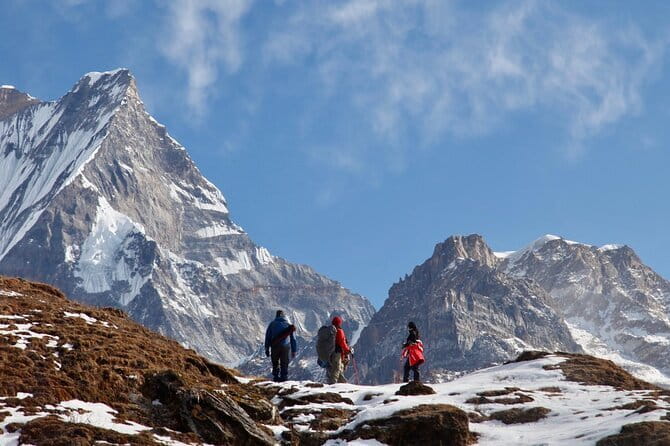
Once you reach Mardi Himal Base Camp (4,500 meters), the reward is a panorama of snow-capped peaks and close-up views of Mardi Himal plus the surrounding Annapurna giants. This is the part where the “short trek” strategy proves its worth. You didn’t spend weeks here—but you still get the base-camp milestone.
Then the day doesn’t end with celebration. You’ll explore near the viewpoint and hike back toward camps:
- Return to Mardi High Camp
- Continue down toward Middle Camp / Low Camp Mardi Himal
You’re looking at about 3 hours for the viewpoint-to-lower-camp movement and another 3-hour block in the back-and-forth section described. Expect this day to feel like two halves: a climb-and-reward morning, then a controlled descent and regroup.
What I like about Day 3 planning is that it gives you viewpoint time, not just a checkmark. You get a place to stop, look, and actually enjoy the altitude view before heading down.
Day 4: Pokhara Lakeside Sunrise and the Down-Trek to Siding
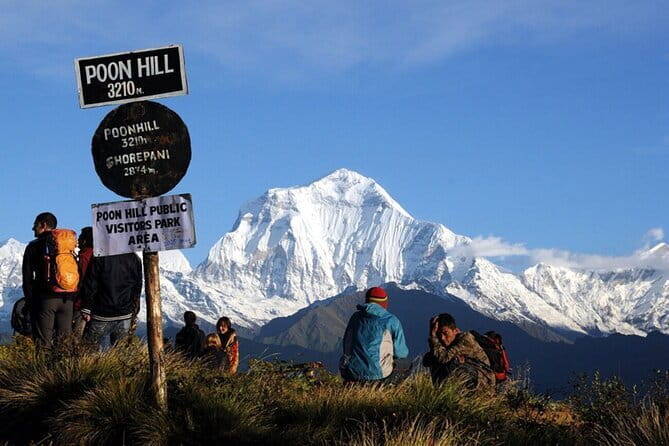
Day 4 starts with sunrise and mountain views again, this time from Pokhara Lakeside. That’s a smart touch. It gently transitions you from altitude life back to a calmer setting.
From there, you trek down to Siding village and then drive back to Pokhara via a sharing jeep. This down-trek is usually where legs feel the most “interesting.” Your body climbs better than it descends, so keep your knees in mind, take careful steps, and don’t race downhill just because you’re near the finish.
The walking time noted for Day 4 is about 6 hours, and the overall goal is to land back in Pokhara smoothly. You’ll finish the trip the way you started—moving back to normal altitude and normal beds.
Price and Logistics: What $270 Covers (and What It Doesn’t)
At $270 per person for a 4-day trek, the price looks reasonable when you break down what’s included:
Included highlights:
- Hotel pickup and drop-off
- Round trip transfer by sharing jeep
- Trekking permit and TIMS card
- English speaking trekking guide
- Accommodation in guest house
- Private trip (only your group)
Not included:
- Personal expenses
- Gratitude (tips)
Here’s how I’d judge value if you’re thinking like a traveler with limited time. This trek rolls a lot of the hard-to-organize pieces into one package: permits, guide, guest house stays, and the start/finish transport. For a short 4-day plan, that reduces stress and frees your head for the views.
The “private trip” detail is worth noting. Even though the jeep rides are sharing, the hiking experience is designed around your group only. If you’re traveling as a couple or small group, that often feels better than shared trekking formats where you get stuck with mismatched pace or interests.
Two things to confirm before you go:
- Ask what “personal expenses” will likely mean for you (extra drinks, snacks, and anything not covered by the guest house).
- Make sure you know what to budget for tipping your guide, since “gratitude” isn’t included.
Lodges, Rooms, and the Real Comfort Level on This Trek
You’ll sleep in guest houses, and the reviews associated with this trek emphasize that rooms are clean and service is good. That’s not guaranteed everywhere on every trek, but it’s a positive signal.
What you should realistically expect:
- Simple, functional rooms rather than luxury.
- Hot water and power can vary day to day (this isn’t stated in the details you provided, so I can’t promise specifics).
- The bigger comfort wins come from a clean place to rest and a guide who keeps you on schedule.
This trek’s lodging piece matters because you’re doing sunrise starts. If your sleep is poor or the room is chaotic, Day 2 and Day 3 can feel tougher than they need to be. Clean guest houses help you recover instead of just endure.
Guide Support: Why Krishna’s Name Keeps Coming Up
One of the most consistently praised elements is the trekking guide. Krishna is specifically mentioned as very helpful, and people also describe good guidance during the trek.
In practical terms, a good guide does more than lead you from point A to point B. For a route like Mardi Himal Base Camp, the guide’s value shows up in:
- Keeping the pacing steady when you start feeling altitude effects.
- Helping you plan when to move and when to pause.
- Making sure you know what’s coming next on each day’s profile.
Also, guide support affects your confidence. When you understand the reason behind early starts (sunrise timing and viewpoint conditions), the whole trek feels more intentional.
If you care about getting the most out of your photos and your time on the viewpoint, a guide who knows the rhythm helps a lot.
Who This 4-Day Mardi Himal Trek Is Best For
This is best for you if:
- You want Himalaya time without a long trek.
- You like the idea of quieter trails and a more peaceful pace.
- You’re comfortable with moderate physical effort and daily walking.
- You want a guide-run trip with permits handled and logistics taken care of.
The tour notes say travelers should have moderate physical fitness. That’s realistic for most people who walk regularly, but don’t treat it as “easy.” You’ll be going high enough to trigger breathing difficulty for some people.
This is also a good choice if you dislike crowds. The Mardi Himal area is known for being more serene than mega-popular routes, and that changes the vibe from hectic to reflective.
Quick Decision Check: Should You Book This Trek?
If you want a 4-day Mardi Himal Base Camp experience that includes permits, an English-speaking guide, clean guest house stays, and pickup/drop-off from Pokhara, this looks like a strong match. The price is easy to justify because it bundles the stuff that usually becomes a headache when you plan last-minute.
I’d book it if:
- Your time is tight and you still want real base-camp altitude.
- You value sunrise viewpoints and calmer trails.
- You prefer a structured itinerary where someone handles trekking paperwork and timing.
I’d think twice if:
- You’re very sensitive to altitude and you don’t like surprises about breathing difficulty.
- You want a gentler pace with longer acclimatization (this trek is short by design).
If you’re in the middle—physically able, curious about the Annapurna region, and happy to work for sunrise views—then Mardi Himal Base Camp from Pokhara is a smart bet.
FAQ
How long is the Mardi Himal Base Camp trek from Pokhara?
It’s about 4 days.
Does the price include hotel pickup and drop-off?
Yes. Hotel pickup and drop-off are included.
How do transfers work during the trek?
You’ll have round trip transfer by sharing jeep.
Are trekking permits and TIMS card included?
Yes. The trek includes a trekking permit and the TIMS card.
What accommodation is provided during the trek?
Accommodation is provided in guest houses.
Is this trek private or shared with other groups?
It’s described as a private trip, meaning only your group participates. Transport uses a sharing jeep, though.
What fitness level do I need?
The trip asks for travelers with moderate physical fitness. You might feel breathing difficulties due to the altitude.
What documents do I need before the trek?
You’ll need a passport copy and a passport size photo prior to the trip to issue the trekking permit.