REVIEW · SAPA
Sapa 2-Day Trek & Homestay in Ta Van Village – Be a Local
Book on Viator →Operated by SAIGONESE TREKKING HOUSE · Bookable on Viator
Rice terraces meet real village life. This 2-day Sapa trek pairs time walking through Y Linh Ho and Lao Chai with an overnight in Ta Van, plus H’mong indigo dyeing you make yourself. I like the dinner setup with the local family, and I like that you leave with fabric you dyed, not just a photo.
One caution: you might run into local sales pushing along the route, so keep your boundaries and small change ready.
In This Review
- Key moments that make this trek different
- Why this Sapa trek feels more like a homestay than a tour
- Day 1: Sapa Town to Y Linh Ho and Lao Chai on foot
- Ta Van Village check-in: the private room moment that resets everything
- Market and garden time: how you turn ingredients into a story
- Cooking dinner with the family: the meal is the lesson
- The H’mong indigo dyeing workshop: make your own souvenir
- Day 2: Giang Ta Chai, Bamboo Forest, and Su Pan before the ride back
- Price and what the included meals really buy you
- Guides and group size: where the experience goes right
- Your best-match travel style for Ta Van
- Should you book this Sapa 2-Day Trek & Homestay?
- FAQ
- FAQ
- What does the $45 per person price include?
- What’s the duration of the trek?
- Is pickup offered?
- How many people are in the group?
- What cultural activities are included besides trekking?
- What happens if weather is poor?
Key moments that make this trek different
- Private bungalow stay in Ta Van Village at Giay’s Local House, with a private room and mountain views
- Market and garden time with your host so you pick ingredients instead of just receiving a meal
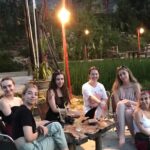
- Cook dinner together as a real group activity with the family that lives there
- Natural indigo dye workshop where you dye your own piece of fabric to take home
- Two full trekking days with recognizable village names like Giang Ta Chai, Bamboo Forest, and Su Pan
- Small-group feel (max 15 people) with friendly guides who handle the details
Why this Sapa trek feels more like a homestay than a tour
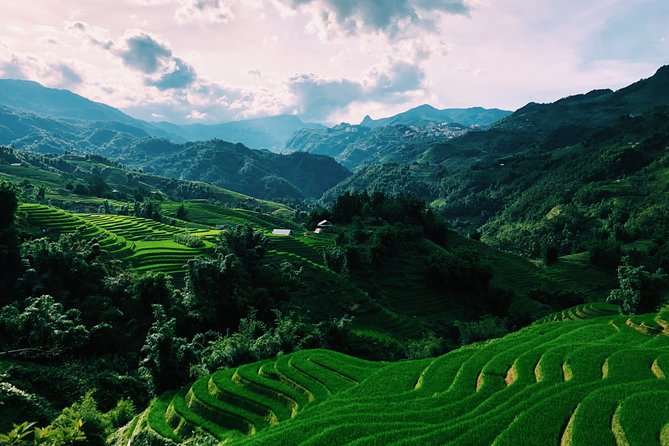
Sapa can be touristy fast. This experience counters that. You’re not just walking past villages with a quick stop. You stay overnight in Ta Van Village, then you cook with the family who runs the house.
The best part is the rhythm. Day 1 is walking and arriving. Day 2 is more walking and then back to town by car. The homestay breaks up the whole thing so you’re not stuck in constant transit mode.
I also appreciate how specific it is about culture in action: market shopping, garden picking, cooking together, and an indigo dye session using natural indigo. That’s not “museum culture.” It’s skill work and daily life.
You can also read our reviews of more tours and experiences in Sapa.
Day 1: Sapa Town to Y Linh Ho and Lao Chai on foot
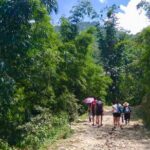
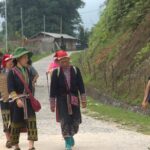
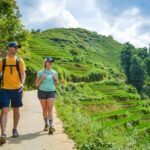
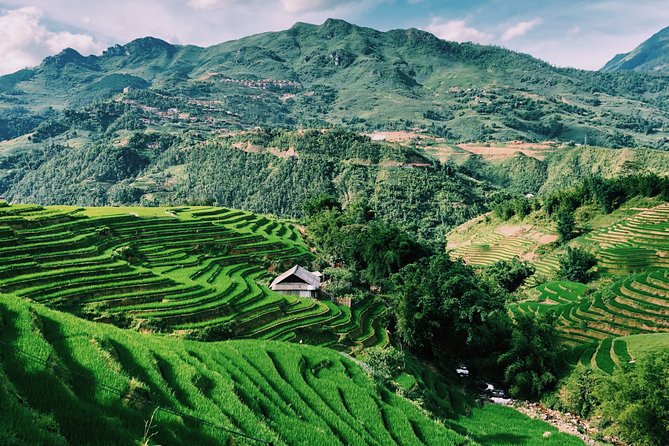
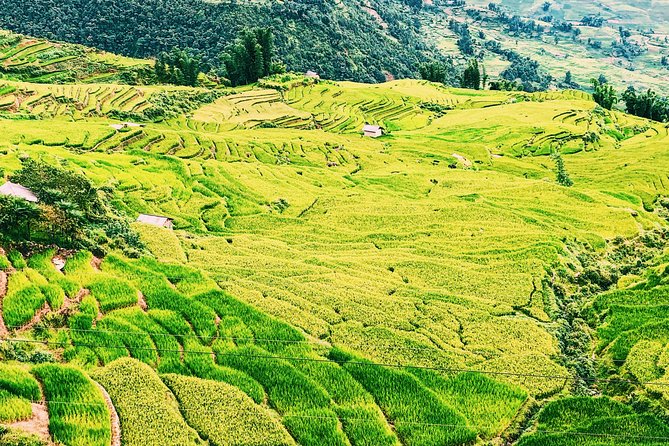
Your morning starts in/around Sapa Town and moves through mountain villages. You’ll pass Y Linh Ho and Lao Chai before reaching Ta Van.
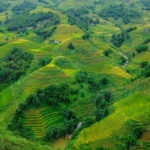
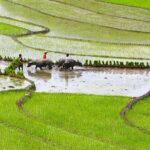
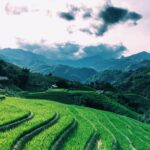
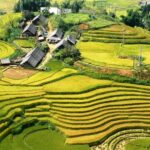
What makes this first stretch work is that it sets expectations for what the next 24 hours will feel like: steady walking, village views, and a sense of scale that cars can’t give you. The trek gives you time to notice details—paths, houses, and the way terraces frame daily movement.
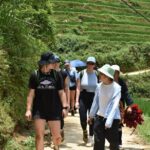
Practical tip: go into Day 1 with the mindset that it’s a guided walk with culture stops, not a “speed” hike. Wear shoes you trust. Bring a light layer for breezy weather. And if it rains, go slow—wet trails can turn slippery fast.
Ta Van Village check-in: the private room moment that resets everything
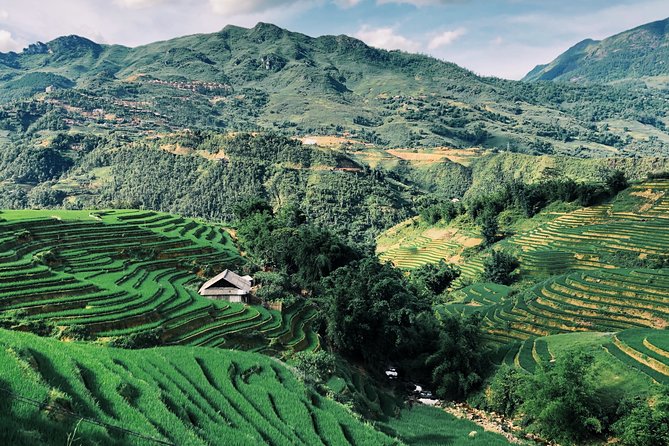
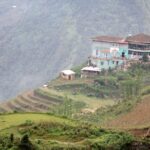
When you arrive in Ta Van Village, you check in to your private bungalow at Giay’s Local House. This is one of the reasons the experience feels like more than a one-night stop. Reviews point to a comfortable stay and a view you can actually enjoy from your room.
After you unpack, there’s time to relax before the village activities. That down time matters. After hours on the trail, you don’t want your evening to be a sprint of more logistics.
Then your host pulls you into village life. The schedule may vary a bit by day, but the pattern is clear: you’ll either pick ingredients from the garden and/or shop at the local market, then head back to cook with the family.
Market and garden time: how you turn ingredients into a story
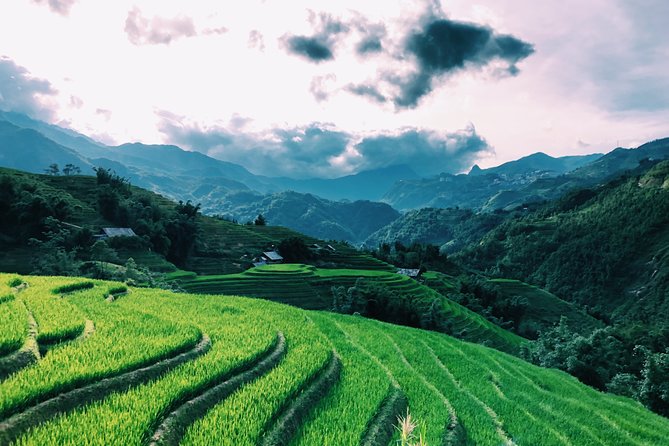
This is the part that makes the whole homestay feel personal. Instead of sitting down and being served, you help gather what ends up on the table.
You might join in picking vegetables from the garden. You might also go with your host to the village market to buy dinner ingredients. Either way, you’ll see how the family organizes food shopping around what’s available and what they use at home.
A smart move here: don’t treat it like a souvenir hunt. If you want to buy something, ask first. If you don’t, a polite no and a smile while you keep walking usually does the job. This is also where the earlier drawback can show up—some sales pressure happens along the trek. Stay calm. You’re there to learn, not to negotiate.
Cooking dinner with the family: the meal is the lesson
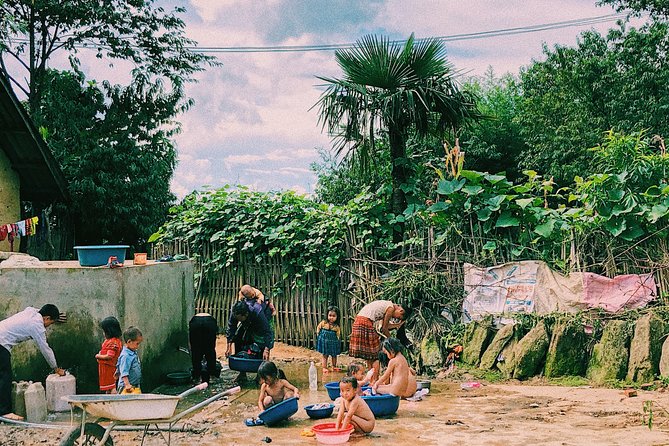
Dinner is shared with the local family, and this is where value becomes real.
You’re not just eating included meals. You’re participating in the process. You’ll return to the homestay together, help with cooking, then eat as a group. The goal is to show you how day-to-day food habits work in a H’mong household.
In one account, the host family served a Vietnamese dish called Bun Cha and it was genuinely memorable. That’s the kind of detail you want to keep in mind: meals can include local favorites alongside what’s typical for the house.
Also, this is where conversations happen naturally. If you get a chance, ask simple questions: what the ingredients are, what’s seasonal, and how the cooking fits into the family routine. You don’t need a long speech—short questions work best.
The H’mong indigo dyeing workshop: make your own souvenir
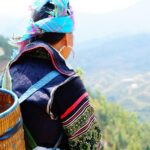
After dinner, you’ll join an indigo dyeing workshop. This is one of the most praised parts for a reason. You learn the natural dye technique and you get your own fabric piece to dye yourself.
The process matters. Indigo isn’t just a color you buy. It’s a method families have used for traditional clothing, and learning the steps gives your souvenir meaning. Even if your first result looks slightly imperfect, that’s part of the charm. Your fabric becomes proof you spent time doing something real.
Two practical things to keep in mind:
- This is hands-on. Expect to get a bit messy.
- Natural dye can be dramatic. Ask how long it needs to set and what to do when you take it home.
What you bring back isn’t just a token. It’s a crafted object made through a cultural skill.
Day 2: Giang Ta Chai, Bamboo Forest, and Su Pan before the ride back
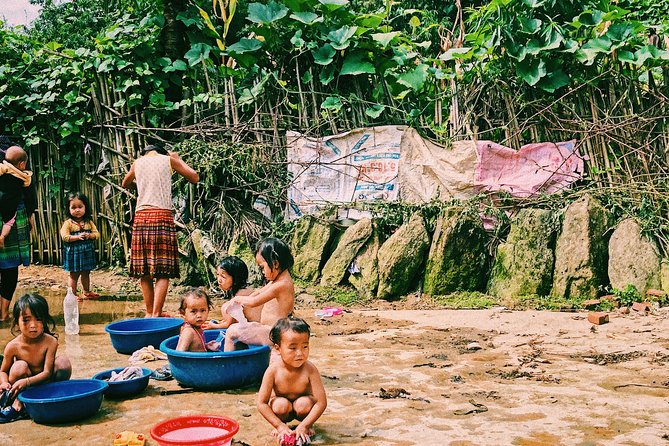
After breakfast, you check out and continue trekking on Day 2. The route includes Giang Ta Chai Village, Bamboo Forest, and Su Pan before the end of the trail.
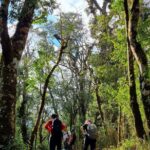
This day feels different from Day 1 because you’re leaving the main homestay rhythm and moving through more trail features. The Bamboo Forest stop is a nice break in pacing. It gives you something other than terrace views, even though you’re still in the same overall region.
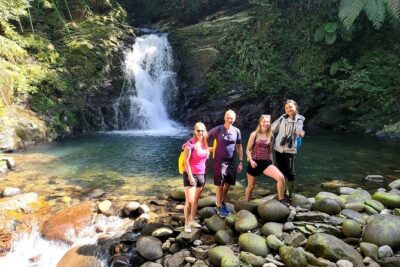
Some routes also include a stop near a waterfall where swimming can happen when conditions allow. Don’t plan your day around it, but if your guide offers a chance to cool off, it’s worth paying attention.
At the end of the walking portion, a car is waiting to take you back to Sapa Town. That means you’re not stuck trying to find your own transportation after two days on foot.
Price and what the included meals really buy you
The cost is $45 per person for about two days. On paper, it’s hard to beat—especially when you consider what’s included.
Included highlights:
- Breakfast, lunch, and dinner with the local family
- Overnight at Giay’s Local House (private room)
- Transportation back to Sapa Town
- Bottled water
When a trip includes the meals and lodging, you’re paying for time and organization. You don’t have to hunt restaurants, figure out where to sleep, or negotiate local logistics. That’s why the price can feel fair even when other expenses in Sapa add up.
What’s not included:
- Tips
- Insurance
I’d also keep a small budget for snacks or extra purchases if you decide to shop at the market. If you dislike shopping pressure, decide your budget before you start walking.
Guides and group size: where the experience goes right
This tour runs with a maximum of 15 travelers, which keeps it from feeling like a crowded marching show.
The guide experience matters, and the names you might encounter come up in accounts of the trip. Thao has helped organize things for some visitors, and Sue/Su has been described as friendly and able to explain village life and speak English fluently. That combination helps a lot when the trip is about more than scenery.
If you’re the type who asks questions—about tribes, daily work, and how the family manages the homestay—this setup rewards you. If you’re quieter, you’ll still get the structure and the time to appreciate the walk.
Your best-match travel style for Ta Van
This works best if you like:
- Slow culture built into daily tasks (market, cooking, dyeing)
- Walking between villages where you’ll hear explanations and watch life unfold
- A small-group feel without complicated schedules
It might not be your best match if you hate any selling pressure at all, because the route can include pushy moments from local sellers. You can reduce stress by traveling with a plan: buy nothing you don’t want, and keep moving when sales chatter starts.
Also, since this is a trekking tour, you’ll want to be comfortable walking for extended stretches over two days. Even if you’re not a hardcore hiker, bring sensible footwear and expect uneven trail sections.
Should you book this Sapa 2-Day Trek & Homestay?
I think you should book it if you want Sapa that feels lived-in. The combination of village treks, overnight in Ta Van, cooking with the family, and making indigo-dyed fabric is exactly the kind of “real-life” travel that gives you more than pictures.
Skip or reconsider only if:
- you know you’ll have zero tolerance for sales pressure along the trail
- you want a purely scenic trek with minimal cultural interaction
- you’re expecting a very easy walk with no time on the move
If you do book, I’d plan to reserve about 5 days in advance on average, since that helps you lock in dates when conditions are right.
FAQ
FAQ
What does the $45 per person price include?
It includes breakfast, lunch, dinner dining with the local family, an overnight stay in a private room at Giay’s Local House, bottled water, and transportation back to Sapa Town.
What’s the duration of the trek?
It’s listed as a 2-day experience, with an approximate total duration of 2 days.
Is pickup offered?
Pickup is offered as part of the experience.
How many people are in the group?
The tour has a maximum of 15 travelers.
What cultural activities are included besides trekking?
You’ll visit the village market and/or pick vegetables, cook a traditional meal with the local family, and join an indigo dyeing workshop where you dye your own fabric.
What happens if weather is poor?
This experience requires good weather. If it’s canceled due to poor weather, you’ll be offered a different date or a full refund.