REVIEW · POKHARA
From Pokhara: Australian Camp & Dhampus 1, or 2-Day Trek
Book on GetYourGuide →Operated by Cordial Trek Pvt. Ltd. · Bookable on GetYourGuide
A short trek, and suddenly the Himalaya feel close. I like the shock of scale you get from Australian Camp, with 180° panoramas over the Annapurnas, and I also like the human side of Dhampus and Pothana, where Gurung village life is right on the trail. One heads-up: lodges are basic, and sunrise or sunset depends on the weather and cloud cover.
This is one of those treks that fits real life. You can do a quick 1-day express if you’re time-crunched, or stretch it into an overnight so you can catch both sunset and a morning sunrise.
I especially liked how the experience feels beginner-friendly without turning into a stroll. It’s a moderate climb with a high effort-to-view payoff, and the guides I met through this trek model tend to be upbeat and hands-on—names like Mr Raju, Prakash, and Pratip show up in the mix, and that matters when you want the route, pace, and views explained clearly.
In This Review
- Key things I’d bank on before you go
- Pokhara to Kande: the drive that starts the adventure
- 1-day express vs 2-day overnight: choose your sunrise strategy
- The 1-day express (quick escape)
- The 2-day overnight (sunset plus sunrise)
- Climbing to Australian Camp (2,060 m): the moderate effort, big payoff
- Dhampus Village and Pothana tea: the culture stop that slows you down
- Sunrise and sunset over the Annapurnas: how to plan for the light
- Lodges and meals: what “basic” looks like in the mountains
- Guides make the difference: Mr Raju, Prakash, and Pratip at work
- Gear, permits, and the small stuff that saves you hassle
- Price and value: why this short trek feels like a real win
- What to bring for Australian Camp and Dhampus (and what to skip)
- Should you book this Australian Camp + Dhampus trek?
- FAQ
- How long is the trek to Australian Camp?
- Where do we start the trek from when leaving Pokhara?
- What altitude is Australian Camp?
- Will I get meals during the trek?
- Is an English guide included?
- What gear is available if I don’t have my own trekking equipment?
- What kind of accommodation is included for the 2-day trek?
- What should I bring and what isn’t allowed?
Key things I’d bank on before you go
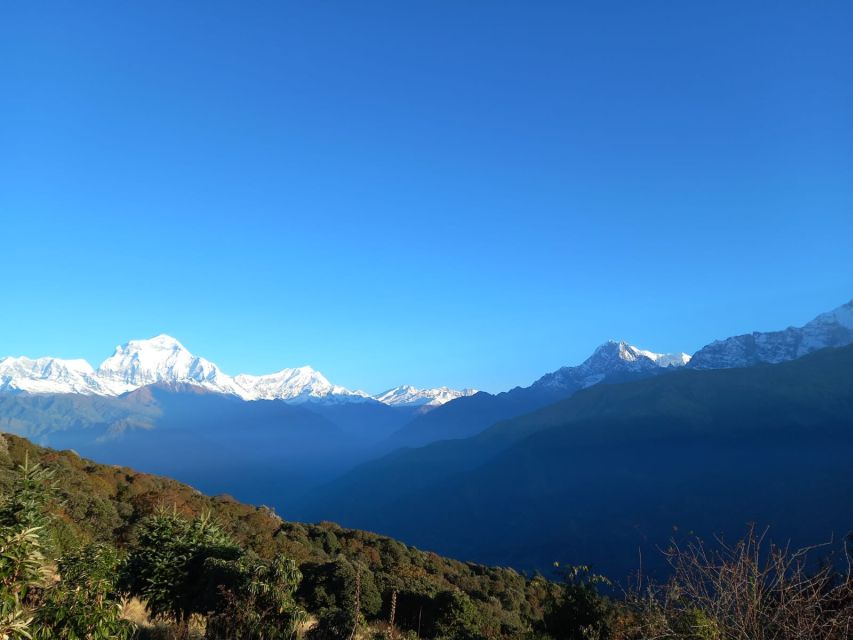
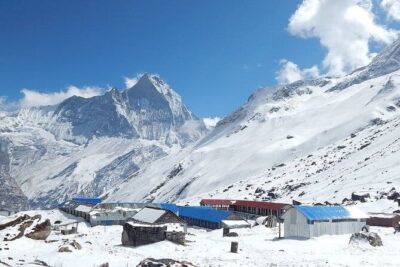
- 180° Australian Camp views over Annapurna South, Hiunchuli, and Machhapuchhre
- 1-day or 2-day pacing that still includes village walks, not just scenery
- Gurung villages en route (Dhampus and Pothana) with real daily life and warm tea stops
- Sunset and sunrise potential from the camp area, with a weather caveat
- Basic mountain accommodation plus full board meals, with a few practical quirks
- Gear support and guided direction to help you trek comfortably even if you’re new
Pokhara to Kande: the drive that starts the adventure
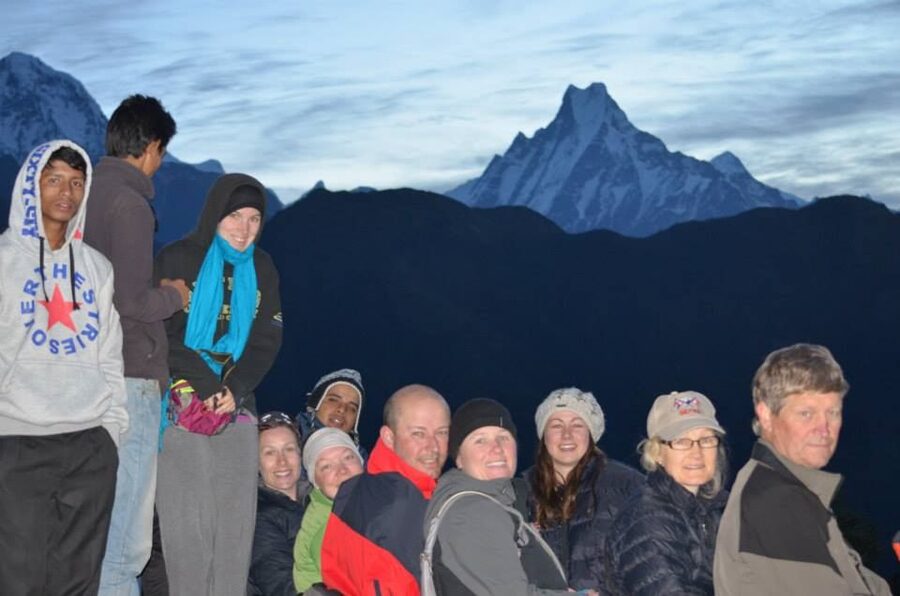
Your day begins with hotel pickup in Pokhara, then a private vehicle ride to the trek starting area. For the 1-day express, you head to Kande; for the 2-day option, you typically drive to Phedi first, which sets up your route and timing for the overnight.
This drive matters more than it sounds. It gets you out of city mode fast, and it puts you on a trail where the air feels cooler and calmer than the lakeside streets.
Timing is tight but not rushed. In the express version, pickup is around 8:00 AM and the trek starts soon after you reach Kande, so you’ll be moving by late morning.
You can also read our reviews of more tours and experiences in Pokhara.
1-day express vs 2-day overnight: choose your sunrise strategy
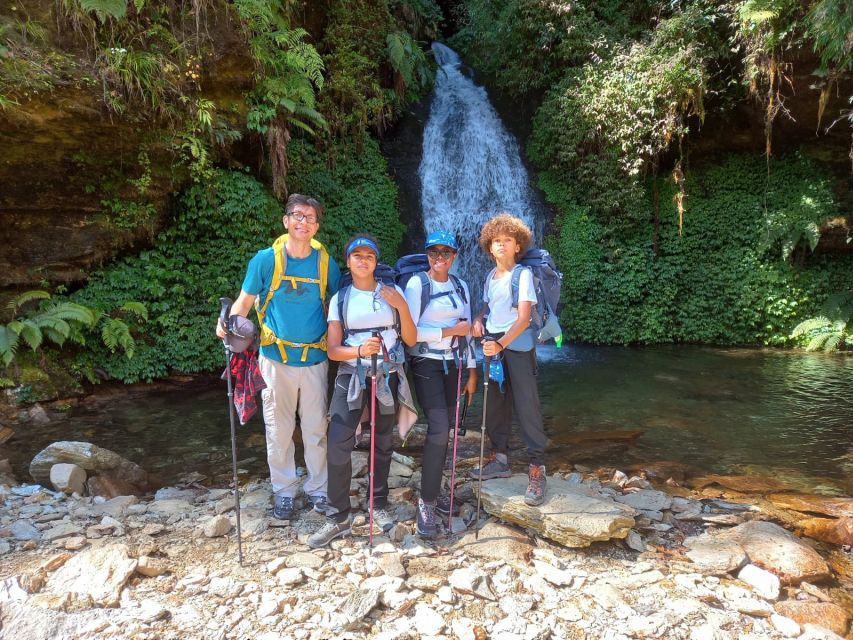
You’re really choosing between two flavors of the same trek: a “see the views and head back” day, or a “watch the mountains change color” day.
The 1-day express (quick escape)
You’ll drive to Kande, then hike uphill for about 2 hours to Australian Camp at 2,060 m. After time for lunch with the big views, you’ll descend via Dhampus Village and then continue down to Phedi for the drive back to Pokhara.
This option is ideal when you want the best photo moments without the overnight uncertainty of weather and sleep quality.
The 2-day overnight (sunset plus sunrise)
Day 1 takes you from Phedi up through Dhampus Village toward Australian Camp. You reach the camp in time for sunset over the Annapurna range and spend the night in a mountain lodge.
Day 2 is built around an early start for sunrise, followed by a slow descent toward Kande and a final drive back to Pokhara.
Pick the 2-day version if the idea of watching the Annapurnas glow in morning light excites you more than sleeping in a familiar place.
Climbing to Australian Camp (2,060 m): the moderate effort, big payoff
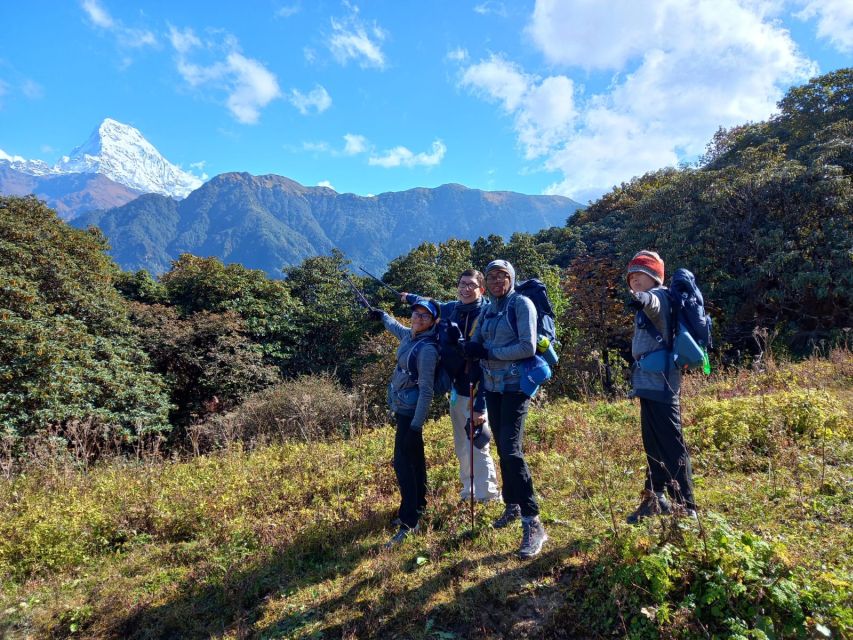
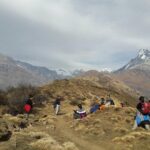
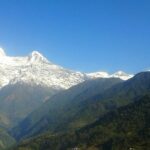
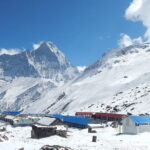
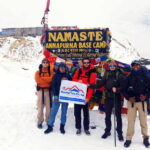
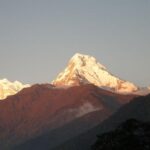
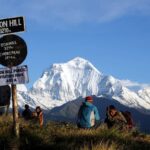
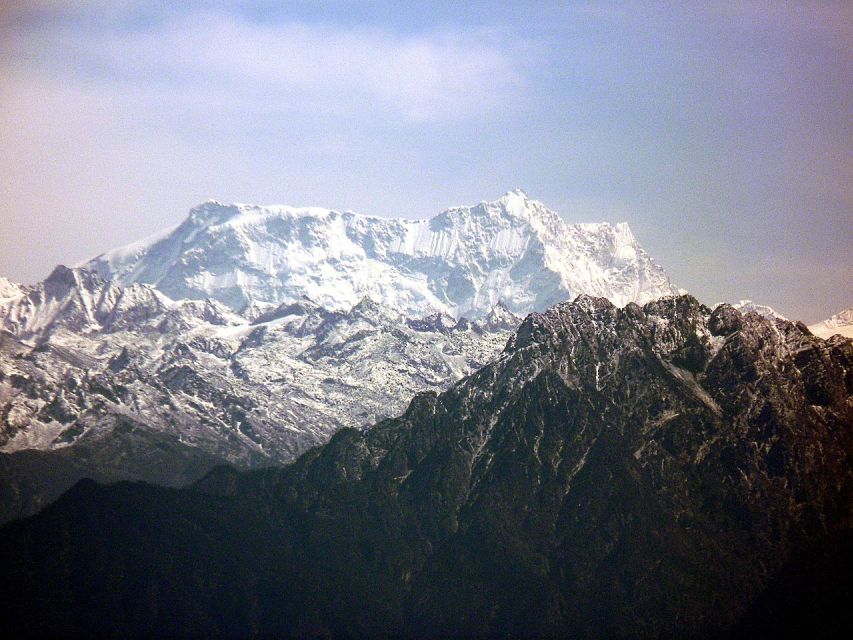
The highlight of this trek is Australian Camp itself. From the plateau at 2,060 m, you get sweeping 180° Himalayan views, including Annapurna South, Hiunchuli, and Machhapuchhre (Fishtail).
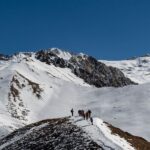
That “moderate” part is the sweet spot. The climb is described as about a 2-hour ascent in the express schedule, so you’re working enough to feel like you’ve earned the view, but not so long that it becomes a full-on expedition.
The practical benefit: if you’re a first-time trekker, your energy stays mostly managed. You can focus on pacing and enjoying the scenery instead of white-knuckling steep sections.
Dhampus Village and Pothana tea: the culture stop that slows you down
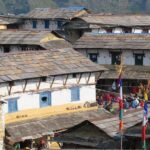
This trek isn’t just about endpoints. On the way up or down, you pass through Dhampus Village, a traditional Gurung settlement with slate-roofed houses and terraced fields.
Walking through an inhabited village changes the trek rhythm. Instead of only looking outward at the mountains, you also look sideways at daily routines—simple, lived-in moments like farms, paths, and small community spaces.
There’s also a warm break at Pothana Village. You’ll stop for Himalayan tea, which is exactly the kind of small comfort that makes a short trek feel complete.
If you’re the type who likes culture but doesn’t want a long detour, this route gives you both: living village scenes with the Annapurnas always in the background.
Sunrise and sunset over the Annapurnas: how to plan for the light
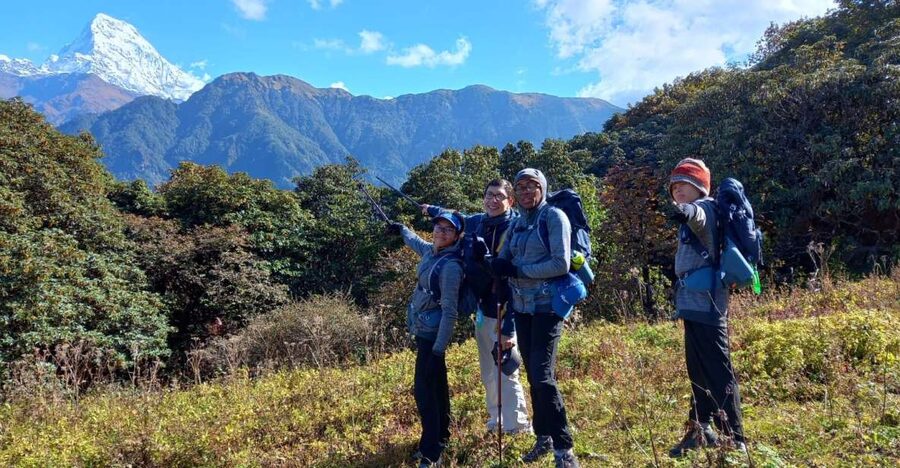
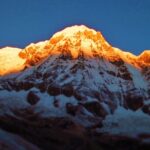
Light is the whole show here. In the 2-day plan, you’re scheduled for a golden sunset on Day 1 and an early sunrise on Day 2 from Australian Camp.
In real life, weather decides a lot. One of the experiences tied to this trek model notes that sunrise wasn’t visible, but the scenery still made the day worthwhile.
My advice is to treat sunrise as a bonus. Even if the sky doesn’t cooperate, you still get a serious viewpoint, and you still get the village hiking and the mountain lodge night (for the 2-day option).
If you really care about sunrise, bring patience. It’s an early morning, and you’ll want to keep your excitement flexible until you’re standing there with the view in front of you.
Lodges and meals: what “basic” looks like in the mountains
You’ll get full board meals on the 2-day overnight trek: breakfast on Day 2, plus lunch and dinner across the two days (with the schedule built into the package). On the 1-day express, you get one lunch during the camp stop.
Accommodation for the 2-day option is a guest house stay with a private bathroom. Still, mountain basics are mountain basics. One common practical note from this trek style is that rooms can be very simple, and you might find things like toilet paper and towels are not always stocked.
So go in with the right expectations. If you need extras, plan to carry what you personally prefer—but don’t expect hotel-style comfort.
The trade is worth it for many people: you get a real overnight in the trekking zone instead of just a long day trip.
Guides make the difference: Mr Raju, Prakash, and Pratip at work
A private guide is included, in English, and this is the kind of trek where guidance really matters. A good guide does more than point the way—they help you understand what you’re seeing, how to pace, and where to pause for the best photos.
In the feedback tied to this trek experience, guides like Mr Raju, Prakash, and Pratip come up with a consistent theme: knowledgeable, friendly, and attentive. People also mention feeling motivated through the walk, especially if they start with low energy.
This is also where beginner comfort improves. When someone helps set expectations—how steep things feel, how long stops take, and when to rest—you spend less time worrying and more time enjoying the route.
Gear, permits, and the small stuff that saves you hassle
This package includes quite a bit behind the scenes: paperwork and travel permits, plus government tax and service charges. You also get water purification tablets as required.
Gear support is also included. If you need it, you can borrow equipment such as a down jacket, trekking poles, and a sleeping bag. That’s a big deal if you’re traveling light or hiking without gear already on hand.
You’ll also receive a duffel bag if you choose the porter option. (Porter is available as an add-on, but not required.)
One important note: oversize luggage isn’t allowed, and alcohol and drugs aren’t permitted. Keep your packing realistic and simple so it fits trekking life.
Price and value: why this short trek feels like a real win
Even without tossing out a single number, the value here is clear. You’re buying a compact experience that includes:
- private transfers from Pokhara
- a trekking guide in English
- meals (full board for the overnight trek, lunch for the 1-day)
- one night of accommodation for the 2-day route
- permits and government fees
- some key gear borrowing support
Most short treks fail on one thing: they cut out the parts that make the experience meaningful. This one keeps the core ingredients—views, village walking, a tea stop, and (for the overnight) time for sunset and sunrise—without asking you to spend a week in transit.
The value angle is especially strong if you’re new to trekking. You get the structure and the support, so the hike doesn’t become a stressful puzzle.
What to bring for Australian Camp and Dhampus (and what to skip)
Based on what’s required for the trek, bring:
- a camera
- hiking shoes
- your passport
On the what-not-to-bring side:
- don’t pack oversize luggage
- leave alcohol and drugs behind
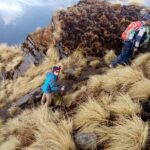
Then add practical thinking. Wear shoes that can handle uneven paths, and bring layers you can adjust. Even with a borrowed down jacket option, you’ll likely feel temperature swings between the lower villages and the camp area.
Should you book this Australian Camp + Dhampus trek?
Book it if you want a short Nepal trek that still feels full. This is a strong choice for photographers, peace-lovers, and first-timers who want a moderate climb with a viewpoint that delivers.
Choose the 2-day overnight if sunset and sunrise are high on your priority list and you’re comfortable sleeping in simple lodge conditions. Choose the 1-day express if your schedule is tight but you still want Australian Camp’s famous panoramic views plus a real village descent through Dhampus.
Skip it (or at least rethink it) if you’re expecting hotel-level comfort. This trek is meant for the mountains: basic rooms, functional stays, and the kind of day where you remember the view more than the bedding.
If you’re okay with that trade, you’ll likely feel it quickly. The Annapurnas show up fast, Dhampus gives you the human scale, and the whole thing is compact enough to fit into a real travel plan.
FAQ
How long is the trek to Australian Camp?
You can choose a 1-day option or a 2-day option. The 1-day express is about 7 hours total, while the 2-day trek includes an overnight stay.
Where do we start the trek from when leaving Pokhara?
For the 1-day express, the trek starts at Kande. For the 2-day option, the route begins at Phedi.
What altitude is Australian Camp?
Australian Camp is at 2,060 m.
Will I get meals during the trek?
Yes. The 2-day option includes full board meals with breakfast, lunch, and dinner across the two days. The 1-day option includes one lunch.
Is an English guide included?
Yes, a live trekking guide in English is included.
What gear is available if I don’t have my own trekking equipment?
You can borrow a down jacket, trekking poles, and a sleeping bag. A duffel bag is included if you opt for the porter option.
What kind of accommodation is included for the 2-day trek?
You’ll stay for 1 night in a mountain lodge/guest house setup with a private bathroom.
What should I bring and what isn’t allowed?
Bring a camera, hiking shoes, and your passport. Oversize luggage isn’t allowed, and alcohol and drugs are not allowed.