REVIEW · MARRAKECH
3 Days Desert Tour From Marrakech To the Desert of Merzouga with a Camel Trek
Book on Viator →Operated by Marrakech unique activities · Bookable on Viator
Three days to the edge of Morocco’s big sand.
This Marrakech to Merzouga desert tour strings together the famous Ait Ben Haddou kasbah, long High Atlas driving with scenic stops, and a real night in the Sahara desert with camel trekking and stargazing. I love the balance here: you get culture (Ait Ben Haddou and Berber villages) plus the main event, a camel ride at Merzouga for sunset colors. One thing to consider is time on the road: it’s a shared-transport style trip, so you should expect long driving days before you’re actually in the dunes.
The second thing I really like is the camp comfort for a night that could feel rough on paper. The Sahara tents are described as cozy and well arranged, and the whole evening includes dinner plus a Berber rhythm. Still, the tour does not include lunch, so you’ll want to budget a bit (or plan ahead) for midday meals when you’re on the move.
In This Review
- Key highlights to look forward to
- Marrakech to Merzouga: the real value is the full route, not just the dunes
- The pace: long drives, but planned
- Day 1: Marrakech, Tizi n’ Tichka, and Ait Ben Haddou’s kasbah walls
- What I like about this first day
- A possible drawback
- Day 2: Toudra Gorge to Merzouga dunes, then camels for sunset
- Sunset crossing: the colors part is real
- What the desert camp experience is like (based on how it’s described)
- Day 3: Optional sunrise, return via Draa Valley, and Agdez memories
- Why Day 3’s route is more than just transportation
- Price and value: what $188 actually buys you
- Who this 3-day camel trek suits best (and who should think twice)
- Practical tips that make the trip smoother
- Should you book this tour?
- FAQ
- FAQ
- What time does the tour start from Marrakech?
- Where do I meet the group in Marrakech?
- Does the tour offer pickup from hotels or riads?
- How long is the tour?
- How many nights do I sleep during the tour?
- Is lunch included?
- What camel experience is included?
- What meals are included in the price?
- Which desert and canyon areas are visited?
- What is the cancellation cutoff for a full refund?
Key highlights to look forward to
- Ait Ben Haddou World Heritage kasbah: a dramatic stop in southern Morocco’s classic ksar style
- High Atlas mountain route: Tizi n’ Tichka passes with plenty of scenery along the way
- Toudra Gorge timing: a limestone canyon stop before you reach Merzouga’s dunes
- One-hour camel trek: camels replace vehicles so you can feel the desert pace
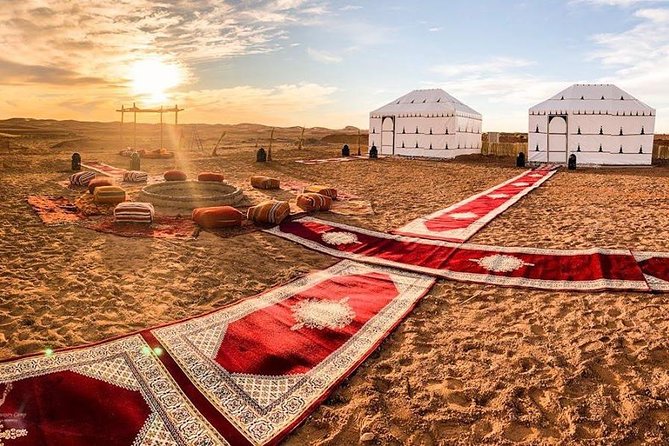
- Comfort-focused Sahara camp night: cozy tents, good dinner, and Berber music at night
Marrakech to Merzouga: the real value is the full route, not just the dunes
A lot of desert tours sell the Sahara like it’s just a photo stop. This one feels more useful because it builds a route: Marrakech to the High Atlas, down through historic kasbah country, then over to the desert edge at Merzouga.
I like that you’re not only rushing to dunes. You’re actually moving through Morocco’s different “zones” in three days: mountain roads, valley towns, then sand. That matters because when you reach Merzouga, it feels earned, not instant.
Also, the group size is capped at 17 travelers, which usually means you can keep the trip from feeling like a cattle line. And yes, pickup is offered, which helps if you’re staying in a riad that makes taxis tricky.
You can also read our reviews of more tours and experiences in Marrakech.
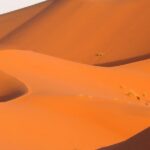
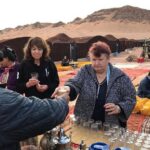
The pace: long drives, but planned
This tour runs for about 3 days with two nights of accommodation: one in Dades and one in the Sahara. That structure is a big part of the value. You sleep en route, so you’re not trying to cram everything into one nonstop day trip.
The trade-off is obvious: you’ll spend serious time in the vehicle. If you hate sitting for hours, you might feel it. Bring water, plan for dusty-road conditions, and be ready for a schedule that’s designed around getting you to Merzouga by the right time of day.
Day 1: Marrakech, Tizi n’ Tichka, and Ait Ben Haddou’s kasbah walls
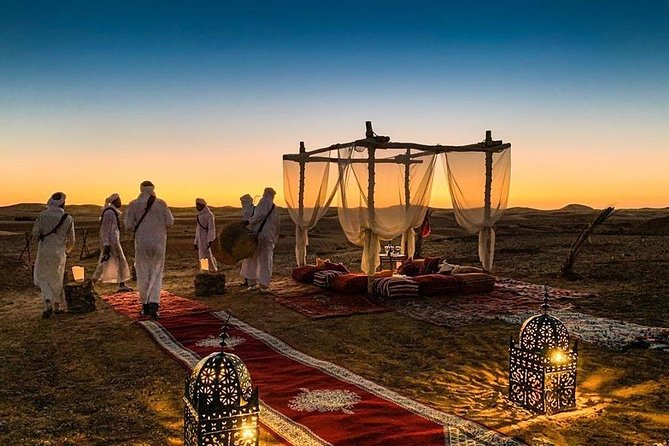
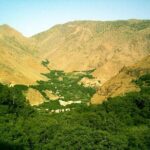
You start with a 9:00 am departure from Jemaa el-Fna (near public transportation). From there, the drive climbs and curves through the High Atlas Mountains, including the Tizi n’ Tichka pass area. This is the part where the scenery changes fast, and you get the sense you’re leaving Marrakech behind for real.
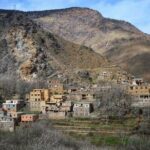
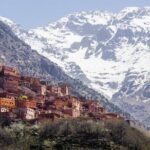
Your first major highlight is Ait Ben Haddou. The kasbah is a World Heritage site noted here as recognized since the 11th century. Even if you’ve seen kasbahs in photos, being close to those mud-brick walls gives you a different scale. It’s not just pretty architecture. It’s a living illustration of how southern Morocco built fortlike villages that could survive harsh conditions.
After the kasbah stop and lunch, the day continues through the Roses Valley toward Dades, where you spend the night. At Dades, you’ll have a local dinner of Berber dishes and enjoy valley views after dark.
What I like about this first day
- You get a “big Morocco” moment early with Ait Ben Haddou, not a late add-on
- Dinner in Dades is local and helps you settle into the Berber-food rhythm instead of doing a generic meal stop
A possible drawback
Day 1 can feel like a “seeing everything from the road” kind of day. The scenery is great, but if you prefer fewer stops and more free time, you may find the pace a bit full.
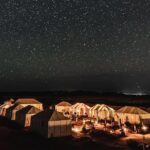
Day 2: Toudra Gorge to Merzouga dunes, then camels for sunset
Breakfast happens first, then the route shifts toward Toudra Gorge. This gorge is described as high limestone cliffs, and it’s known as a strong spot for climbing lovers. Even if you’re not climbing, it’s one of those places where you can walk a little, look up, and understand why people get excited here.
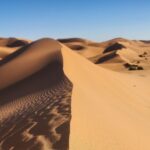
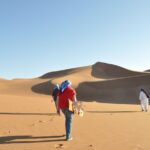
Next comes lunch and then the big arrival: Merzouga. The dunes are the obvious highlight, and the village at Merzouga signals the start of the Sahara in this part of Morocco.
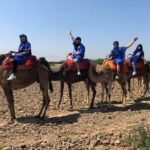
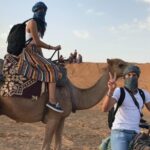
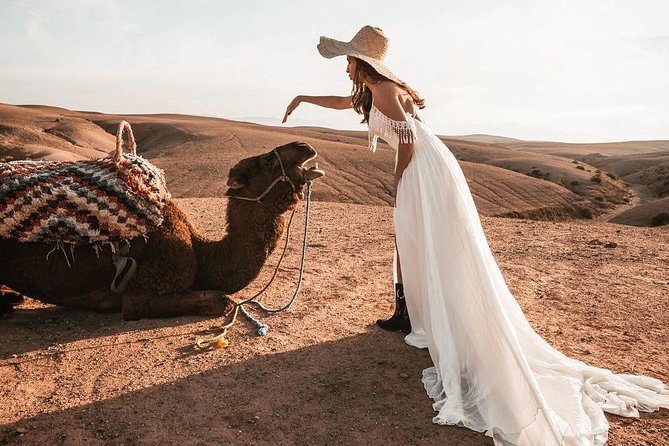
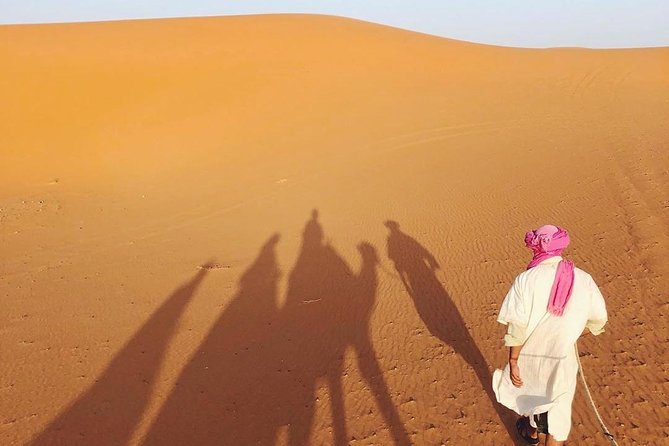
Here’s where the tour becomes more than driving. At Merzouga, camels replace vehicles for a one-hour traditional ride. That’s the heart of the “camel trek” promise. You go from sitting behind a window to feeling the desert under you, with the rhythm of the animals shaping the pace.
Sunset crossing: the colors part is real
After the ride, you cross the dunes to catch the sunset and the shifting colors in the sand. This timing matters because desert light changes quickly. When people say sunset in the Sahara looks unreal, it’s usually because they got there right when the sun was low and the dunes were ready to glow.
Then dinner comes with Berber rhythm, and you sleep in a nomad tent in the desert. You’re effectively doing the classic thing people come for: quiet time under a sky full of stars.
What the desert camp experience is like (based on how it’s described)
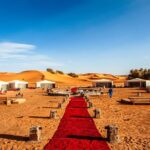
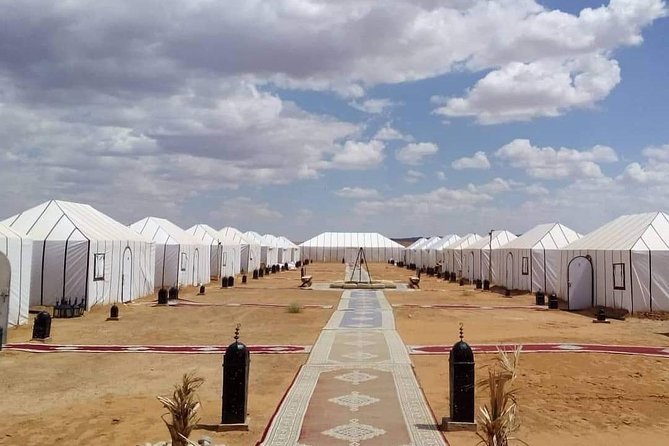
The camp is described as surprisingly comfortable with cozy, well-appointed tents. That’s important. A desert camp can sound romantic and end up being cold and plain. Here, the comfort level is part of what earns strong praise, along with the setup of the tents as a proper refuge from desert nighttime chill.
If you care about comfort but still want authenticity, this is the sweet spot: simple in style, but not miserable in practice.
Day 3: Optional sunrise, return via Draa Valley, and Agdez memories
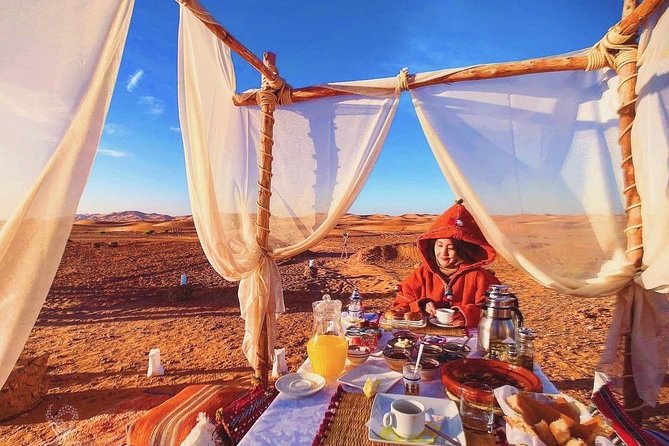
Your morning includes an option: you may choose to view the sunrise early. If you do, it’s one of those moments where you see the desert before the rest of the world wakes up. The light is said to be brilliant and changing in shades, and it’s a good way to end the trip with one last desert scene before the road again.
After the sunrise (if you choose it) and a traditional breakfast, the next step is getting you back. Your camels return you to Merzouga, then the drive continues through the Draa Valley and past the Berber village of Agdez.
In the evening you head back toward Marrakech through the Atlas chain, aiming for a safe and comfortable road return.
Why Day 3’s route is more than just transportation
The Draa Valley and Agdez stop help break up the return drive. Instead of feeling like a pure exit, you get a sense of how people live on routes that have been used for generations. It’s also a practical advantage: the route gives you short mental breaks from long road time.
Price and value: what $188 actually buys you
At $188 per person, this trip isn’t cheap, but it also isn’t trying to be a luxury-only product. Here’s the value logic that makes it make sense:
- You’re paying for two nights of accommodation, including one night in the desert camp
- You get meals: two breakfasts and two dinners are included
- You get the main “experience” component: the one-hour camel ride
- You’re covered for shared transport across mountain roads and desert approach roads
- Stop entry is marked as ticket-free for the listed highlights
What’s not included is lunch. That’s the one budget gap. So if you’re comparing prices, make sure you compare to tours that also include meals and camp nights, not just camel time.
Also, the camp comfort factor is a major part of the value. Several comments point out that the tents are cozy and well arranged, and that the camp setup makes nighttime feel manageable. If you’re going to pay for a Sahara night, comfort should matter, and in this case it does.
Who this 3-day camel trek suits best (and who should think twice)
This is a strong match if you want a classic Merzouga desert tour experience without planning everything yourself.
You’ll probably like it if:
- You want Ait Ben Haddou as more than a passing photo
- You care about camel time, not just driving to dunes
- You want a desert night with real comfort, not only adventure-on-paper
- You prefer a small-ish group (max 17 travelers)
You might want to think twice if:
- You dislike long shared-vehicle days. This tour is built around getting you across big distances in limited time.
- You don’t want to handle extra spending for lunch, since it’s not included.
Practical tips that make the trip smoother
These are small things, but they help you feel in control when Morocco throws you sun, dust, and long drives.
- Bring cash for lunch: it’s the one meal gap listed
- Plan for desert temperature swings: even if the camp is cozy, desert nights can feel chilly
- Pack a light day bag for quick stops so you’re not digging through luggage
- Wear something dusty-friendly for the road and dunes approach
- If you’re concerned about communication, one review highlights the driver’s English as very good and says communication felt barrier-free. Still, it’s smart to be clear about meeting times and return plans.
One more real-life detail: a review mentions a situation where a passport was lost, and the guide helped patiently to sort it out. That doesn’t mean you should be careless, but it does suggest the team is used to solving problems quickly when they happen.
Should you book this tour?
I’d book it if you want the best kind of “first desert” trip: mountain scenery, a major historic kasbah, a real Merzouga arrival, a camel ride timed for dunes and sunset, and a Sahara camp that’s described as comfortable rather than basic.
I’d skip it if you’re very sensitive to long road time or you hate any trip where lunch isn’t included. In that case, you might prefer a shorter or more meal-inclusive option.
FAQ
FAQ
What time does the tour start from Marrakech?
It starts at 9:00 am.
Where do I meet the group in Marrakech?
The meeting point is Jemaa el-Fna, Marrakech 40000, Morocco.
Does the tour offer pickup from hotels or riads?
Yes, pickup is offered.
How long is the tour?
The duration is 3 days (approx.).
How many nights do I sleep during the tour?
You’ll have two nights accommodation: one night in Dades and one night in the Sahara desert.
Is lunch included?
No, lunch is not included.
What camel experience is included?
You get a one-hour traditional camel ride.
What meals are included in the price?
Breakfast (2) and dinner (2) are included.
Which desert and canyon areas are visited?
You’ll reach Merzouga Desert and stop at Toudra Gorge on the way.
What is the cancellation cutoff for a full refund?
You can cancel up to 3 days in advance for a full refund. If you cancel within 3 days, the amount paid is not refunded.
Would you like me to tailor this review toward your travel style (more comfort vs more rugged desert), or help you compare it to a different length Merzouga option?
You Might Also Enjoy
 Annapurna Circuit with Tilicho Lake Trek
 From Sa Pa: Full Day Trek of Fansipan Mountain
 Matanuska Glacier Ice Fall Trek