REVIEW · DEMOCRATIC REPUBLIC OF CONGO
Lowland Gorilla trekking in Kahuzi-Biega National Park
Book on Viator →Operated by Ubuntu Voyages · Bookable on Viator
Lowland gorillas in the DRC are unforgettable. This 3-day Eastern safari pairs Kahuzi-Biega gorilla trekking with a real-world route through the Rwanda–DRC border, plus a day that can include Bukavu city sights and the Lwiro Sanctuary.
Two things I really like about this trip are the calm, organized support (people mention guides like Romy handling border formalities and keeping things restful), and the fact that your gorilla outing is built around a real permit and ranger-led experience, not a random hike. A possible drawback is the cost and the need to be ready for physical walking in forest—plus meals and drinks are not listed as included, so you’ll want to budget for daily food.
One more consideration: you start early (8:00 am), and logistics can be slower than you expect when crossing borders. If you hate waiting, this part will test your patience.
In This Review
- Key Highlights You’ll Feel Right Away
- Lowland Gorilla Trekking in Kahuzi-Biega: What Makes This Trip Special
- Your 3-Day Flow: A Realistic Schedule, Not a Sprint
- Kigali to the Cyangugu Border: The Part You’ll Be Glad Someone Handles
- Bukavu Optional Stops: Culture and Daily Life, With a Few Heavyweights
- The Lwiro Sanctuary Add-On: Biodiversity Beyond One Icon Animal
- Gorilla Trek Day: Rangers, Forest Walking, and What to Wear
- Getting Value From $2,200: What You’re Actually Paying For
- Who This Tour Fits Best (and Who Might Feel Cramped by It)
- Safety and Comfort: What “Professional” Looks Like Here
- Should You Book This Lowland Gorilla Trek?
- FAQ
- What is the duration of the lowland gorilla trekking experience in Kahuzi-Biega?
- Where does the tour take place?
- What is the meeting start time?
- What is the price per person?
- What is included in the price?
- What is not included?
- Do they offer pickup?
- Do you receive tickets electronically?
- How physically demanding is it?
- What is the group size limit?
- FAQ
- Is free cancellation available?
- Confirmation: when do I get it?
- Is this tour near public transportation?
Key Highlights You’ll Feel Right Away
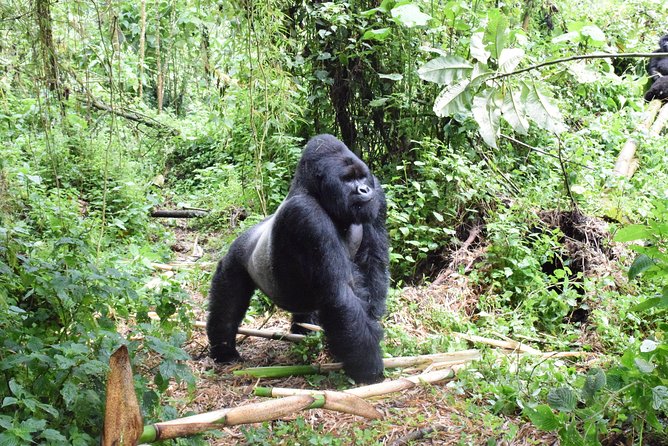
- Lowland gorilla permit included so your big day is planned around legal access and ranger support.
- Small group size (max 5) keeps the vibe manageable during trek logistics.
- Border assistance through Cyangugu/Rusizi area formalities so you’re not stuck figuring paperwork out alone.
- Optional Bukavu city time if you arrive early, with stops like the cathedral, Bralima, markets, hydroelectric center, and Panzi hospital.
- Lwiro Sanctuary visit adds biodiversity context beyond the gorillas.
- Gear advice is practical: boots, long sleeves/pants, and even work gloves can make forest walking easier.
Lowland Gorilla Trekking in Kahuzi-Biega: What Makes This Trip Special
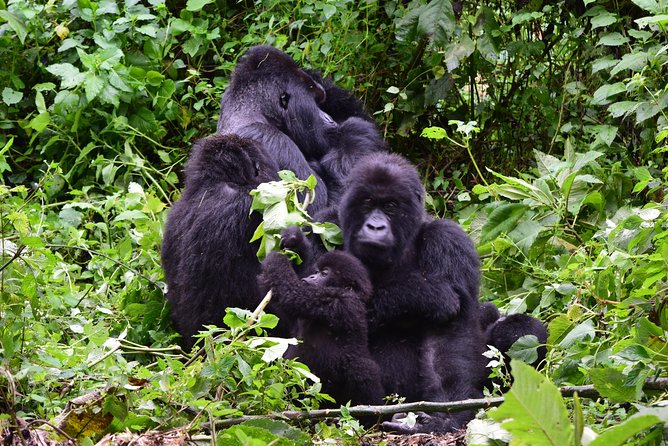
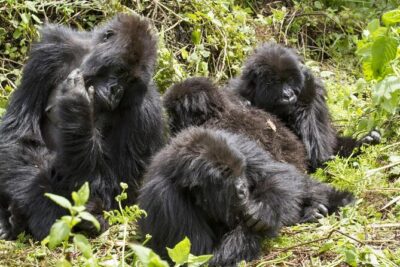
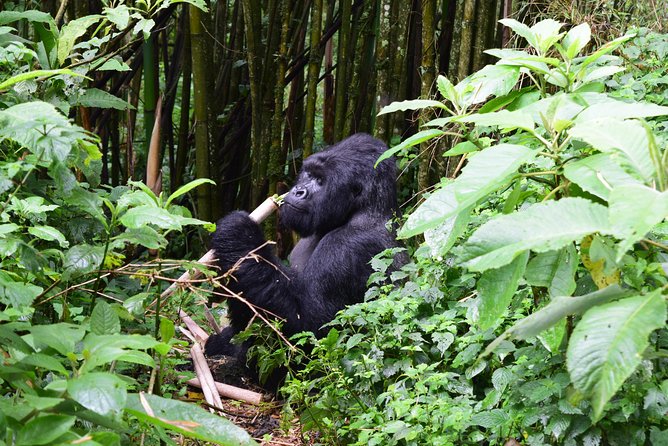
Kahuzi-Biega isn’t a theme park. You’re going into eastern Congo’s lowland forest world for one main reason: critically endangered gorillas in their habitat.
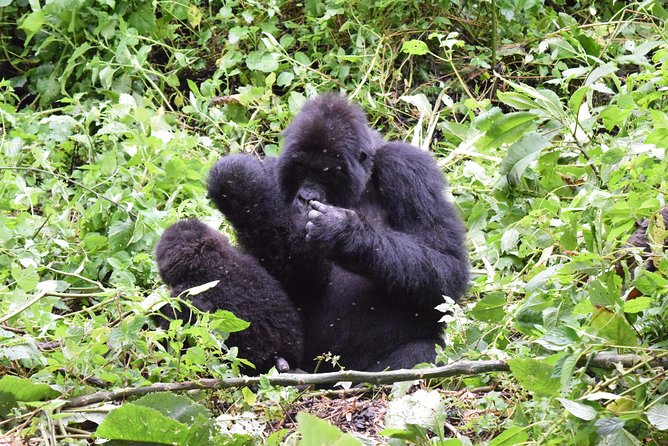
What I like about this kind of trekking is that you’re not just “doing an activity.” You’re moving at the pace of rangers and the forest, with the day shaped by animal presence and safety. The best part is also the simple part—when you finally see gorillas so close that you can pick out body movement and calm breathing, it lands differently than videos ever do.
You also get more than the gorilla day. Many people come home talking about the whole arc: the border-to-forest journey, the guided walking time, and the added stops that make the region feel like more than a checkbox.
Your 3-Day Flow: A Realistic Schedule, Not a Sprint
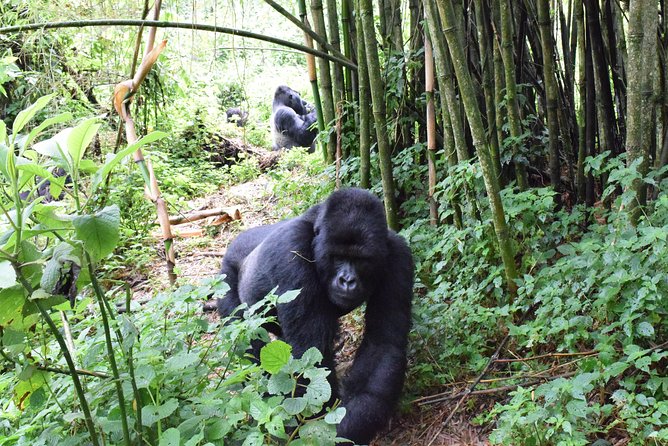
This is designed as a 3-day safari with a straightforward structure: meet your team in Kigali, transfer toward the DRC border, check in locally, then shift your focus to gorilla trekking in Kahuzi-Biega.
The rhythm matters because gorilla trekking has one stubborn truth: forest timing is not the same as city timing. A well-run operator helps you stay calm during earlier travel days so you’re not exhausted when the trek day arrives.
One thing that comes through in feedback is how “laid back and flexible” the planning can feel. That doesn’t mean slow or sloppy. It means you’re not getting slammed with a nonstop calendar of drives and rushed stops.
Kigali to the Cyangugu Border: The Part You’ll Be Glad Someone Handles
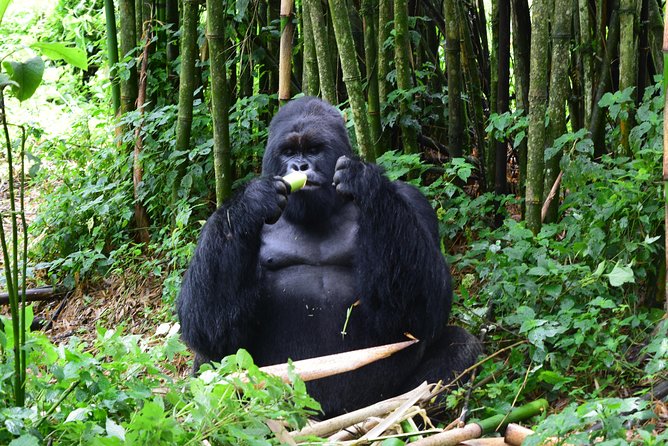
The day begins in Rwanda with arrival at Kigali International Airport, then greeting and briefing before moving toward the border at Cyangugu. At the crossing, staff meet you and assist with formalities, then you check in at your hotel after entering the DRC.
This “paperwork phase” is where good organizing pays off. Border crossings can feel stressful even when everything goes smoothly, because you’re juggling passports, stamps, and the general chaos of human lines. When someone is already working with you—meeting you at the border and helping clear formalities—you can focus on the bigger picture: getting to the gorillas without a headache.
If you’re traveling solo, you’ll especially appreciate this kind of support. People have specifically noted the comfort of having a guide like Romy coordinate crossings and keep the whole process feeling safe and manageable.
Bukavu Optional Stops: Culture and Daily Life, With a Few Heavyweights
If you arrive early, you may add an optional Bukavu city tour. The stops listed aren’t all “tourist photo stops.” They show different sides of life around Lake Kivu.
You can visit places like the cathedral, Bralima (the big brewery), markets, a hydroelectric center, and Panzi hospital. That mix gives you context: industry, everyday commerce, infrastructure, and a major healthcare destination.
Here’s how I’d frame it for your expectations. This won’t replace a full city exploration trip. But it can add depth so you don’t feel like you only passed through Congo on your way to the forest.
The Lwiro Sanctuary Add-On: Biodiversity Beyond One Icon Animal
One of the best value add-ons here is Lwiro Sanctuary. You’re not only heading for gorillas; you’re also getting exposure to the wider ecosystem and biodiversity that makes this region important.
Sanctuaries like this help connect dots. Gorillas are the headline, but the forest is full of other life that affects how the habitat works—plants, insects, birds, and the entire food web that supports large mammals.
Even if you’re in Congo mainly for gorillas, this stop can make your gorilla day feel more grounded. You start to see the habitat as a system, not a stage.
Gorilla Trek Day: Rangers, Forest Walking, and What to Wear
The gorilla trek is the centerpiece. You get a gorilla permit included, plus all transportation and a professional driver/guide. Rangers are central to the experience—professional, friendly, and focused on keeping the encounter safe for both people and gorillas.
In terms of walking, expect real forest trekking. One commonly shared detail: about 90 minutes of hiking to reach the gorillas, with guidance that helps keep the trail clear. That doesn’t mean it’s a walk in a park. It means you can rely on the team to manage the route when the forest gets dense.
Your clothing matters a lot. A practical tip you’ll see repeated: wear hiking boots, long pants, a long sleeve shirt, and consider gloves. Forest branches can snag and scrape; gloves can also help with balance when you touch branches to get through.
Also remember that the trek day can be emotionally intense. People often come back talking about “gorillas in real life,” how close the group can feel, and how special that one hour with the family becomes.
Getting Value From $2,200: What You’re Actually Paying For
At $2,200 per person for roughly 3 days, it’s not a bargain deal. But it isn’t just paying for a fancy tour bus either.
You’re paying for three big cost drivers that add up in central Africa:
- A gorilla permit included (that’s the legal key to the main event).
- All transportation plus accommodation during the program.
- Professional guided support, including a driver/guide who helps with the route and day-to-day movement.
What’s not included can affect your final budget. Flights, visa, meals and drinks, personal items, travel insurance, and tips are not listed as included. So your total spend will be higher if you’re not already covering these items.
My practical advice: treat this as a premium nature trip where the gorilla day is the anchor, and everything else is designed to keep you safe, fed enough (you’ll need to arrange meals), and in position for the trek.
Who This Tour Fits Best (and Who Might Feel Cramped by It)
This works best for you if you:
- Want lowland gorilla trekking in Kahuzi-Biega as the main goal.
- Prefer a small group experience (max 5 people).
- Can handle early starts and forest walking without needing luxury comforts at every step.
- Appreciate real regional context, like Bukavu stops and the Lwiro Sanctuary.
It may not fit as well if you:
- Have very limited mobility or can’t manage moderate physical fitness demands (the trek is not described as easy).
- Hate any uncertainty around timing, especially for border movements and forest-dependent trekking.
- Need meals and drinks fully included in the package, because those aren’t listed as included.
The good news is that the overall style seems to be about staying restful rather than rushing. That balance can make a big difference during a multi-country journey.
Safety and Comfort: What “Professional” Looks Like Here
Safety is not about fear-mongering or fake bravado. It’s about procedures and support.
Here’s what you can take from the experience description and the way people describe it:
- You’ll have assistance at the border with formalities.
- You’ll have a professional driver/guide during the trip.
- Rangers lead the gorilla encounter with care, and guides help keep trekking organized.
People also emphasized feeling safe during border arrangements and described the planning as not rushed. That’s a real comfort factor for anyone anxious about traveling through complex travel corridors.
Comfort-wise, the inclusion list covers accommodation, transportation, and support. Meals are not listed as included, so you should be prepared to buy or arrange your daily food during the journey.
Should You Book This Lowland Gorilla Trek?
If you want a serious gorilla-focused trip, and you’re comfortable with moderate trekking and early mornings, I’d say this is a strong choice. The gorilla permit being included, the small group cap, and the border assistance are exactly the types of details that protect your trip from turning into stress.
You should book if:
- Your priority is seeing Grauer’s gorillas / lowland gorillas in the wild setting of Kahuzi-Biega.
- You want support that helps you get from Kigali to the DRC without getting bogged down by border friction.
- You’re okay budgeting for things like visa, flights, meals, and tips, since they’re not included.
You might skip or look for another option if your budget is tight or you need a fully packaged all-in food plan.
FAQ
What is the duration of the lowland gorilla trekking experience in Kahuzi-Biega?
The experience lasts about 3 days.
Where does the tour take place?
It takes place in Kahuzi-Biega National Park in the Democratic Republic of Congo.
What is the meeting start time?
The start time is 8:00 am.
What is the price per person?
The price is $2,200 per person.
What is included in the price?
The tour includes a gorilla permit, all transportation, accommodation, and a professional driver/guide.
What is not included?
International/domestic flights, visa, meals and drinks, personal items (such as souvenirs and travel insurance), tips, other expenses, and round-trip airport transfer are not included.
Do they offer pickup?
Pickup is offered.
Do you receive tickets electronically?
Yes, the tour includes a mobile ticket.
How physically demanding is it?
Travelers should have a moderate physical fitness level.
What is the group size limit?
The maximum number of travelers is 5.
FAQ
Is free cancellation available?
Yes, you can cancel for a full refund up to 24 hours in advance of the experience start time.
Confirmation: when do I get it?
Confirmation is received at the time of booking.
Is this tour near public transportation?
The experience is listed as near public transportation.