REVIEW · SAPA
Sapa Trekking / Hiking through Sapa Valley with native Hmong
Book on Viator →Operated by Indigo Trekking Tour Sapa · Bookable on Viator
A great Sapa hike starts with locals. This 2-day, 2-days/1-night trek through Sapa Valley with native Hmong guides gives you real village life, rice-field scenery, and mountain trails you’d be hard-pressed to find on your own. It’s built to be customizable, with a private-group feel and real conversations along the way.
What I like most is the mix of homestay comfort and day-long walking. The stop in Ta Van includes a 1-night homestay with a private suite, bathroom, and hot shower, plus dinner shared with the family. The other big win is the guiding: people like Sue and family members such as Mai are described as exceptionally strong in English, and they genuinely connect the scenery to daily Hmong traditions.
One thing to plan for: weather in Sapa can be cold and cloudy, especially in shoulder months like March. When visibility drops, you may lose some views, even if the walks and forests are still enjoyable.
In This Review
- Key highlights to know before you go
- Sapa trekking with a Hmong family: why this is different
- Where you start: timing and meeting point (and what it means)
- Day 1: from Y Linh Ho and Lao Chai to Ta Van homestay
- The homestay setup: private, warm, and family-based
- A small practical note
- Day 2: Hoang Lien National Park trails, forests, and waterfalls
- Picking the right guide: Sue, Mai, Miy, and the family network
- Price and value: is $110 a smart deal?
- What to expect on the trail (and how to prepare)
- Weather reality: the one variable you can’t control
- Who this trek is best for
- Should you book this Hmong-led Sapa trek?
- FAQ
- How long is the Sapa Valley trek?
- Where does the trekking start and end?
- What time does the trek start?
- Is this a private tour?
- What fitness level do I need?
- What places will we visit during the trek?
- Is homestay included?
- Is any entrance ticket included?
- Do they offer pickup and a mobile ticket?
- What if the weather is bad?
- What is the cancellation policy for a refund?
Key highlights to know before you go
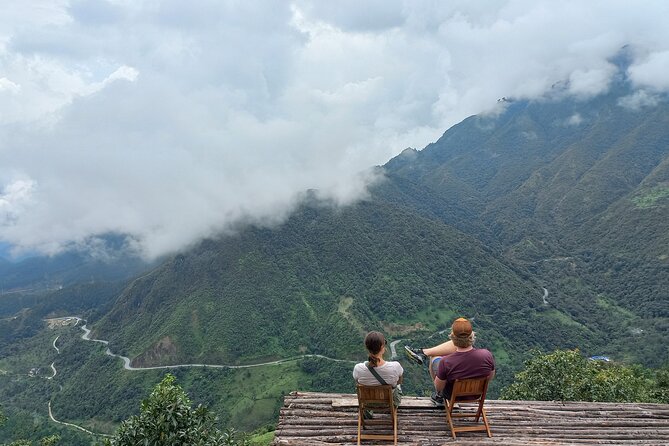
- Native Hmong guidance from the Sapa Valley with a culturally focused route you can tailor to your pace and interests
- Ta Van homestay with hot shower and a private suite with bathroom and a double bed
- A full Day 2 hike in Hoang Lien National Park through forest trails and waterfalls
- A route that includes rice fields, bamboo forests, and village stops like Y Linh Ho and Lao Chai
- Private group experience with pickup offered and a mobile ticket
Sapa trekking with a Hmong family: why this is different
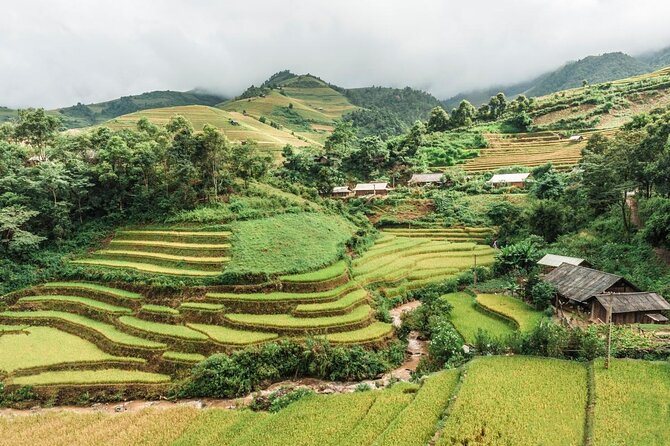
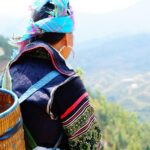
Sapa is famous for trekking, but most itineraries are built around checklists: walk, photograph, move on. This style of trip is different because the focus stays on people and place. You’re walking through the same valley that native Hmong families have worked and lived in for generations, and the guide’s explanations are built around what you see on the trail—rice planting and timing, forest pathways, and how villages relate to the mountains around them.
The best part is that it doesn’t feel like you’re being shepherded through a script. The trek is described as customizable to your needs, including different ages and athletic abilities. That matters because Sapa walking can be tough in mist or mud, and a plan that adapts is often the difference between a fun hike and a miserable one.
Finally, the private format helps. Only your group participates, so you’re not stuck waiting for slow walkers or trying to squeeze questions into a crowded group moment.
You can also read our reviews of more tours and experiences in Sapa.
Where you start: timing and meeting point (and what it means)
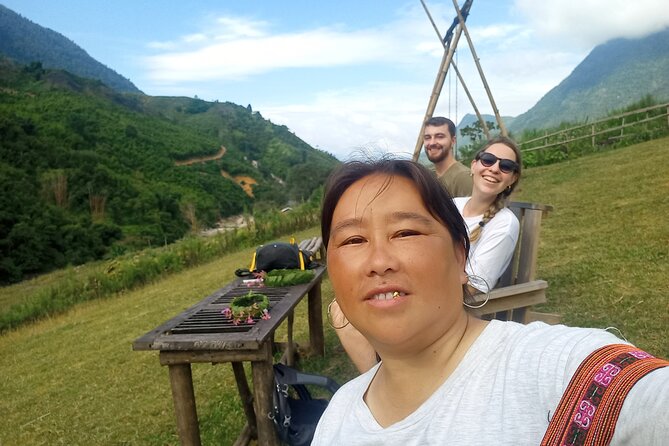
You start at Sapa Church at 8:30 am, and the tour ends back at the same meeting point. That’s practical because it keeps logistics simple: you don’t need to find your way back across town after two long days on the trail.
The tour also notes pickup is offered and the meeting area is near public transportation. In real life, this helps if you’re staying somewhere central or if you want an easy transfer without coordinating taxis for every leg. You’ll also get a mobile ticket, which cuts down on the usual paperwork scramble.
If you’re the kind of traveler who likes to reduce friction—less time hunting for the right pickup point, more time getting your boots on—this format fits well.
Day 1: from Y Linh Ho and Lao Chai to Ta Van homestay
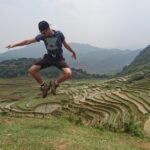
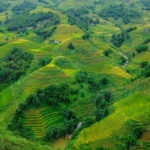
Day 1 begins with the drive or transfer out of Sapa to Y Linh Ho village, then you start trekking toward Lao Chai. Along the way, you’re walking through the Sapa Valley scenery that usually makes people fall in love with the region: mountain paths, rice fields when conditions and timing line up, and forested sections that can include bamboo.
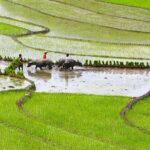
Here’s why that first day matters. You don’t just move through villages; you learn the logic of the valley. Rice fields aren’t random scenery in this region—they depend on season, weather, and the family’s planning. The guide’s route includes rice fields (season-dependent), and there’s even a note that you may be shown how rice is planted or harvested on the family land when timing matches.
After reaching Lao Chai, you stop for lunch. Lunch on a trek is more than a meal. It’s where you reset your energy before the next climb and where your guide can explain what you just passed—how communities sit on the slope, why trails connect certain places, and how daily life ties back to the mountains.
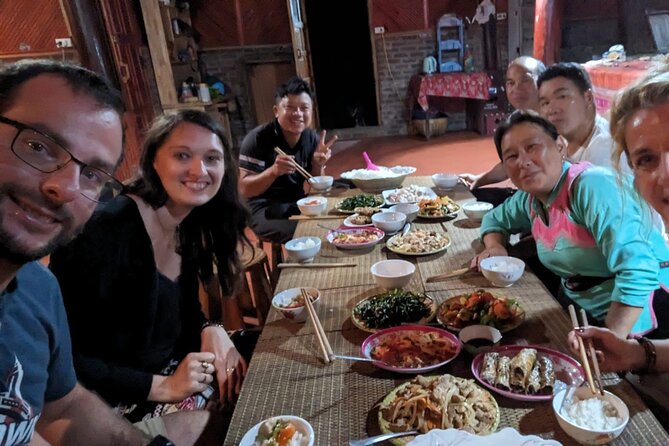
Then you continue trekking to Ta Van, which is described as the guide’s hometown. This is the moment where the experience turns from sightseeing into lived-in culture. In Ta Van, you’ll have dinner with the family and spend one night in a homestay.
The homestay setup: private, warm, and family-based
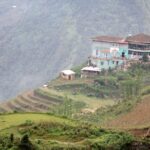
The homestay is described as a private suite with hot shower, bathroom, and a double bed. That’s a big deal in Sapa trekking, where some homestays can be rustic in ways that feel stressful if you’re not expecting it.
This kind of setup makes it easier to enjoy the next day. You can wash up properly, sleep comfortably, and wake up ready for a longer National Park hike rather than dealing with cold water and cramped sleeping arrangements.
A small practical note
Day 1 is about building your rhythm. If you’re not a big early-morning hiker, try to keep your effort steady rather than fast. The guide can adjust your pace, but your goal is to arrive in Ta Van feeling tired in a good way—not wiped out.
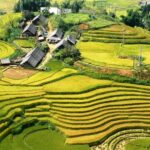
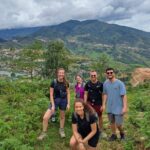
Day 2: Hoang Lien National Park trails, forests, and waterfalls
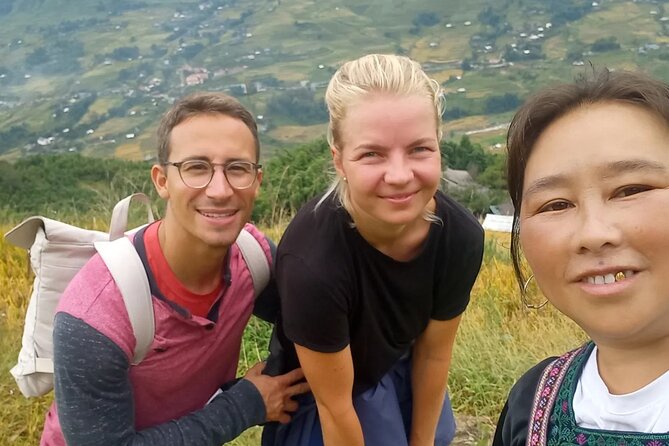
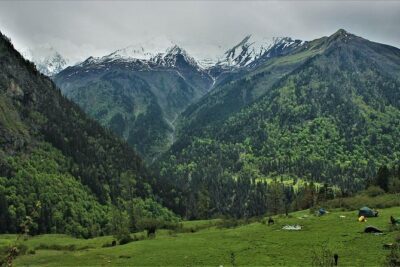
Day 2 shifts focus to Hoang Lien National Park, where you trek through trails, forests, and waterfalls. The walk is listed around 7 hours, so this is the heavier day for most people, even if you’re reasonably fit.
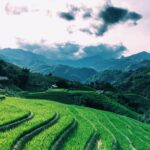
This is also the day where Sapa’s weather matters most. When clouds roll in, you might lose some views, but you’ll often still get something satisfying: cooler air in the forest, sound of water over the path, and that damp-green feeling that makes Sapa feel alive. One traveler specifically notes a March trip that was cold and cloudy, but still enjoyed things like the bamboo forest—so don’t assume bad visibility equals a bad hike.
Another reason Day 2 works well is that it balances village culture with nature. If Day 1 makes you understand how people live in this valley, Day 2 lets you see how the valley shapes the trails, the vegetation, and the waterfall corridors that link areas together.
You’ll return to the meeting point at the end, so you’re not left improvising transportation after a long day.
Picking the right guide: Sue, Mai, Miy, and the family network
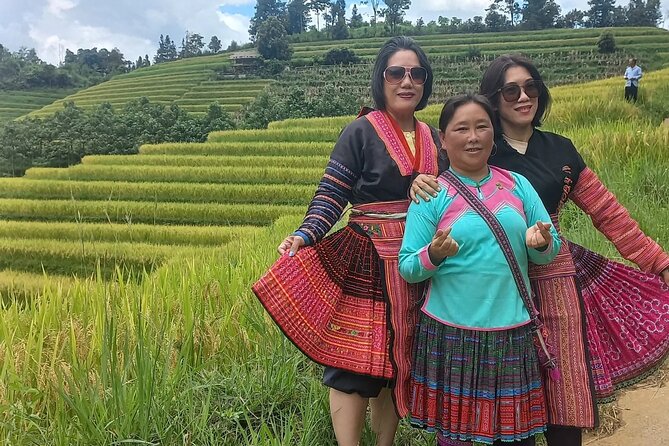
The experience is offered by Indigo Trekking Tour Sapa, and the people leading the walks come from the local community. Names you may see associated with the guiding include Sue, Mai (Sue’s daughter), and guides like Miy. You may also spend time with family members such as Bao, depending on the exact schedule.
Why this matters for you: a guide who comes from the valley can turn a trail into an explanation. People describe English that’s strong, but the more useful skill is the ability to connect answers to what you’re seeing—who lives where, how different villages relate, and how the next generations continue adapting while keeping traditions.
So when you book, treat the guide assignment as part of the experience, not just logistics. If you care about conversation (culture, village life, daily work, plants and animals along the way), a guide from the valley is your best bet.
Price and value: is $110 a smart deal?
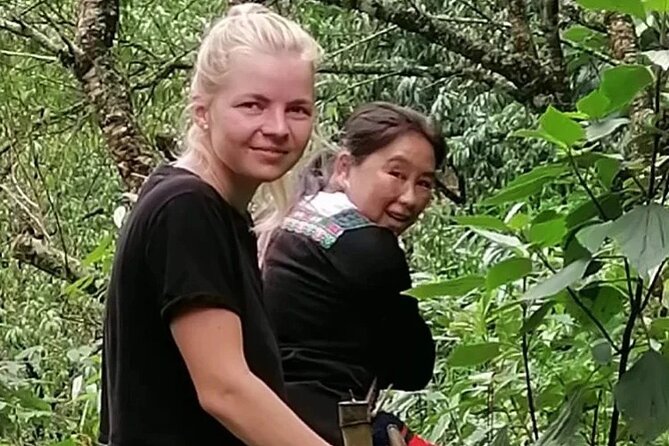
At $110 for about 2 days, you’re paying for a private guiding team, transportation elements, a 1-night homestay, and time-intensive trail planning that includes village routing and a National Park segment.
A good way to judge value here is not just cost per day, but what’s included versus what you’d otherwise piece together yourself. With this trek, you’re getting:
- Homestay with hot shower and private suite
- Dinner with the family
- A long, guided Day 2 hike in a National Park area
- A route designed around local villages and cultural context, not just distance covered
If you’ve ever tried to assemble a multi-day Sapa trek solo or via a generic booking site, you know you usually end up paying similar money once you add the right guide, reliable lodging, and transportation coordination. In other words: this price feels like it buys you both the walk and the comfort to actually enjoy the experience.
What to expect on the trail (and how to prepare)
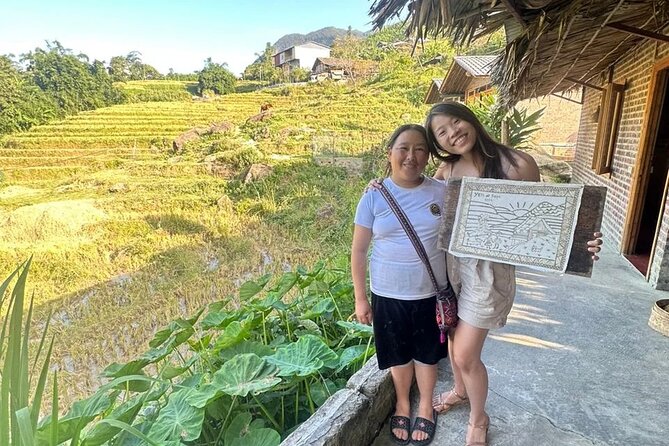
The tour is rated for moderate physical fitness, and it’s said to be customizable across all ages and athletic abilities. That doesn’t mean it’s a stroll. Sapa trekking usually involves uneven paths, uphill sections, and weather swings that can make the effort feel heavier.
To match the pace comfortably, you should prepare for:
- Layering for cool mornings and misty conditions
- Proper hiking shoes (paths can be slippery)
- A small day pack for water and layers
Also, keep an eye on season. The route includes rice fields, but the exact look depends on timing. If you travel during the season when rice fields are at their peak, you may see something extra special.
Weather reality: the one variable you can’t control
This experience requires good weather. If it’s canceled because of poor conditions, you’ll be offered a different date or a full refund.
Here’s the practical takeaway: don’t schedule this trek as a last-minute gamble if you only have one day in Sapa. If you can, build flexibility into your plan so you can reschedule without stress.
When the weather cooperates, you’ll likely get clearer mountain views and sharper village scenery. When it doesn’t, you’ll still get forests, bamboo sections, and village encounters—just with less distance visibility.
Who this trek is best for
This is a great fit if you want:
- Authentic culture and real conversation with local Hmong guides
- A homestay that’s comfortable enough to feel like a break, not a hardship
- A mix of villages plus Hoang Lien National Park nature time
- A private-group experience where the route can be adjusted to you
It’s also a solid choice for couples or small families who don’t want to hike in a big crowd.
If you’re the kind of traveler who only cares about famous viewpoints and perfect photos, you might find the day-to-day village focus less flashy. But if you like learning what you’re seeing and meeting the people behind it, you’ll probably be happy you chose this style.
Should you book this Hmong-led Sapa trek?
I’d book it if you want more than a typical trekking circuit. The combination of Hmong family guidance, a comfortable homestay with hot shower, and the Day 2 National Park hike makes it feel like a real experience rather than a package deal.
I would pause if you’re extremely weather-sensitive or if you can’t be flexible with dates. Sapa can be cold and cloudy, and while the trek still has value in tough conditions, visibility can affect how it feels.
If you’re open-minded, enjoy walking, and care about cultural context, this is one of the better ways to see Sapa.
FAQ
How long is the Sapa Valley trek?
It runs for about 2 days.
Where does the trekking start and end?
It starts at Sapa Church and finishes back at the same meeting point.
What time does the trek start?
The start time is 8:30 am.
Is this a private tour?
Yes. It’s a private activity, and only your group participates.
What fitness level do I need?
The tour is suited for moderate physical fitness level. It’s also described as customizable to different ages and athletic abilities.
What places will we visit during the trek?
The route includes Y Linh Ho, Lao Chai, Ta Van, and Hoang Lien National Park.
Is homestay included?
Yes. The itinerary includes a 2 days and 1 night homestay in Ta Van, described as having a hot shower and a private suite with bathroom and double bed.
Is any entrance ticket included?
Entrance for Ta Van is listed as free, and admission for Hoang Lien National Park is listed as included.
Do they offer pickup and a mobile ticket?
Pickup is offered, and you receive a mobile ticket.
What if the weather is bad?
This experience requires good weather. If it’s canceled due to poor weather, you’ll be offered a different date or a full refund.
What is the cancellation policy for a refund?
You can cancel for a full refund up to 24 hours before the experience start time. If you cancel less than 24 hours before, the amount paid is not refunded.