REVIEW · POKHARA
Pokhara: 3-Day Trek
Book on GetYourGuide →Operated by iTourNepal P Ltd · Bookable on GetYourGuide
Want Annapurna views without a long grind?
This 3-day Pokhara trek is a smart way to get Himalayan trekking vibes with a comfortable lodge base, including an en-suite room and hot shower on night one. I especially like how the route is built around big sunrise and sunset moments over the Annapurna Range. One heads-up: for some bookings, the meeting/pickup handoff has been a little messy, so confirm details the day before you depart.
You’ll hike at a pace you can actually enjoy, with a licensed English-speaking guide and a porter who carries your luggage day to day. Guides on this trek have included Jit, Prabin, Dansay, Probin, and Basanta, and the common thread is calm, practical leadership plus local stories. The only real drawback is that it’s still walking with climbs and descents, so it’s not a fit for mobility limitations or pregnancy.
In This Review
- Key Highlights Worth Booking For
- Why This 3-Day Pokhara Trek Feels Like the Himalayas
- Trail Basics: Easy Walking, Real Climbing, and Scenic Payoff
- Day 1: Naudanda to Australian Camp Above Dhampus
- Night One Lodging: Teahouse Comfort with Attached Facilities
- Day 2: Ridge Walk to Annapurna Eco Village Resort in Astam
- Day 3: Astam Down to the Highway, Then Back to Pokhara
- Guides and Porters: Your Safety Net and Your Local Story Engine
- Meals on the Trail: Plan to Order, Not Expect Package-Included Food
- Price and Value: What $250 Really Buys You
- Best Times for Sunrise and Sunset Over Annapurna
- What to Pack: Simple Gear That Actually Helps
- Who This Trek Suits Best (and Who Should Skip It)
- Should You Book This 3-Day Pokhara Trek?
- FAQ
- Is trekking difficulty high on this 3-day route?
- What are the main hiking hours each day?
- Are meals included in the price?
- What lodging is included each night?
- Does the trek include a guide and porter?
- Is pickup from anywhere in Pokhara included?
- What should I bring?
- Who is this trek not suitable for?
Key Highlights Worth Booking For
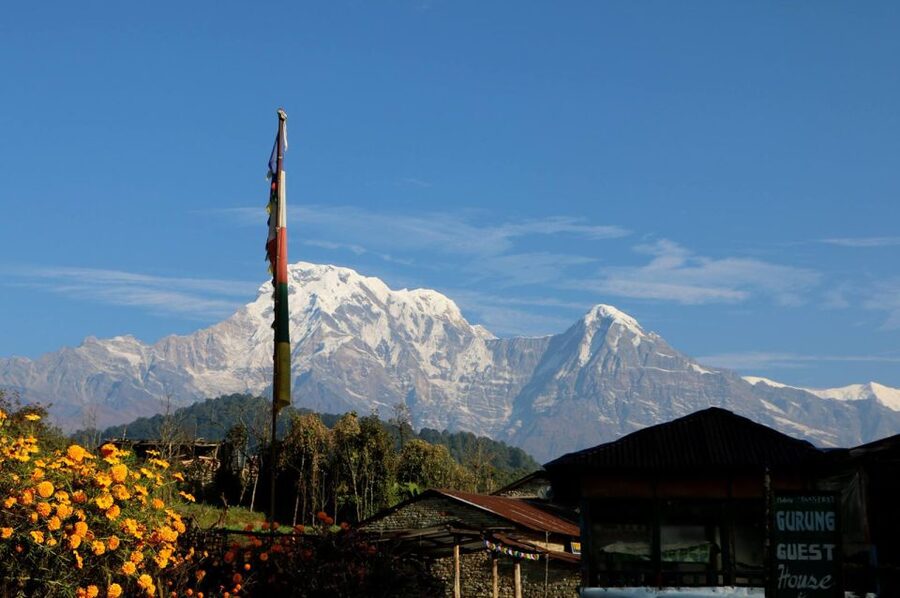
- Best sunrise and sunset timing over the Annapurna Range, especially from the higher lodge stop
- Comfort that doesn’t feel like camping: attached facilities and hot shower on the first night
- A real foothills teahouse route through villages and ridge walks (not just a scenic drive)
- Guides who explain more than directions, including botany/fauna and everyday mountain life
- Eco-minded overnight in Astam at an organic farm and resort setting
Why This 3-Day Pokhara Trek Feels Like the Himalayas
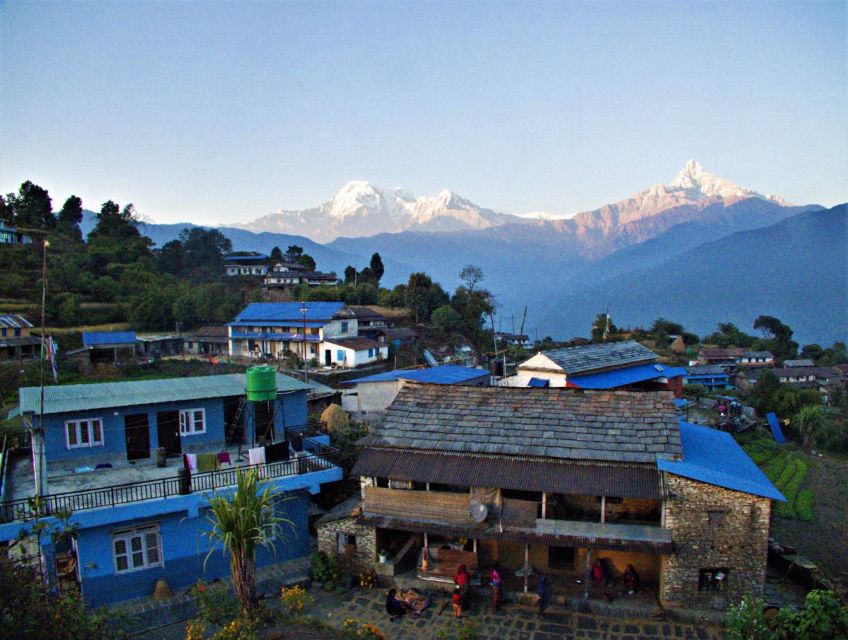
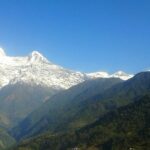
Pokhara is great, but this trek gets you past the city bubble fast. The hiking happens in the foothills of the Himalayas, roughly 30 kilometers northwest of Pokhara, where you can look toward Annapurna country and even Mount Fishtail in the wider mountain sweep.
What I like is the balance: you get classic trekking scenery—ridgelines, villages, terrace fields, and big mountain walls in the distance—without committing to a long multi-day trek. And because it’s private and customized to your walking interest, you’re not stuck “doing it at someone else’s speed.”
The emotional payoff is the view rhythm. You start with uphill effort, then the ridge walking opens up wide angles over the valley, and the best light shows up at the lodge stops where you can actually pause.
You can also read our reviews of more tours and experiences in Pokhara.
Trail Basics: Easy Walking, Real Climbing, and Scenic Payoff
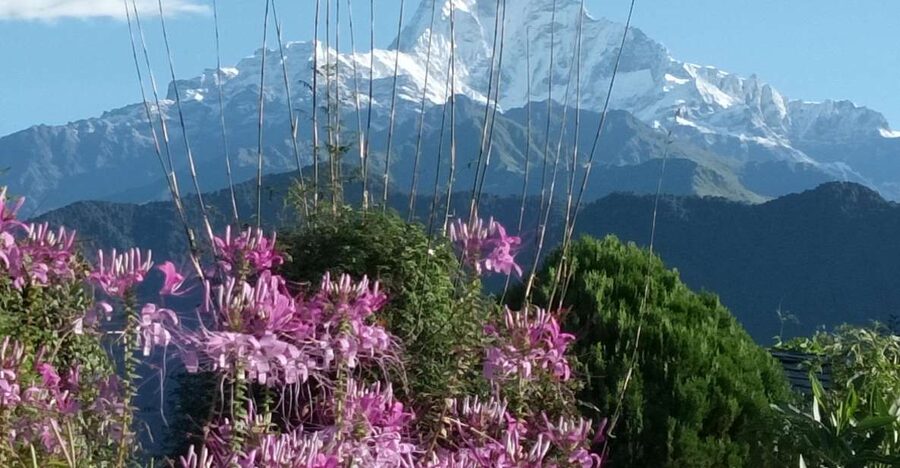
This is a short trek, but it’s not flat. Day 1 includes a descent toward a stream area and a climb toward Dhampus, plus an additional ridge-to-lodge segment. Day 2 keeps you moving on a scenic ridge, and Day 3 is mostly a downhill leg back toward the highway.
A big advantage is that the operator can adjust the route length by using driving options to cut time, depending on your comfort level. That matters if you’re fit enough to trek but don’t want to spend every hour on steep segments.
Comfort-wise, you’ll likely feel tired in a good way, not wrecked. Expect slow, steady hiking and frequent stops for views and photos. Most people doing this choose it because they want the Himalayan feeling—teahouses, mountain air, village life—without planning a full expedition.
Day 1: Naudanda to Australian Camp Above Dhampus
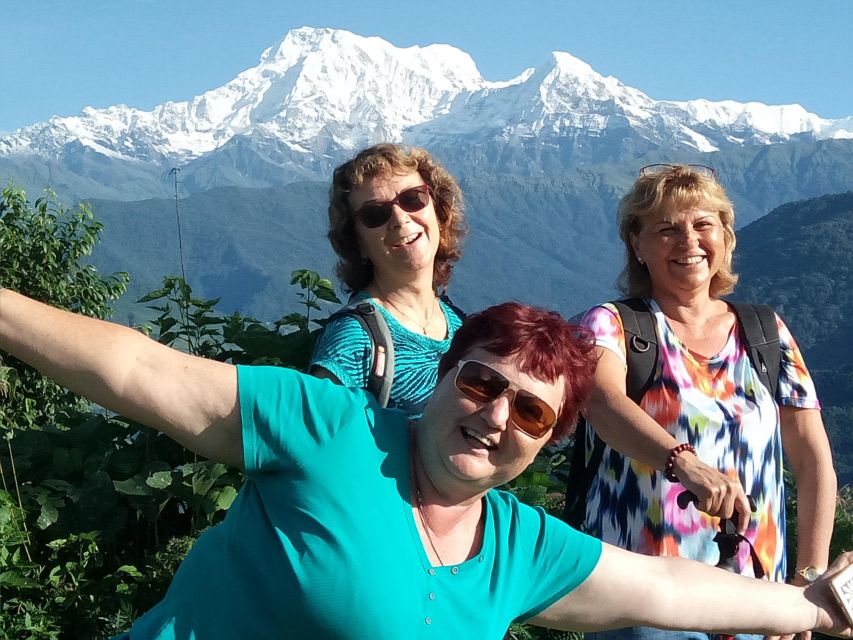
Day 1 starts with a short drive to Naudanda in the western valley rim of Pokhara. Then you ease into the day with a gradual walk down toward a stream and a climb toward Dhampus that takes about two hours.
After Dhampus, the route continues for another hour toward Pothana village, where you stop for lunch. This is a good checkpoint day: you’ll settle into the rhythm of the trail—walk, pause, drink something, look around, repeat.
From Pothana, it’s about a 30-minute hop to Australian camp, where you sleep in a teahouse settlement above Dhampus in the rhododendron forest area. This first overnight is the one that sets the tone for the entire trip.
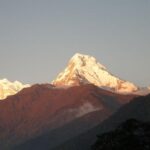
Why this stop works: Australian camp is positioned for that “wake up and the mountains are right there” feeling. Multiple accounts specifically praise the dawn panorama, and it’s also a calm place to watch the light change as the Annapurna views come into focus.
One practical consideration: teahouses are simple by design. You’re going there for the setting and the sunrise chance, so don’t expect luxury on top of the basics.
Night One Lodging: Teahouse Comfort with Attached Facilities
You sleep at a professionally run teahouse at Australian camp with an attached toilet/bathroom and hot shower. That’s a big deal for a short trek because it helps you enjoy the hike instead of worrying about comfort logistics.
This is part of what makes the trip good value: you’re not paying for a tour that dumps you into the middle of nowhere with no way to reset your day. A hot shower after a day of climbing makes mornings easier, especially when you’re planning to get up early for sunrise.
Also, the teahouse ecosystem matters. These settlements are set up for trekkers, which usually means you’re not dealing with awkward gaps in service. The tradeoff is that the “experience” is more about the community and scenery than about big-room design.
Day 2: Ridge Walk to Annapurna Eco Village Resort in Astam
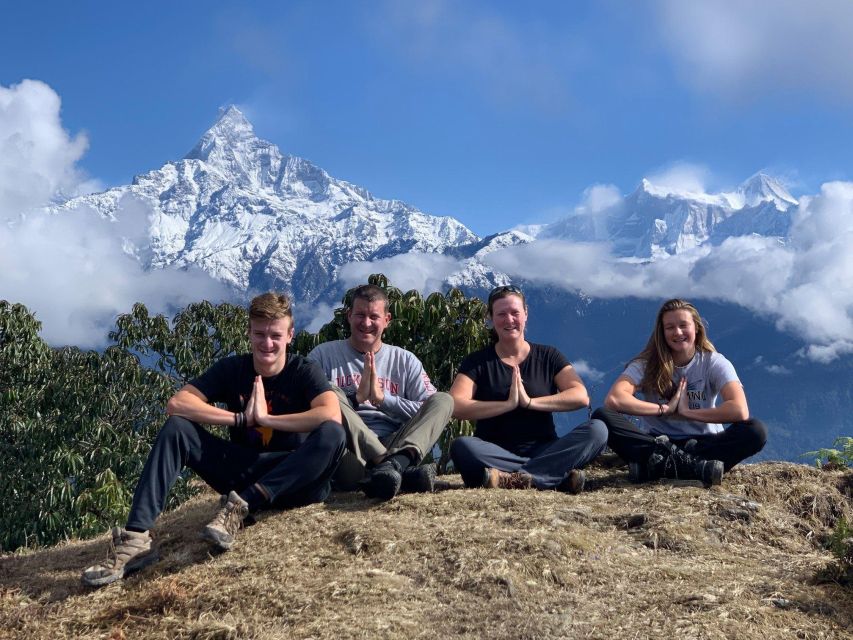
Breakfast comes with a view of the Himalayas. Then you walk along the ridge toward Astam village for about four hours, reaching the Annapurna Eco Village Resort.
This day is about the ridge line experience: wide angles, mountain walls in the distance, and a sense that you’re walking between worlds—village life on one side and towering peaks on the other. Expect varied terrain and scenery: traditional villages, open ridge viewpoints, and stretches that feel more like countryside trekking than a “destination” hike.
Once you arrive, you check in and then settle into the resort setting in Astam. What makes this stop special is the eco approach: the village and resort use water reuse, rainwater harvesting, and organic farming.
Why that matters for you: eco-minded places tend to create a calmer atmosphere, and the organic meals give you an extra layer of context about mountain agriculture. It’s not just a place to sleep—it’s a chance to understand how people make a living here.
One note: meals are not included in the package, so you’ll be ordering on the spot as you go. The good side is that the eco village and teahouse settings are used to feeding trekkers.
Day 3: Astam Down to the Highway, Then Back to Pokhara
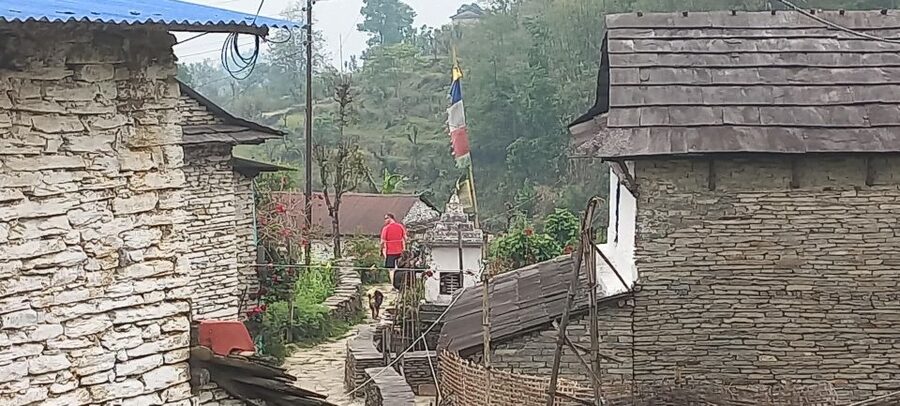
Day 3 is shorter and more relaxed: about two hours downhill to the highway, then a drive back to Pokhara.
This is the day where you can enjoy the views without the pressure of a big climb. After two nights in higher air, descending feels like a transition back to normal life—fields and villages, more movement, and easier walking.
It’s also the day that helps you keep the trip “3 days, not 3 weeks.” You don’t have to think about a complicated multi-stop schedule. The return is straightforward, which is exactly what you want for a short trekking taste.
Guides and Porters: Your Safety Net and Your Local Story Engine
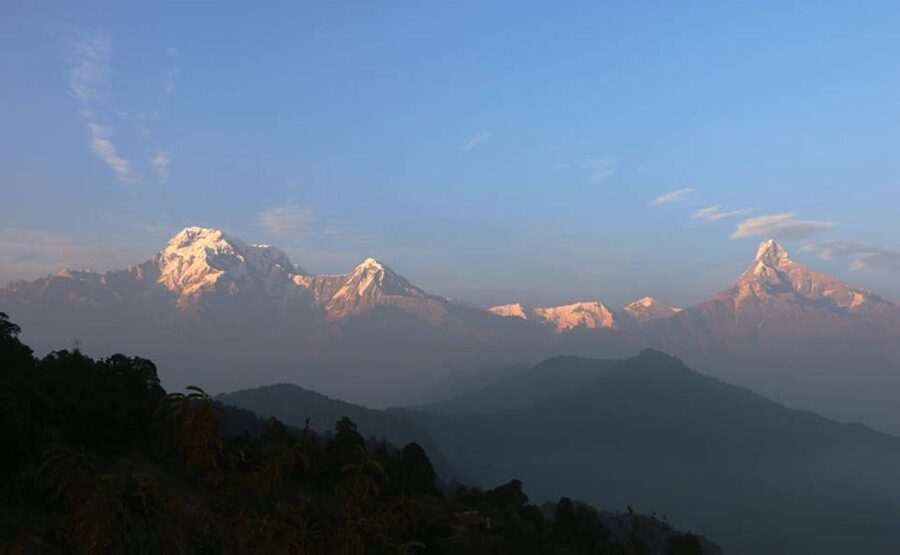
This trek includes a professional, licensed trekking guide plus a porter to carry your luggage to each day’s destination. That takes pressure off your shoulders and lets you focus on walking and enjoying the scenery.
From past groups, the guides are consistently described as reliable, kind, and attentive. Names that show up in previous experiences include Jit, Prabin, Dansay, Probin, and Basanta. Beyond the trekking basics, some guides have shared extra context—like botany and fauna—so the walk feels smarter, not just scenic.
The porter role is practical and also cultural. You may hear stories tied to daily life and mountain routines, and that’s where short trips can still feel meaningful. You learn the “why” behind what you see.
Meals on the Trail: Plan to Order, Not Expect Package-Included Food
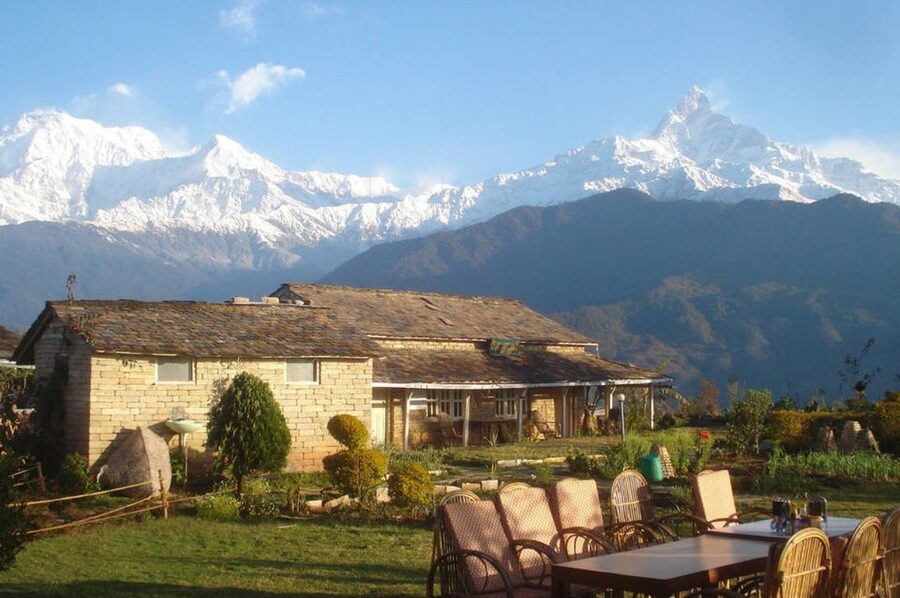
Meals aren’t included. You order meals directly at teahouses and pay there.
This approach has pros and cons. The upside is flexibility: you can eat early, skip when you’re not hungry, or choose what sounds good on that day. The downside is that you’ll need to budget a bit for food on top of the trek price.
In terms of style, the teahouses serve simple but delicious international dishes. If you’re traveling with a sensitive stomach, this is usually a comfortable setup because the food is built for trekkers who want predictable options.
My practical tip: if you’re planning on a sunrise push, don’t wait until the last minute. Eat and drink calmly so you start the day with energy.
Price and Value: What $250 Really Buys You
At $250 per person for three days, this trek can feel either like a bargain or a splurge depending on what you compare it to. Here’s the real value math: you’re getting private transportation to and from the trail head, comfortable teahouse lodging on night one with attached facilities and hot shower, plus a guide and porter.
For a short hike, those add-ons matter. Many cheap trekking options fall apart on the “how do you get there and back” part, or they cut comfort corners. This one is built so you spend your limited time trekking, not solving logistics.
It’s also a good deal if you want English-speaking guidance. Having a licensed guide who can lead you on a route through ridge and village terrain adds peace of mind and keeps your day flowing smoothly.
If you’re counting dollars tightly, remember the extra costs you’ll likely have: meals (not included) and possibly extra pickup cost if your hotel isn’t in the Lakeside area.
Best Times for Sunrise and Sunset Over Annapurna
The route’s star moments are timing-based. The high camp setting is designed for sunrise and the larger mountain views often show best when the air is clear and light is low.
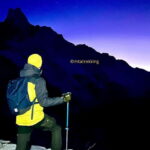
So the key isn’t just seeing the mountains—it’s being in the right place at the right time. That means you’ll want to take the lodge mornings seriously. Get enough sleep, set your alarm, and keep your gear ready the night before.
If you’re the kind of person who hates rushing, this trek still works because it’s short and organized. You’re not getting up at 3 a.m. for a week-long grind. You’re doing it for a couple of hours of payoff.
What to Pack: Simple Gear That Actually Helps
The basics are straightforward:
- comfortable shoes
- sunglasses
From real trek experience shared previously, I’d also add two non-negotiables: sunscreen and mosquito spray. People doing this trek have specifically recommended them, which makes sense for the forested and village-adjacent trail sections.
Also think about layers. You’ll start in warmer valley air and then hike into cooler higher conditions. A light layer helps you stay comfortable through morning view time and the evening return.
Who This Trek Suits Best (and Who Should Skip It)
This trek is a great match if you want:
- an easy-to-moderate Himalayan introduction from Pokhara
- lodge comfort without giving up the outdoors
- a private trek at a pace that fits you
- cultural context through countryside villages and eco-minded farming
It’s not suitable if you have mobility impairments or if you’re pregnant, since the trek includes climbs and uneven walking.
Should You Book This 3-Day Pokhara Trek?
I’d book it if you want the Annapurna feeling fast: ridge walking, villages, and strong sunrise/sunset moments—paired with real comfort like an attached bathroom and hot shower on night one.
Skip it if you need fully flat walking, or if comfort means you don’t want to order your meals on the go. Also, if pickup coordination is critical for your schedule, do a quick confirmation with the operator the day before you depart so you’re not left waiting.
Overall, this is one of those trips that gives you the story you came for—mountains and village life—without demanding a huge time commitment.
FAQ
Is trekking difficulty high on this 3-day route?
It’s designed as a short and easy trek with a mix of climbing and ridge walking. You should be comfortable hiking for a few hours at a time, including some uphill and downhill.
What are the main hiking hours each day?
Day 1 includes about 2 hours to Dhampus, then about 1 hour to Pothana, then about 30 minutes to Australian camp. Day 2 is around 4 hours to reach the eco village resort, and Day 3 is about 2 hours down to the highway.
Are meals included in the price?
No. Meals aren’t included, but you can order food in the teahouses and pay directly.
What lodging is included each night?
You stay at a teahouse at Australian camp on the first night with an attached bathroom/toilet and hot shower. The second night is at Annapurna Eco Village Resort in Astam with simple, comfortable rooms and attached bathroom/toilet.
Does the trek include a guide and porter?
Yes. A professional, licensed English-speaking trekking guide leads the route, and a porter carries your luggage to each day’s destination.
Is pickup from anywhere in Pokhara included?
Pickup is included only if your hotel is in the Lakeside area of Pokhara. If you’re staying away from Phewa Lakeside, there may be an extra pickup cost.
What should I bring?
Bring comfortable shoes and sunglasses.
Who is this trek not suitable for?
It’s not suitable for pregnant women or people with mobility impairments.