REVIEW · MARRAKECH
MERZOUGA DESERT TREK – 3 DAYS From Marrakech
Book on Viator →Operated by Day Out Marrakech · Bookable on Viator
Three days in Morocco’s big skies. This Merzouga trek takes you from Marrakech over the Atlas Mountains to Erg Chebbi dunes, with a camel ride at sunset, a night in a Berber camp, and organized stops along the way.
Transport is arranged for you, and your guide keeps the plan moving so you’re not stuck figuring out logistics.
What I like most is how the trip blends culture with real desert time. I especially love the UNESCO stop at Ait Benhaddou plus the early road to Dades Gorges, then the shift to Todgha Canyon and dunes the very next day.
I also like that the core desert activities are built in: a 1-hour camel ride, dinner and breakfast, and entertainment around camp.
One consideration: the schedule is packed, and you’ll spend long hours on the road. With a 7:30am start and lunches not included, you’ll want to budget for food and be okay with a day that runs on the group pace.
In This Review
- Key points before you go
- Why this Marrakech to Merzouga trek feels like good value
- Day 1: Atlas pass, Ait Benhaddou, and a Dades Gorges riad night
- Day 1 strategy tip: don’t wait until the last minute for comfort
- Day 2: Dades Valley, Todgha Canyon trek, and the camel ride into Erg Chebbi
- The Todgha trek: why it’s more than a scenic stop
- Day 3: sunrise dunes, camel return, and the long homeward drive
- Desert camp expectations: tents, stars, and what comfort actually means
- Price and logistics: what’s included, what you pay extra, and how it compares
- Who this trip suits best (and who should pick another option)
- Final call: should you book this Merzouga desert trek?
- FAQ
- What time does the tour start from Marrakech?
- Where is pickup offered?
- How long is the Merzouga desert trek?
- What’s included in the price?
- Are lunches included?
- Is there an extra fee for visiting Ait Benhaddou Kasbah?
- Where do we sleep during the desert night?
- How many people are in the group?
- Is free cancellation available?
Key points before you go
- Atlas pass views without planning stress: the drive includes key mountain scenery and Berber villages along the High Atlas route.
- Ait Benhaddou UNESCO visit: a major cultural stop with an optional local guide fee in addition to the tour price.
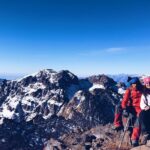
- Todgha Gorge trek time: you’ll walk along canyon walls around 300 m high, a great change from desert-only tours.
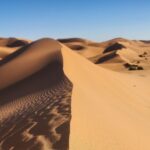
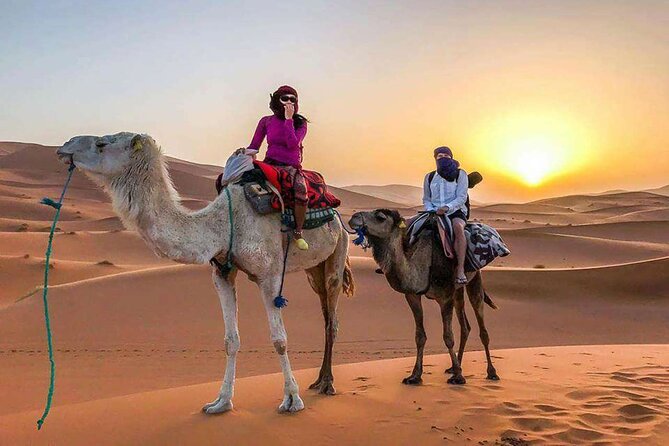
- Erg Chebbi sunset camel ride: about 1 hour on camels to reach the camp as the light turns gold.
- Night in a Berber-style bivouac: you sleep in a tent setup in the dunes—either inside tents or outside under the sky.
- Group size stays manageable: maximum 38 people, so it still feels like a guided circuit rather than a bus tour.
Why this Marrakech to Merzouga trek feels like good value
This is one of those trips that works because it removes the hard parts. Marrakech to Merzouga is a long haul, and doing it solo usually means negotiating transport, timing, and which stops to cut. Here, you get round-trip air-conditioned vehicle transport, plus the big ticket activities handled for you.
At $116.62 per person, the “value math” is pretty clear. Your included package covers the drive, 1-night desert bivouac, camel ride, and meals: 2 breakfasts and 2 dinners. The tradeoff is that lunches and drinks are on you, and there’s also a local guide fee for Ait Benhaddou.
The payoff is the mix. You’re not just going to dunes. You’re getting Morocco’s mountain-to-desert transition: Atlas passes, kasbah culture, palm groves, Todgha’s tall canyon walk, then Erg Chebbi at night and at sunrise.
You can also read our reviews of more tours and experiences in Marrakech.
Day 1: Atlas pass, Ait Benhaddou, and a Dades Gorges riad night
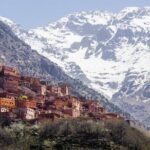
You start early, at 7:30am, with pickup from your hotel/riad, bus station, or the airport area. Then the route climbs over the High Atlas via Tizi-n-Tichka, where the views open up fast. This is the part where you start seeing Morocco less as a place and more as a moving set of regions—mountain villages, valleys, and stone architecture.
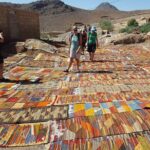
Next comes Kasbah Ait Benhaddou, the UNESCO World Heritage site. This stop is a highlight because Ait Benhaddou isn’t just a quick photo stop. You get time to visit and take in the kasbah layout, and it’s also where you can pay for a local guide if you want extra context (listed as 3 euros per person for a guide at Ait Ben Haddou Kasbah).
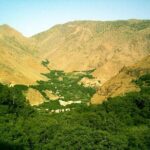
After that, the trip continues toward Dades Gorges, often described as a valley rich in roses and old villages. You’ll have lunch at Ait Benhaddou or Ouarzazate (depending on timing), then you roll onward through the Dades Valley to spend the night in a riad/hotel in Dades Gorges.
What to watch for on Day 1:
- You’ll want a full day’s patience. Driving is a big chunk, but the stop sequence helps break it up.
- If you care about photos, have your phone charged and a plan for storage. One review tip that’s worth following: bring a power bank because long drives plus constant shooting can drain a phone quickly.
Day 1 strategy tip: don’t wait until the last minute for comfort
If you get car-sick, I’d plan for it now. The route climbs and curves over the Atlas pass and then continues through valleys—so it’s not a flat highway day. Bring water, keep snacks simple, and wear layers. Even in Morocco, temperatures can shift when you go from higher elevations down into valleys.
Also, think about what you’ll do with your time at Ait Benhaddou. The best results come when you give yourself enough pace to look at the details—doorways, walls, and how the kasbah structure sits in the landscape. You’ll likely spend less time than you want, so slow down once you’re there.
And if you do pay for the local guide at Ait Benhaddou, it can be worth it. The cost is small, and a guide can help you read the site beyond its famous movie-story reputation.
Day 2: Dades Valley, Todgha Canyon trek, and the camel ride into Erg Chebbi
Day 2 is where the trip starts to feel truly “desert-shaped.” After breakfast, you revisit Dades Gorges and drive through the road of 1000 kasbahs area. This stretch matters because it shows you how people live across valleys—not just isolated sights.
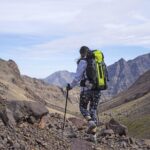
Then you head toward Tineghir and its palm grove, a welcome contrast to rocky gorges. From there you go to Todgha Gorge. The trek runs along tall canyon walls—around 300 meters high—and it’s a favorite segment because you’re on foot, not just sitting in a vehicle. It’s also a nice change if you’ve already seen a lot of kasbah views by Day 1.
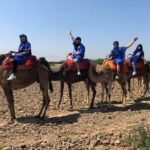
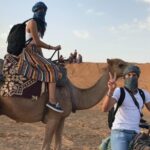
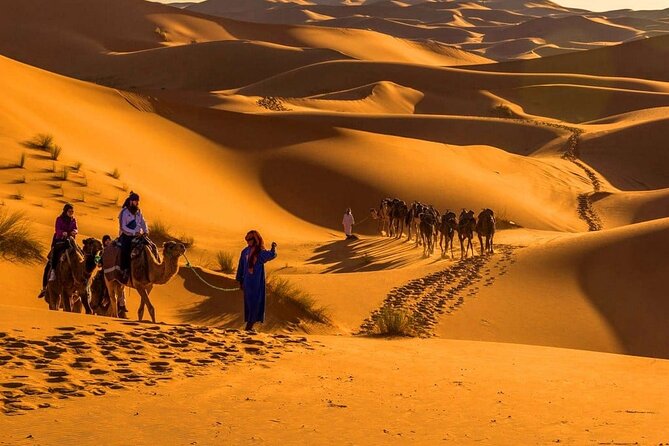
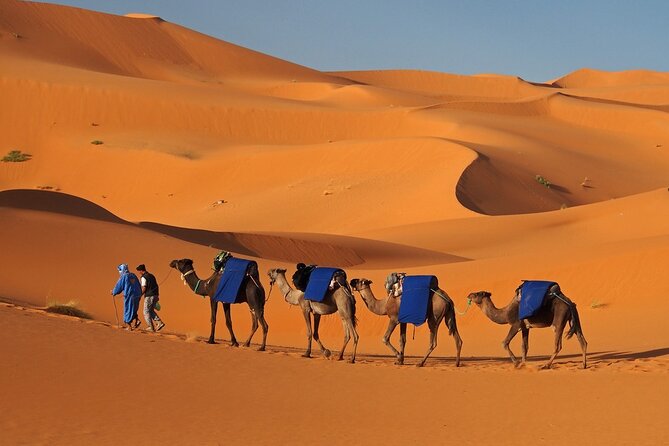
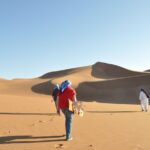
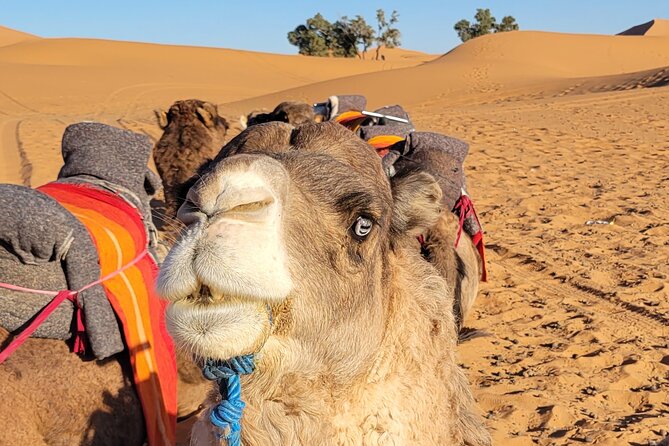
By the time you reach Erg Chebbi near Merzouga, the timing shifts to the desert’s rhythm. You’ll have lunch on the way, then arrive at the dunes and take a camel ride for about 1 hour. Sunset is the goal here, since light on the sand is what makes the Erg Chebbi dunes feel extra cinematic.
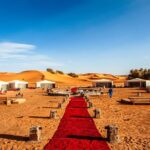
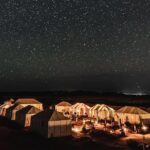
Then it’s camp time. You’ll spend the night in the dunes bivouac in nomadic tents or outside under the stars. A fun detail: you may play drums with the camel drivers, which adds a real community feel to the night rather than a purely “touristy” vibe.
Day 2 reality check:
- The camel ride is part of the experience, but it can be bumpy. If you have back or mobility issues, consider bringing a small cushion or wearing something you can ride comfortably in.
- Your schedule includes trekking in Todgha and then a second major activity later. If you’re the type who needs full recovery between activities, this day may feel like a lot.
The Todgha trek: why it’s more than a scenic stop
Todgha is often treated as just a canyon side-trip, but walking there adds a new dimension. On the ground, you feel the canyon scale in a way you can’t from a bus window. You’re also getting physical movement before the desert slows everything down.
One tip from review patterns: dress for comfort, not just looks. Wear shoes you trust for uneven ground. Bring a hat or something for sun protection—if the day is clear, you’ll feel it.
Day 3: sunrise dunes, camel return, and the long homeward drive
You wake up early to watch sunrise in the dunes. This part matters because it’s the moment the desert goes from daytime sand to something softer and more dramatic. It’s also why this tour is worth doing as a 3-day trip, not a quick excursion: you get at least two “desert light” sessions—sunset on camels and sunrise in the sand.
After sunrise, you ride back to Merzouga on the camel’s back. Then you have breakfast and start the return journey toward Marrakech. You travel through different Berber villages and areas, with a break for lunch around Ouarzazate, then continue back until you arrive in the evening/night.
The return route is long, but it’s not just repetition. The value is that you get to see the same regions with different light and in a different mood—mountains early, desert at night and morning, then the drive back under a calmer timeline.
Practical things to plan for on Day 3:
- You’ll want a good breakfast base before the drive. Don’t plan on skipping meals just because it’s early.
- Bring a small towel if you can. One review specifically called out that there may be no towel available at the desert night, so having your own can make you feel instantly more comfortable.
Desert camp expectations: tents, stars, and what comfort actually means
The “Berber tent” and “bivouac under nomadic tents” wording can sound glamorous, but here’s the real point: you’re sleeping close to the desert environment. That means outdoor air, nighttime temperature shifts, and basic comfort rather than hotel-style amenities.
Your included meal setup is clear: dinner on Day 2 and breakfast on Days 1 and 3. That’s a big deal on a multi-hour desert trek, since you’re not spending your time hunting for food. But since lunches and drinks aren’t included, you’ll want to plan for that gap.
What you can reasonably expect from the camp experience:
- A tent-based sleeping setup or sleeping outside under the stars.
- Time for night conversation and group energy. Some operators add entertainment through music, and one reviewer even highlighted a DJ-style touch from the driver during the broader trip experience.
- A strong “quiet night” payoff if the sky is clear.
What you should pack for a desert night (based on practical tour realities):
- Warm layers for nighttime. Desert nights often cool down, and your tent comfort will depend on what you bring.
- A flashlight/headlamp for moving around after dark.
- A small towel (seriously, bring one).
- Power bank for photos and charging your phone between stops.
Price and logistics: what’s included, what you pay extra, and how it compares
Let’s make the price feel real. The tour includes:
- Air-conditioned vehicle transport from Marrakech and back
- Bivouac at Merzouga dunes
- Camel ride
- Breakfast twice and dinner twice
What costs extra:
- Lunches and drinks
- A local guide fee at Ait Ben Haddou Kasbah (listed as 3 euros each)
So the question becomes: are you paying extra for convenience or for added sightseeing? In this case, you’re paying for a full circuit with long-distance transport plus a night in the dunes that most people would struggle to arrange quickly. If you tried to do this yourself, you’d still pay for transport, desert lodging, and organizing camel time. Here, you’re outsourcing that chaos to the guide and driver.
Where you might feel the cost:
- If you spend more on lunches and drinks than you expect, the “budget” part can drift.
- If you want a lot of downtime, a group route can feel busy.
Who this trip suits best (and who should pick another option)
This is a strong fit if you want:
- A structured 3-day run from Marrakech into Merzouga without planning transport
- A blend of mountains, kasbah culture, a canyon trek, and dunes
- A group format with a max size of 38, so it’s guided but not a mega-coach crush
It’s less ideal if you:
- Hate early mornings (sunrise in the dunes is part of the deal)
- Need guaranteed hotel-standard comfort at night
- Want total control over timing and stops
The driver experience seems to matter a lot here. Reviews repeatedly highlight drivers like Ibrahim (and sometimes Brahim) for being on time, calm, and attentive to passengers. That helps, because when you’re on a long road, the quality of driving and communication affects your whole day.
Final call: should you book this Merzouga desert trek?
I’d book it if you want the full Merzouga story in 3 days: Atlas pass views, Ait Benhaddou, Todgha Gorge on foot, and real dune time at sunset and sunrise. The included transport and the campsite night do a lot of heavy lifting, which is what makes this feel like good value.
I’d think twice if you’re sensitive to packed schedules, long drives, or you don’t want to handle extra costs like lunches and the local guide fee at Ait Benhaddou. If that sounds like you, you might prefer a slower itinerary.
If you do book, plan like a smart desert traveler: bring a small towel, pack warm layers for night, and carry a power bank for nonstop photo time.
FAQ
What time does the tour start from Marrakech?
The start time listed is 7:30am.
Where is pickup offered?
Pickup is offered from your hotel/riad, bus station, or the Airport area.
How long is the Merzouga desert trek?
The duration is listed as 3 days (approximately).
What’s included in the price?
Included features are air-conditioned transport, the bivouac, camel ride, and meals: breakfast twice and dinner twice.
Are lunches included?
No. Lunches and drinks are listed as not included.
Is there an extra fee for visiting Ait Benhaddou Kasbah?
Yes. A local guide fee of 3 euros per person for Ait Ben Haddou Kasbah is listed as not included.
Where do we sleep during the desert night?
You’ll spend the night in a bivouac at Merzouga Sahara dunes under nomadic tents or outside under shooting stars.
How many people are in the group?
The tour has a maximum of 38 travelers.
Is free cancellation available?
Yes. Free cancellation is available if you cancel at least 24 hours in advance for a full refund.