REVIEW · MARRAKECH
Atlas Mauntains and 3 Valleys Trek
Book on Viator →Operated by Trek in Atlas · Bookable on Viator
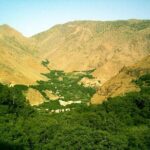
The Atlas Mountains have a way of resetting your pace fast. This trek takes you from Marrakech into cool juniper and pine country, across deep gorges and terraced valleys, with your guide steering both the walking and the stories. You’ll pass Berber hamlets, riverside spots, and farm terraces that look like they were built for patience.
I especially like how the allocated guide stays with you the whole time, so you’re not just hiking—you’re also learning what you’re seeing as you go. I also like that the experience is built around real trail time, with breakfast, lunch, dinner, and afternoon tea included, so you’re not constantly negotiating meals.
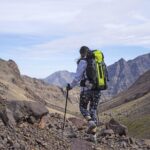
One thing to consider: some parts of the route can feel tight or a bit exposed, so good hiking shoes and a calm head help a lot, especially if you’re not used to mountain footing.
In This Review
- Key highlights to know before you go
- First Taste of the High Atlas from Marrakech
- Day 1: Juniper and Pine Trails Toward Rivers and Groves
- Day 2: Deep Gorges, Village Life, and Terraced Slopes
- Day 3: Cherry and Walnut Groves, Finishing with Farm Views
- Your Guide Matters: Hassan, Mohamed, and Mohammed Larbi
- Food and Afternoon Tea: More Than a Bonus
- Price and Value: What You’re Really Paying For
- Comfort, Safety, and What to Bring
- Who Should Book This Trek
- Should you book Atlas Mountains and 3 Valleys Trek?
- FAQ
- What time does the trek start?
- How long is the Atlas Mountains and 3 Valleys Trek?
- Is pickup provided from Marrakech?
- What’s included in the price?
- What’s not included?
- Can I cancel for a full refund?
Key highlights to know before you go
- Juniper and pine shade keeps the hike more comfortable, especially during mid-day breaks
- Berber village stops give you a chance to observe daily life and traditions up close
- River streams and gorges add variety beyond the usual valley walk
- Terraced farming means you’ll see corn, barley, and vegetables growing in layered slopes
- Home-style hospitality can include a day hosted in a guide’s family setting (depending on the route and your guide)
- Full-board meals plus afternoon tea make the trek feel complete, not rushed
First Taste of the High Atlas from Marrakech
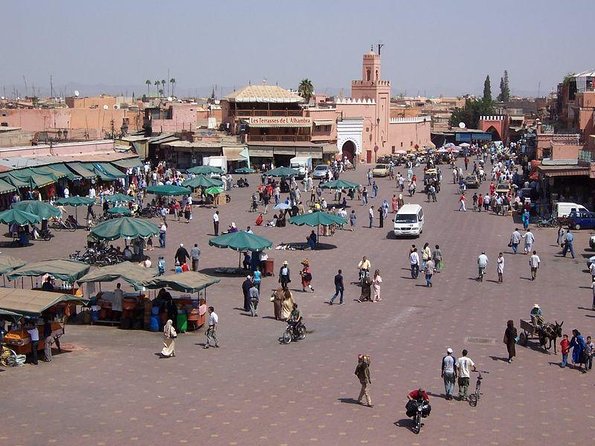
This trek starts in Marrakech with a morning start time of 8:30 am. If you’ve ever tried to manage a multi-day hike by yourself, you’ll appreciate the simple rhythm here: transport to the mountains, a guided plan, and meals lined up. You’ll travel by air-conditioned minivan, which is a nice buffer before the trail day kicks in.
Once you’re up in the Atlas range, the pace shifts from city motion to mountain time. The trail runs through cool vegetation with juniper and pine trees. That matters more than it sounds. Shade lets you keep walking without burning out early, and the air feels different once you leave the plain.
You can also read our reviews of more tours and experiences in Marrakech.

Day 1: Juniper and Pine Trails Toward Rivers and Groves
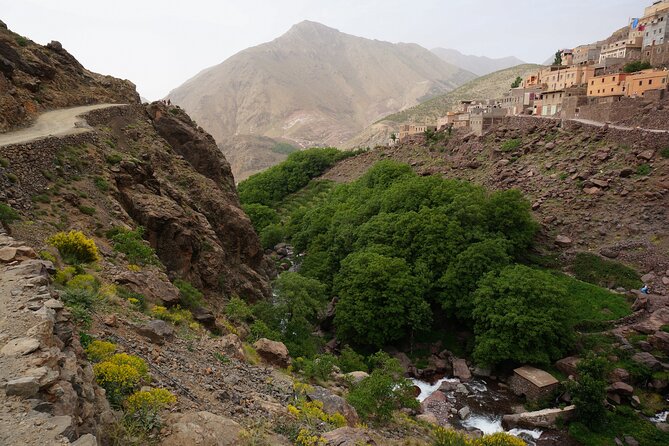
Day 1 is where you feel the “three valleys” theme begin. You’ll start hiking through shaded stretches—juniper and pine are the stars here—then gradually work your way into areas where the terrain gets more dramatic. Expect river streams and gorge-like scenery as part of the day’s walking.
This is also the day where you’ll likely get your first proper look at how people live alongside the mountains. The trek isn’t just a scenic route. As you move through the valleys, you’ll cross areas that show how farming and herding fit into steep terrain.
By the end of the first day, the trip’s structure becomes clear: this isn’t a “walk for a few hours and hope” style tour. It’s planned around accommodation as per the itinerary, plus breakfast and dinner included. In practice, that means you can focus on walking instead of hunting for food or worrying about where you’ll sleep.
Day 2: Deep Gorges, Village Life, and Terraced Slopes
Day 2 is where the trek can feel most intense—more variety, more scenery changes, and more chances to connect the land to the people living on it.
You’ll cross deep gorges and move through stretches where water runs alongside the trail. These parts are beautiful, but they also set the tone for how to move. Slow steps beat fast steps here. If you prefer steady walking over dramatic leaps, you’ll match the environment well.
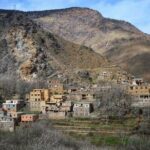
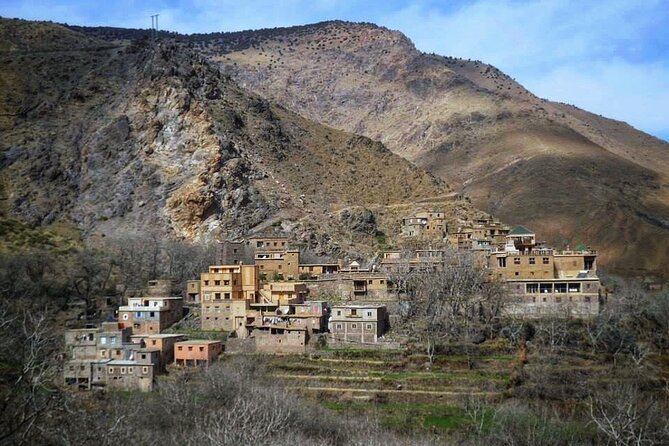
The cultural highlight is the time spent with Berber villages and hamlets. You’ll be able to interact and learn about traditions and customs. What makes this valuable is that it’s not staged. These communities are used to tourists, yes, but you’re still walking through daily spaces—where farming, herding, and household work are part of the landscape.
And then there are the terraces. You’ll see the stepped fields where communities grow corn, barley, and vegetables. Terraces are more than pretty layers. They’re practical—holding soil on slopes, managing water, and making steep land productive. Seeing them up close gives you a new respect for why the valleys look the way they do.
Day 3: Cherry and Walnut Groves, Finishing with Farm Views
On Day 3, the trek leans into the “valleys” part of the story in a gentler way: more of the orchard and farm texture, with the trail still delivering stunning views.
You can expect glimpses of cherry and walnut groves as you walk. Even if you’re not counting trees for fun (I wasn’t), it changes the feel of the hike. The trail becomes more about moving through lived-in terrain rather than just crossing it.
This is also the day you’ll likely linger visually with the terrace patterns again. By now you understand what you’re seeing: the crops sit on layered ground built and maintained over time. That’s why terraces hit harder on the third day. You’re not just seeing them. You’re connecting them to what you learned from your guide and what you observed in village life.
At the end, your trek wraps with the full tour structure still in place—meaning the experience doesn’t end with a scramble. You’ll have already had breakfast, lunch, dinner, and tea along the way, so you finish the hike without the last-day scramble for basic needs.
Your Guide Matters: Hassan, Mohamed, and Mohammed Larbi
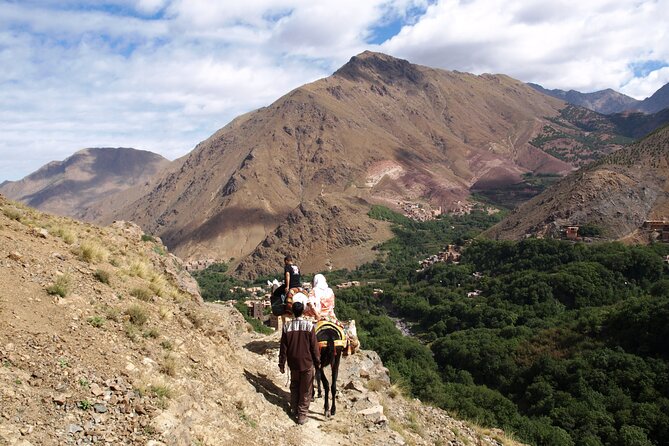
A great trekking guide can turn a walk into a story you remember. This tour builds that in by keeping your allocated guide with you throughout.
In real terms, the guide does two jobs at once:
- Keeps you moving safely along the trail
- Explains culture and history connected to what you’re passing
I’ve seen how much difference this makes when a guide like Hassan leads a route near Imlil and includes a day that connects to family hospitality. When the guide is also part of the local social world, you get context that’s hard to pick up from a quick photo stop.
Other guides mentioned include Mohamed and Mohammed Larbi. Even when your route details vary, the common thread is the same: you get history and culture tied to the places you walk through, not as an afterthought at the end.
If you want an experience that feels human—less like a checklist and more like a conversation—this guide-led structure is one of the best reasons to book.

Food and Afternoon Tea: More Than a Bonus
Here’s something practical: you won’t spend your trekking days deciding where to eat. Breakfast, lunch, dinner, and coffee and/or tea are included, plus an afternoon tea slot.
That matters because multi-day hikes drain decision energy. When meals are built into the plan, you can stay consistent with hydration and energy. It also helps you accept the day’s rhythm. Some trail days naturally feel longer than expected. If you’re fed well and on schedule, you don’t pay for it later.
From the way the experience is described and how it’s remembered, the food is likely to feel case-like and hearty in the mountain way—simple, filling, and meant for hikers. If you have dietary restrictions, it’s smart to ask directly before you go, but the core setup is clearly designed around keeping you comfortable on the trail.
Price and Value: What You’re Really Paying For
The price is $234.84 per person for about 3 days (listed as 3 days 5 hours 7 minutes). On the surface, that’s just a number. In value terms, it covers a lot of the costly, annoying parts of organizing a trek:
- Air-conditioned minivan transport
- Accommodation (as per the itinerary)
- Meals across multiple days
- Afternoon tea
- A guide who stays with you and adds cultural context
You’re also in a private tour/activity setting, meaning your group is the only group participating. That usually improves the experience because the guide can pace things with you rather than trying to manage multiple parties.
You’ll still want to budget for what’s not included: soft drinks and tip. And if you’re a slow-and-steady hiker, you’ll probably appreciate that the plan is built around walking time, not a forced sprint through the valleys.
Comfort, Safety, and What to Bring
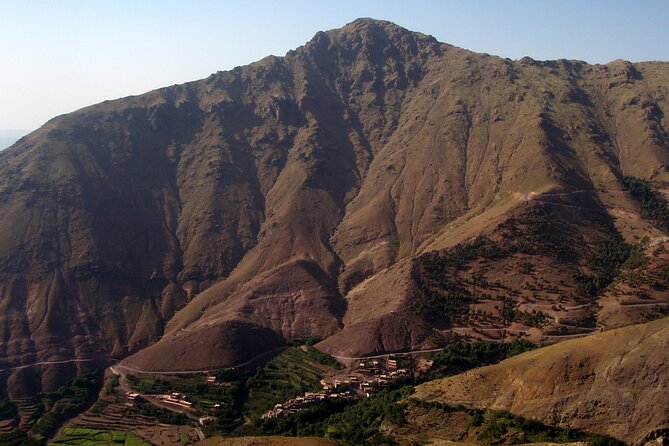
The tour description focuses on cool vegetation and shaded breaks, but the mountains still demand basic respect. One review clue points to a route that can feel a bit scary in places. That’s not a reason to avoid it—it’s a reason to prepare.
Bring the stuff that helps you feel confident:
- Proper hiking shoes with grip
- Layers for cool mountain air (even if the day feels pleasant)
- Water and a small snack just in case you want extra calories
- A sun hat and sunscreen for bright stretches when shade ends
Also remember the social side: village encounters are part of the trek. If you’re the kind of person who likes to connect respectfully, this is where you’ll get the most out of the experience. A warm greeting and a curious, gentle attitude go a long way.
Who Should Book This Trek
I think this trek is a strong match if you want all of these at once:
- A guided hike with cultural explanations, not just scenery
- Real village walking and terraces you can actually see at close range
- A fully planned multi-day format with meals and accommodation handled
- A private group setup that keeps things flexible
It may be less ideal if you strongly dislike uneven footing or exposure, since parts of the route can feel intimidating to some hikers. But if you can hike steadily and you’re honest about your comfort level, you’re likely to be fine.
It’s also a good choice if you’re starting in Marrakech and want a clean way to reach the Atlas Mountains without building your own transport and logistics.
Should you book Atlas Mountains and 3 Valleys Trek?
If you want an Atlas hike that feels grounded in real mountain life—Berber villages, terraced farms, river gorges, and a guide who explains what’s in front of you—this is an easy yes.
Book it if:
- You like guided walking with context
- You want meals and lodging included
- You’re ready for mountain terrain that asks for careful steps
Think twice if:
- You’re very nervous about exposed or tricky trail sections
- You hate the idea of hiking for multiple days in changing conditions
FAQ
What time does the trek start?
The experience starts at 8:30 am.
How long is the Atlas Mountains and 3 Valleys Trek?
It runs for about 3 days (listed as approximately 3 days 5 hours 7 minutes).
Is pickup provided from Marrakech?
Pickup is offered, and you travel by air-conditioned minivan.
What’s included in the price?
The tour includes accommodation as per the itinerary, afternoon tea, transport by air-conditioned minivan, breakfast, lunch, dinner, and coffee and/or tea.
What’s not included?
Soft drinks and tips are not included.
Can I cancel for a full refund?
Yes. You can cancel up to 24 hours in advance for a full refund.
If you want, tell me your hiking comfort level (beginner, okay with steep trails, or used to mountains) and roughly when you’re going, and I’ll help you decide if this is the right fit.