REVIEW · HUE VIETNAM
Hue to Da Nang/Hoi An via Bach Ma Trekking
Book on GetYourGuide →Operated by CONNECTTRAVEL · Bookable on GetYourGuide
Hue to Da Nang becomes a hike day. You start in Hue, ride out to Bach Ma National Park, and spend hours earning those mountain views before continuing toward the coast. This route also adds two big scenery stops: Lap An Lagoon and Hai Van Pass.
I especially like the small-group trekking pace. It feels more hands-on than a big bus day, and you get an English-speaking guide who can explain what you’re seeing as you move through the park. I also like that the day includes picnic lunch right in the middle of the action, so you’re not stuck hunting for food at random times.
One drawback to consider: this is real hiking. The trail includes steep slopes and uneven sections (including water crossings), and the tour isn’t suitable if you’re uncomfortable with heights or have serious mobility or health limits.
In This Review
- Key things to know before you go
- Hue to Bach Ma: turning a transfer into a real adventure day
- Small-group trekking with an English-speaking guide who actually helps
- Ngu Ho (Five Lakes): the best swim-and-walk stop at Bach Ma
- Do Quyen Waterfall: a steep climb, 300m of drama, and cooler air
- Vong Hai Dai viewpoint at 1,448m: the panoramic payoff
- Lap An Lagoon: brackish calm next to the Bach Ma–Lang Co scenery
- Hai Van Pass: choosing the scenic road instead of only the tunnel
- Price and value: why $86 can be a good deal for this route
- Who should book this trek-to-coast experience
- A realistic pacing guide for the day
- Should you book the Hue to Da Nang/Hoi An via Bach Ma trek?
- FAQ
- What’s the total duration of the tour?
- What time is pickup from Hue?
- When do we check in at Bach Ma National Park?
- How big is the group?
- Is there an English-speaking guide?
- Is lunch included?
- Where does the tour drop you off after the trekking?
- Is swimming possible at Ngu Ho?
- Who isn’t suitable for this tour?
Key things to know before you go
- Small group of up to 8 keeps the trekking experience more personal.
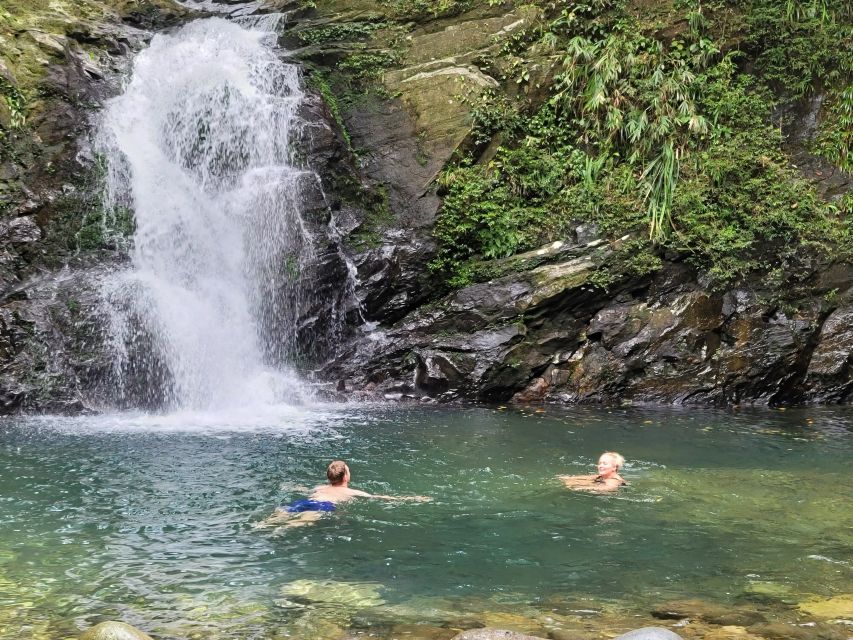
- Ngu Ho (Five Lakes) is the highlight stop for walking and swimming.
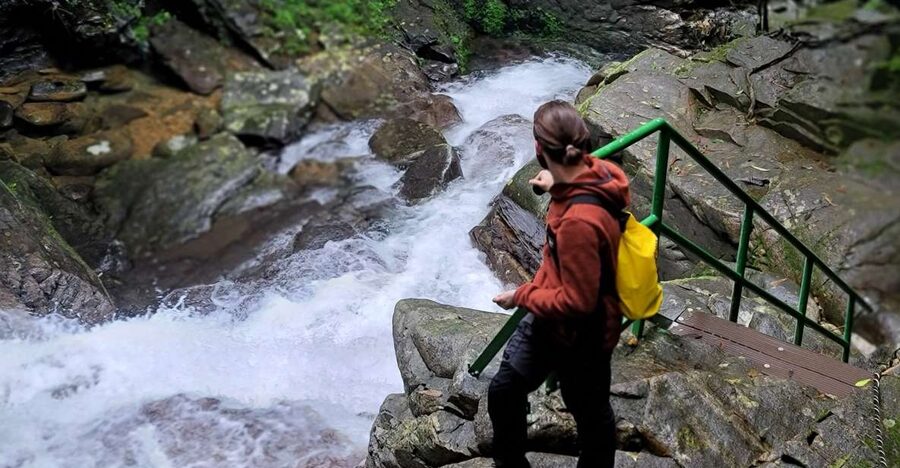
- Do Quyen Waterfall involves a challenging climb and brook crossings on the way up.
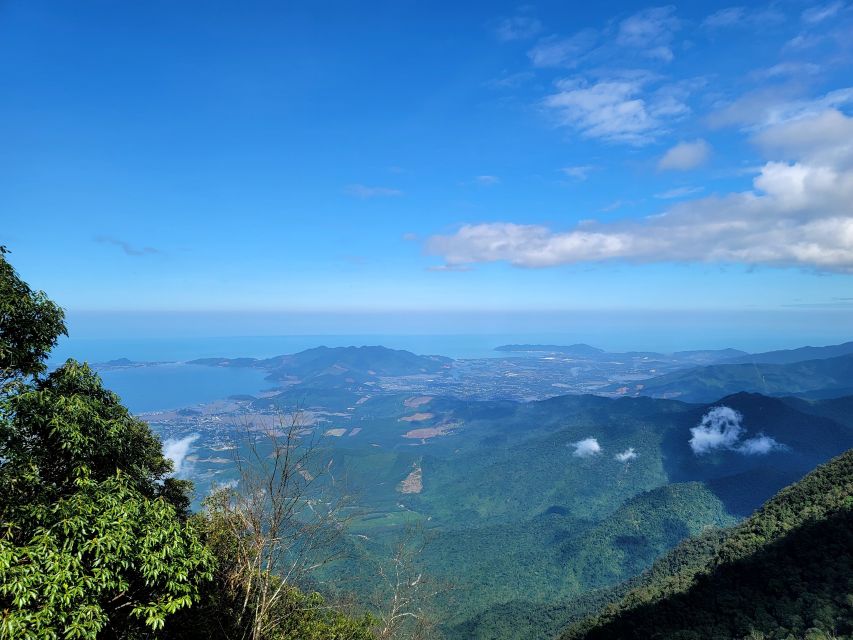
- Vong Hai Dai viewpoint (1,448m) is your payoff for the steeper parts.
- Lap An Lagoon (about 800 hectares) adds coastal-brackish calm to the day.
- Hai Van Pass is scenic even if you’ve heard the tunnel story—this route includes going up the pass for views.
Hue to Bach Ma: turning a transfer into a real adventure day
Most Hue-to-Da Nang or Hue-to-Hoi An travel is just, well, travel. This one gives you a mission for the day. You’re picked up from Hue at 8:00am, then you have enough time to get moving before the first big stop at Bach Ma. By 9:30am, you’ll be checking in at the Bach Ma National Park gate and joining the trekking portion with your guide.
That timing matters. You’re not starting the hike at the crack of dawn, and you’re not arriving late either. You get a straightforward flow: transportation first, then nature, then viewpoints, then two coastal stops. You’ll also finish with hotel drop-off in Da Nang or Hoi An, so you don’t have to plan a separate transfer afterward.
If you’re trying to squeeze in nature without adding another day to your itinerary, this format is a smart trade. Instead of spending hours going from A to B, you’re spending hours in the mountains and still landing on the coast by late afternoon.
You can also read our reviews of more tours and experiences in Hue Vietnam.
Small-group trekking with an English-speaking guide who actually helps
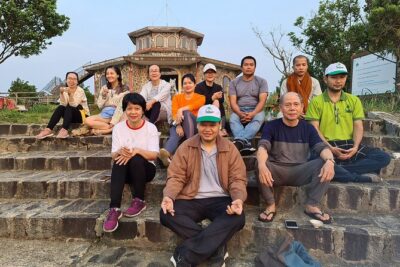
The best part here is the guide experience. The reviews are consistent on this: the guides’ English is strong, and they know the area well enough to make the stops feel meaningful instead of just scenic photo breaks. You’ll be in a small group limited to 8 participants, which usually means fewer waiting gaps and less “tour bus herding.”
As you hike through Bach Ma, you’ll appreciate having someone connect the dots: why certain trails are worth the effort, what to watch for on the way to viewpoints, and how each location fits into the park’s layout. And one extra context piece from the experience itself: Bach Ma can include reminders of the war around the park. That’s not something you need to fear, but it is something you should expect to see. A good guide helps you understand what you’re looking at without turning it into heavy lectures.
One more practical note: the guide is specifically listed as being in English at Bach Ma. So the trekking portion is where the guided value is strongest. If you want lots of storytelling, that’s where you’ll get it.
Ngu Ho (Five Lakes): the best swim-and-walk stop at Bach Ma
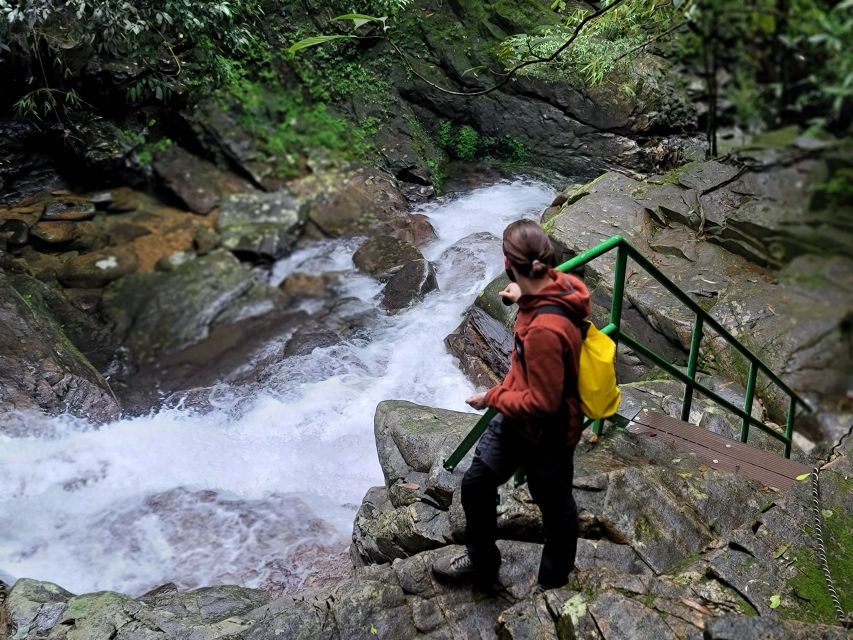
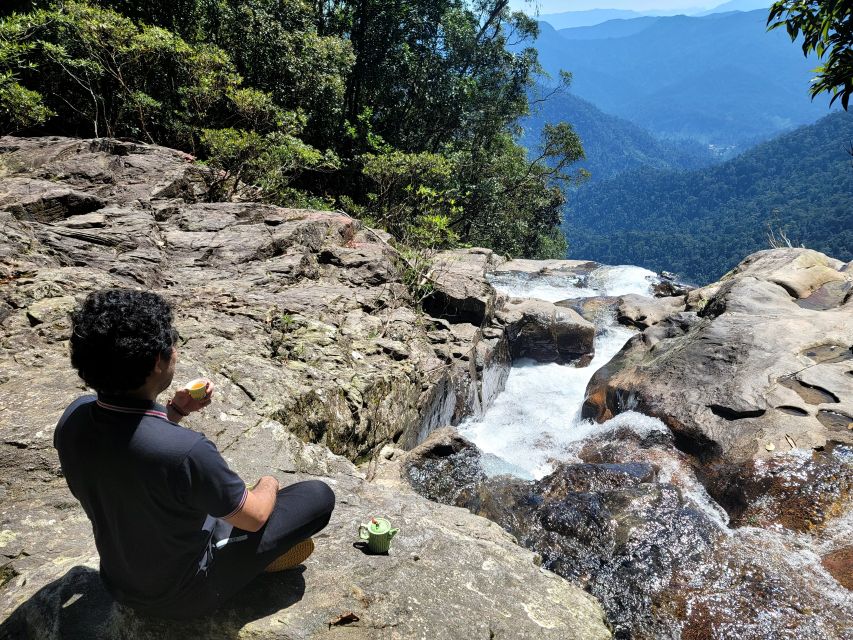
After you join at the gate, your first trek stage focuses on Ngu Ho (Five Lakes). This is the area that the day explicitly frames as the best place to go swimming. Even if you don’t plan to swim, you’ll still get the benefit: the route includes a 2-kilometer walk through the forest, with a gradual “earn the view” feeling.
The Five Lakes concept is part of why this stage stands out. You’re not just looking at one body of water—you’re working your way along a section where lakes sit at different levels. That changes the mood as you move: light shifts under the canopy, water sounds differ, and the trail feels like a gentle progression rather than one long slog.
If you want to make this stage work for you, focus on comfort and rhythm. Forest trails can be slippery after rain, and trekking through wet rock is less about speed and more about balance. If you’re carrying a swimsuit, this is the part of the day where it actually makes sense to use it.
Also, “best place to swim” is a great hook, but don’t assume every day’s conditions will feel identical. Treat it as a chance, not a guarantee of ideal water. Still, planning around the possibility here is smart.
Do Quyen Waterfall: a steep climb, 300m of drama, and cooler air
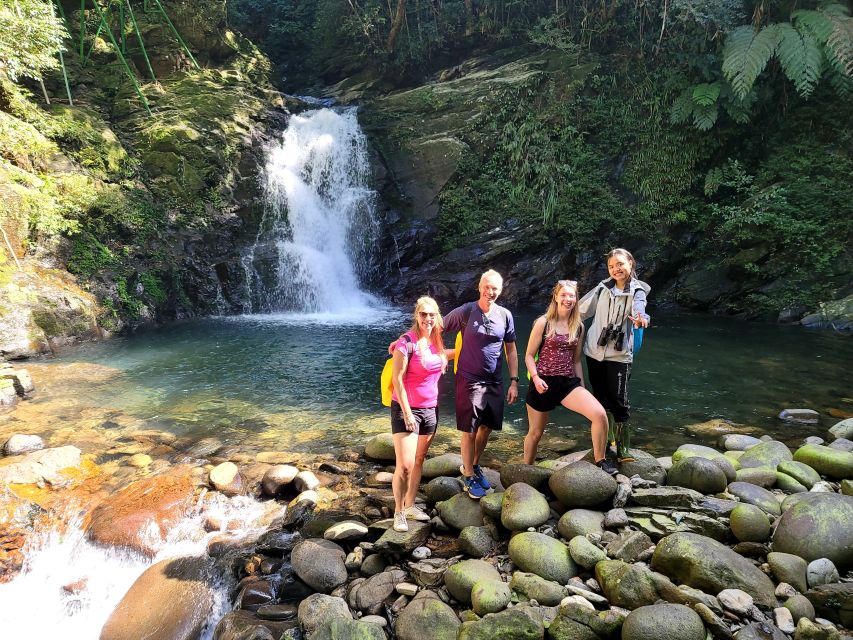
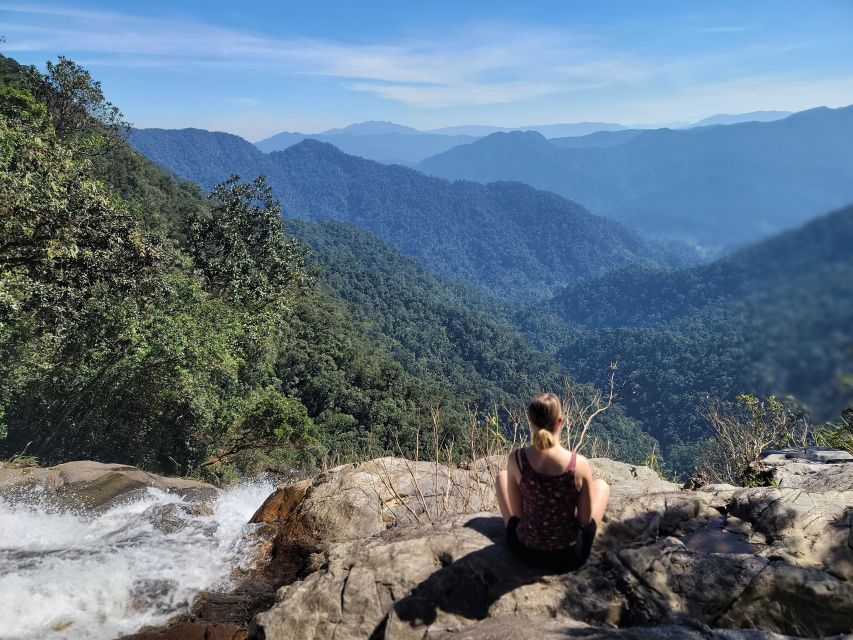
Next comes Do Quyen Waterfall, and the terrain tells you right away you’re not on a flat walk. The waterfall drops down a steep cliff about 300 meters high, and the trail to reach it is described as winding and rugged.
What makes this stage tough (and memorable) is the combination of:
- Steep slopes
- Brook crossings
- A climb that can feel more physical than dramatic on the way up
Then you hit the reward zone. On top of the climb, the day’s description emphasizes the atmosphere: cooler air, bird songs, and secluded scenery. In other words, it’s not only about the waterfall view. It’s about what changes once you’re above the heavier-feeling sections of the trail.
If you’re a careful hiker, this stage is very manageable as long as you go slow. If you’re the type who rushes, you’ll likely trip into exhaustion before you reach the good air and the quieter scenery.
This is also the stage where you’ll get your picnic lunch. That timing is a big deal: you’re not eating after a long travel day. You’re eating right after a workout, when the mood is right for fueling up and soaking in the mountain atmosphere.
Vong Hai Dai viewpoint at 1,448m: the panoramic payoff
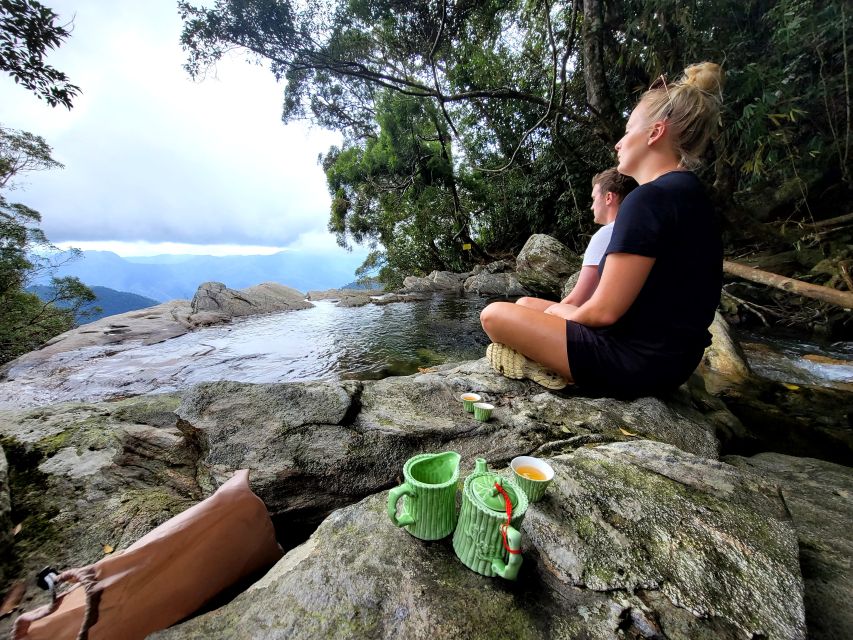
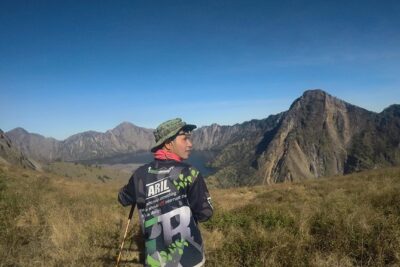
After the waterfall stage, the hike moves toward Vong Hai Dai. This is presented as an ideal panoramic spot, because it sits at 1,448 meters above sea level—the highest point in Bach Ma National Park.
This part of the day works best if you treat it as a “slow down and look” stop. The viewpoint is where the day’s effort turns into clarity. Instead of focusing on feet and footing, you get to focus on the big picture: mountain lines, depth in the forest, and the sense of scale that you don’t get from the ground.
You’re also more likely to appreciate the panorama if you’ve spent the earlier stages in the park’s varied micro-scenes: forest paths at Ngu Ho, rugged climbing toward Do Quyen, and the feeling of the environment changing as you go up. Vong Hai Dai is basically the day’s visual receipt.
By this point, the itinerary shows you’ll be leaving Bach Ma around 4:00pm, which means you still get time to shift gears before the coast stops.
Lap An Lagoon: brackish calm next to the Bach Ma–Lang Co scenery
Once you leave Bach Ma, your next big stop is Lap An Lagoon. It’s described as a large brackish lagoon in Hue province, about 800 hectares in size, and it sits beside both the Bach Ma forest area and Lang Co beach.
What’s nice here is the change of pace. After steep trails and waterfall energy, the lagoon is a visual breather. It’s also a stop that’s more than pretty water. It’s listed as a habitat for animals and aquatic plants, which gives you a reason to slow down and observe rather than just snap photos and move on.
If you like wildlife-adjacent scenery, this stop is worth paying attention to even if you don’t see anything dramatic. Brackish lagoon environments tend to have a different “feel” than open sea water, and that’s part of the charm.
You’ll likely have time to take in the surroundings before you continue to the final mountain-to-coast highlight.
Hai Van Pass: choosing the scenic road instead of only the tunnel
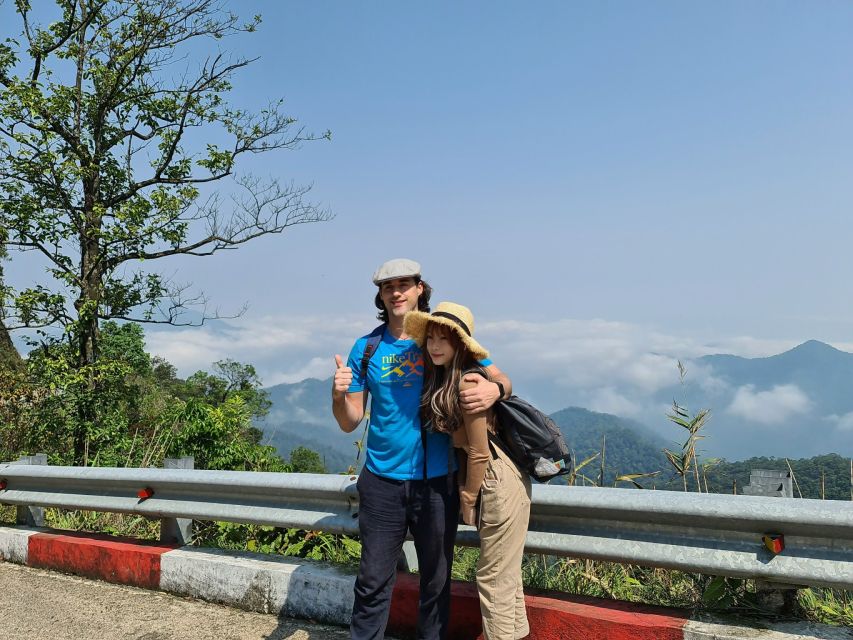
Next up is Hai Van Pass, the famous mountain pass that links Hue and Da Nang. Here’s the key detail: while vehicles often cross the pass via tunnel, this experience includes the option to go up the pass so you can enjoy the views.
That matters, because the “tunnel version” is efficient but gives you nothing to look at. The “go up the pass” approach gives you open skies and expanding mountain/forest views as you travel.
Hai Van Pass is described as bending around the Truong Son mountain range, and the contrast is the point: blue skies, green forests, and long lines of mountains stretching between regions. Even if you’re not a view person, this is a good moment to let your brain cool off after hiking.
If you’re prone to motion sickness, this part can be a little long depending on conditions, so keep that in mind. But the trade-off for choosing the pass route is obvious: you get something visually satisfying instead of just transit time.
Price and value: why $86 can be a good deal for this route
At $86 per person for a roughly 9-hour day, the best way to judge value is not just the price tag. It’s what you’re getting bundled into one organized plan:
- Hotel pickup in Hue and drop-off in Da Nang or Hoi An
- Small-group trekking in Bach Ma with an English-speaking guide
- Picnic lunch
- Entrance tickets
- Transportation
- A bottle of water
- Travel insurance
When you compare this to the alternatives, the value starts to make sense. If you tried to piece this together on your own—private transport, park tickets, a guide, and a lunch plan—you’d spend time coordinating and likely spend more money overall. Here, the structure is done for you, which is part of what makes it feel like a “real day” rather than a chaotic scramble.
Also, the group size matters for value. With only up to 8 people, you’re paying less for shared logistics than you would in a bigger tour setting that can feel less personal.
So the pricing feels fair if you want both: a proper trek day and an actual arrival day in Da Nang or Hoi An.
Who should book this trek-to-coast experience
This day fits best if you:
- Want nature + viewpoints, not just transit
- Are comfortable hiking on trails that include steep slopes and brook crossings
- Like guided context (the English-speaking guide is a highlight)
- Want to finish your Hue-to-coast journey with meaningful stops
It’s not a match if you:
- Need wheelchair access
- Are pregnant (listed as not suitable)
- Have heart problems
- Are afraid of heights (listed as not suitable)
- Have age or weight limits listed by the tour (including children under 10 and people over 70, and over 140 kg / 309 lbs)
If you’re traveling solo, this can also be a nice option because small groups usually feel easier than private tours with just one person.
A realistic pacing guide for the day
This itinerary is built around three trekking stages, then two scenic driving stops. The day’s structure is pretty clear:
- Morning: pick-up and check-in, then start trekking
- Late morning into early afternoon: Ngu Ho → Do Quyen → picnic
- Mid-afternoon: climb to the high viewpoint at Vong Hai Dai
- Late afternoon: leave Bach Ma, then Lap An Lagoon and Hai Van Pass
Because of that, you’ll want to plan around physical effort early, not late. If you’re going to snack, hydrate, and wear shoes you trust, do it before you feel too tired to think clearly.
Even though a bottle of water is included, bring your own extra water if you tend to drink a lot during hikes. And if swimming is appealing, treat Ngu Ho as your main window to do it.
Should you book the Hue to Da Nang/Hoi An via Bach Ma trek?
Book it if you want a single-day solution that combines a Hue-to-coast transfer with a real mountain trekking experience. The small-group size, picnic lunch, and the fact that the guide experience is repeatedly praised for English and local knowledge make it feel worth the money.
Skip it if you want a gentle stroll, if heights make you nervous, or if you don’t want steep sections and water-crossing parts of the trail. This is a nature day with effort built in.
If you’re a fit traveler who likes the idea of walking in Bach Ma and then finishing with lagoon calm and Hai Van Pass views, this is the kind of itinerary you’ll remember—not because it’s fancy, but because it uses the day well.
FAQ
What’s the total duration of the tour?
The tour duration is 9 hours.
What time is pickup from Hue?
Pickup from Hue is at 8:00am.
When do we check in at Bach Ma National Park?
You check in at the Bach Ma National Park gate at 9:30am.
How big is the group?
The group is limited to 8 participants.
Is there an English-speaking guide?
Yes. There is an English-speaking tour guide at Bach Ma National Park.
Is lunch included?
Yes. The tour includes a picnic lunch.
Where does the tour drop you off after the trekking?
The tour includes hotel pickup from Hue and drop-off at Da Nang or Hoi An.
Is swimming possible at Ngu Ho?
Ngu Ho (Five Lakes) is described as the best place to go swimming.
Who isn’t suitable for this tour?
The tour isn’t suitable for children under 10, pregnant women, people with heart problems, wheelchair users, people afraid of heights, people over 309 lbs (140 kg), and people over 70 years.