REVIEW · SAPA
Daily Tour: Sapa Trekking in Muong Hoa valley, Bamboo forest
Book on Viator →Operated by Vietnam Nomad Trails · Bookable on Viator
Muong Hoa Valley rewards you fast. This Sapa trek mixes breathtaking viewpoint moments with a straightforward route through Lao Chai, Ta Van, and bamboo-forest stretches, plus hotel pickup/drop-off that keeps your morning stress-free. I also like that it stays small (up to 14), so you’re not stuck watching someone else disappear ahead while your legs complain. One caution: it’s a real trek, and after rain the ground can get muddy and slippery, so plan for a slightly harder walk than the postcard version.
If you want an easy way to see Sapa’s ethnic villages and get context without navigating on your own, this is a solid intro. The guide sharing village life, plants, and local culture is a big part of the value, and the lunch stop in Ta Van is often a highlight. Just be ready for a 5-hour day and bring the right shoes.
In This Review
- Key points to know
- Muong Hoa Valley Views Without the Navigation Headache
- Why the 14-Person Group Size Changes the Trek
- Getting There: Pickup, 9:00am Start, and a Simple Meeting Point
- The Trek Loop: Lao Chai to Ta Van and the Bamboo-Forest Stretch
- Stop area: Lao Chai village
- Walking through bamboo forest areas
- Arrival at Ta Van for lunch
- Lunch in Ta Van: Fuel That Actually Matters
- Giang Ta Chai Pickup: The End That Feels Like a Release
- The Real Talking Point: Mud, Weather, and Trek-Ready Shoes
- Guide Power: What You Get Besides a Map
- What’s Included (and Why It’s a Good Value at $29.90)
- What to Pack for Sapa, Especially October–March
- Who This Trek Is Best For
- Should You Book This Muong Hoa Valley Trek?
- FAQ
- How long is the Sapa trekking tour?
- Where does the tour start?
- What time does the tour depart?
- Is hotel pickup included?
- How big is the group?
- Is lunch included?
- What’s included in the price?
- What should I bring?
- Can I cancel for a full refund?
- Is the guide English-speaking?
Key points to know
Small group, big guide attention: limited to 14 people.
Pickup included: pick-up from Sapa center or the office area, then back to the meeting point.
Lao Chai and Ta Van are the heart of the route: you walk between villages, then pause for lunch.
Bamboo forest is part of the experience: expect at least some walk through bamboo scenery.
Mud can turn it tougher: especially if rain hits the night before.
Lunch and water are included: so your budget stays predictable for the day.
Muong Hoa Valley Views Without the Navigation Headache
Sapa can feel like a lot when you first arrive. Streets, motorbikes, viewpoints, and a half-dozen “easy treks” that aren’t always easy. This tour strips away the stress. You get a guide, a set route, and the practical structure that makes a trekking day actually work on a first visit.
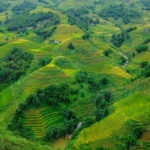
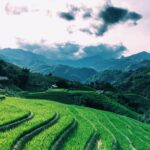
What you’re really buying here is time and confidence. When someone else handles the route and pacing, you can focus on the walk: terraces, village paths, and those long valley views that show you why Muong Hoa Valley gets talked about so often.
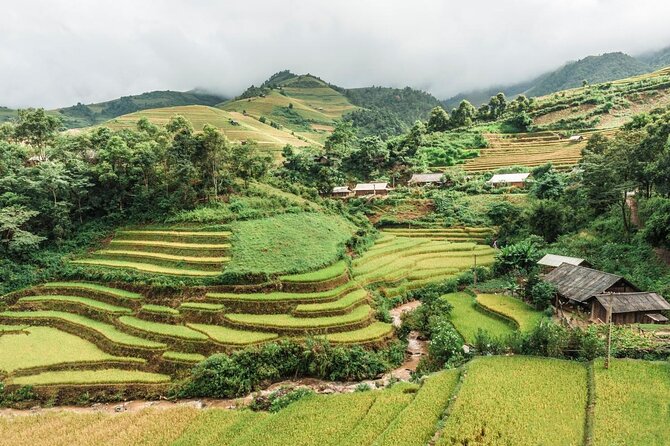
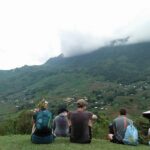
And yes, the view matters. Several accounts describe the scenery as stunning along the way—not just at one viewpoint. That matters because it turns a 5-hour trek from a single-photo event into an ongoing experience.
You can also read our reviews of more tours and experiences in Sapa.
Why the 14-Person Group Size Changes the Trek
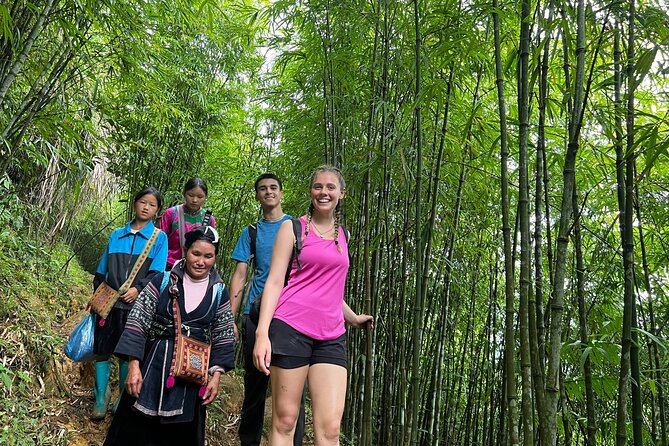
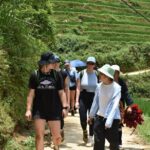
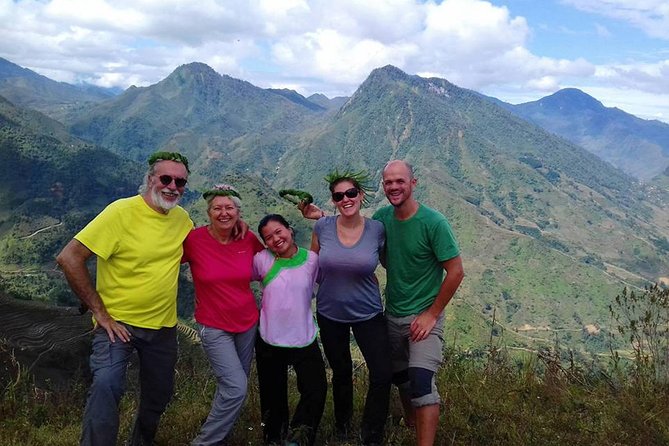
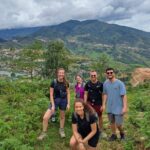
Big groups can move like slow trains: long gaps, awkward waiting, and less chance to ask questions. A cap of 14 people keeps things more human. You’ll have space to move, and the guide can actually check in if someone falls behind.
It also makes the village moments better. Ta Van isn’t just a quick stop where you snap and sprint. You’re there long enough to eat and look around, which feels respectful rather than rushed.
The other advantage is pacing. One experience described choosing their own pace with the guide’s help. That’s exactly the kind of flexibility you want in a region where the weather can change the trail conditions fast.
Getting There: Pickup, 9:00am Start, and a Simple Meeting Point
This tour is built around an easy morning flow. You start at Sapa Church (P. Hàm Rồng, TT. Sa Pa), with a 9:00am departure. They ask you to arrive 15 minutes early, which is smart. You’ll have time to find the group, confirm names, and get your gear sorted before you step out.
Pickup is offered from the Sapa center or their office area, so if you’re staying nearby you shouldn’t need to plan a separate taxi trip just to start the trek. That’s a real value point at this price.
One more small but helpful detail: they use a mobile ticket and the start is near public transportation. If your plans shift slightly (wrong room name, late check-in, that kind of chaos), it’s easier to adjust.
The Trek Loop: Lao Chai to Ta Van and the Bamboo-Forest Stretch
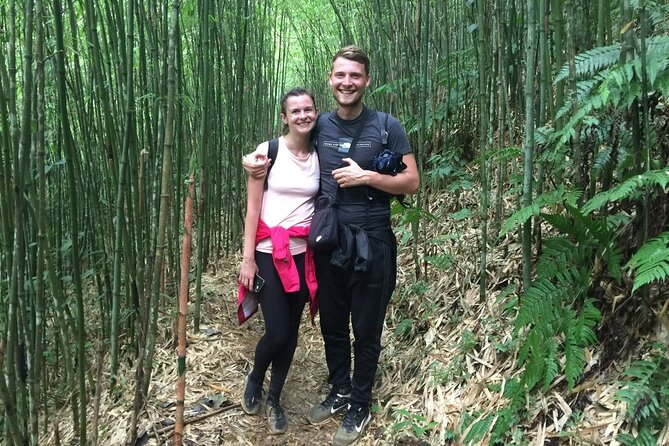
The core of the day runs through a sequence that makes sense for first-timers: village-to-village walking, a lunch stop, and then a return that doesn’t require you to retrace every step perfectly.
Stop area: Lao Chai village
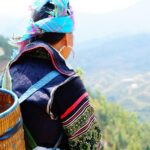
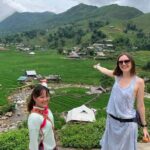
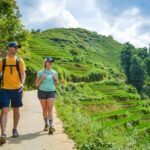
You set off toward Lao Chai village first. Expect a typical village-path trek: walking through terraced scenery, dirt paths, and the kind of sights you miss when you only do viewpoint stops. Lao Chai is a great starting point because it frames the day with real daily-life context rather than turning the trek into a theme park.
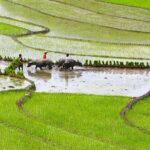
The best part here is how your brain catches up as you walk. Instead of just seeing scenery, you start noticing the patterns: where people farm, how the paths connect, and how the valley shape shapes the villages.

Walking through bamboo forest areas
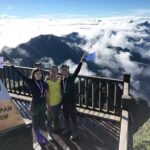
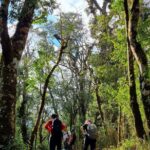
Your tour is described as including a bamboo forest experience. That’s a nice change from open views. Bamboo areas tend to feel cooler, quieter, and more shaded—perfect if Sapa is warm or if you want a break from direct sun.
Even if you don’t think bamboo sounds like a big deal, it adds variety to the day. Trekking days can get monotonous when the scenery repeats. Bamboo and village edges together keep the walk interesting.
Arrival at Ta Van for lunch
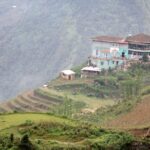
Then you move toward Ta Van, where the lunch stop happens. Ta Van is one of those places where you can see more than just scenery—you get a feel for how the village life works around visitors and trade. Several guides on this route are praised for sharing village and plant info, which usually means you’re not just eating, you’re learning while you rest your legs.
Lunch in Ta Van: Fuel That Actually Matters
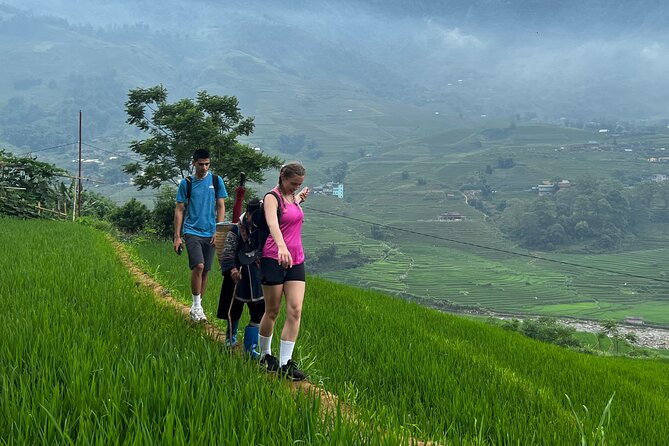
Lunch is included, and the tour gives you time to slow down rather than inhaling food while someone counts your seconds.
In practical terms, this lunch break is what makes the second half of the trek manageable. If you’ve ever done a hike where lunch is an afterthought, you know it’s not just hunger. It’s energy, balance, and the ability to keep your footing.
The other reason this matters: the lunch stop is part of what connects you to local life. Accounts of the meal described it as delicious, and the time in Ta Van often feels more like a cultural pause than a roadside snack.
Food note: they ask you to advise any dietary requirements when booking. If you have restrictions, send them the details early so they can plan around it.
Giang Ta Chai Pickup: The End That Feels Like a Release
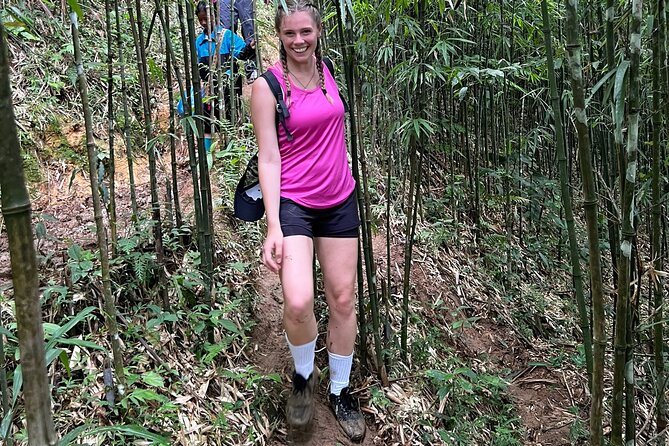
After lunch and village time, the route shifts toward Giang Ta Chai, where you’re picked up and returned to Sapa. This is a nice structure because it reduces the chance you’ll feel trapped into a long return walk.
Think of it as a reward loop. You work for the views and the village walking, then you stop when your legs still feel like they did something worthwhile—not like you’re just dragging yourself home.
One practical detail: the schedule runs about 5 hours total. That means you don’t need a whole day. For many people, that’s the sweet spot in Sapa—enough time to feel like you saw the valley, not so much you lose the rest of the day.
The Real Talking Point: Mud, Weather, and Trek-Ready Shoes
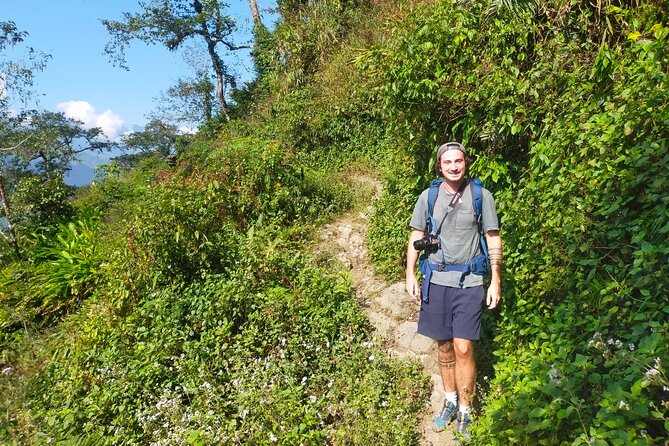
Sapa’s weather can flip fast. One account mentioned rain the night before, which made sections muddy and more challenging. That’s the biggest consideration for this kind of walk.
So here’s your direct advice:
- Wear trekking shoes with grip, not flimsy sneakers.
- Expect some slippery patches and watch your footing on downhill segments.
- Bring sunglasses and sun cream anyway, because conditions can change from shade to bright exposure.
If you’re the type who likes to arrive dry, light, and comfortable, this trek can surprise you after rain. But if you can handle a little discomfort, you’ll usually find the whole day more rewarding—not less.
Guide Power: What You Get Besides a Map
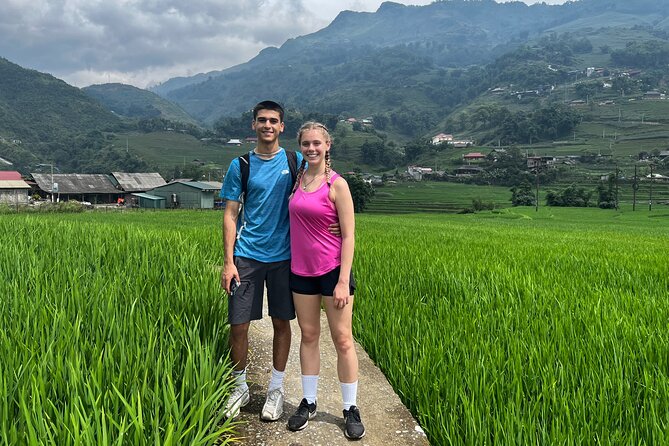
A big part of this tour’s value is the guide. The guide is English-speaking, and people specifically praised guides for being knowledgeable—sharing information about plants, the villages, and local culture.
Even if you only catch pieces while you walk, having a guide changes how you see the valley. Instead of guessing what you’re looking at, you get context. That helps you look slower and notice details.
One guide named Lang is highlighted in accounts as wonderful and knowledgeable. If you get assigned Lang, you’re in good hands based on those comments.
Also, one account praised extra help on rougher, muddy sections. You’ll likely feel supported if conditions are less than ideal, which matters for safety and confidence on a trail.
What’s Included (and Why It’s a Good Value at $29.90)
At $29.90 per person, this tour covers a lot of the stuff that usually adds up on your own:
- English-speaking guide
- Lunch
- Mineral water and additional bottled water
- Transport back to Sapa (bus back)
- Hotel pickup/drop-off support (from Sapa center or office)
- Admission tickets are listed as included
You still handle your personal choices: beverages, travel insurance, VAT, and personal expenses aren’t included.
Here’s the value logic: trekking costs add up quickly when you’re paying for a guide plus lunch plus local transport. This package gives you a single price and includes the key day components. If you’re budgeting carefully, that predictability is worth something.
The small group cap (14) also helps the value. At this price point, you’re not just getting any guide—you’re getting a guide with enough attention to matter.
What to Pack for Sapa, Especially October–March
Sapa is known for being chilly during part of the year. They recommend warm clothes for October to March. That’s not a suggestion to ignore.
For the walk itself, pack for both comfort and safety:
- Trekking shoes
- Insect repellent
- Sunglasses
- Sun cream
- Warm layer for morning or shaded bamboo sections
You’ll also want to move with the weather. If clouds roll in, your temperature can drop fast. If the sun breaks out, it can feel bright even when it’s cool.
And one tip that comes indirectly from the route itself: be mindful of how you treat the trail environment. Some accounts call out the issue of plastic litter in the area. You can help by not leaving anything behind and carrying a small bag for trash.
Who This Trek Is Best For
This is a strong fit if you:
- Want a first-timer-friendly way to see Muong Hoa Valley
- Prefer a guided route so you can focus on the scenery and village life
- Like small groups and conversations with a guide
- Have moderate physical fitness and can handle a few muddy sections if the weather turns
You might not love it if you:
- Want an ultra-easy stroll with no uneven ground
- Are hoping for a strictly indoor or viewpoint-only day
- Get stressed when conditions change quickly (rain happens here)
Should You Book This Muong Hoa Valley Trek?
If you want one practical Sapa trekking experience that covers villages, views, and local context without you doing route planning, I’d say this is worth your attention. The combination of small group size, pickup/drop-off, and lunch bundled into a low cost makes it a good value.
Book it if you can show up with the right footwear and a flexible attitude toward weather. If you do that, you’ll probably come away feeling like you earned the views—not just purchased a photo.
If you want me to tailor advice, tell me your travel month and your walking level (easy / moderate / tough). I’ll suggest the best packing priorities and what to expect from trail conditions.
FAQ
How long is the Sapa trekking tour?
It runs for about 5 hours.
Where does the tour start?
The start point is Sapa Church on P. Hàm Rồng in Sapa.
What time does the tour depart?
The start time is 9:00am.
Is hotel pickup included?
Pickup is offered from Sapa center (or the office area), and drop-off is included back to the meeting point.
How big is the group?
The tour has a maximum group size of 14 travelers.
Is lunch included?
Yes. Lunch is included during the stop at Ta Van village.
What’s included in the price?
Included items are an English-speaking guide, lunch, mineral water, bottled water, and bus back to Sapa.
What should I bring?
Bring trekking shoes, sunglasses, sun cream, and insect repellent. Warm clothes are recommended for October to March.
Can I cancel for a full refund?
Yes. You can cancel up to 24 hours in advance for a full refund.
Is the guide English-speaking?
Yes, the tour includes an English-speaking guide.