REVIEW · POKHARA
6 days Annapurna Basecamp Trek
Book on Viator →Operated by iTour Nepal Private Day Tours · Bookable on Viator
The Annapurna Base Camp route is short, not easy.
This 6-day trek from Pokhara is built around big payoff days: suspension-bridge thrills, colorful rhododendron forests, and a sunrise morning with a 360-degree view from the Base Camp area. It’s also set up for a smooth flow of drives, hikes, and teahouse nights, with a licensed guide and plenty of included logistics.
Two things I like a lot about this experience are the time-tested itinerary and the way it protects you with real safety structure. You’re moving through classic viewpoints like Chhomrong and the Annapurna Sanctuary, and you’re not doing it alone because you’ll hike with a guide who’s licensed, experienced, and insured. You’ll also have teahouse accommodation plus gear support like a sleeping bag and anti-slip crampons if required.
One drawback to think about: even with a “shortest and safest” plan, it’s still a cold, high-altitude trek with long driving and hiking days. If you’re hoping for a casual stroll, you’ll likely feel the pace.
In This Review
- Key highlights you’ll actually feel on the trail
- Six days on the Annapurna Base Camp classic: what makes it “short” and still worthwhile
- Value and what your $450 actually covers
- What you get included
- What you should budget separately
- The rhythm of the trek: how each day builds to Base Camp
- Day 1: Chhomrong viewpoint and the Jhinu Danda suspension bridge area
- Day 2: Into the Annapurna Sanctuary from the foothills
- Day 3: Rhododendron forest climbing and the Machhapuchchhre views
- Day 4: Deurali to Annapurna Base Camp and the feel of the Modi Khola valley
- Day 5: Sunrise at Base Camp with the 360-degree moment
- Day 6: Back to greenery and civilization
- What the included gear means for you on a short, serious trek
- Guide-led safety: what you should expect and what you can do
- Teahouses on this route: comfort with tradeoffs
- Who this trek fits best (and who might want a different pace)
- Should you book this Annapurna Base Camp trek?
- FAQ
- What is included in the $450 per person price?
- Are lunch and dinner included?
- Do I get a porter included?
- Is a guide provided?
- Do you provide pickup?
- How many people are in the group?
- What trekking gear is provided?
- Is travel insurance included?
- What is the cancellation window for a full refund?
Key highlights you’ll actually feel on the trail
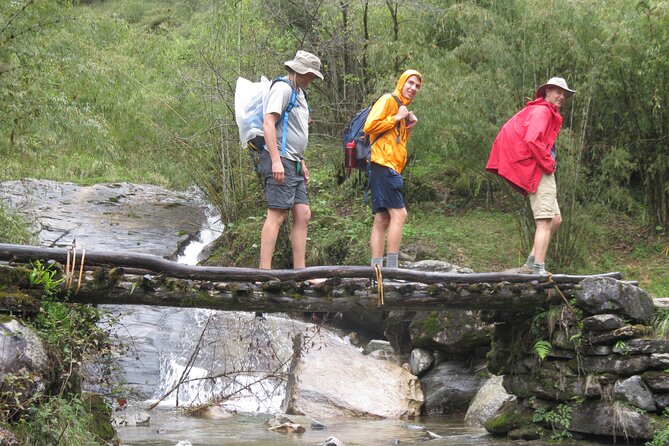
- 360-degree sunrise at Annapurna Base Camp with the classic color shift of Annapurna I
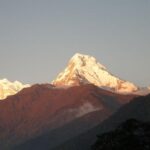
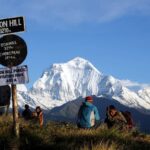
- Chhomrong for early peak views of Annapurna South, Huinchuli, and Mt Fishtail
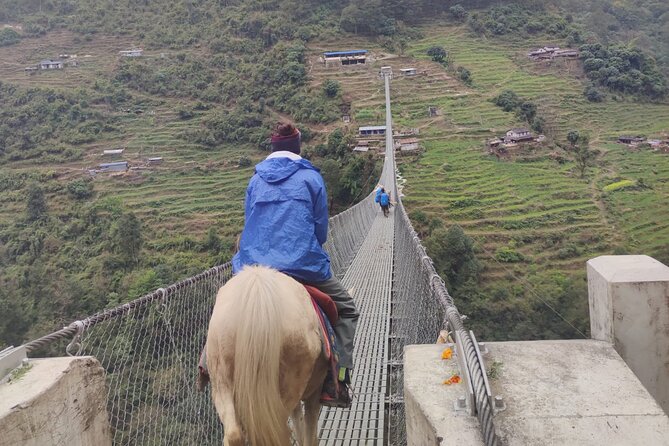
- Jhinu Danda suspension bridge: a long crossing (285 m) hanging 135 m above the river
- Rhododendron forest walking through a region with 30+ species
- Teahouse nights and included basics, so you’re not carrying everything on your back
- Licensed guide + insured operation designed to keep the plan moving and decisions smart
Six days on the Annapurna Base Camp classic: what makes it “short” and still worthwhile
The appeal of Annapurna Base Camp is obvious: you get dramatic snow peaks, deep valley walking, and that moment when the mountains finally look close enough to touch. What makes this particular route interesting is the balance between efficiency and scenery. Six days is not enough to turn this into a slow, lazy hike, but it can be enough to hit the best viewpoints without stretching into a long, punishing schedule.
You’ll start with big landmark moments right away—like the Chhomrong viewpoint area—and you’ll work your way into the Annapurna Sanctuary. That matters because it changes the feel of each day: you begin with foothill villages and views, then you move into the colder, wilder pocket of the route where the air and light get sharper.
If you like your treks with a clear rhythm—walk, view, teahouse, repeat—this plan is set up for that. The itinerary also keeps the group size limited (maximum 20), which usually means less waiting at viewpoints and fewer bottlenecks on the trail.
You can also read our reviews of more tours and experiences in Pokhara.
Value and what your $450 actually covers
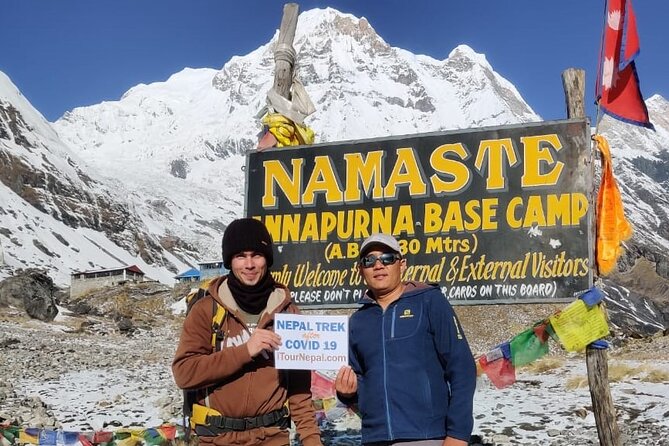
At $450 per person, the price looks simple on paper, but the value comes from what’s included and what’s not.
What you get included
You’re covered for:
- all fees and taxes
- private transportation (so you’re not stuck piecing together local transfers)
- breakfast for 5 mornings
- teahouse accommodation
- a licensed, experienced, insured guide
- a duffle bag / sleeping bag / anti slip crampon as required
For a trek, the big “cost multipliers” are usually guide time and gear, plus the nightly lodging logistics. This package tackles those head-on, which is why the price can work for travelers who don’t want to micromanage details.
What you should budget separately
You’ll still need money for:
- lunch and dinner (breakfast only is included)
- a porter (available for $30/day)
- insurance for yourself (not included)
- bottled drinks and additional teahouse extras like Wi-Fi or charging if they’re offered
If you want a lighter load, plan for the porter option. The trek may be shorter than longer ABC routes, but you’ll still be carrying your own essentials unless you choose to offload some weight.
The rhythm of the trek: how each day builds to Base Camp
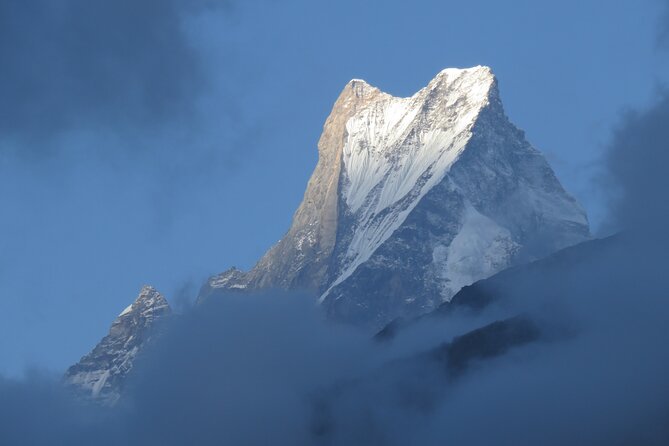
This is a “do-the-route” itinerary. Each day has a clear objective, not just sightseeing. The days are listed at about 12 hours, so expect long-use trekking time plus travel segments. Your moderate fitness level matters here—think steady effort, not sprinting.
Day 1: Chhomrong viewpoint and the Jhinu Danda suspension bridge area
Day 1 sets the tone with two major anchors: Chhomrong and the Jhinu Danda suspension bridge.
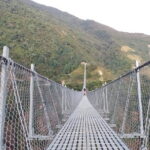
You’ll drive for about 3 hours near the Jhinu Danda area and then spend time at the suspension bridge, one of the longest in the region (285 m long) hanging high above the Kimrong River (135 m). That crossing is a real adrenaline moment because it’s not just a photo stop—you feel the length and height when you’re on it.
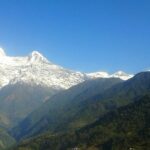
Then you move to Chhomrong at about 2,150 m, which is known as a close view point for major peaks like Annapurna South (7,219 m), Huinchuli (6,441 m), and Mt Fishtail. This viewpoint is valuable because it gives you early confirmation that you’re on the right trail: the mountains look big, and they look layered.
A practical note: your Day 1 pace can feel “busy” because it mixes driving plus walking. Build the mindset that you’re not just trekking—you’re transitioning from Pokhara into the mountain rhythm.
Day 2: Into the Annapurna Sanctuary from the foothills
Day 2 is about shifting from village-country trekking into the sanctuary feel. You start with morning views of Annapurna South and Mt Fishtail, then the walk swings up and down through Annapurna foothills.
What I like about this day conceptually is that it’s a gradual investment. You’re not thrown immediately into the most intense cold conditions; you gain altitude and atmosphere step by step. The route eventually enters the Annapurna Sanctuary, which is where the scenery tightens—more peaks, more enclosed valley views, and a more dramatic sense of scale.
The potential drawback on Day 2 is pacing: the up-and-down terrain can wear you out even when the altitude changes aren’t extreme compared to later days. A steady walk beats pushing.
Day 3: Rhododendron forest climbing and the Machhapuchchhre views
On Day 3, the trail leans into vegetation and river-valley walking. You gradually climb upstream through a rhododendron forest with over 30 species. That kind of forest isn’t just pretty; it can make the walking feel different from the earlier open-country sections. You’ll also likely notice the air feels less “sun-warmed” than the foothills as you move deeper.
This day is tied to Machhapuchchhre (Mt Fishtail) in the itinerary focus, and the route is described as wedged between Hiunchuli and Mardi Himal in the Modi River valley basin. That setup matters because it’s the part of the trek where the mountain wall effect starts to show.
If you’re the type who loves quiet trekking moments, Day 3 can be a highlight day. If you’re only chasing maximum views, you might wish there were more constant summit-style panoramas—but the forest-and-valley walking is part of what makes the whole trek feel real.
Day 4: Deurali to Annapurna Base Camp and the feel of the Modi Khola valley
Day 4 is your move into the Base Camp zone. The trek from Deurali to Annapurna Base Camp is described as scenic, with undisturbed views of Fishtail and multiple Annapurna peaks including Annapurna I, III, and South.
You’ll follow the Modi Khola upstream along the way. This is important because river-valley travel is often what makes the Base Camp approach feel more manageable. You’re not just climbing randomly; you’re moving through a natural corridor that structures your day.
Practical reality: Day 4 is when weather can start playing harder. Even if the trekking days are planned, clouds can roll in. Your guide and group plan help here because the decisions are made day-by-day rather than you being stuck guessing.
Day 5: Sunrise at Base Camp with the 360-degree moment
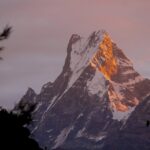
Day 5 is the payoff morning: early rays hitting the snow peaks, with the itinerary calling out the most popular moment being Annapurna I’s color change during sunrise. You’ll also get a 360-degree feel, which is one of the reasons this trek stays famous.
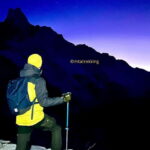
This is also the day where you’ll want to prepare well for cold. Sunrise treks often mean chilly air and wind, even when daytime conditions feel comfortable. If you were given anti-slip crampons as required, this is the type of day when they’ll matter most.
If you’re someone who enjoys taking time rather than rushing photos, this morning supports that. The day also mentions an easy morning at the Base Camp area afterward, which helps you savor it instead of running on adrenaline alone.
Day 6: Back to greenery and civilization
Day 6 is about transition. The itinerary description points out how it feels different to return from a deep valley and cold weather to greenery and civilization.
You’ll enjoy breakfast with far-reaching views of layers of hills and the Modi River valley. Even on “return” days, that matters: you’ll still get mountain context while your body starts to loosen up after days of sustained walking.
This day tends to feel like a mix of relief and fatigue. You’ll likely feel happy the trek is ending, but your legs may still remind you this was real trekking, not a quick hike.
What the included gear means for you on a short, serious trek
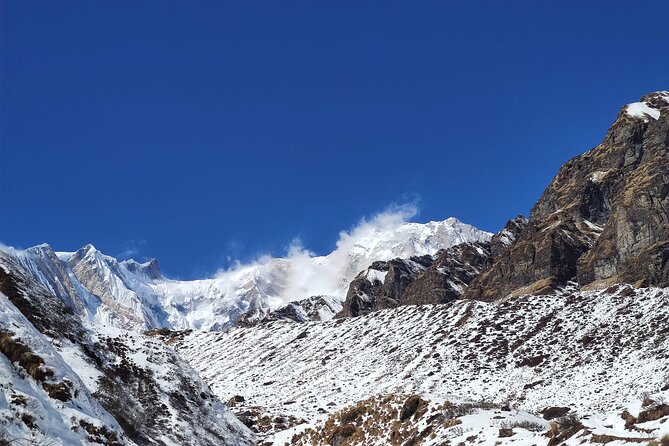
The included items aren’t just extras; they affect comfort and pacing.
- A sleeping bag helps you handle cold teahouse nights.
- A duffle bag support is helpful for keeping your carry organized rather than stuffing gear into random pockets.
- Anti-slip crampons as required can be the difference between confident steps and cautious shuffling when conditions are icy or slick.
This matters because shorter itineraries can tempt people to overpack or move too quickly. Gear support makes the “move fast, stay safe” strategy more realistic.
Guide-led safety: what you should expect and what you can do
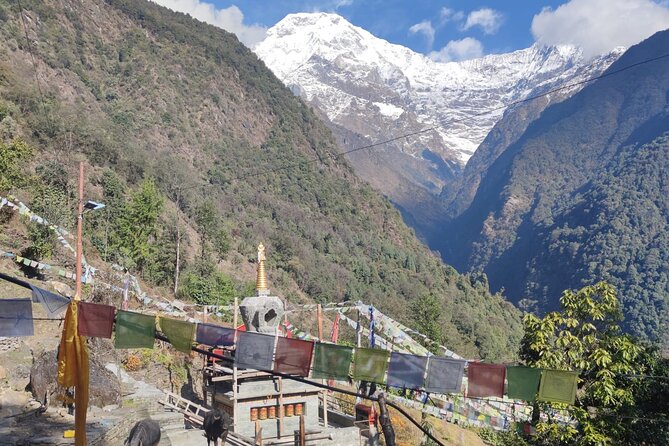
The trek is run with a licensed, experienced, insured guide. That’s the baseline. The practical value for you is that decisions are made by someone trained to handle trail and timing conditions.
I also take comfort in the fact that iTour Nepal is presented as a well-organized operator. In past experiences across their Nepal offerings, the owner Rabi is described as coordinating details and responsiveness, and guide names like Saroj and Ajaya show up in their broader trekking team reputation. (Not every guide on earth is the same, but it signals they invest in a real team, not just a pickup-and-go structure.)
Still, you control the biggest safety levers:
- go at a steady pace
- keep hydrated
- tell your guide early if you feel off
- plan for cold mornings and slower starts
Teahouses on this route: comfort with tradeoffs
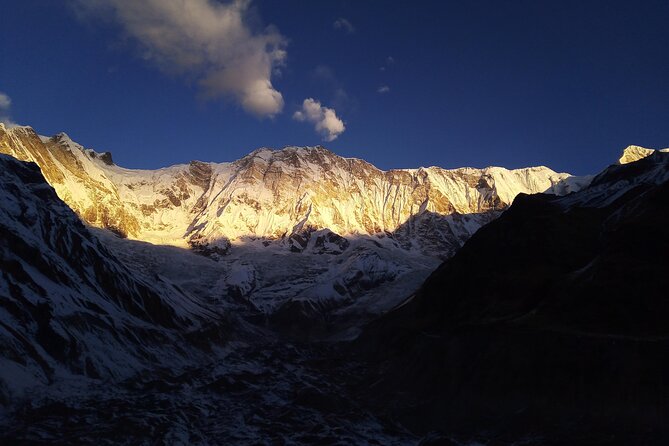
You’ll stay in teahouse accommodation. That’s the standard for ABC treks, and it usually means:
- warm rooms for sleeping (to varying degrees)
- simple meals you can purchase separately
- basic services where Wi-Fi/charging may have extra charges
The package includes breakfast, but lunch and dinner are on your dime. That’s not a problem, but it does mean you should budget meals into your trip. Teahouse food can be a major part of the daily experience—soup, noodles, warm drinks—so it’s good to have the money ready rather than thinking you forgot something.
To keep your day smooth, it helps to treat lunch as a “fuel” stop rather than a long break.
Who this trek fits best (and who might want a different pace)
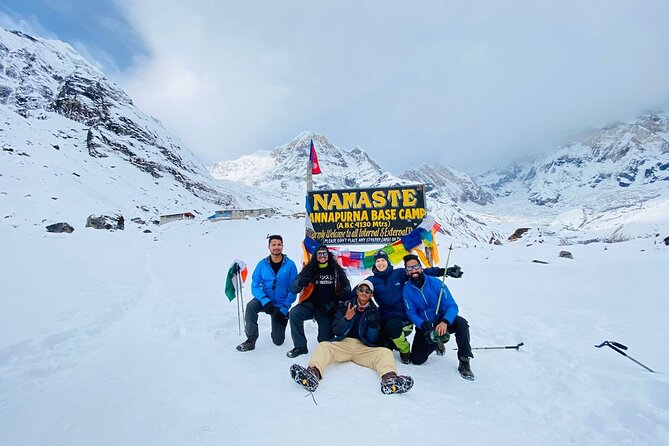
This 6-day itinerary is best for you if:
- you want the classic ABC region without extending to longer trek lengths
- you prefer a guide-led plan with clear daily targets
- you’re okay with cold mornings and long hiking days
- you’re traveling with a moderate fitness level
It might not be ideal if you:
- want a light, casual hike (this is still 12-hour days)
- expect meals beyond breakfast to be included
- hate heights and shaky crossings (Jhinu Danda suspension bridge is part of Day 1)
If you’re traveling as a couple or solo, the max group size (up to 20) can still feel friendly. If you’re a family group, it’s worth matching your ages and fitness to a steep, cold trek day plan.
Should you book this Annapurna Base Camp trek?
If you want a straightforward ABC plan that prioritizes early mountain views, sunrise at Base Camp, and a guide-and-teahouse setup that keeps logistics manageable, this looks like a solid booking.
I’d book it if:
- you value safety structure (licensed, experienced, insured guide)
- you want included accommodation and breakfast so you don’t plan daily logistics
- you’re realistic about the cold and the long days
I’d think twice if:
- you’re relying on all-included meals and want lunch/dinner covered
- you’re very sensitive to cold mornings
- you don’t handle suspension bridge crossings well
If you do book, pack smart, plan for cold mornings, and consider a porter if you want to keep your load comfortable. On a shorter ABC trek, comfort can be the difference between enjoying the mountains and just surviving the trail.
FAQ
What is included in the $450 per person price?
The price includes all fees and taxes, private transportation, breakfast for 5 days, teahouse accommodation, a licensed experienced insured guide, and trekking gear such as a duffle bag, sleeping bag, and anti-slip crampons as required.
Are lunch and dinner included?
No. Lunch and dinner are not included, so you’ll pay for meals besides breakfast each day.
Do I get a porter included?
No porter is included by default. A porter is available for $30 per day.
Is a guide provided?
Yes. You’ll have a licensed, experienced, insured guide throughout the trek.
Do you provide pickup?
Pickup is offered, and the tour is described as near public transportation.
How many people are in the group?
The trek has a maximum group size of 20 travelers.
What trekking gear is provided?
The package includes a duffle bag and a sleeping bag, plus anti-slip crampons as required.
Is travel insurance included?
No. Insurance for clients is not included.
What is the cancellation window for a full refund?
You can cancel up to 3 days in advance of the experience for a full refund. If you cancel less than 3 full days before the experience’s start time, the amount paid is not refunded.