REVIEW · POKHARA
5 Days Mardi Himal Trek.
Book on Viator →Operated by Dadhi Ram Thapa · Bookable on Viator
Fog and glacier views on one trek.
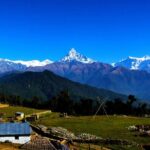
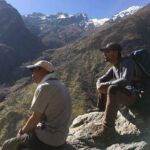
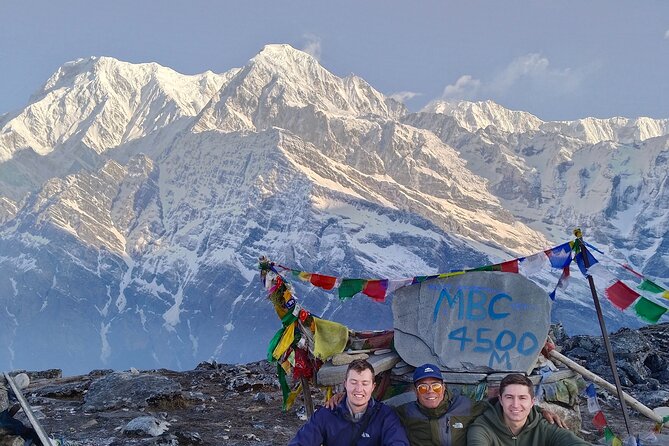
The Mardi Himal route has a pioneer, still-a-bit-quiet feel, and it climbs toward about 4500 meters, so you get that classic Nepal contrast: forest paths below, high-country views above. Starting from Pokhara, this is a guided tea house trek with the kind of scenery shifts that keep every hiking hour interesting, from river-side walks to sunrise on the ridge.
I especially like two things: the presence of Dadhi Ram Thapa as your English-speaking guide, and the way the hike changes character day to day. Dadhi’s not just a map holder—people appreciate that he can answer questions and even adjust the route based on what you want and how conditions look. And you’re not stuck doing the same type of walking for five days; you’ll go from forest camp rhythms to higher, more exposed ridgeline viewpoints.
One thing to consider is that meals and drinks are not included, and the daily effort is real. Expect multiple days of roughly 5–6 hours on the trail, and at altitude—even in good weather—cool temperatures and mist can slow your pace.
In This Review
- Key highlights you’ll care about
- Mardi Himal from Pokhara: why this trek feels different
- Price and value: what $500 covers (and what you must budget)
- Getting moving: start time, private group, and daily effort
- Day 1: Pokhara to Pothana and that first taste of trekking
- Day 2: Forest Camp walk with birds, river views, and steady rhythm
- Day 3: Mardi High Camp and the switch to higher viewpoints
- Day 4: Sunrise viewpoint magic, then to Siddhing
- Day 5: Lumre, a hanging bridge, and the drive back to Pokhara
- Why teahouse nights matter on a 5-day trek
- The guide factor: Dadhi Ram Thapa and real trail confidence
- Monsoon season: foggy forests and why it can still work
- Who this trek suits best (and who should think twice)
- Should you book the 5-day Mardi Himal trek?
- FAQ
- What is the duration of the 5 Days Mardi Himal Trek?
- Where does the trek start?
- Is hotel pickup and drop-off included?
- What is included in the price?
- Are meals included?
- What is the fitness level required?
- Is this a private trek or shared with others?
- What is the cancellation policy?
Key highlights you’ll care about
- Dadhi Ram Thapa guides in English and can adjust the route if your preferences or conditions change.
- Teahouse accommodation is included, so you’re booking sleep without extra legwork.
- Day-by-day scenery variety: forest sections, hillside walking, glacier-side views, and sunrise.
- Early start on Day 4 to catch the viewpoint for sunrise before moving on to Siddhing.
- A rural finish at Lumre, with a hanging bridge and lunch before driving back to Pokhara.
- Pickup and transport are handled, so you spend your energy hiking, not organizing.
Mardi Himal from Pokhara: why this trek feels different
If you’re choosing between Nepal treks and you want that “still being explored” vibe, Mardi Himal is a smart target. This route is often described as a pioneer path—meaning you don’t just follow a single, overly busy trail every minute. You still get a proper tea house trekking experience, but with more quiet moments, especially in the forest stretches.
The biggest draw is the altitude arc. You’re working your way toward around 4500 meters, so the air changes and the views start to feel more immediate. You’ll also see the way the terrain shapes the hike: lower forest walking that can feel mysterious in fog, then higher segments where you’re looking out across valleys and mountain lines.
You’ll also appreciate the pacing and structure. The itinerary is built around sleeping in tea houses and moving in day blocks that are long enough to feel like a real trek, but not so punishing that you can’t enjoy stops along the way for photos, birds, and big mountain moments.
You can also read our reviews of more tours and experiences in Pokhara.
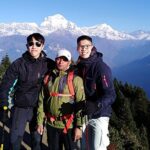
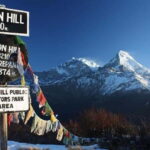
Price and value: what $500 covers (and what you must budget)
At $500 per person, this trek is priced to include the stuff that usually creates headaches: permits, guide, and the core trail logistics. You’re not only paying for someone to walk with you—you’re paying for the practical pieces that keep the days smooth.
Here’s what’s included:
- TIMS and permits
- Teahouse accommodation
- English speaking trekking guide (Dadhi Ram Thapa)
- Necessary transportation
- Hotel pickup and drop off
Here’s what you must plan for:
- All meals and drinks (available for purchase; about $30 per day per person)
- Tips and gratitude (optional)
So the real value math is this: you pay upfront for the trek’s backbone, then you budget day-to-day for food. If you eat simple tea house meals along the way, that daily food allowance is usually manageable. If you want lots of snacks, fancy drinks, or extra hot meals in bad weather, you’ll spend more—nothing wrong with that, just know what you’re buying.
Also note: the tour says group discounts are available and you’ll receive a mobile ticket. Those are small things, but they reduce friction when you’re organizing from Pokhara.
Getting moving: start time, private group, and daily effort
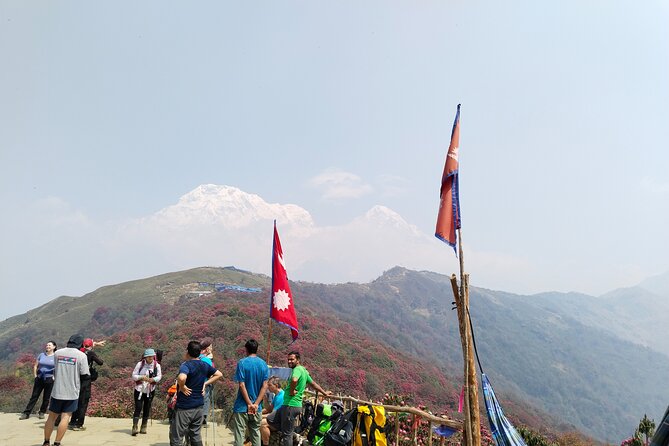
The meeting time is 8:30 am. That matters because your first walking day begins right after transportation and setup, not after a leisurely late start.
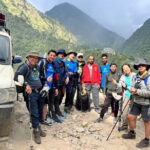
This is a private tour/activity, meaning only your group participates. For many people, that’s the difference between feeling like a number and feeling like you can keep your pace. It also pairs well with the guide’s flexibility—if the route needs adjusting, you’re not locked into a one-size-fits-all marching plan.
Fitness-wise, the trek is listed as moderate physical fitness. In real terms, that means you should feel comfortable walking for about 5–6 hours per day, with climbs and descents and a high chance of changing weather (especially at the ridge and higher camps).
Day 1: Pokhara to Pothana and that first taste of trekking
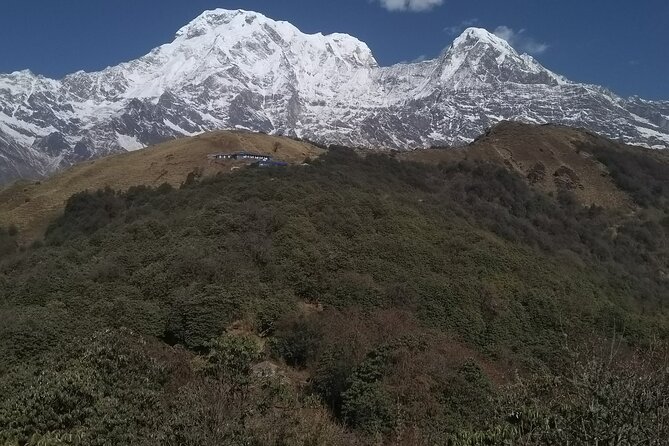
Day 1 starts with Pokhara to Melbot by private transport, then you trek to Pothana. The walking time is about 5 hours, and the big purpose of this day is acclimation and rhythm. You’re not racing. You’re getting your legs used to uphill walking and learning how your body handles altitude gains.
Pothana is a good first stop because it puts you in trekking country quickly without dumping you into the toughest climbs on day one. You’ll also get a clearer sense of what kind of pace works for you before the route climbs toward the high camps.
Practical note: since this day includes the first long stretch after transport, bring layers you can adjust. Even if the morning is pleasant, higher sections can feel cooler fast once the sun shifts.
Day 2: Forest Camp walk with birds, river views, and steady rhythm
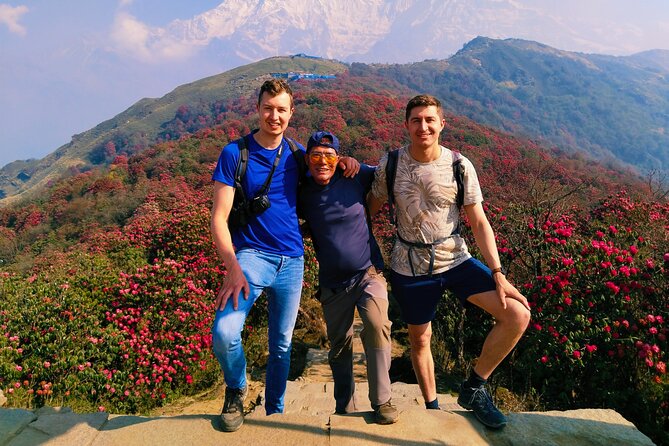
After breakfast, Day 2 moves from lower terrain into the trek’s more atmospheric sections, heading to Forest Camp. This is about 5 hours of walking.
What I like about this day is the mix of nature details that show up during steady hiking:
- mountain views
- river scenery
- birds along the way
- walking between forest sections
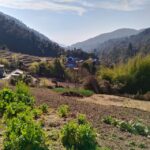
This is the day where the trail texture matters. Forest walking can feel slower at times—more roots, more turns, more shade—but it’s also where you get that quieter trekking feeling. If mist or light rain hits, this forest section is the part that often turns into a softer, more mysterious hike rather than a miserable slog.
Drawback to keep in mind: forest walking means you can’t always power uphill in big strides. You’ll be more careful and more deliberate, which is fine—just plan for it mentally so you don’t feel frustrated by the slower pace.
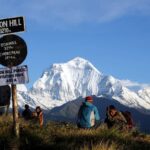
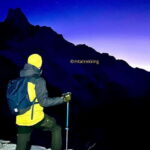
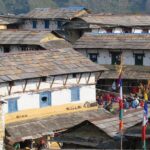
Day 3: Mardi High Camp and the switch to higher viewpoints
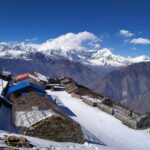
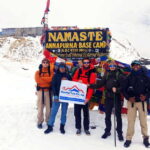
Day 3 takes you to Mardi High Camp after breakfast, with about 6 hours of walking. The route here is described as half through forest and half through hill sections, which is a neat way to think about what changes in your hiking experience.
This is also the day that pushes your view lines. Expect:
- both sides mountain views
- valley and river scenery
- glacier views
- a general sense that the mountains are getting closer
Why this is valuable: seeing glacier and high-country features usually happens when the trail starts rising enough to put you above the surrounding haze. If you’ve never had that moment where you look out and the scale feels new, this day is where it clicks.
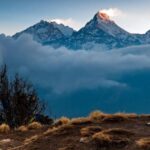
Possible consideration: at higher elevations, weather can change quickly. Even if the morning looks fine, you might hit fog on the way up. When that happens, don’t treat it like failure—treat it like the mountain deciding how you’ll experience it.
Day 4: Sunrise viewpoint magic, then to Siddhing
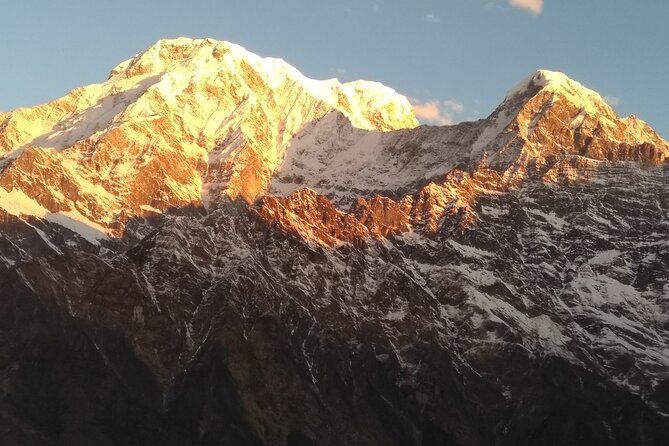
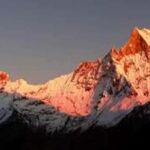
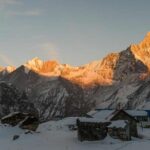
Day 4 starts early: you go to the viewpoint for sunrise, then you return to the teahouse, eat breakfast, and trek on to Siddhing. The walking time is about 6 hours.
Here’s what you get from this schedule:
- a chance at sunrise mountain views
- a morning that’s focused, not scattered
- a later trek day that gives you time to settle into camp again
This is one of the most important days for timing and energy. Sunrise hikes sound romantic, but they also demand that you wake up ready, dress in layers, and accept that the best views often depend on weather windows.
Once you’re back, the trek to Siddhing gives you continuity. You’re not just sprinting from high point to high point—you’re mixing that big morning payoff with a proper tea house end to the day.
Day 5: Lumre, a hanging bridge, and the drive back to Pokhara
On the last day, breakfast comes first, then you trek to Lumre. The hike is about 6 hours, followed by lunch at Lumre and a drive back to Pokhara.
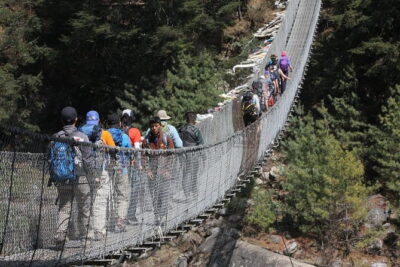
What makes Day 5 special is how it transitions from high trekking back into real local life. Along the way, you’ll walk through rural village areas, and you’ll cross a hanging bridge.
Then you get lunch in Lumre, which gives you that satisfying end-of-trek feeling: your legs are still moving, but you’re already in the final chapter. The drive back to Pokhara wraps things up cleanly—no scrambling to figure out transport after you’re tired.
Simple advice: save a little energy for this day. Day 5 can feel longer because you’re thinking about the finish. Pace yourself, enjoy the village sections, and treat the hanging bridge as the fun interlude it’s meant to be.
Why teahouse nights matter on a 5-day trek
This trek includes teahouse accommodation. That means you’re sleeping in a network built for trekkers, not camping through everything from scratch.
For you, that’s a comfort and safety tradeoff. You still hike hard, but you’re not carrying the extra weight and logistics of full self-supported trekking. It also keeps your nights predictable: eat, rest, and do the small morning routine that makes the next day easier.
The flip side is that you should expect meals and drinks to add up. Since all meals and drinks are not included, tea house food becomes part of your budget. If you’re someone who loves hot tea, soup, and basic snacks, plan for it.
The guide factor: Dadhi Ram Thapa and real trail confidence
The guide here is Dadhi Ram Thapa, and the comments about him are consistent: he’s experienced, he can answer questions, and he’s flexible. That flexibility matters on a trek like this because mountains don’t always stick to a perfect script.
If you care about learning while you hike—names of places, what you’re seeing, why trails go where they go—having an English-speaking guide who can explain things will make the trek feel more grounded, not just scenic.
Flexibility also helps when conditions shift. Fog, rain, slower walking days, or simple preference changes can all affect what makes sense on the ground. With a private group, it’s easier for a guide to adjust without disrupting a large, mixed group.
Monsoon season: foggy forests and why it can still work
One of the trekking experiences highlighted is that hiking on the Mardi Himal route during monsoon season is definitely possible. You may get foggy forest walks, and the experience can feel more mysterious than crisp-and-sunny.
You also might notice more forest life—described as a big variety of flora and fauna—and the viewpoints can still deliver an amazing bird’s-eye perspective when the weather clears enough.
So here’s your practical take: if you plan to go during monsoon, go in with the right mindset. Bring gear for wet trails, accept that visibility may come and go, and focus on the forest atmosphere as much as the summit-style photos.
Who this trek suits best (and who should think twice)
This 5-day Mardi Himal trek is a great match if:
- you like a guided tea house hike with a real itinerary
- you want variety: forest, hills, glacier views, sunrise
- you can handle about 5–6 hours of walking daily
- you’d enjoy learning on the trail with an English-speaking guide like Dadhi Ram Thapa
It might be less ideal if:
- you dislike paying separately for meals and drinks on trekking days
- you need a very short day-by-day schedule
- you’re not comfortable with weather uncertainty at altitude (mist and cold can happen)
Should you book the 5-day Mardi Himal trek?
I’d book this trek if you want a classic Nepal mountain experience but also crave a calmer, more exploration-feeling route. The combination of included permits, teahouse accommodation, and a capable guide who can adapt makes it good value. And the itinerary is built around the moments people remember: forest walking, glacier views, and that sunrise push on Day 4.
Before you book, do two quick checks:
- Are you ready for moderate fitness with 5–6 hour days and altitude around 4500 meters?
- Can you budget roughly $30 per day for meals and drinks so the experience doesn’t surprise you financially?
If yes, this is a strong, practical choice for Pokhara-based trekking that mixes comfort, scenery variety, and real mountain payoff.
FAQ
What is the duration of the 5 Days Mardi Himal Trek?
The trek runs for about 5 days, with daily walking times roughly around 5–6 hours.
Where does the trek start?
You meet in the Pokhara area, with the meeting time listed as 8:30 am. The route begins with transport from Pokhara to Melbot on Day 1.
Is hotel pickup and drop-off included?
Yes. Hotel pickup and drop-off are included as part of the tour.
What is included in the price?
Included are TIMS and permits, teahouse accommodation, an English speaking trekking guide, and necessary transportation.
Are meals included?
No. All meals and drinks are not included. They are available to purchase, listed at about $30 per day per person.
What is the fitness level required?
The trek is marked for moderate physical fitness level, since you walk for several hours each day.
Is this a private trek or shared with others?
This is listed as a private tour/activity, so only your group participates.
What is the cancellation policy?
You can cancel for free up to 24 hours in advance for a full refund. If you cancel less than 24 hours before the start time, the amount paid is not refunded.