REVIEW · POKHARA
Private 4 Day Poon Hill Trek from Pokhara
Book on Viator →Operated by CAN Travels · Bookable on Viator
That first sunrise sets the tone.
This private 4 day Poon Hill trek from Pokhara is built around one big payoff: reaching Poon Hill early enough for panoramic Himalayan color. I also like that you get teahouse nights in villages tied to Gurung and Magar communities, so the trek feels more like local living than just walking. A third plus is the mix of rhododendron forests, stone stair climbs, and terraced farmland views as you go. One thing to plan for is the early start for sunrise and the fact that meals cost extra.
The route is manageable but still feels like a real trek.
I like having an English-speaking guide who doesn’t just point the way, but explains what you’re seeing and keeps the group moving safely. And with pickup and round-trip private vehicle transfer included, you’re not stitching together buses and taxis at the start and finish. The main drawback to weigh: this is moderate, and some stretches are steep, especially the day with the big staircase climb.
In This Review
- Why This Trek Works: Poon Hill Sunrise Meets Real Village Nepal
- Key Highlights I’d Prioritize
- Getting Oriented in Pokhara: The Part You Usually Overlook
- Day 1 on the Trail: Tikhedhunga and the Start-of-Trek Climb
- Day 2 to Ghorepani: Ulleri Stairs and Rhododendron Forest Walking
- Day 3: Poon Hill Sunrise and the Ghorepani to Ghandruk Shift
- Day 4: Downhill Return via Naya Pul and Back to Pokhara
- The Guide Factor: Why This Trek Feels Safer and More Meaningful
- Teahouse Nights and Meals: Comfortable, But Plan Your Budget
- Price and Value: Is $240 Fair for a Private 4-Day Trek?
- Who This Trek Suits Best
- Things to Watch: Small Considerations That Matter
- Should You Book It?
- FAQ
- How long is the Poon Hill trek from Pokhara?
- Does this tour include pickup and drop-off from my hotel?
- Where is the trek based?
- Is the Poon Hill sunrise included?
- Are permits included?
- Are meals included in the price?
- Is this a private trek or shared with other groups?
Why This Trek Works: Poon Hill Sunrise Meets Real Village Nepal
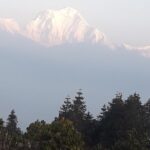
If you only do one short trek in Nepal and want serious “wow” without spending a week in the mountains, Poon Hill is hard to beat. The key is timing. You start early, climb to the viewpoint while the sky is still changing, and you get a wide sweep over the Annapurna and Dhaulagiri ranges. It’s the kind of view that makes you forget what time it is and what you wore on the trail.
What makes this trip feel worth your money is that it’s not just about the sunrise. The walk threads through villages and forests where everyday Nepal is happening. You’re staying in guesthouses (teahouses), eating meals at village spots along the way, and moving through communities known for hospitality in this Kaski District area. It’s a simple itinerary on paper, but the rhythm works: steady hiking, regular stops, and an “up then down” pattern that keeps energy reasonable.
The private setup also matters. Even if you share the general route with other trekkers, you’re not stuck with a confusing schedule or guessing what’s next. When you’re tired, a good guide’s pace and planning can be the difference between enjoying the day and just surviving it.
Key Highlights I’d Prioritize
- Poon Hill sunrise with Annapurna and Dhaulagiri panoramas, timed for that first light
- Teahouse village nights in a community-rich part of the Annapurna region
- A guide who explains as you walk, not just lead-and-go
- Pickup plus private round-trip transfers from Pokhara to the trailhead area and back
- Rhododendron forest trekking plus terraced fields and mountain views between villages
You can also read our reviews of more tours and experiences in Pokhara.
Getting Oriented in Pokhara: The Part You Usually Overlook
Most Poon Hill treks start with a scramble: buses, finding the right driver, figuring out where to begin. This one smooths that out. You get hotel pickup and drop off, plus round-trip transfer by private car as part of the package. That means you can focus on the trek instead of logistics.
Pokhara is also a nice “mental buffer.” Before you climb, you’re in a place where you can pick up last-minute hiking needs, get a sense of local weather, and settle your body. You’ll still start early on trek days, but the first day begins without the stress of navigating a long chain of transport.
One practical note: the first trekking day follows a drive from Pokhara to the general start area and then walking onward via places like Nayapul, Birethanti, and Hille before reaching Tikhedhunga. That early driving time is part of why the trek feels efficient.
Day 1 on the Trail: Tikhedhunga and the Start-of-Trek Climb
After the drive toward the trailhead area, you start trekking through Birethanti and Hille. From there you ascend into Tikhedhunga, with the day shaped around a gradual “wake up your legs” climb.
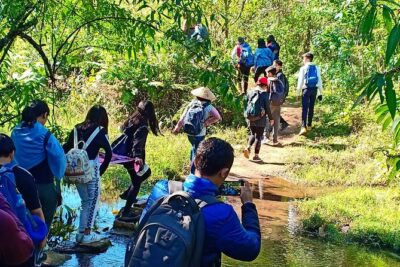
Tikhedhunga is your first overnight spot. It’s a good introduction day: you’re walking in villages, moving uphill, and getting used to the rhythm of the trail. Expect a mix of stone paths and local stairs depending on your exact route on the day. The goal isn’t speed. It’s to settle in and let your breathing find a steady pace.
If you’re sensitive to altitude, do not treat this as a cardio race. The first day is where your body learns how hard the climbs feel for you. Going too fast here makes sunrise day harder later.
Day 2 to Ghorepani: Ulleri Stairs and Rhododendron Forest Walking
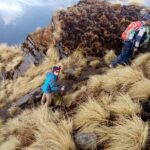
Day 2 has a known-feeling highlight: the steep stone staircase to Ulleri village. That’s the part people remember because it’s real uphill work, not a flat stroll.
After Ulleri, the trail shifts into rhododendron and oak forest stretches as you work your way onward to Ghorepani. Ghorepani sits in a great spot for the big morning ahead. You’ll likely find that the air and views feel different here than in lower villages, and that’s part of why trekkers keep returning to this route.
Overnight in Ghorepani is also smart for the sunrise plan. You’re already close to the viewpoint, so you’re not burning energy on a long uphill scramble before you even see the horizon.
Practical tip: on this day, pace the stairs carefully. Short steps, steady breathing. If you rush, you’ll pay for it the next morning.
Day 3: Poon Hill Sunrise and the Ghorepani to Ghandruk Shift
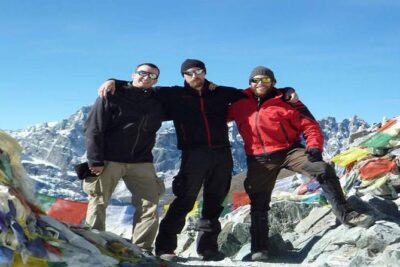
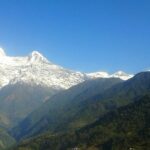
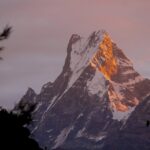
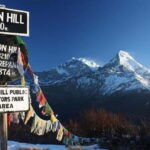
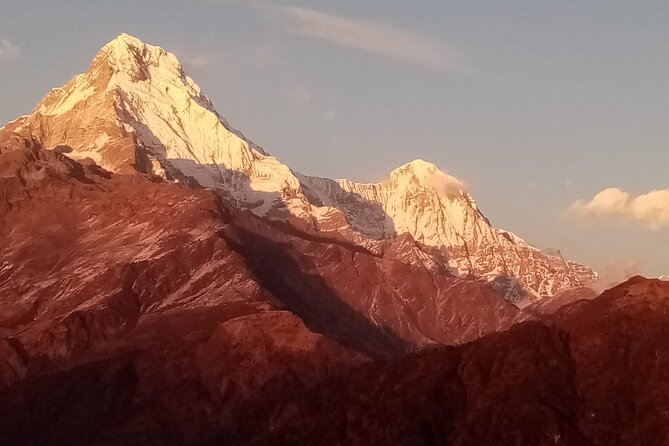
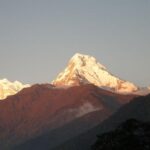
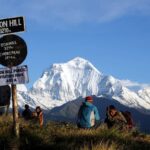
This is the main event day. You do an early morning hike to Poon Hill View Point to catch sunrise. The payoff is panoramic views over the Annapurna and Dhaulagiri ranges. You’re looking for changing light, the mountain silhouettes waking up, and the sense that the whole valley is holding its breath while the sky turns.
After sunrise, you descend back to Ghorepani and then continue trekking toward Ghandruk. The Ghorepani to Ghandruk section is described as about a 6-hour hike. That means you’ll want to treat sunrise as a reward, not a restart button. You still have distance and time ahead.
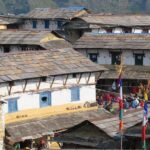
Ghandruk is a Gurung village, and it’s known in this region for hospitality. In practical terms, that usually means guesthouse life feels friendly and livable. You get the village rhythm: stairs, lanes, mountain-facing windows, and the comfort of having dinner and sleep waiting for you at night.
One consideration: early sunrise hikes can be cold. Bring layers you can manage on the move and that you can pull on quickly when you stop for photos.
Day 4: Downhill Return via Naya Pul and Back to Pokhara
On your final day, you hike downhill toward Naya Pul, then take a local bus back to Pokhara Lakeside, with drop-off at your hotel.
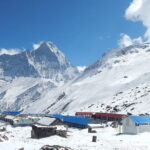
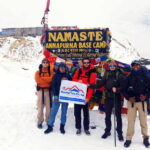
The trail here is described as downhills while you wave goodbye to big-name peaks like Annapurna I, Annapurna South, Dhaulagiri, Fishtail, and Himchuli. Even if you can’t see every peak from every angle, the experience is still about that slow release: leaving the ridge views behind and returning toward the river-and-road side of the region.
Crossing rhododendron forest stretches is part of the descent feel, and then you transition back into travel mode. Since you’re already on a fixed schedule, you’ll know where the day ends: Pokhara, a hot shower, and less time thinking about your next step.
The Guide Factor: Why This Trek Feels Safer and More Meaningful
This trip includes an English-speaking trekking guide, and the guide role seems to be the secret ingredient. In the feedback you provided, guides named Milan, Biru, Vikram, Sham, Amrit, and Bikram show up repeatedly for being patient, helpful, and good at explaining mountains and culture.
That matters for two reasons.
First, safety. When guides manage pace and footing, you spend less brainpower worrying and more enjoying the view. The trekking on this route includes steep sections and stair work, so a steady, calm presence helps.
Second, context. The route passes through Gurung and Magar community areas and through rhododendron and oak forests. A guide who can connect what you see to how people live here makes the trek feel grounded, not like a scenic corridor.
If you’re the type who likes small talks on the way up, you’ll probably enjoy how these guides share stories about local traditions and wildlife.
Teahouse Nights and Meals: Comfortable, But Plan Your Budget
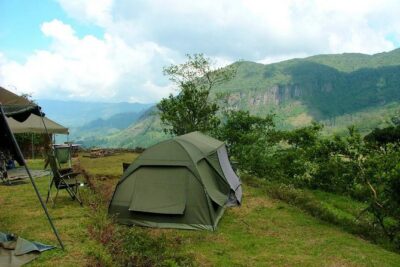
Accommodation is included as guesthouse/teahouse lodging for the trek nights. That’s one of the value points here: you’re not paying separate booking fees for beds.
Meals are not included. The info you provided suggests meals can be purchased separately, roughly US$28 per person per day. For budgeting, I treat meals as a real add-on, not an afterthought. This trek can be very “eat-when-you’re-hungry” simply because you burn calories. If you plan meals ahead, you won’t end up hungry, cranky, and negotiating soup at the bottom of a staircase.
What you can control: bring small snacks for long breaks, and drink enough water. The guides and the village guesthouses will handle the basics, but you’ll do better if you come prepared.
Price and Value: Is $240 Fair for a Private 4-Day Trek?
At $240 per person, this stands out as good value if you care about setup and not just walking. Why? Because the package includes:
- Hotel pickup and drop off
- An English-speaking trekking guide
- Trekking permit and TIMS card
- Round-trip transfer by private car
- Guesthouse accommodation
- This is private, meaning only your group participates
A cheaper option might leave you to handle more logistics yourself. The added cost of taxis, permits, and guide coordination can sneak up fast. Here, those core items are bundled, which makes it feel more predictable.
The main cost gap is meals, since they’re not included. Once you add meals, your total budget is still reasonable for a guided multi-day trek, but you’ll want to plan for that extra daily spend.
Who This Trek Suits Best
This trek fits well if you want:
- A short trek with a big payoff sunrise day
- Moderate hiking with village stays (not a technical climbing style)
- A guided experience with explanations and support
- A smoother start and finish thanks to pickups and private transfers
It’s likely not the best fit if you hate early mornings or if steep stairs make you nervous. But if you can handle some uphill work and you’re okay with cold early temps for sunrise, you’ll be in the right lane.
Things to Watch: Small Considerations That Matter
- Sunrise hikes mean early starts and cold, especially when you pause for photos. Layers matter.
- Some segments include steep stairs and uphill climbs. Pace yourself on Day 2 so you enjoy the rest.
- Meals aren’t included, so budget for them each day. It’s normal, just don’t assume it’s covered.
- Since this is a private trek, your group’s pace will set the rhythm. If your group is more relaxed, the guide can slow down; if you’re pushing, you still need breaks for safety.
Should You Book It?
Yes, I’d book this if you want the classic Poon Hill experience but with the comfort of private transfers and a guide who knows how to keep things smooth. The sunrise viewpoint is the headline, but what makes this itinerary feel complete is the village connection and the fact that your guide is there to explain what you’re seeing while you hike.
Book it if you’re okay with early mornings and you’re ready for some stair climbing. Skip it only if you’re looking for a fully flat “easy walk” or if sunrise starts sound miserable.
FAQ
How long is the Poon Hill trek from Pokhara?
The trek is listed as 4 days (approx.).
Does this tour include pickup and drop-off from my hotel?
Yes. Hotel pickup and drop off are included.
Where is the trek based?
The tour starts in the Pokhara area and includes trekking stops along the Poon Hill route, with return to Pokhara at the end.
Is the Poon Hill sunrise included?
Yes. An early morning hike to Poon Hill for sunrise views is included on Day 3.
Are permits included?
Yes. Trekking permit and TIMS card are included.
Are meals included in the price?
No. Meals are not included, and you can purchase them separately (about US$28 per person per day is suggested).
Is this a private trek or shared with other groups?
It’s private. Only your group participates.