REVIEW · POKHARA
5 Days Annapurna Mountain View Trekking from Pokhara, Nepal
Book on Viator →Operated by Nepal Mountain Club Pvt Ltd · Bookable on Viator
You get mountain views without the long slog. This 5-day Annapurna foothills trek mixes Poon Hill sunrise with rhododendron trails and Gurung culture in Ghandruk, all while keeping the climb manageable. I also like the private guide, because your group sets the pace on steep bits. One thing to think about: the first and last days tend to feel tougher than the middle, so plan for a slow burn at the start and a solid finish on Day 5.
If you’re basing your trip out of Pokhara, this is a smart shortcut into the Annapurna region. You’ll sleep in simple guesthouses for four nights, hike 4 to 6 hours most days, and get round-trip hotel pickup and private vehicle transfers. The trade-off is that meals are not included, so you’ll want to budget for food and drinks along the trail.
The early morning wake-ups are real here, especially the 4:00 am start for Poon Hill. That’s also when the trek rewards you most, with wide-open Annapurna views that make the effort feel worth it.
In This Review
- Key highlights that matter on the ground
- Entering the Annapurna foothills from Pokhara’s doorstep
- Day 1: Nayapul to Ulleri in about 5 hiking hours
- Day 2: Rhododendron forests to Ghorepani (about 6 hours)
- Day 3: 4:00 am to Poon Hill for sunrise, then down to Tadapani
- Day 4: Annapurna views, then Ghandruk’s Gurung village energy
- Day 5: Tadapani down to Nayapul, then back to Pokhara
- What you’re really paying for: price versus value at $380
- Private guide pacing: why it changes the whole feel
- Permits and transfers: the smooth part you’ll notice most later
- Food, altitude comfort, and packing for a 5-day route
- Who should book this Annapurna mountain view trek
- Should you book it?
- FAQ
- What time does the trek start from Pokhara?
- How long are the hikes each day?
- Is the trek private?
- Are meals included?
- Does the price include permits and park fees?
- Do I need to provide passport details?
- What do I need to book for photo requirements?
- How flexible is cancellation?
Key highlights that matter on the ground
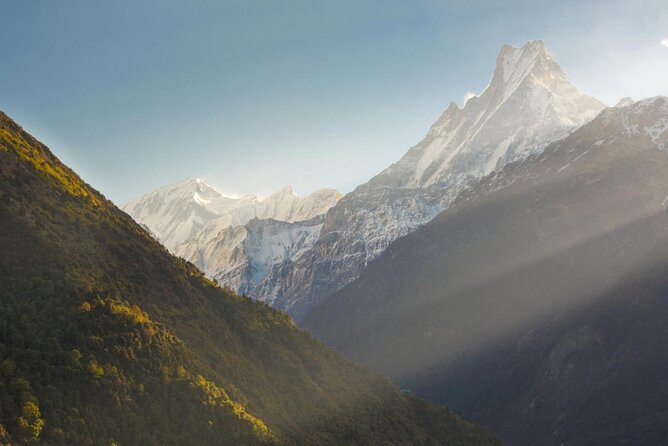
- Poon Hill sunrise at 3,210 meters with a fast hike to the viewpoint
- Rhododendron forests on the way to Ghorepani, great for shade and scenery
- Ghandruk and the Gurung culture museum, a meaningful break from pure hiking
- Private guide pacing for your group, instead of being dragged by a bigger group
- Private round-trip transfers between Pokhara and Nayapul, no hassle
Entering the Annapurna foothills from Pokhara’s doorstep
This trek is built for people who want the classic Annapurna experience but don’t want a two-week commitment. You start in Pokhara and drive to Nayapul, then begin walking almost right away. That means you get into the mountains quickly and spend most of your days hiking, not commuting.
The big value is how the route samples the Annapurna foothills in a short time. You’re not just chasing one viewpoint. You’ll move through Ulleri, climb through rhododendron forest toward Ghorepani, then hit the sunrise spot at Poon Hill, and wrap with Ghandruk. It’s a compact circuit that keeps variety high.
Also, because this is private, the pace and timing can feel more natural for your group. You’re less likely to feel like you’re stuck with people who walk slower or faster than you do. On a trek with early starts, that flexibility helps.
You can also read our reviews of more tours and experiences in Pokhara.
Day 1: Nayapul to Ulleri in about 5 hiking hours
Day 1 starts with a pickup at your Pokhara hotel at 8:00 am, then a scenic private drive to Nayapul that takes about 1.5 hours. After that, you begin your uphill climb to Ulleri. The hiking time listed is about 5 hours, and that’s a solid first day.
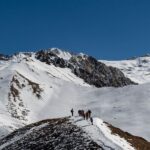
Ulleri is the kind of stop that helps your body settle in. The goal here is not to sprint. It’s to get your legs working before the bigger day-by-day effort of Days 2 and 3. Expect an honest climb and plenty of chances to pause, especially with your guide watching your pace.
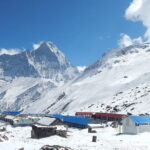
The overnight is at a guesthouse. That’s the normal trekking rhythm in this part of Nepal: simple rooms, shared common areas, and basic comfort. If you’re the type who wants a warm shower every night, just manage expectations. On short treks like this, guesthouse comfort is part of the deal.
Day 2: Rhododendron forests to Ghorepani (about 6 hours)
You start Day 2 at 8:00 am and hike for about 6 hours to Ghorepani. The route goes through rhododendron forests, which you’ll feel in the air and underfoot. If you like trails that aren’t just dust and stone, this is where the forest setting helps.
Ghorepani is a key base on the Annapurna side for one reason: it puts you close to Poon Hill without needing a long day of hiking just to reach the viewpoint. You’ll arrive, settle in, and get ready for the early push the next morning.
This is also a day where your private guide’s pace matters. With only 5 days total, wasting time is easy. A good guide helps you keep a steady rhythm without burning out. That way, Day 3 starts with you feeling ready, not cooked.
Day 3: 4:00 am to Poon Hill for sunrise, then down to Tadapani
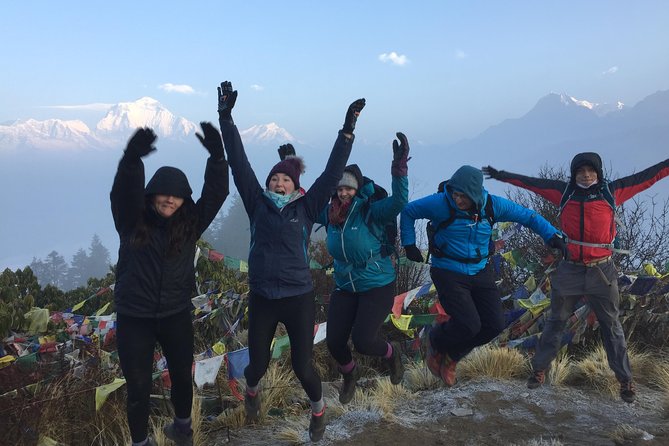
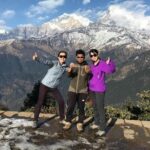
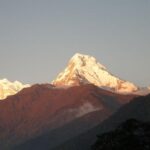
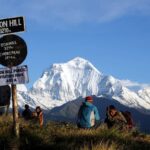
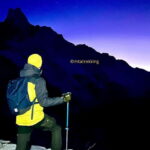
Day 3 is the iconic one. You’ll begin trekking at 4:00 am, hike about 45 minutes to Poon Hill, and watch sunrise over the Annapurna mountains from a viewpoint at 10,532 feet (3,210 meters). Then you descend back to Ghorepani and continue down to Tadapani, about 5 hours of total walking after the viewpoint.
That 4:00 am start is the kind of thing you plan for, not the kind of thing you wing. Bring warm layers even if daytime feels mild, and keep your headlamp or phone light handy if you’re moving in the dark. This is the day that turns a normal trek into a memory you’ll want to replay later.
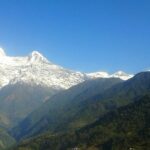
What I like about the structure is that you’re not stuck walking all night. The sunrise hike is short enough to be doable. The payoff is huge: you’re looking at a broad sweep of peaks, not just a small peak behind a rock face.
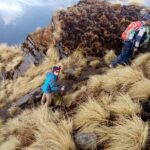
After sunrise, the trek turns practical. You head back down toward Ghorepani, then continue to Tadapani for the night. Tadapani is a calmer end to the day, but the legs usually feel it. Descents work your knees, and doing it after a very early morning means you’ll want to keep your footing careful.
Day 4: Annapurna views, then Ghandruk’s Gurung village energy
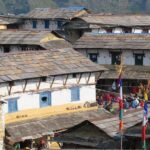
Day 4 starts with views of the Annapurna mountains from where you are, then you continue trekking down to Ghandruk in about 4 hours. Ghandruk is famous in this region as a Gurung village, and that matters because you’re not only hiking—you’re also meeting the people who live here.
Once you arrive, you’ll explore the village, interact with locals, and visit a Gurung cultural museum. That museum visit is a strong value-add on a trek that otherwise can feel like a string of viewpoints. It gives context for what you’re seeing and why certain paths and traditions exist around the trails.
The guesthouse night on Day 4 brings the trek back to basics: sleep, food you can buy locally, and a chance to recover before the final walk out. This is one of those days where the “rest day” is really cultural, not physical. You’ll still be walking and moving, but it’s a different kind of energy than the steep climbs.
Day 5: Tadapani down to Nayapul, then back to Pokhara
On Day 5, you trek down to Nayapul in about 5 hours. After you reach Nayapul, you drive back to Pokhara and drop off at your hotel.
This day can feel long because it’s both your last hiking day and a descent day. The good news is that it’s the easiest kind of “work” to mentally prepare for: you can focus on finishing strong rather than pushing upward. Still, it’s worth knowing that the last day is often one of the tougher ones for people who are eager to be done. Your body may not care that it’s the final stretch.
Once you’re back in Pokhara, you’ll likely feel the trip settle in: sore ankles, tired calves, and that satisfied calm that comes after a short but real trek.
What you’re really paying for: price versus value at $380
At $380 per person, this trek isn’t a budget-only option, but it also isn’t an inflated, luxury-style price. The value comes from what’s bundled.
You’re getting:
- four nights in guesthouses (as per the itinerary)
- a professional guide for the full trek
- permits and national conservation park fees (TIMS and permits)
- hotel pickup and drop-off in Pokhara
- round-trip private transfers by private vehicle
- private tour service
The biggest savings for many people is time and hassle. You don’t have to arrange permits or manage transportation details between a city base and a trailhead. Your guide takes care of the paperwork side, and that alone is worth something when you’re juggling travel schedules.
The one cost you must budget separately is food and drinks. The listing is clear: meals are for purchase. That’s normal on teahouse treks, but it means your final spend depends on your appetite and how often you stop for drinks or snacks.
And remember the weather reality: this trek is described as avoiding extreme temperatures and harsh altitude challenges, but you still have early mornings and real trail walking. You’re paying partly for comfort and coordination, not just miles of trail.
Private guide pacing: why it changes the whole feel
A private guided trek can sound like a luxury add-on, but here it’s practical. Your guide can adjust the pace to your group, help manage energy across steep stretches, and keep the day flowing without bottlenecks.
One of the underrated parts of a short 5-day itinerary is that there’s no room for bad timing. If your group goes out too fast on Day 1 or Day 2, you’ll feel it at the Poon Hill sunrise start. If you move too slow early, you might rush later. Private pacing helps balance the whole arc.
You’ll also get ongoing information from your guide during the trek. Even when you’re just walking, a guide helps you connect the dots—what you’re seeing, how to interpret the terrain, and what to expect at each turn.
Permits and transfers: the smooth part you’ll notice most later
This trek includes permits and national conservation park fees (TIMS and permits), and it also includes hotel pickup and drop-off plus round-trip transfers. In practice, that means fewer moving pieces for you.
The only real admin you need to do before you go is send passport details for everyone in your group, including passport number, expiry date, and country. You also need a digital passport-size photo prior to the trip. You don’t have to figure out how to submit those items if you work through the booking process, but it’s still a task you should complete quickly so your confirmation goes smoothly.
Once you’re on the ground, you’re spared the logistical headache of finding transport at trailhead time. The private drive to Nayapul (about 1.5 hours) makes Day 1 start feel cleaner, and the return on Day 5 means you’re not stranded when you finish.
Food, altitude comfort, and packing for a 5-day route
Food is simple: you buy it along the way. That means you should treat the guesthouse meals as part of the trekking experience, not an included service. If you have dietary restrictions, you’ll want to communicate early and be ready to adjust based on what’s available in each stop.
On altitude, the trek description is reassuring: it’s designed so you don’t need extreme altitude or long durations to enjoy the Annapurna range. Still, Poon Hill is at 3,210 meters. That’s not “no altitude,” so don’t treat it casually. Take it slow on Day 3 approach, hydrate, and pay attention to how you feel during the early morning.
Packing-wise, the data points that matter most are the early 4:00 am start and the multi-hour hiking days. Bring layers, water, and something to protect yourself from wind on viewpoint time. Comfortable hiking shoes matter more than you think when you’re doing descents on Day 3 and Day 5.
Who should book this Annapurna mountain view trek
This is a great fit if:
- you want Annapurna views without committing to a 10+ day trek
- you prefer a private guide and a pace that matches your group
- you like mixing viewpoints with cultural time in Ghandruk
- you’re okay paying for meals rather than having everything packaged
It may not be ideal if you’re chasing a perfectly easy walk. The first day’s climb to Ulleri and the final descent toward Nayapul can feel heavy. One past review flagged that the first and last days were the worst, even though Poon Hill and the climb to it were the best moments. That tracks with how most short trek itineraries work: the “bookends” often get the rougher attention.
If you’re used to hikes and want a focused intro to the Annapurna region, you’ll likely enjoy this route a lot.
Should you book it?
If your goal is classic Annapurna scenery in 5 days—plus Poon Hill sunrise and Ghandruk culture—this trek is a strong choice. The biggest reason is not just the mountain views. It’s the amount of coordination you get: permits, transfers, and a private guide, all wrapped into one price.
Book it if you want a manageable trek length, you don’t mind buying meals along the way, and you can handle a very early morning for sunrise. Skip it if you’re looking for the easiest hiking vacation possible, because the first and last days will ask for effort even when the trail is well paced.
FAQ
What time does the trek start from Pokhara?
The pickup from your Pokhara hotel is scheduled for 8:00 am, then you drive to Nayapul before starting the trek.
How long are the hikes each day?
The listed hiking times are about 5 hours on Day 1 (to Ulleri), about 6 hours on Day 2 (to Ghorepani), about 45 minutes for the Poon Hill viewpoint on Day 3 plus about 5 hours of continued hiking to Tadapani, about 4 hours on Day 4 (to Ghandruk), and about 5 hours on Day 5 (to Nayapul).
Is the trek private?
Yes. It’s a private tour/activity, and only your group participates.
Are meals included?
No. Food and drinks are not included, but you can purchase them along the trek.
Does the price include permits and park fees?
Yes. TIMS and national conservation park fees are included.
Do I need to provide passport details?
Yes. You need passport name, number, expiry date, and country at the time of booking for all participants.
What do I need to book for photo requirements?
A passport-size digital photo is required prior to the trip for all participants.
How flexible is cancellation?
Free cancellation is available up to 24 hours in advance of the experience start time for a full refund. If you cancel less than 24 hours before, the amount paid is not refunded.