REVIEW · KIGALI
One Day Gorilla Trekking Rwanda & Iby’iwacu Cultural Village
Book on Viator →Operated by Afri Safaris · Bookable on Viator
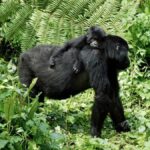
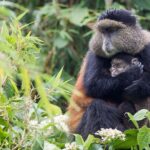
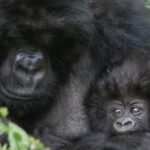
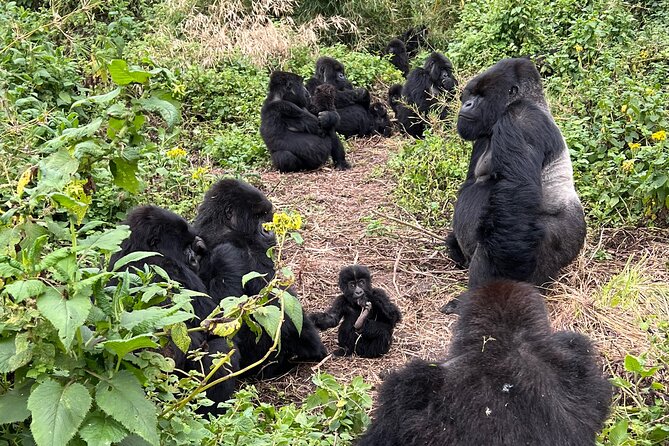
Gorillas feel close enough to touch. Seeing mountain gorillas in Volcanoes National Park is a rare kind of day: you’re far more aware of your surroundings than usual, including the very real smell you’ll notice once you’re near them. What I like most is the close-up gorilla tracking guided by Rangers, plus the way the day continues with Iby’iwacu Cultural Village, a place built around the stories of former poachers who changed their lives.
There’s one key consideration: the trek is physically demanding for some people, and some gorilla families are located deeper than others based on age and fitness. Also, the headline fee for gorillas (the permit) is not part of the $300 tour price, so you’ll want to budget that separately.
In This Review
- Key things to know before you go
- Kigali to Volcanoes National Park: getting there fast, on purpose
- The 7:00am briefing: your gorilla rules start before you enter the forest
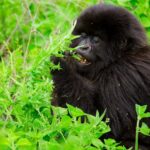
- Gorilla trekking: what you’ll actually notice once you’re near them
- Iby’iwacu Cultural Village: culture with a conservation purpose
- Migano Cafe in Musanze: a short lunch break done right
- Transport, permits, and value: where your money actually goes
- Who should book this gorilla day trip, and who might rethink it
- Should you book One-Day Gorilla Trekking Rwanda & Iby’iwacu?
- FAQ
- What does the $300 per person price include?
- Is the gorilla permit fee included in the tour price?
- How long does the tour take?
- Do you get picked up in Kigali?
- What happens before gorilla trekking begins?
- How long are you at Iby’iwacu Cultural Village and Migano Cafe?
- What fitness level do I need?
Key things to know before you go
- Early Kinigi briefing at 7:00am sets you up with rules for gorilla behavior and what to carry
- Assigned gorilla family is chosen with your age and fitness in mind, so the day fits you better
- 4×4 transport with WiFi helps you stay connected on the ride from Kigali
- Iby’iwacu is an ex-poachers village experience and includes culture, dances, and daily-life demonstrations
- Lunch at Migano Cafe (Musanze) keeps a tight schedule moving after trekking
Kigali to Volcanoes National Park: getting there fast, on purpose
This is a day trip designed for people who are staying in Kigali and still want the real gorilla experience without adding extra days. The day starts early. Plan to wake up, sort breakfast, and be ready when your driver picks you up.
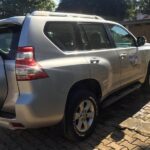
From Kigali to Volcanoes National Park, expect roughly a 2 to 2.5 hour drive with a local expert and driver guide. You’ll travel in a 4×4 Land Cruiser or an open-roof safari vehicle, and the vehicle includes WiFi, which is handy when you’re checking in with family back home or reading something while the countryside rolls past.
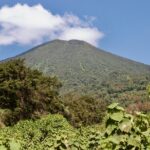
One detail I’d bet you’ll appreciate is how the transfer feels like part of the experience, not just transit. In particular, guide Ben stood out for many people for the way he kept the ride upbeat, including music in the car and thoughtful stops along the way to take photos of the volcano views.
You’re also not stuck in a huge crowd. This is listed as private, meaning only your group participates. That matters when timing and comfort are tight, especially on a long day that includes a forest trek and a cultural visit.
You can also read our reviews of more tours and experiences in Kigali.
The 7:00am briefing: your gorilla rules start before you enter the forest
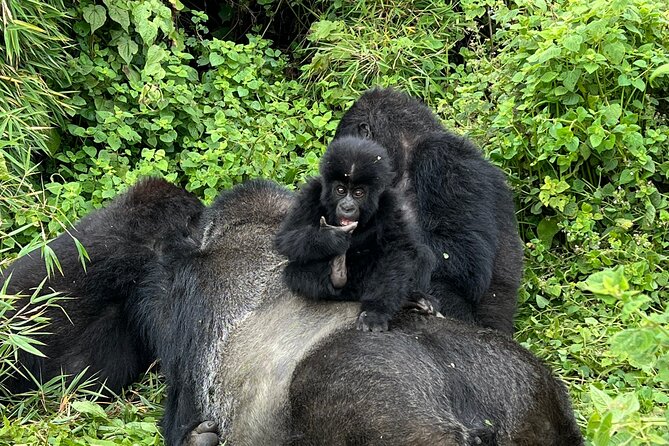
Before tracking begins, you head to the Rwanda Development Board (RDB) headquarters in Kinigi for a briefing. The plan is to arrive for briefing by 7:00am, where you meet your fellow participants and the Rangers who will be leading your gorilla trek.
This briefing is not just paperwork. It’s where you’ll get the core behavior guidance for being around gorillas, what you should expect, and what to carry for the trek. If you’ve never tracked mountain gorillas before, this is where you’ll learn how to avoid mistakes that could slow everyone down.
The briefing is also when your gorilla family gets assigned. Your assignment considers your overall fitness and age, because the different gorilla groups are located at different depths in the park. In other words, your experience isn’t one-size-fits-all; the program tries to match you to a family and route that makes sense for your day.
Gorilla trekking: what you’ll actually notice once you’re near them
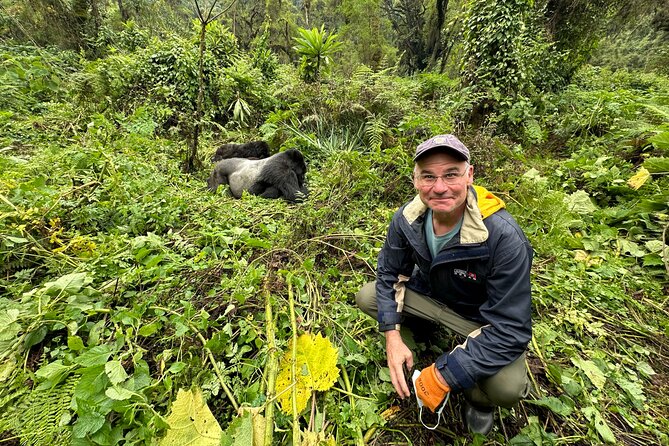
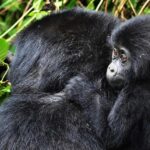
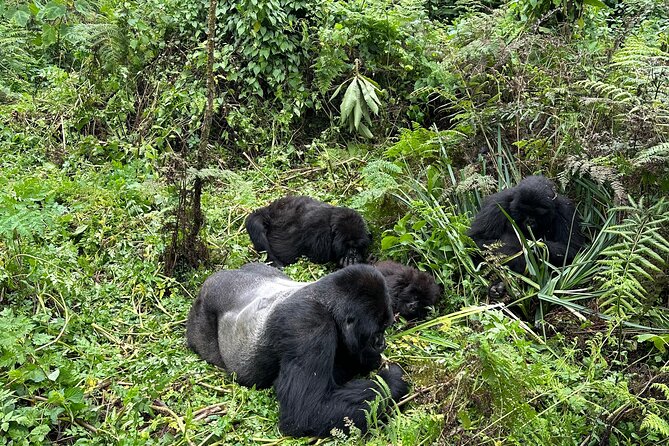
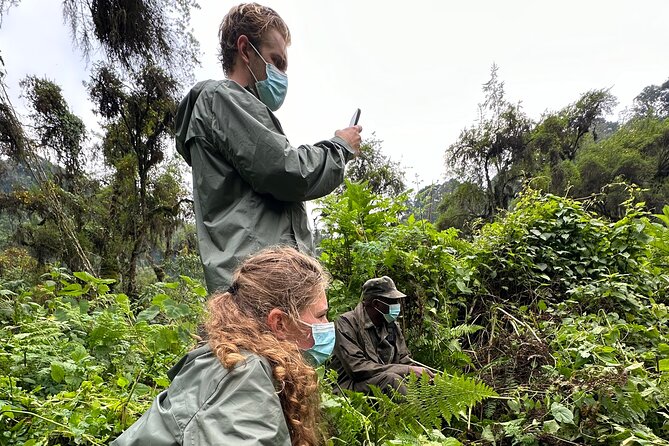
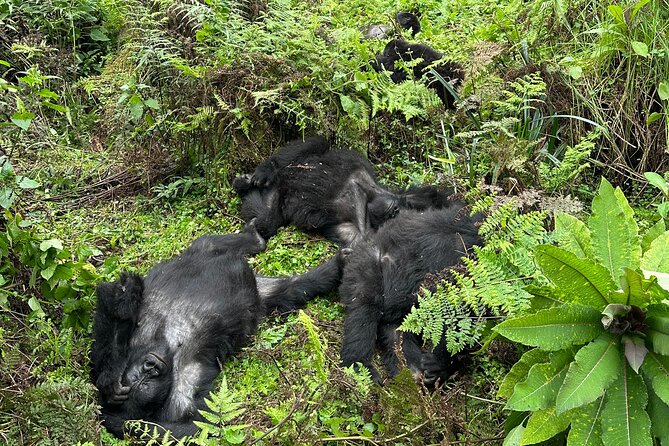
Once you start tracking, you’ll follow the Rangers. You should expect the day to feel humbling in a very specific way. Mountain gorillas are not “a photo opportunity” at a distance. The program is designed so you get close enough that you notice the reality of being there.
The first shock for many people is sensory, not visual. You can smell them up close, described as a sweaty, sickly-sweet gorilla odour. It’s not the kind of thing you can prepare for with facts alone, but knowing it’s part of the experience helps you stay calm and not be surprised if the forest suddenly gets very human-body-close.
And then comes the emotional hit. There’s a strong sense of connection once you realize the genetic link—mountain gorillas share about 98% of their DNA with humans. That doesn’t make the encounter less wild or less respectful; it usually does the opposite. It makes you more careful with your behavior and more aware that you’re in their world, not the other way around.
Practical advice that matters most here is simple: listen to the Rangers during tracking and stay within the behavior rules from the briefing. With gorilla groups, the “how close” and “how you act” are controlled for safety and for the animals. You’ll get a better experience when you treat the rules as part of the magic, not as restrictions.
One more reality check: this is listed as requiring moderate physical fitness. Some people find the trekking fine once they start moving; others feel the pace more than expected. Since gorilla families can be deeper for certain groups, you’ll want to be honest about your ability on the day you book.
Iby’iwacu Cultural Village: culture with a conservation purpose
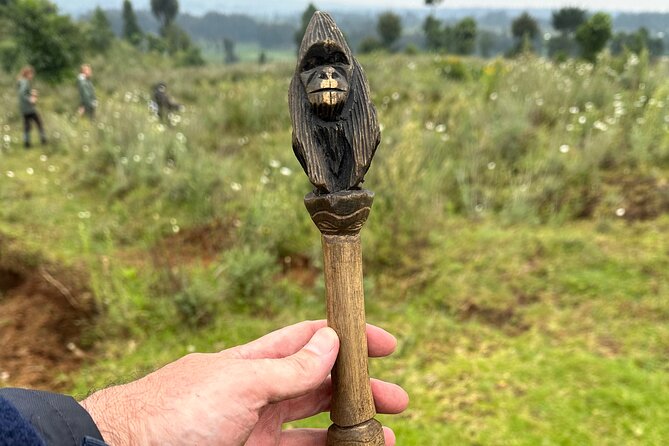
After gorilla trekking, the schedule moves you to Iby’iwacu Cultural Village. You’ll have about 45 minutes here, which is enough time to learn the basics, watch performances, and ask questions without turning it into a long-school-tour.
Iby’iwacu is built around ex-poachers—people who previously stole wildlife due to poverty and hardship, then stopped poaching and shifted into protecting and teaching others. That background matters because it turns a “cultural show” into something more grounded. You’re not just watching traditions; you’re meeting a community with a direct link to Rwanda’s conservation story.
What makes the village experience valuable is the mix of daily life and culture. You’ll see traditional village houses and daily routines, along with traditional dances and what people wear, including dressing code elements. You’ll also learn about food, herbs, and how ancient kingdoms were generally organized. The idea is to give international visitors a sense of what life looks like in a typical African village setting, not as a museum piece but as a living demonstration.
The best way to enjoy this stop is with curiosity. Ask about what changed for the ex-poachers and how the village helps them sustain their lives now. It’s one of those experiences where the details land more when you treat it like a human story, not a checklist.
Migano Cafe in Musanze: a short lunch break done right
After the village, you’ll head to Migano Cafe in Musanze for lunch. This is another 45-minute stop, and the structure is straightforward: you choose a hot lunch from the menu.
Even though lunch is short, it’s included in the package, along with coffee and water. That matters for two reasons. First, after trekking, you’ll be ready for something real. Second, you don’t have to manage money or timing on the fly while you’re already keeping up with the day’s schedule.
A practical tip: keep your expectations aligned with the time. This isn’t a slow sit-down meal. It’s a refuel-and-go lunch, which is exactly what you want when the morning started early and the main event already happened.
Transport, permits, and value: where your money actually goes
The advertised tour price is $300 per person, booked about 85 days in advance on average. For that price, you’re not just paying for a guide and a car. Your package includes several pieces that can add up fast when you price them separately.
Included highlights:
- Gorilla permit application (the paperwork side)
- Professional driver guide through Afri Safaris
- 4×4 transport (Land Cruiser or open-roof safari vehicle) with WiFi
- A gorilla trekking certificate
- Lunch and coffee/water
- Iby’iwacu Cultural Village fee
The big cost to know: the gorilla permit fee is not included. For international visitors, it’s listed as $1500 (Africans $500; Rwandans and EAC $200). So your real “all-in” number depends on your permit category, and the day can feel expensive only because the permit is expensive.
That said, value-wise, you are getting more than the permit-holder experience. You’re getting:
- transport that’s built for getting you there early enough,
- a guided briefing and professional handling,
- an organized cultural stop afterward, and
- a packed day that works for Kigali schedules.
In other words, the $300 part is the logistics and support. The permit is the main gate fee to the forest. If you’re budget-minded, this is the best way to think about it: you’re paying extra to remove hassle and increase your odds of a smooth day.
Who should book this gorilla day trip, and who might rethink it
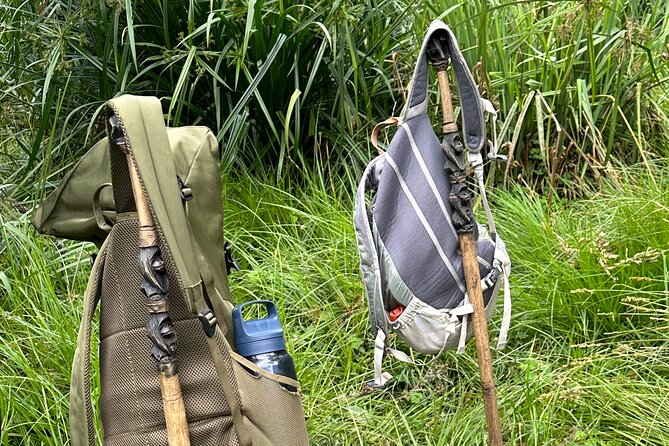
This is a strong fit if you:
- are based in Kigali and want a full day plan without staying in the park area,
- have moderate physical fitness and can handle trekking in the forest,
- want a guide-led day with a briefing and Ranger leadership, not guesswork,
- like having a second act that’s connected to Rwanda’s story (Iby’iwacu), not just a drive back.
It’s worth reconsidering if:
- you’re not comfortable with physical activity and a deeper route possibility for some gorilla families,
- you’re traveling purely on a tight budget and the separate permit fee will be a shock,
- you prefer long, unhurried stops; the schedule is tight by design.
Also, if you care about the tone of the day, look for how you’ll connect with your driver guide. Guide Ben’s vibe and attention to small moments like photo stops made people feel like the day had warmth, not just routine movement.
Should you book One-Day Gorilla Trekking Rwanda & Iby’iwacu?
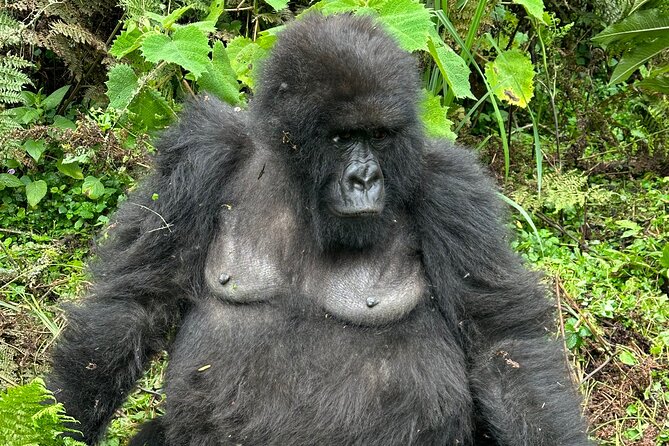
If you want the gorilla encounter with solid structure, this is the kind of day trip that makes sense. The combination works: the morning is about the forest and Ranger guidance, and the afternoon gives you a human, conservation-linked cultural experience at Iby’iwacu, followed by a practical lunch stop.
I’d book it if you’re excited by close-up wildlife and you’re okay with an early start and moderate physical effort. I’d hesitate only if the separate permit fee would strain your budget or if you know you can’t handle the trek pace.
FAQ
What does the $300 per person price include?
The package includes gorilla permit application, a professional driver guide by Afri Safaris, 4×4 transport (Land Cruiser or open-roof safari vehicle with WiFi), a gorilla trekking certificate, lunch plus coffee and water, and the Iby’iwacu Cultural Village fee.
Is the gorilla permit fee included in the tour price?
No. The gorilla permit fee is not included. The permit fee is listed as International $1500, Africans $500, and Rwandans & EAC $200.
How long does the tour take?
The experience runs about 6 to 10 hours.
Do you get picked up in Kigali?
Pickup is offered, and the transfer starts and ends in Kigali.
What happens before gorilla trekking begins?
You’ll go to the RDB headquarters in Kinigi for a briefing by 7:00am. You meet other tourists and Rangers, learn how to behave around gorillas, what to expect, and what to carry for tracking.
How long are you at Iby’iwacu Cultural Village and Migano Cafe?
Iby’iwacu Cultural Village is about 45 minutes, and lunch at Migano Cafe is also about 45 minutes.
What fitness level do I need?
The experience notes moderate physical fitness. Your gorilla family is assigned with your overall fitness and age in mind, since some gorilla groups are located deeper in the park.