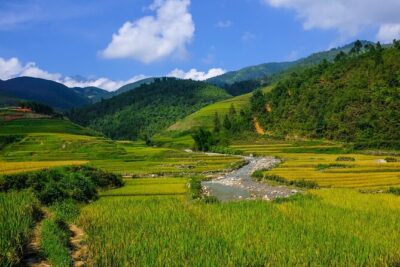
REVIEW · LAO CHAI VILLAGE
From Sapa: Full-Day Trekking Tour Lao Chai & Ta Van Villages
Book on GetYourGuide →Operated by Tinny Travel Co.Ltd · Bookable on GetYourGuide
One muddy path and one big view can change your day in Sapa. This full-day trek from Lao Chai to Ta Van is a practical way to see how ethnic communities live in the Sa Pa Valley, while staying on a guided route with English support.
I especially like two things: the focus on village life and traditional costumes (Black H’mong and Red Dao areas), and the way the walk follows the rice terraces and Muong Hoa Stream for constant photo-worthy scenery. The main drawback to plan around is footing—some sections can get slippery and muddy, and when you pass through busy village paths you may encounter extra people trying to sell items, which can feel uncomfortable.
In This Review
- Quick hits before you go
- Entering Sapa on the right track: pickup, timing, and what the day feels like
- From Y Linh Ho to the Muong Hoa Valley: the part where you earn your photos
- Lao Chai: Black H’mong village life you can actually read (not just look at)
- The middle of the trek: pacing, lunch, and how to avoid getting rushed
- Ta Van Village: stilt houses, terrace views, and a calmer rhythm
- Mud, shoes, and the real-world factors that affect comfort
- English guide + small group: what that changes for your experience
- Price and value: why this $23 trek can be a smart use of a Sapa day
- Who should book this trek, and who should skip it
- Should you book this Lao Chai and Ta Van full-day trek?
- FAQ
- How long is the trekking tour?
- Where does pickup happen?
- Are the guides English-speaking?
- How big is the group?
- What villages are included in the trek?
- Is lunch included, and what kind is it?
- What’s included in the price?
- What should I bring for the trek?
- Is the tour wheelchair-friendly?
- Is free cancellation available?
Quick hits before you go
- Small group (limited to 10) means you’re more likely to stay together and move at a human pace
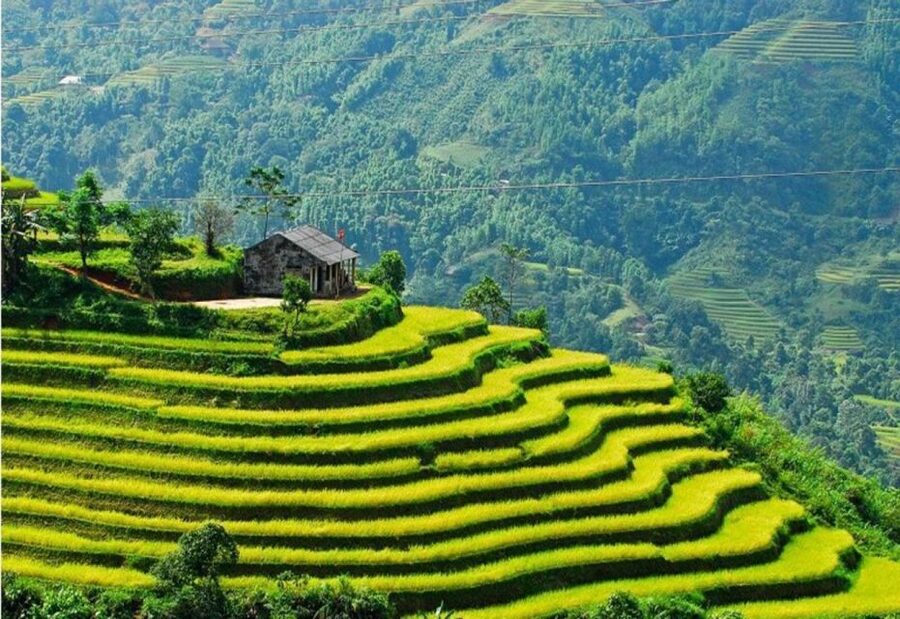
- Muong Hoa Valley and Hoang Lien Son views show up repeatedly during the hike
- Black H’mong and Red Dao village stops give you context for what you’re seeing
- Roughly 8 km walking to Ta Van makes this a real trek, not just a stroll
- Picnic lunch + village entrance fees included help this feel like good value
- Mud is real here—plan shoes and socks like it’s part of the itinerary
Entering Sapa on the right track: pickup, timing, and what the day feels like

This tour is built for a morning start, with pickup around 8:15–8:30am from hotels in Sapa or from the meeting point/office area. That timing matters. You’ll reach the first hiking area in the morning when the trails tend to be less crowded and the light is better for photos across the terraces.
The day then runs as a smooth sequence: a short walk out of Sapa to start, guided trekking through terrace country, village visits, a lunch break, then a shorter walk back to catch the bus into Sapa town by mid-afternoon. Even if you’re not a hardcore hiker, the itinerary is clearly designed around a steady rhythm—walk, stop, talk, walk again—so you’re not left wandering without context.
If you want an efficient Sapa day that doesn’t require map skills, this structure is a big part of the appeal: you get a route, a guide, and set moments to photograph and ask questions.
From Y Linh Ho to the Muong Hoa Valley: the part where you earn your photos
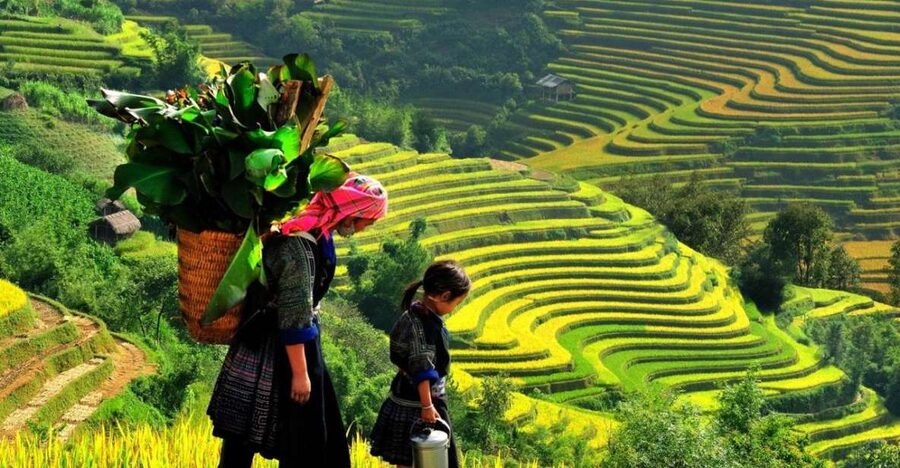
You start from Sapa town and walk about 1.5 km to reach the first destination area: Y Linh Ho village. It’s not far, but it’s enough to get you into the walking mindset before the longer sections begin.
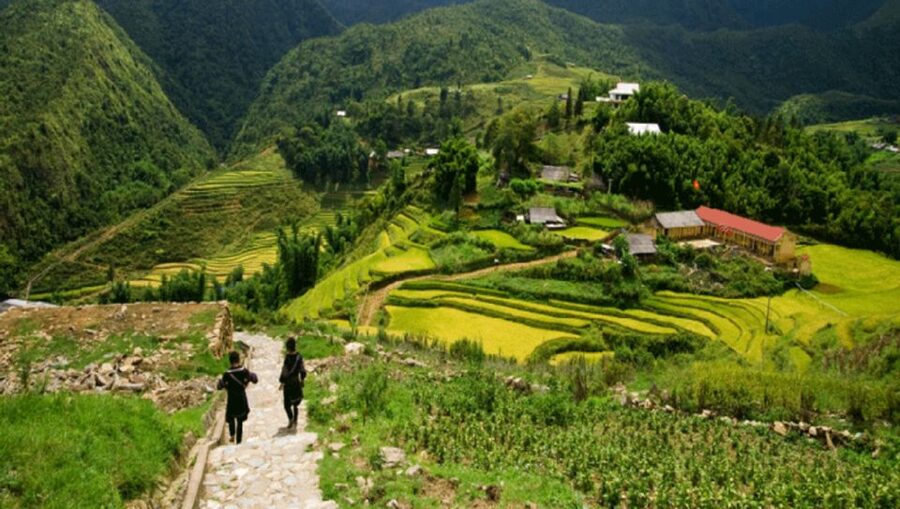
From there, the hike follows the rice terraces along Muong Hoa Stream, which is where the day starts feeling like the real Sapa. The stream-side walking tends to create that constant rhythm—one step, then terraces, then a view that pulls your eyes forward again. Your English-speaking guide helps connect what you’re seeing to how people earn a living on the slopes.
This is also a photo-stop type of stretch. The itinerary includes a Muong Hoa Valley photo stop and guided viewing, so you’re not expected to find the best angles by yourself. The value here is that your guide can point out what matters: how terraces are used, why paths run where they do, and what to look for as you move toward the villages.
Practical consideration: the first half can be the trickiest if the ground is wet. Trails here may be muddy, and that can slow your pace more than distance alone. If you’re sensitive to slippery footing, bring shoes with real grip.
Lao Chai: Black H’mong village life you can actually read (not just look at)
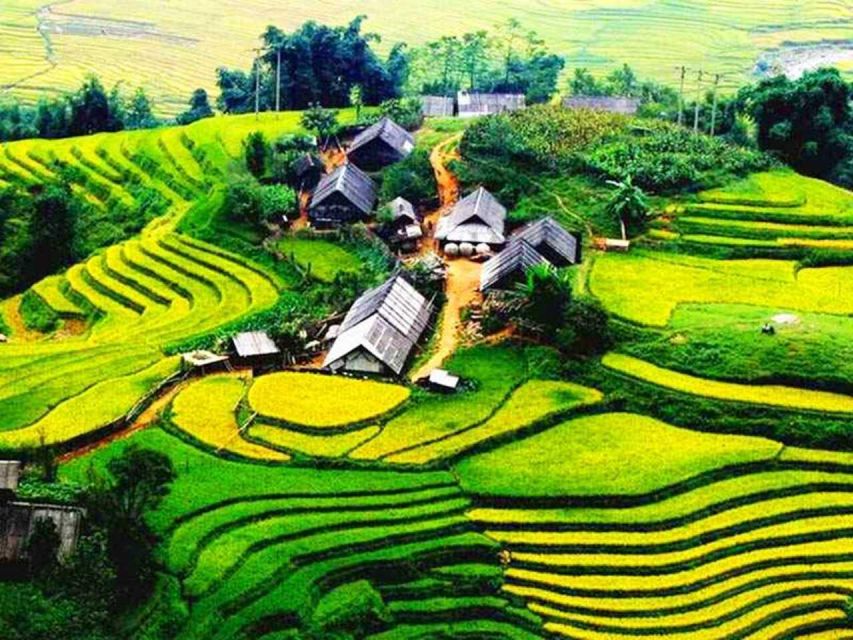
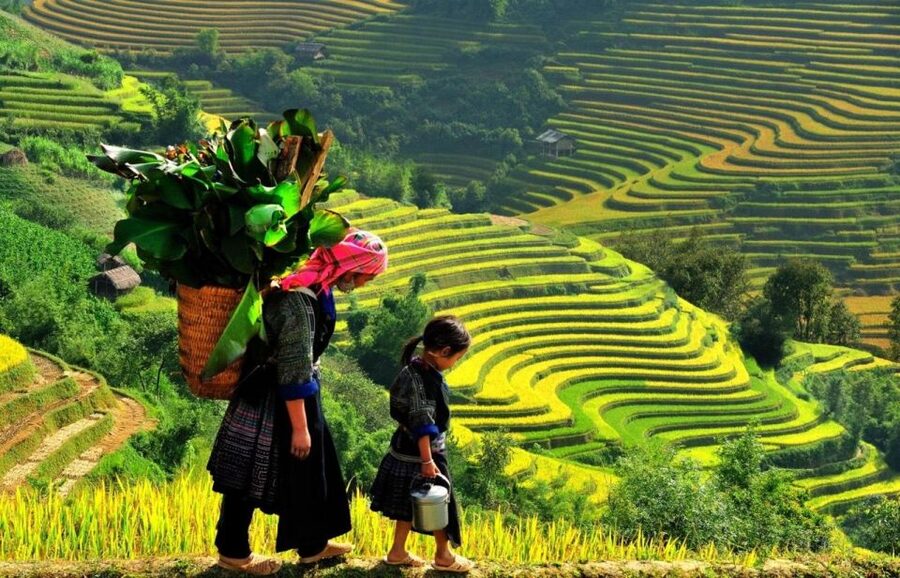
After the early walking, you reach Lao Chai village, associated with the Black H’mong community. This is the heart of the cultural side of the trek. You’re not just passing through scenery; you’re stopping long enough to see daily life at human scale—homes, everyday activity, and the presence of traditional clothing that makes it easier to notice differences between groups.
The itinerary sets you up with guided time in Lao Chai, with another photo-stop moment during the approach and then time to explore with your guide. What you’re learning here is more than visual. The guide helps you understand livelihoods and how the villages fit into the terrain. That’s the difference between a view and a meaningful visit.
One thing I really like about Lao Chai as a stop is how the trek design leads you there. You’re already walking through terraces and along the stream; then the village appears as part of the same system. You can connect the work (growing food on slopes) to the place where people live. You start seeing the hills as infrastructure, not just a backdrop.
And yes, the views toward Hoang Lien Son can be spectacular here, especially when you’re looking across layered terrace lines. But the best part is the conversation component—your guide is there to translate what you might otherwise miss.
The middle of the trek: pacing, lunch, and how to avoid getting rushed
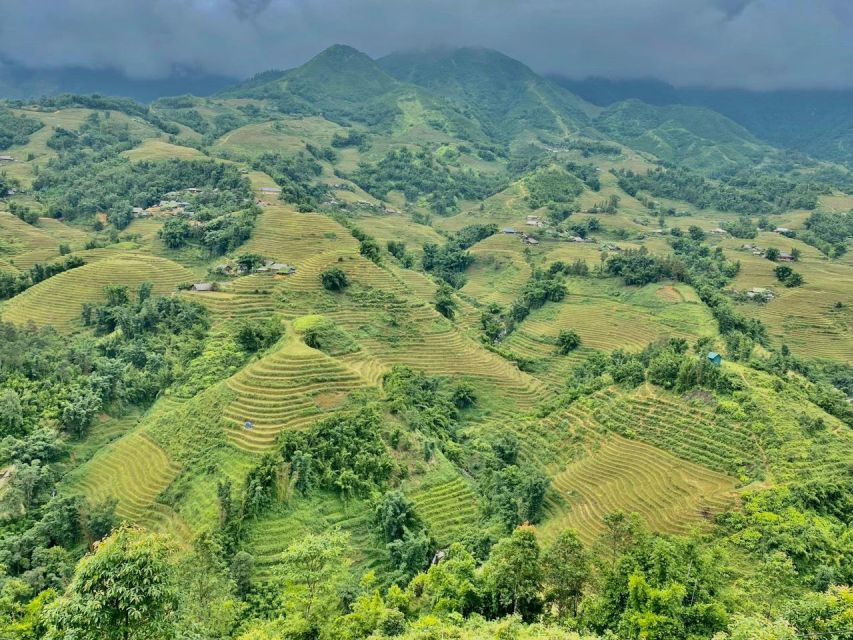
You’ll walk for about three hours (around 8 km) to arrive at Ta Van Village. That’s long enough that lunch becomes more than a break—it’s part of keeping the day enjoyable.
Before that arrival, you’re moving between village areas and terrace paths. This is where some discomfort shows up, mostly from mud or slick footing depending on conditions. When your legs are tired, tiny trail issues become big ones. So treat the guide’s stop points as part of the plan, not optional extras. If you’re offered time to adjust shoes or take a breath, take it.
Lunch is included, and it’s served at a local restaurant around 12:30pm. The tour description calls it a picnic lunch, so plan to eat something straightforward and practical rather than expecting a fancy, long-course meal. For me, that’s a good thing. The goal is to refuel and keep moving so you still have energy for the afternoon village walk.
If you’re worried about timing, it helps to know the schedule includes a bus return window later in the afternoon, so you’re not stuck waiting for hours. Still, build in a little patience. In Sapa, multiple groups can be on similar routes.
Ta Van Village: stilt houses, terrace views, and a calmer rhythm
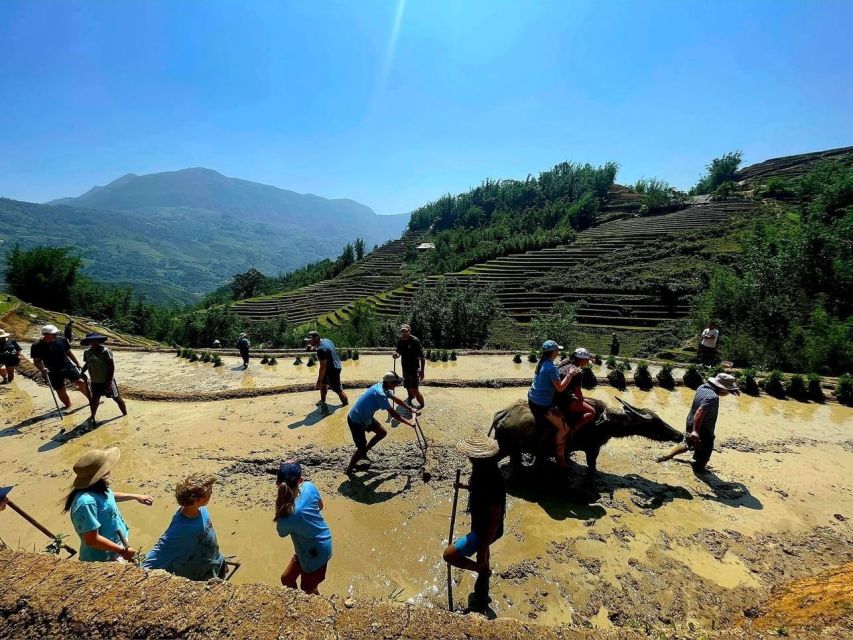
After lunch, the tour takes you on about a 1 km walk to return toward the bus area in Sapa town. But before that, there’s the main afternoon stop: Ta Van Village.
The itinerary gives Ta Van a photo stop, guided tour, and sightseeing time. This is where you can shift from “watching the hike” to “walking at village pace.” You’ll spend time viewing terraced fields and the stilt houses that are part of the area’s architecture. It’s one of those places where the built environment makes sense immediately once you look around. On steep terrain, raising houses is practical, and you can see that logic in the layout.
You’ll also have the guide helping you connect what you see to how communities live. The overall trek focuses on ethnic peoples’ traditions and day-to-day life, so Ta Van isn’t a random add-on. It’s the second village that changes what you notice: earlier you learn about Lao Chai and Black H’mong life; here you see the terrace farming and architecture in a different setting.
One helpful tip for the afternoon: if the day feels crowded at the trail edges, shift your attention. Stop looking only for the next photo spot and start noticing details like how the terraces are organized, how paths connect fields to homes, and how people move through shared space.
Mud, shoes, and the real-world factors that affect comfort
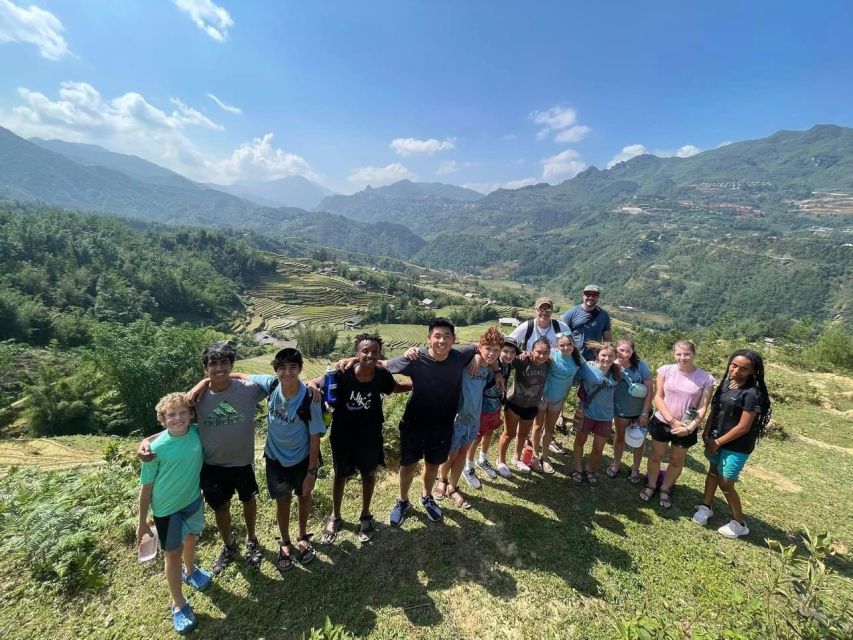
Let’s talk about the uncomfortable truth: parts of this trek can be muddy and slippery. The trail runs through terrace country, and terraces mean damp soil. Even if the sky looks fine, the ground can still be slick in spots.
That’s why the tour recommends bringing comfortable shoes, a sun hat, sunscreen, and biodegradable insect repellent. I’d treat that advice like it’s part of the route, not a generic packing list. Good traction matters. Also, dress so you can handle cool air in the morning and warmer temps later.
There’s another issue that’s not about mud: people who approach you along the path. In at least one case, a group encountered older women who offered help navigating the muddy trail and then turned the interaction into pushy selling. The guide later clarified that this help was not part of the official tour and that you were not required to pay. It still left the group feeling pressured.
So here’s my practical advice: stay close to your guide during the tricky parts. If someone follows you off-route or tries to redirect your path, politely keep moving and let the guide handle the group. You can be kind without getting pulled into a side interaction that affects your enjoyment.
English guide + small group: what that changes for your experience
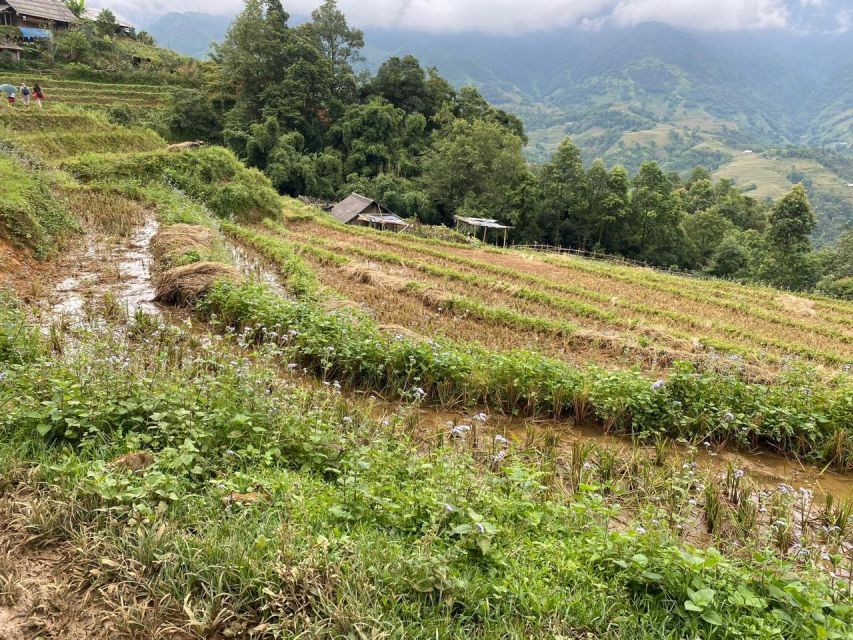
This isn’t a giant bus of people. The tour keeps it to a small group, limited to 10, and you’ll have a live English-speaking guide. That combination matters more than you’d think.
With a small group, the route feels less like a factory line. You’re more likely to stop when the guide wants to explain something rather than when you’re squeezed between strangers. It also makes it easier to hear questions and answers, especially if you’re curious about costume traditions or how daily work connects to the terraces.
With English support, you’re also less dependent on guessing. Village visits work best when you can ask basic questions like what people do, why things are arranged a certain way, and what seasonal changes affect farming. Even if your vocabulary is basic, your guide can usually bridge the gap.
And the guide role can be active in the field. In one example from a past participant, the guide even helped solve a muddy-foot situation by getting the group rubber boots before setting off—so at least one person stayed dry. That’s the kind of problem-solving that makes the trek feel safer and more welcoming.
Price and value: why this $23 trek can be a smart use of a Sapa day
At $23 per person for roughly a half-day to full-day trek, the value is in what’s included. You get transport, an English-speaking guide, village entrance fees, and lunch. You also get the structure: a set itinerary with known stops rather than you piecing together guides, tickets, and walking routes yourself.
That’s important in Sapa. Planning costs time, and time is usually your most expensive resource on vacation. Paying for a guided route like this can turn an intimidating day of hills and terraces into something manageable.
Where the price still makes sense: you’re walking through multiple villages and areas (Y Linh Ho, Lao Chai, Ta Van) and covering enough distance to feel like a real experience. You’re not paying for a short photo walk. You’re paying for a guided, sustained day of trekking plus cultural access.
Where it may not fit: if you’re expecting a very light stroll, this hike can feel like work, especially with muddy footing. But if you can handle comfortable walking, the package is a strong deal.
Who should book this trek, and who should skip it
This tour fits best if you want:
- a guided first taste of Sa Pa Valley without figuring everything out yourself
- a trek that includes real village visits and not just scenic stops
- an English-speaking guide to help translate what you see
- a small-group feel rather than a crowd march
It’s also not a match if you can’t do uneven ground. The tour isn’t suitable for wheelchair users, and the terrain is not designed for easy rolling.
If you’re a light walker, you can still do it, but you should mentally prepare for a mix of climbs, terrace paths, and potentially slippery sections. If you’re expecting a guaranteed dry trail, plan to be flexible.
Should you book this Lao Chai and Ta Van full-day trek?
If you’re choosing one “see Sapa the real way” day, I think this is a solid pick—especially for the combo of rice-terrace walking, Lao Chai and Ta Van village time, and English guidance at a price that doesn’t punish your budget. The small group size is a plus, and the lunch and entrance fees included make it feel complete.
Book it if you’re willing to handle muddy trails and you want cultural context, not just photos. Skip it if slippery ground would spoil your day or if you want a very low-stress, easy stroll with minimal village interaction.
FAQ
How long is the trekking tour?
The duration is listed as 6 hours.
Where does pickup happen?
Pickup is available from hotels in Sapa town (around 8:15am–8:30am) or from the tour office/meeting point in Sapa Town.
Are the guides English-speaking?
Yes, the live tour guide is listed as English.
How big is the group?
This tour is small group and limited to 10 participants.
What villages are included in the trek?
The route includes Y Linh Ho village, Lao Chai village, and Ta Van village.
Is lunch included, and what kind is it?
Yes. A picnic lunch is included, served at a local restaurant around midday.
What’s included in the price?
Included items are picnic lunch, tour guide, transport, and village entrance fees.
What should I bring for the trek?
Bring comfortable shoes, a sun hat, sunscreen, and biodegradable insect repellent.
Is the tour wheelchair-friendly?
No, it is not suitable for wheelchair users.
Is free cancellation available?
Free cancellation is available up to 24 hours in advance for a full refund.