REVIEW · CRETE
River Trekking at Kourtaliotiko Gorge
Book on Viator →Operated by Pezoporistas · Bookable on Viator
Water first, questions later, in Crete’s gorge. I loved the combo of swimming to a waterfall start and then continuing through crystal-clear natural pools. My one heads-up: you need moderate fitness because there’s walking on and off the river plus some scrambling and optional jumping.
I also really liked the small group feel (max 12) and the way the route shifts from wet-and-wild fun to calmer, crowd-light stretches in the middle. And because the guide I went with, Panos, talked wildlife, herbs, and the gorge’s little details, the whole walk felt more like learning by doing than just passing scenery.
The only drawback I can’t ignore is weather: this experience runs on good conditions. If conditions are poor, you’ll be offered another date or a full refund, so I’d avoid leaving it as your final activity on Crete.
In This Review
- Key highlights you’ll actually care about
- Kourtaliotiko Gorge river trekking: the appeal isn’t just the water
- Price and value: what you get for about $112
- Your day flow: from meeting point to garden stroll
- Entering the gorge: swimming to the hidden waterfall start
- Following the riverbed: splashy pools, clear water, and footing
- Wildlife spotting in a working ecosystem
- Snack under plane trees, local tea, then a calmer finish
- Optional lunch: Greek tapas and a cold beer
- Who this tour suits best (and who should reconsider)
- Equipment and guide style: why the safety gear matters
- Getting there and group size: small helps the experience
- Weather matters more than you think
- Should you book River Trekking at Kourtaliotiko Gorge?
- FAQ
- How long is the river trekking experience?
- Where do I start and where does it end?
- Is lunch included?
- What’s included with the tour besides the guide?
- Do I need to be a strong swimmer?
- What happens if the weather is bad?
Key highlights you’ll actually care about
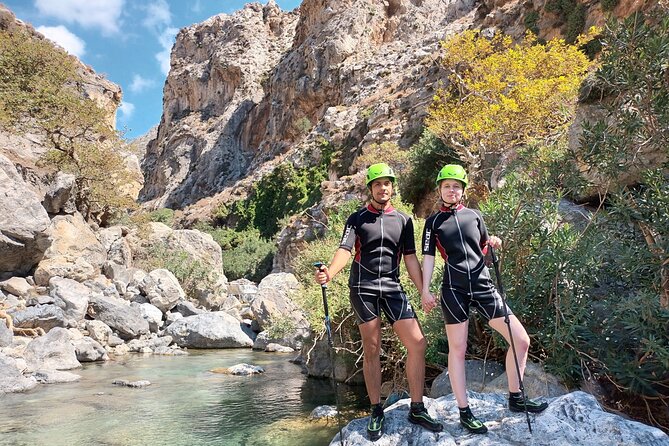
- Swim to the waterfall right at the start, with neoprene gear provided for the colder water
- Riverbed hiking to pools where you can splash around in clear water and soak up the gorge atmosphere
- Wildlife spotting opportunities like frogs, dragonflies, and freshwater turtles, plus vultures overhead if you’re lucky
- Smaller-group pace (up to 12) with an isolated middle section that feels less crowded
- Snack + local tea stop under huge plane trees, then a garden walk through tropical plants and an olive grove
- Optional lunch upgrade at a shady Greek taverna if you want Greek tapas and a cold beer
Kourtaliotiko Gorge river trekking: the appeal isn’t just the water
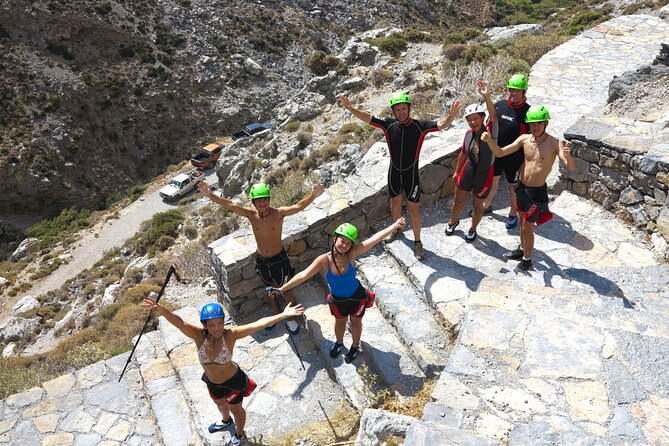
Kourtaliotiko Gorge has that rare feeling of going from ordinary Crete countryside into a tight canyon world where the river is the main character. The best part for me is that you don’t just look at it. You move through it—first by swimming to a well-hidden waterfall, then by following the river’s bed as it turns into splashing shallows and natural pools.
You get a full-body experience without needing gym-level training. You’re not doing a long hike that drags on for hours. It’s about 4 hours 30 minutes, and the day is paced around the water moments and short breaks, not a relentless march.
The small group size matters more than you’d think. With a maximum of 12 people, the guide can manage the swim start and keep an eye on footing without turning the gorge into a queue. In plain terms: you’re less likely to feel rushed, and you’re more likely to notice the small stuff—like dragonflies or the way sound changes in the narrow section.
You can also read our reviews of more tours and experiences in Crete.
Price and value: what you get for about $112
This costs about $112.38 per person for a ~4.5-hour guided adventure. For that price, you’re not just paying for a path and a headcount. You’re getting the gear and the human expertise that makes the experience safer and more fun:
- Summer neoprene suits
- Hiking poles
- Rock helmets
- Photos included
- English-speaking guide
- Coffee and/or tea
- A snack stop (plus local tea)
Lunch is not included, but you can add it by following the group to a Greek taverna for Greek tapas and a cold beer.
Is it a bargain? For Crete, it’s priced like an activity that does real work: it provides technical gear, includes multiple water sections, and keeps the group size limited. If you planned to rent gear, hire a guide, and build in time for a snack, you’d likely spend similar money anyway. The big value is that you’re not stuck trying to figure out river trekking logistics on your own.
If you’re the type who hates paying for “maybe useful” extras, this one’s different. The equipment is directly tied to the water-and-rock reality of a gorge walk.
Your day flow: from meeting point to garden stroll
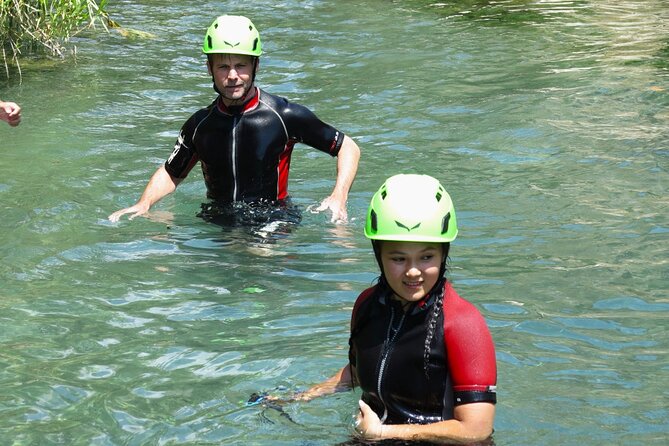
The experience starts at 10:30 am. You meet at the Foinikas area (the location listed is 8G765FH7+P975FH7+P97 Foinikas, Greece), and it ends back at the same meeting point. You’re also told it’s near public transportation, which helps if you’re not driving.
The whole itinerary is built around a rhythm: swim, hike, splash, snack, then ease into a gentler finish with gardens and olive groves. That final stretch is a nice shift in pace. Your legs do some work early, then you transition into calmer walking—more time to look around and let the gorge sounds fade into birds and leaves.
If your schedule is tight, the timing is straightforward. You’re looking at roughly 4 hours 30 minutes total, not a half-day that disappears into delays.
Entering the gorge: swimming to the hidden waterfall start
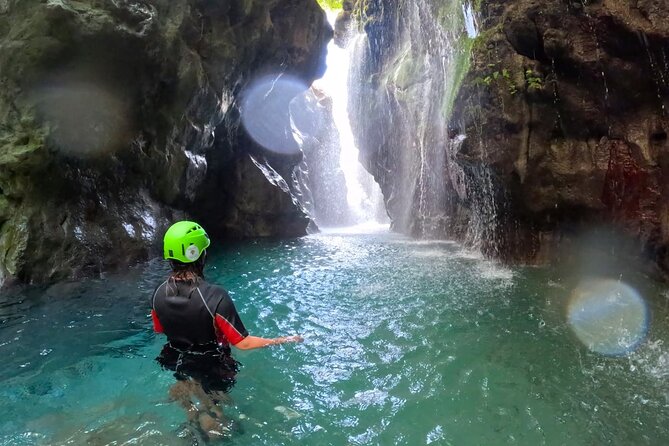
The first “oh wow” moment is the start by water. You’ll begin the trekking by swimming to a hidden waterfall. This is not just a quick toe-dip; it’s a real swim segment, and the water can be freezing at first.
The good news is you’re provided a summer neoprene suit, plus hiking poles and rock helmets for the river path ahead. Neoprene doesn’t make cold water pleasant, but it does make it survivable, and it gives your body more time to acclimatize while you do the necessary movements.
The waterfall itself is the payoff: when you reach it, you’re dealing with the water’s force and sound up close. The gorge narrows, and you get that sense of standing in the middle of a living system rather than visiting a scenic spot from a distance.
Practical thought: if you’re nervous about swimming in cold water, don’t pretend you’ll be fine. Read the vibe of the group, follow the guide’s pace, and take the swim seriously. This isn’t a stroll.
Following the riverbed: splashy pools, clear water, and footing
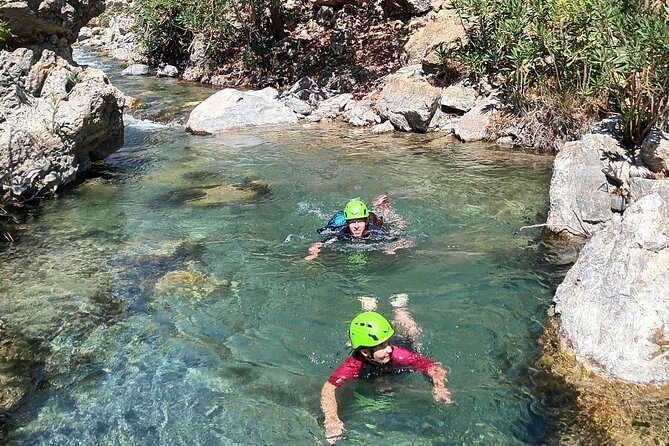
After the waterfall, the route becomes more about moving through the gorge in sections where the river’s bed leads your way. You’ll be walking while water splashes around your legs and shoes, then shifting into places with natural pools where swimming or wading feels natural.
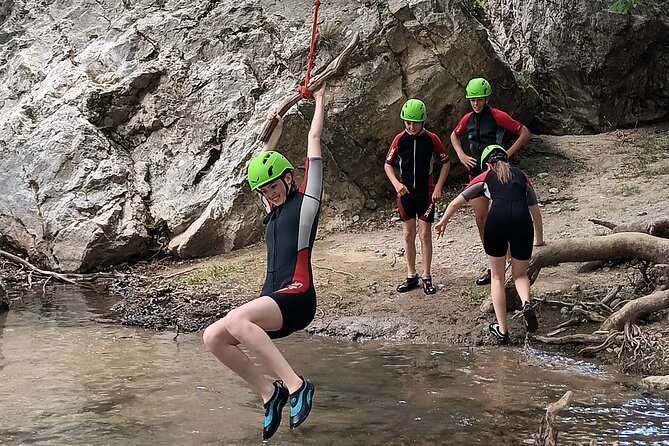
What I like about this part is that the terrain keeps you engaged. You’re not just walking on a single trail the whole time. The experience alternates between steps, balance, and brief bursts of play—so the day doesn’t feel monotonous.
The mid-route is specifically described as isolated from crowds and suitable for everyone without demanding sections. Translation: you still get wild canyon time, but you’re not doing an extreme route where you must be an experienced hiker to enjoy it.
Still, it’s real trekking. Rock helmets aren’t given for decoration, and hiking poles aren’t provided because this is a flat sidewalk. You’ll want moderate physical fitness, especially for the combination of wet walking and occasional awkward footing.
Wildlife spotting in a working ecosystem
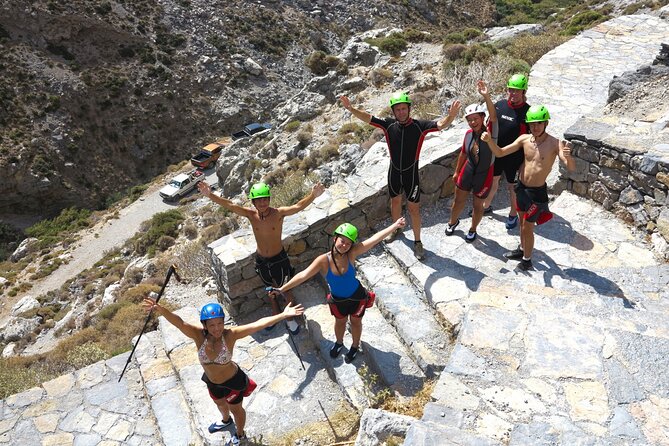
One of the most memorable parts of a gorge trip is that it feels alive even when you’re not looking for it. Here, wildlife observations are part of the guide’s focus.
You can expect chances to see frogs, colorful dragonflies, and freshwater turtles. If conditions are right, you may even spot vultures flying above the gorge.
I like wildlife experiences that don’t rely on luck alone. The guide’s job is to point your attention in the right directions and explain what you’re seeing—whether that’s the river’s micro-habitats or the way insects gather near the calmer water.
And because the group is small, there’s less disruption. You’re not trudging through a crowd that scares everything away. The isolated middle section helps here too.
Snack under plane trees, local tea, then a calmer finish
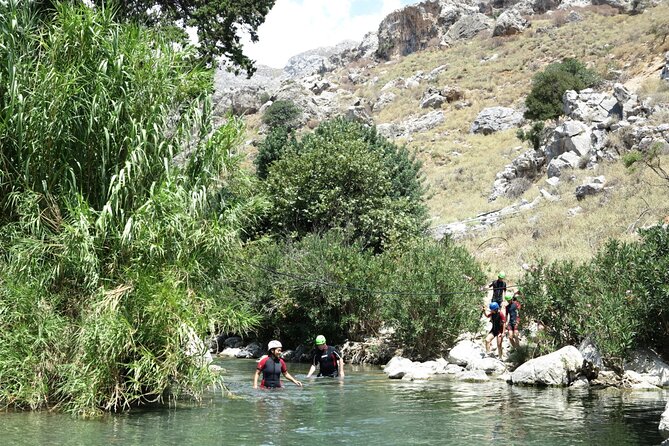
Halfway toward the end, you get a break that feels very Cretan: you stop for a snack under huge plane trees. It’s shaded, it resets your energy, and it gives you a pause from moving-water adrenaline.
Then comes local tea for everyone. This matters because it’s not just calories; it’s also a real moment to warm up and talk with your guide about what you just experienced.
After the gorge part ends, you shift into a gentler “garden walk” finish. You’ll stroll through gardens with tropical vegetation, and then you pass through a typical Cretan olive grove before the tour wraps back at the meeting point.
This transition is smart. It gives your body a cooldown and gives your eyes a different kind of scenery. Instead of only canyon walls and water, you end with greenery, shade, and slower pacing.
Optional lunch: Greek tapas and a cold beer
Lunch is not automatically included. If you want it, you can follow the group to a shady Greek taverna for Greek tapas and a cold beer.
I like that this is optional. A gorge day can be filling, especially after swimming and then drying off slowly. If you want something light, you can stick with the snack and tea stop. If you want the full “Crete meal” payoff, you can add the taverna.
Who this tour suits best (and who should reconsider)
This experience is built for people with moderate physical fitness. You’ll be walking both on and off land, doing some swimming, and there may be voluntary jumping depending on your comfort level.
It’s also a good fit if you want an active day without committing to a long, exhausting hike. The time is manageable, the group stays small, and the route has sections designed to be crowd-light and not overly demanding.
I’d reconsider if you:
- Hate cold water and aren’t comfortable with swimming
- Have balance issues around rocks and wet footing
- Want an entirely dry walk where you never need to get splashy
If you’re traveling with kids or teens, it can work well for motivated families. The experience includes safety gear and a guide-led pace, and the day has a playful side in the pools. Just be honest about swimming comfort and the ability to handle wet walking.
Equipment and guide style: why the safety gear matters
The tour provides the gear that makes river trekking realistic:
- Summer neoprene suits for the cold-water swim and wet sections
- Rock helmets for protection where you’re moving near rocks
- Hiking poles to help balance on slippery surfaces
- Photos included, which saves you from trying to capture everything while also keeping your footing
And then there’s the guide. The guide I learned from, Panos, stood out for his easy explanations and his focus on the gorge itself—wildlife, herbs, and the gorge’s smaller nooks and crannies. That kind of guide makes a difference because you stop treating the river like an obstacle and start seeing it like a living place with rules.
You’ll feel the difference in pacing too. The group doesn’t feel thrown into the water. There’s structure, and the swim start is part of the experience rather than a random challenge.
Getting there and group size: small helps the experience
The group is capped at 12 travelers, which keeps the experience personal. With fewer people, you spend less time waiting at chokepoints and more time actually doing the activities.
There’s also a transfer detail that depends on group size: transfer from the exit point back to your vehicle is included if the group size is over 4 people. So if you’re in a very small group, you may not get that shuttle back. It’s worth checking so you’re not surprised by the end-of-tour logistics.
Weather matters more than you think
This experience requires good weather. If it’s canceled due to poor conditions, you’ll be offered another date or a full refund.
For a river trekking day, this makes sense. Water levels, visibility, and rock conditions change, and the swim start is part of the core plan. I’d plan this earlier in your trip rather than stacking it as your last-day activity.
Should you book River Trekking at Kourtaliotiko Gorge?
I’d book it if you want an active Crete experience that’s not just viewpoints. The combo of swimming to a waterfall, following the riverbed through clear pools, and then finishing with gardens and an olive grove gives you variety in one day.
Also book it if you like learning while you move—because the guide focuses on gorge details and wildlife, not just the big picture. The included equipment, helmet, and neoprene suit make the day feel less like a risky stunt and more like a guided outdoor adventure.
I’d skip it if cold water swimming is a hard no for you, or if your idea of a relaxing day is staying totally dry. This is water trekking, not a land-only hike.
If you fit the moderate fitness range and you’re willing to get splashed, this is the kind of tour that stays in your memory longer than a photo will.
FAQ
How long is the river trekking experience?
It runs for about 4 hours 30 minutes.
Where do I start and where does it end?
You start at the meeting point in Foinikas, Greece (8G765FH7+P975FH7+P97) and the activity ends back at the same meeting point.
Is lunch included?
No. Lunch is not included, though you can choose to have Greek tapas and a cold beer at a taverna with the group.
What’s included with the tour besides the guide?
You get summer neoprene suits, hiking poles, rock helmets, photos, coffee and/or tea, plus a snack and local tea during the tour.
Do I need to be a strong swimmer?
You’ll swim to the waterfall at the start, and swimming is part of the experience. The day is best for people with moderate physical fitness.
What happens if the weather is bad?
If it’s canceled due to poor weather, you’ll be offered a different date or a full refund.