REVIEW · DUBLIN
Trek the Tombs and Trails in the Dublin Mountains
Book on Viator →Operated by MYBIKEORHIKE · Bookable on Viator
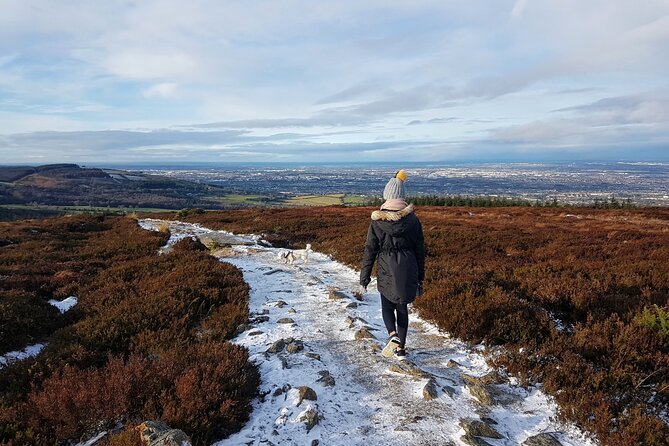
The Dublin Mountains have a way of making history feel walkable. This hike is a guided trek to two megalithic tombs plus summit views over Dublin and the bay. One thing to consider: it’s a moderate uphill day hike, so you’ll want decent walking shoes and steady legs.
I like how the group stays small, max 8 people, which means you actually get time with your guide instead of rushing through stops. I also love the mix of tangible archaeology and real scenery—wedge tombs, a cairn tomb, and a stone circle—followed by an easy payoff at the top with big panoramas. If you’re expecting a totally flat stroll, this isn’t it.
You start by busing out through backroads, then you hike along paths that connect ancient sites and viewpoints. Along the way, there’s time to pause, listen, and look closely—especially at the burial structures and landmarks that most people would simply drive past.
In This Review
- Key things to know before you go
- Bus Out to the Dublin Foothills: Starting With Less Hassle
- Glencullen and the Wicklow Mountains National Park Side: Getting Off the Usual Map
- The Hike That Links Megaliths: Wedge Tomb to Summit Landmarks
- Panoramic Views Over Dublin and the Bay: The Real Payoff
- Wild Berry Picking: A Seasonal Moment You Can Taste
- Ridge Walk Toward Wicklow: Stone Circle and a Named Mountain Top
- Down Through Evergreen Forest to the Rural Café or Pub
- How Long Is It Really, and What Fitness Level Works?
- Price and Value: Why $180.44 Can Make Sense
- Who Should Book This Dublin Mountains Hike
- Should You Book Trek the Tombs and Trails in the Dublin Mountains?
- FAQ
- How long is the hike?
- Where does the tour start and end?
- What is the price?
- What’s included in the tour price?
- Is lunch included?
- Can I buy a drink or beer after the hike?
- What kind of group size should I expect?
- Is it suitable for people with moderate fitness?
Key things to know before you go
- Small group hike (max 8): more attention and better pacing at each archaeological stop.
- Two megalithic tombs plus a stone circle: you’ll see multiple burial sites in one day.
- Summit views over Dublin and the bay: the payoff comes from a high ridge and lookout rocks.
- Wild berries when in season: you may pick berries for jam or tart later, or snack on them.
- Bus transport included: you don’t have to coordinate cars to remote trailheads.
- Lunch and pint options at the end: local food or a country pub stop after the hike.
Bus Out to the Dublin Foothills: Starting With Less Hassle
The day begins in a very workable spot: Dundrum, outside the Luas station. That matters because it’s an easy anchor point if you’re already using public transport in Dublin. Then you board a local bus that heads into the Dublin foothills on backroads toward a remote mountain village area.
This is a smart way to start. You lose less time fighting traffic or searching for parking, and you arrive with momentum instead of stress. It also sets the tone: you’re not just doing a random trail. You’re getting out far enough that the hills feel properly rural and the viewpoints look wide open.
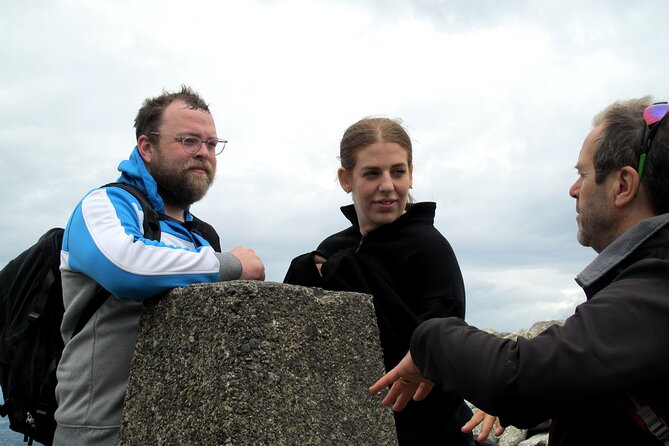
Expect a guided rhythm right from the start. Your guide sets the context for what you’ll see, and you’re not stuck trying to interpret stones on your own. When I’m choosing a hike like this, that’s a big deal.
You can also read our reviews of more tours and experiences in Dublin.
Glencullen and the Wicklow Mountains National Park Side: Getting Off the Usual Map
After you leave the urban edge, the route passes through areas tied to the hike’s setting—Glencullen first, then into Wicklow Mountains National Park area terrain. Even if you don’t memorize all the place names, it changes the feel of the hike fast. The air feels less boxed in, and the hills stop looking like a background and start looking like a real place you’re walking through.
You also visit Tibradden along the journey, and later you pass The Hazel House as part of the overall route flow. Those stops aren’t just “bus stops.” They’re part of how the hike connects trail, scenery, and the final rural eating area.
One detail I appreciate: the tour returns by an alternative bus route. It’s a small thing, but it keeps the ride from feeling like pure backtracking. You get a second look at the surrounding countryside from a different angle.
The Hike That Links Megaliths: Wedge Tomb to Summit Landmarks
The first major archaeology stop is an ancient burial site: a wedge tomb dating to the second millennium B.C. You’ll reach it by following a meandering mountain path, and the walking here is the kind that gradually builds your legs for the rest of the day.
What makes a wedge tomb special for a visitor is that it turns “history” into something physical. You’re standing in an outdoor setting tied to how people marked burials long before modern mapping. Your guide’s explanations help you understand what you’re looking at instead of just taking photos and moving on.
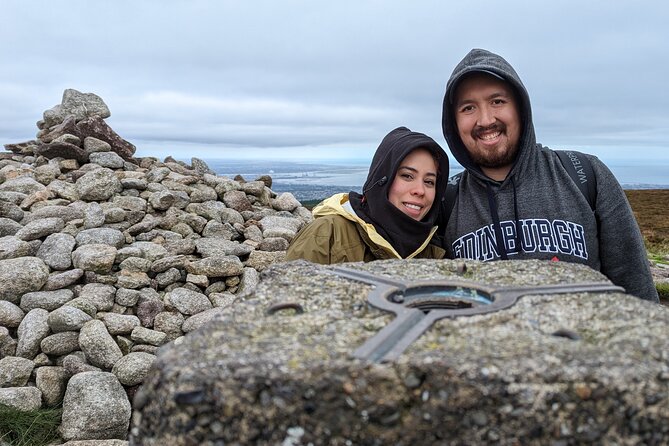
From there you continue along a route connected to the Dublin Mountains Way, heading toward a popular vantage spot. This is where the day starts to reward effort. On the top rock, you’ll take in panoramic views over Dublin and the bay area, then see more summit archaeology—specifically a never excavated cairn tomb and a triangulation pillar.
A quick note on expectations: when you see a triangulation pillar, it’s easy to wonder why it’s there. Even without getting too technical, it’s a reminder that people have been using these high points to measure and map the land for a long time. You’ll feel the connection between ancient burials and later ways of understanding the landscape.
Panoramic Views Over Dublin and the Bay: The Real Payoff
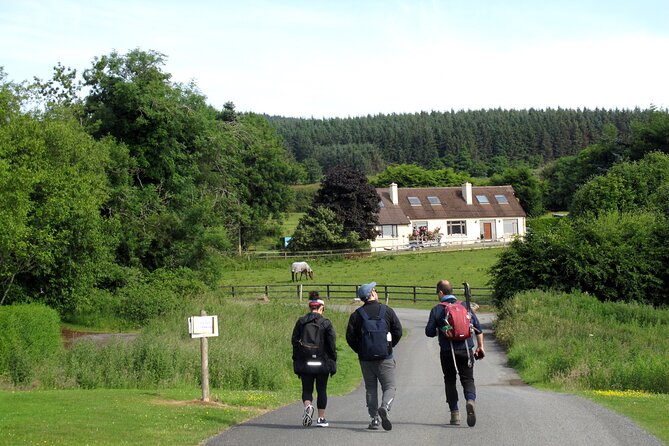
If you only care about one thing, make it this: the hike is designed so the best viewpoints aren’t random. You reach them after steady walking and a good rhythm of stops.
At the main vantage point, you’ll be perched on a mountain top rock with wide sightlines. The scene is practical to enjoy. On a clear day, you can look across Dublin’s sprawl, trace the coastline feel toward the bay area, and watch the light move as you stand still for a bit.
This is also one of the most useful parts of a guided hike. Your guide can point out directional cues and help you connect what you see to where you are on the ridge. That’s especially helpful in Ireland, where hills can look similar until you get your bearings fast.
Wild Berry Picking: A Seasonal Moment You Can Taste
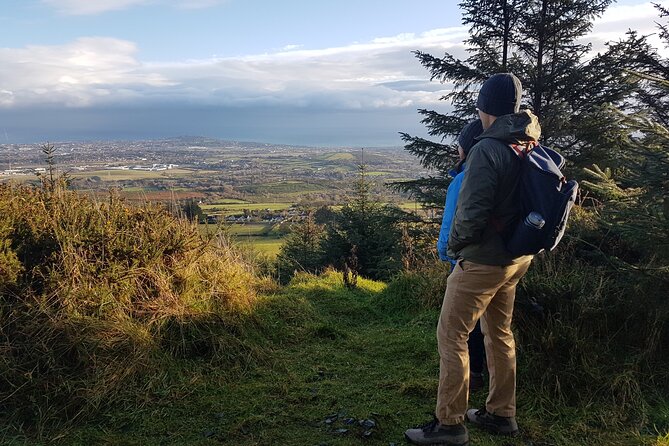
Depending on the season, you may pause to pick wild berries. The plan isn’t just “grab something sweet.” The idea is that you can pick berries for later—like jam or tart—or simply eat them as you go.
For me, this is one of those add-ons that actually changes the experience. It turns the walk into something slightly more personal. You’re not only observing nature; you’re interacting with it in a small, guided way.
Practical advice: only pick berries when your guide says it’s the right time and you’re guided on what to do. If you’re sensitive to cold weather or allergies, tell your guide before you start, so they can help you avoid anything that doesn’t agree with you.
Ridge Walk Toward Wicklow: Stone Circle and a Named Mountain Top
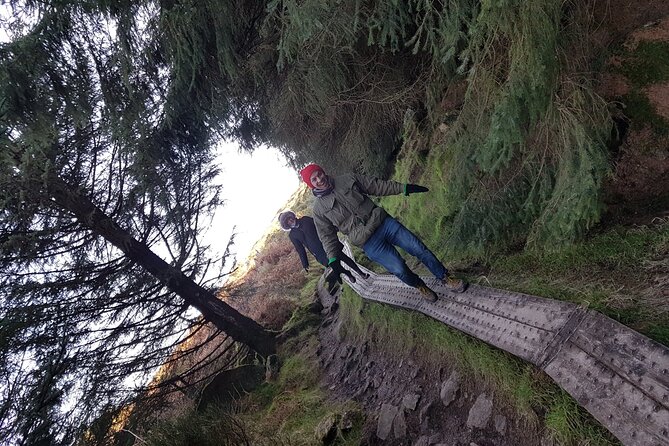
After the summit stops, the hike continues along a ridge with views stretching north toward Dublin and south toward Wicklow. This part of the walk is where the day feels longest, but it also feels the most open. You’re moving through spaces where the land looks less planted and more like a natural corridor.
Then comes the second burial site area: an ancient stone circle and a burial place of the man for whom the mountain top is named. This is the second megalithic experience of the day, and it matters because it gives you more than one “type” of burial landscape.
Again, the value is in the guide’s interpretation. Standing near a stone circle is straightforward enough. Understanding what it means in context is what turns it into a memorable stop.
As you move through this section, you’ll probably feel that slight shift that good hikes cause: you stop rushing. You look at the stones longer. You pay attention to the ridge lines. You stop thinking about time and start thinking about distance—how far you’ve come since the bus dropped you off.
Down Through Evergreen Forest to the Rural Café or Pub
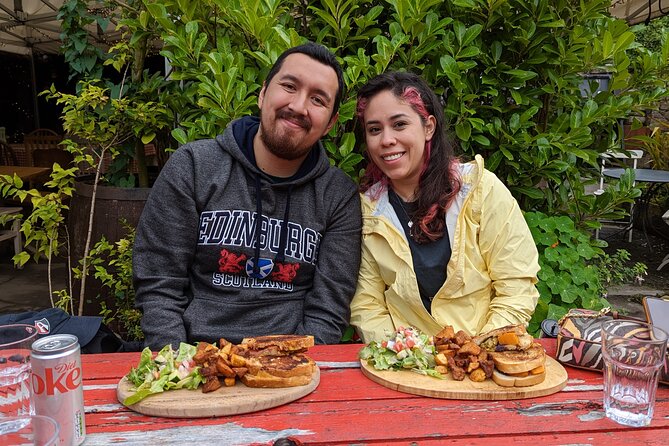
After the ridge and second tomb, the pace changes. You’ll wander down a meandering path through an evergreen forest, then continue along a rural back-road. This descent matters. After the higher sections, the forest path gives your legs a different kind of work—still downhill, but with a quieter feel that lets you reset.
Then you reach the reward zone: a quaint rustic café and restaurant. Here, lunch is optional, made of local produce and cuisine. If you’d rather keep it lighter, you can also choose a well-earned stop at a country pub and grab a pint instead.
What I like about this setup is that it gives you choices that match your day. Some people finish a hike hungry. Others just want a drink and something simple. You’re not locked into one style of finish.
Finally, you ride back toward the finish point via bus, again on a route that’s different from the way in, so you get one more look at the region before you’re back at Dundrum.
How Long Is It Really, and What Fitness Level Works?
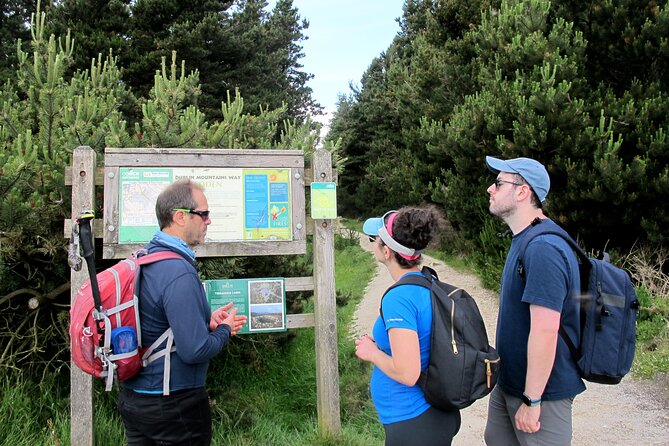
The tour runs for about 7 hours. That timing includes bus transfers and all the guided pauses at viewpoints and tombs, not just the walking time.
The activity is described as suitable for people with moderate physical fitness. In plain terms: you should be comfortable walking on uneven ground and handling some uphill sections. Bring a good grip shoe. If you tend to get sore easily, plan to take it slow on the climbs and give yourself time to recover between stops.
Also remember: the experience runs only in good weather. If weather is poor, you’ll either be offered a different date or a full refund, so you won’t lose money due to rain alone.
Price and Value: Why $180.44 Can Make Sense
At $180.44 per person, this isn’t a “cheap quick walk.” But value isn’t only about the sticker price—it’s about what you get for your day.
Here’s the value math that stood out to me:
- Transport is included via a bus pass to the start and back. That alone saves hassle and cost if you’re not traveling with a car.
- You get guided interpretation at multiple megalithic sites, including landmarks like the never excavated cairn tomb and triangulation pillar.
- The hike is capped at 8 travelers, which often means less waiting and more meaningful time with the guide.
- You’re paying for a full morning-to-afternoon experience: transit, hiking, stops, and a proper finish at a café/pub.
Lunch isn’t included, and alcohol isn’t included either. But that flexibility can be a plus. You can choose a meal style that fits your appetite and budget.
Who Should Book This Dublin Mountains Hike
This is a good match if you want:
- A hike with purpose, not just scenery
- Outdoors time with real archaeological stops
- A guide who can explain what you’re seeing at a human pace
It’s also a great fit for people who like small groups and don’t want to feel like one more face in a big cattle line.
If you’re traveling with kids, plan carefully. The tour is moderate and lasts about 7 hours, so it may be long for younger kids depending on their comfort with hiking. If you’re a senior traveler or you’re managing a specific mobility limitation, you should evaluate your stamina before booking.
Should You Book Trek the Tombs and Trails in the Dublin Mountains?
Yes, I’d book it if you’re excited by two things: views that feel big and megaliths you can stand beside and understand. The small group size and guided focus on the tomb sites make it more than a generic walk.
I’d skip or reconsider if you hate uneven ground, dislike hikes with uphill effort, or you need a fully predictable, flat route. And if you’re coming with only a vague interest in ancient Ireland, you might find yourself wanting more time in Dublin after you’re back—because this tour pulls your attention toward the hills for most of the day.
FAQ
How long is the hike?
It runs for about 7 hours (approx.), including bus transport and guided stops.
Where does the tour start and end?
It starts at Dundrum, outside Luas Station, and ends back at the same meeting point.
What is the price?
The price is $180.44 per person.
What’s included in the tour price?
A bus pass for transport to the start of the hike and returning after is included.
Is lunch included?
Lunch is not included, but there is an option to have lunch at the end of the hike at a rustic café and restaurant.
Can I buy a drink or beer after the hike?
Yes. Alcoholic beverages are not included, but there’s an option to visit a local country pub at the end.
What kind of group size should I expect?
The tour has a maximum of 8 travelers.
Is it suitable for people with moderate fitness?
Yes. The tour notes travelers should have a moderate physical fitness level.