REVIEW · MOUNT RINJANI
Mount Rinjani 2-Day Trek to Senaru Crater Rim
Book on GetYourGuide →Operated by Rinjani Hero · Bookable on GetYourGuide
The crater rim stole the show. This 2-day Mount Rinjani trek from Senaru mixes lush rainforest walking with a high-altitude camp where you can watch Mount Agung in Bali after a long climb.
What I love most is the way the trek feels powered by the team: porters handle your camping gear so you can focus on the trail. I also really like the payoff—camping by the crater rim with views that make the effort feel worth it.
One thing to consider: this hike is tough in real ways. Even if it’s “only” 2 days, the climb and the slippery descent can wear you out fast, and there’s no hiding from steep, rocky sections.
In This Review
- Key Highlights You’ll Feel on This Trek
- Mount Rinjani From Senaru: What This 2-Day Plan Really Delivers
- Permits and the ERinjani App: The Part That Can Stop Your Trek
- Day 1 Schedule: Sembalun Views, Rainforest Steps, and the Rim at 4 PM
- Camp by the Crater Rim: Sunset, Stars, and Wind Reality
- Day 2 Schedule: Sunrise, a Five-Hour Descent, and Senaru’s Green Calm
- Porter Team and Meals: The Value You’re Actually Paying For
- The Guide Matters: English Support and a Pace That Doesn’t Break You
- What to Pack (Small Bag, Big Impact): Your 5 Kilogram Rule
- Price and Value: What the $150 Covers and What Costs Extra
- Who Should Book This Trek, and Who Should Skip It
- Final Call: Should You Book Mount Rinjani 2D1N to Senaru?
- FAQ
- How hard is the Mount Rinjani 2-day trek to the crater rim?
- Do I need to register permits for Mount Rinjani National Park?
- How do I register for the permits using the ERinjani app?
- What’s included in the $150 per person price?
- What is not included?
- Where do you sleep during the trek?
- What should I pack, and how much can I carry?
Key Highlights You’ll Feel on This Trek
- Porters take the big load so your hike stays focused on your legs
- Rainforest trail day 1 with flora and bird life you’ll actually notice
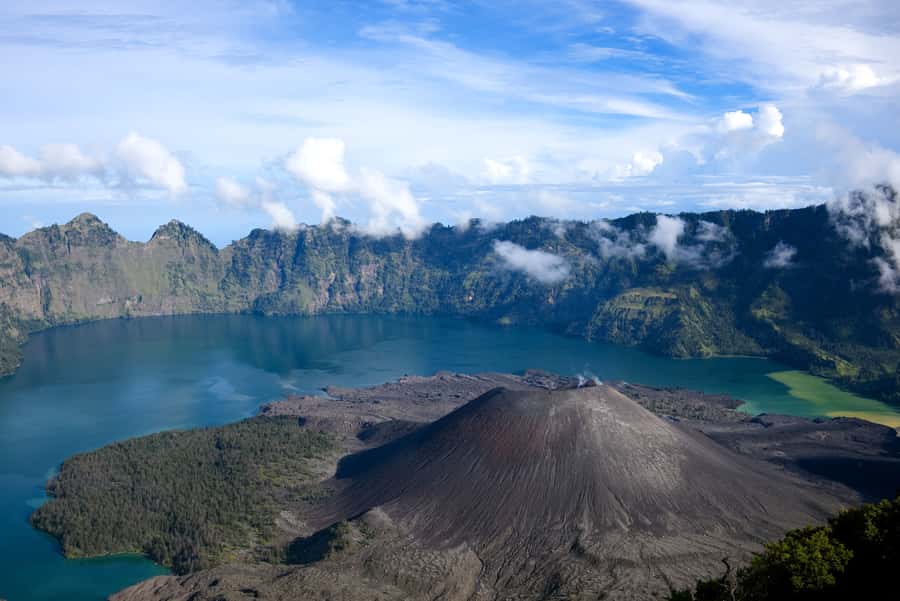
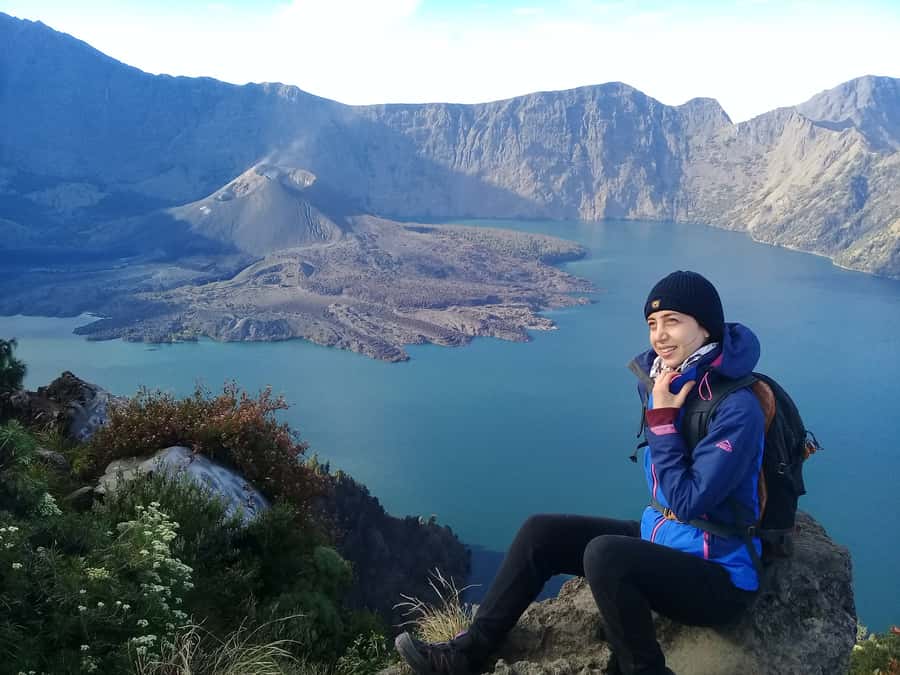
- Crater rim camping at 2,641 meters for sunset views and a star-filled night
- Bali’s Mount Agung sunset on the rim, plus volcanic smoke in the distance when conditions cooperate
- Black monkeys chance on the descent into Senaru’s rainforest
- English-speaking, small group pacing (max 15) that helps on a demanding route
Mount Rinjani From Senaru: What This 2-Day Plan Really Delivers
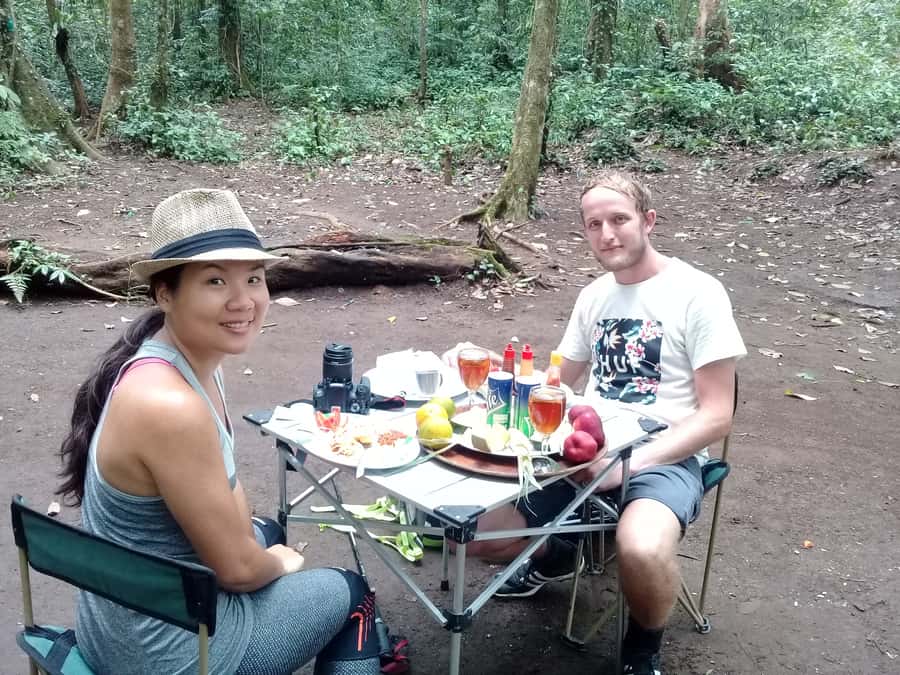
This is a classic “see the volcano, sleep on it” style trek. You’ll start early, hike through dense rainforest, climb to the crater rim, and then do a downhill return to Senaru Village the next day. The structure is simple, but the altitude and terrain do the heavy lifting.
The best part is how different the days feel. Day 1 is a steady grind into higher air. Day 2 is a long descent back through green, shaded paths—when your legs start bargaining with you.
You’re also not just getting a view and leaving. You’re camping right at the crater rim, which changes how you experience the landscape. Sunrise and sunset feel like events, not background scenery.
Permits and the ERinjani App: The Part That Can Stop Your Trek
Before you get romantically attached to the crater rim, get practical about permits. Access is tightly controlled. Permits/tickets for Mount Rinjani National Park are limited to 240 per day, and if you show up late (or don’t register early), you may have to reschedule.
How the registration works (as provided for this trek):
- You can register via the ERinjani app with your details: passport number, full name, birthday, weight and height, and nationality.
- After submitting, you pay directly to the government account via an Indonesian bank transfer.
- The cost is listed as RP 250,000 per person per day.
- If you want help, you can also contact a local guide to assist with online registration, especially because the ticket quota is limited.
Also note: even after you register, you’ll still do registration and briefing when you’re transferred to the Rinjani National Gate on Day 1. The trek company handles the process with your guide, but you need your permit situation sorted early so you don’t get stuck.
Day 1 Schedule: Sembalun Views, Rainforest Steps, and the Rim at 4 PM
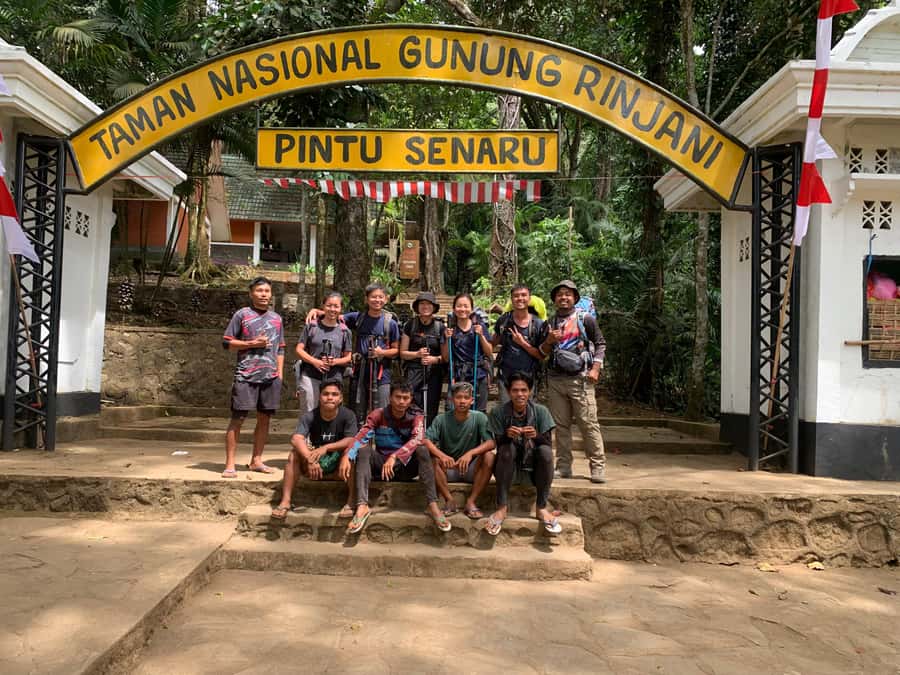
Day 1 starts with an early push. After breakfast, you’re transferred to the Rinjani National Gate for registration and a briefing with your guide. The trek itself begins around 7:00–7:30 AM.
From there, the trail is all about rhythm:
- You’ll walk through dense tropical forest, and the air changes as you rise.
- The route includes a lunch break at Montong Satas Shelter (1,500 meters).
- The hike continues until you reach the crater rim at about 4:00 PM, where the rim altitude is listed as 2,641 meters.
That 4 PM arrival matters. It gives you enough time to settle, eat, and then watch the sky do its thing. On clear evenings, you can see Mount Agung in Bali at sunset and often notice volcanic smoke from the direction of the volcano. If clouds roll in, you’ll still get a strong viewpoint, but the show can be muted.
You’ll have dinner provided by your guide that night, and you’ll sleep at the campsite on the rim.
Camp by the Crater Rim: Sunset, Stars, and Wind Reality
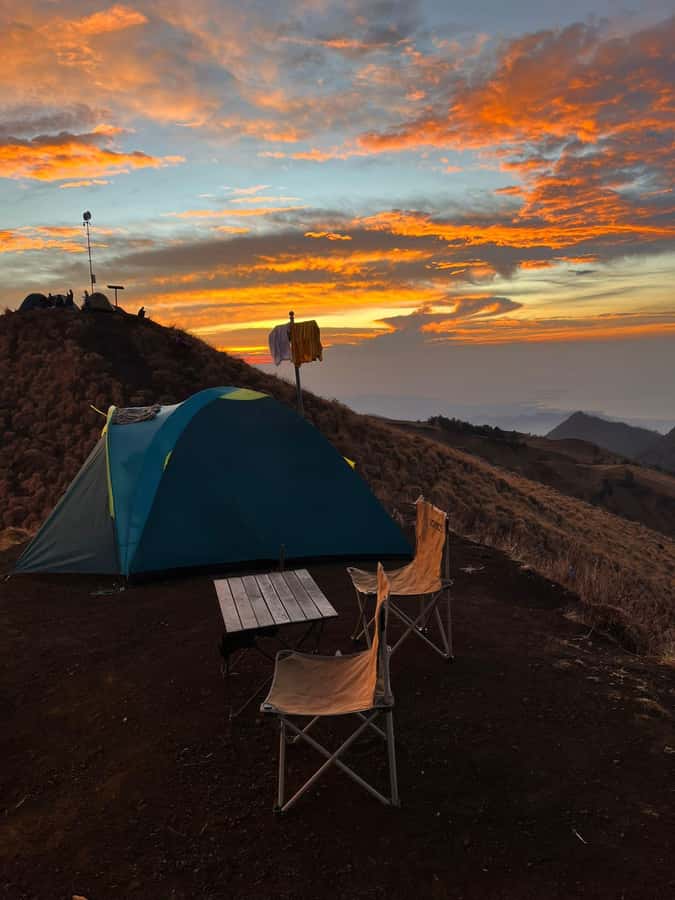
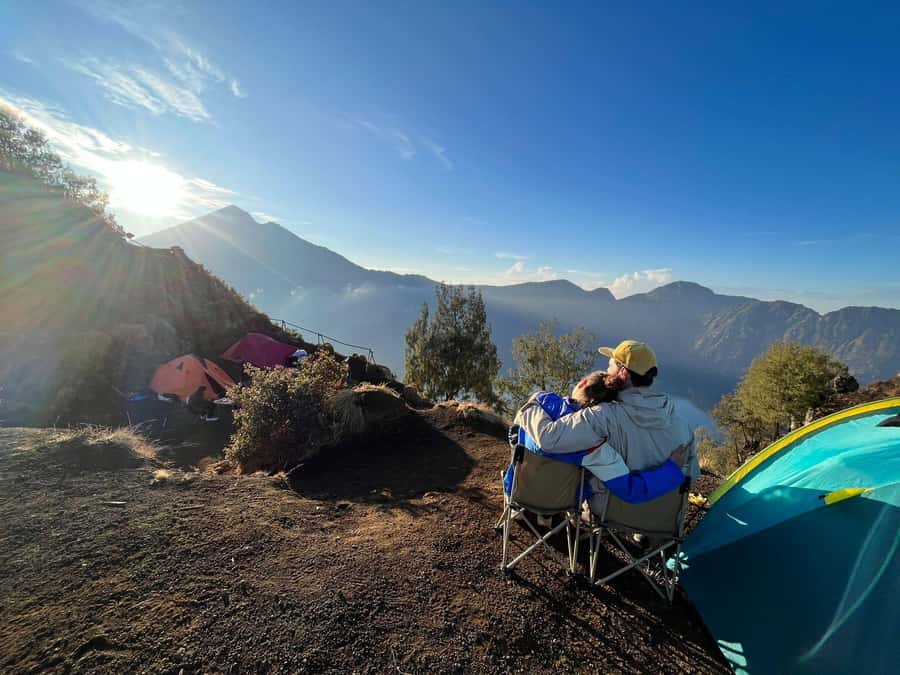
Sleeping by the crater rim is the emotional peak of this trek. It’s also where you learn a key mountain truth: your comfort depends on weather.
What’s included for camping:
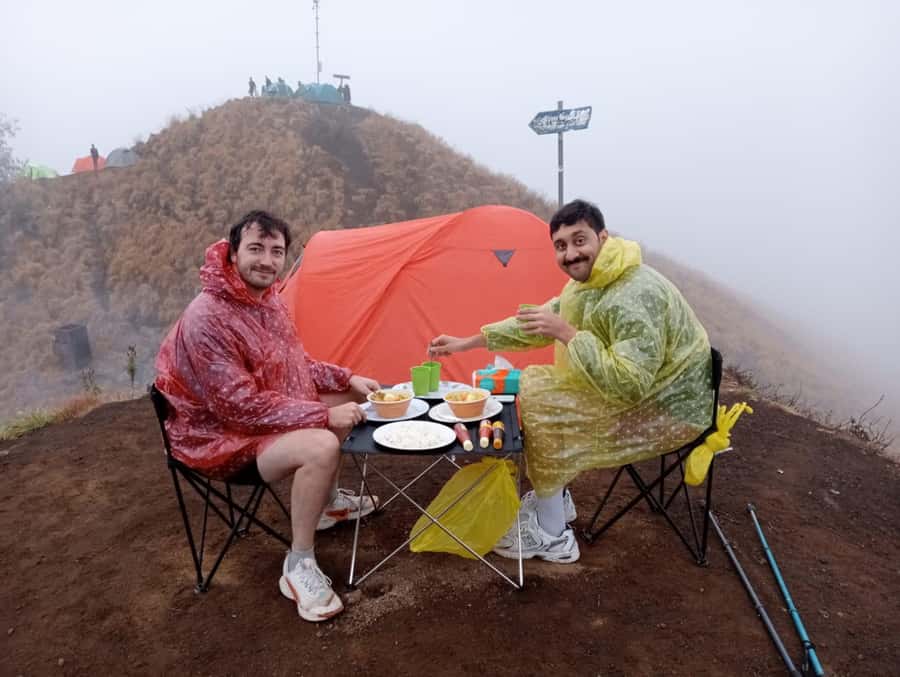
- A double-size tent
- Camp chairs
- A toilet tent
- A sleeping bag, pillow, and mattress
- Camping setup is handled for you by the team so you’re not building camp after a hard climb
Why this works so well: you’re not just hiking to a viewpoint. You’re actually staying there long enough for conditions to shift—from sunset light to night sky darkness.
Expect dinner, and then plan to take a long look around before you crawl into the bag. Reviews from hikers describe the sunset and sunrise spots as a highlight, and on windy evenings, the tent location and setup can make a noticeable difference.
And yes, wind can be real up here. If you’re someone who runs cold at night, pack clothing for the rim and follow the tour’s recommended packing list.
Day 2 Schedule: Sunrise, a Five-Hour Descent, and Senaru’s Green Calm
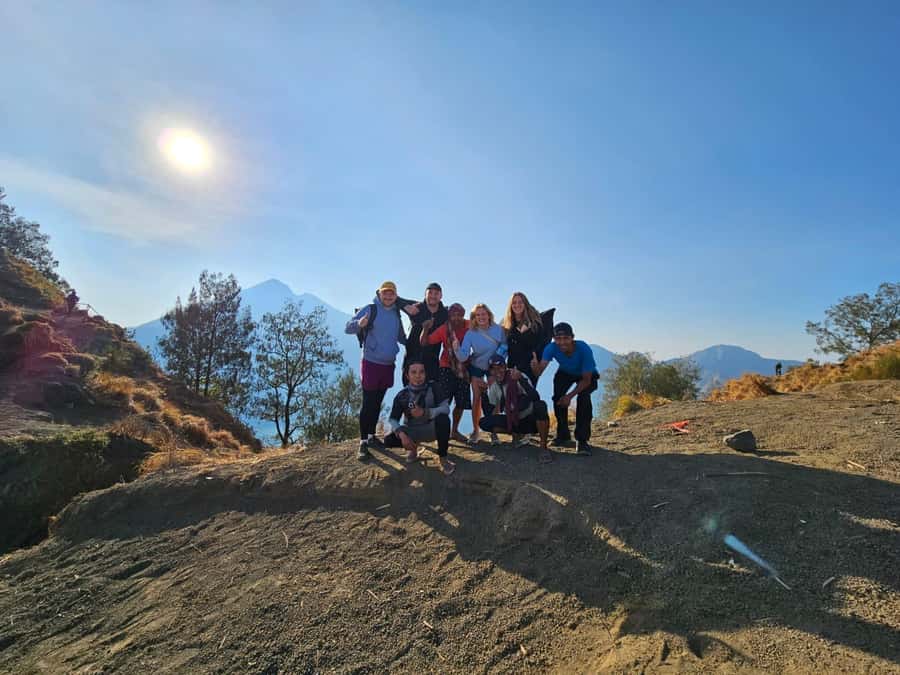
Day 2 begins with breakfast at sunrise. Then you start descending off the rim and back down toward Senaru Village.
The descent is listed as taking around five hours. That’s plenty of time for:
- Your knees to get testy
- Your footing to matter
- Your attention to scenery to return after the altitude work of Day 1
Lunch is planned at 11:30 AM. You’ll then continue down to Senaru Village and wrap up at the local operator’s office, where you can take a shower, enjoy a welcome drink, and finish the day.
One cool thing to watch for: black monkeys on the way down, especially if you’re lucky and the forest lets you spot them.
If rain hits during the trek, it can change how fast you move and how slippery the ground feels. One thing I’d take seriously: protect your footing and don’t treat the descent like it’s automatic.
Porter Team and Meals: The Value You’re Actually Paying For
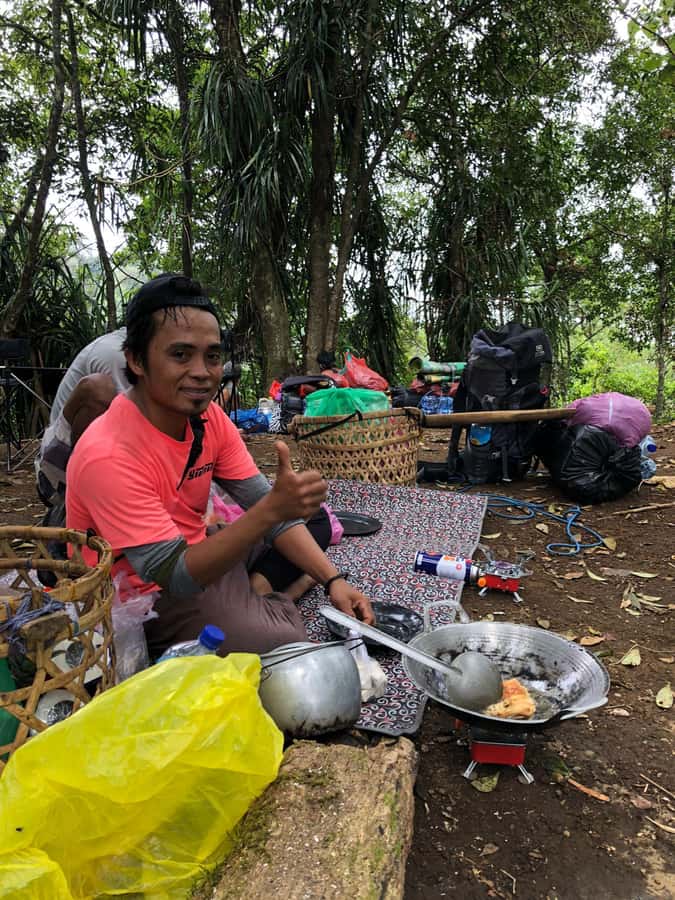
This is not a “you carry everything” trek. Porters carry your camping equipment, and they also handle the gear that would otherwise weigh your pack down. That single choice improves the experience: it turns a brutal hike into a demanding but manageable one.
Meals are another big part of the value. The program includes breakfast, lunch, and dinner, plus safe drinking water. The food is designed to fuel your climb and keep you warm at night.
In practice, the menu varies, but you can expect hearty, camp-friendly options—things like rice dishes, soups, curry, fried bananas, pancakes, fresh fruit, and coffee or tea. Some hikers also mention fun extras at the top, but don’t count on a specific treat. Count on real calories.
Also pay attention to the equipment side. Clean sleeping bags and a working tent set up matter when your body is tired and your mind just wants rest.
The Guide Matters: English Support and a Pace That Doesn’t Break You
You’ll have a live trekking guide in English, and you’ll be in a small group (up to 15 people). That helps on a trek with altitude and changing terrain.
From the guide approach described, the better experience comes when the guide:
- Watches your pace
- Offers breaks when you need them
- Keeps the group safe on steep or slippery parts
If you want a personality match, some guides have been named in past treks—Ibrahim, Will, Sip, Odi, Sapar, Arteri, and Ojik. If you see a guide you like in the booking notes or preferences, that can be worth requesting.
Even with a fun guide, the mountain is still the boss. So take the breaks your guide offers seriously—especially on the ascent.
What to Pack (Small Bag, Big Impact): Your 5 Kilogram Rule
The trek includes trekking shoes, long pants, and gloves not included, plus a small day pack is also not included. You’ll pack everything you carry into a small backpack of no more than 5 kilograms.
Items listed to bring:
- Trekking shoes
- Toiletries and personal medication
- Sunscreen and insect repellent
- Camera and a small towel
- 2–4 cotton t-shirts
- Long trek pants
- Windproof jacket
- 2 pieces of shorts
- Sandals
- Swim wear
My practical advice: even if you’re tough, don’t try to “win” the packing game with fewer layers. Rim temperatures can drop, and the wind can bite after sunset.
If you don’t have trekking poles, consider renting or adding a small packable support if your body likes it. The descent can be slippery, and good foot habits save you from unnecessary slips.
Price and Value: What the $150 Covers and What Costs Extra
The listed price is $150 per person for 2 days. That’s a solid figure when you look at what’s included: guide, porter support, meals, safe drinking water, trekking insurance, and full camping equipment for one night at the rim.
What’s included:
- Trekking guide
- Porter to carry camping equipment and personal belongings
- Meals and drink (breakfast, lunch, dinner)
- Safe drinking water
- Camping equipment (tent, chairs, toilet tent, sleeping bag, pillow, mattress)
- Trekking insurance
- One night camping on the crater rim of Senaru
What’s not included:
- Trekking shoes, long pants, gloves
- Small bag/day pack
- Rinjani National Park entrance fee
On top of that, you should budget for the permit registration cost described as RP 250,000 per person per day and make sure your quota permits line up (because 240/day is the reality). If you handle registration yourself via ERinjani, you’ll still want to allow time for data entry and payment.
Bottom line on value: this price buys you less carrying, better sleep setup, and a guide system that reduces risk on a demanding hike. If you’re paying for a guided, porter-supported crater rim camp, this format generally makes financial sense.
Who Should Book This Trek, and Who Should Skip It
This trek is for people with a good level of fitness and the ability to walk long distances. It’s also not for everyone.
You must not join if you:
- Suffer from mountain sickness
- Have a height phobia
Why that matters: altitude plus steep terrain is not negotiable. Even with a guide and breaks, you’re still hiking up to a rim near 2,641 meters and descending for hours.
Who it suits well:
- You want a rainforest-to-crater experience in a tight timeframe
- You’d rather pay for porters than struggle with heavy gear
- You enjoy sunrise/sunset moments and don’t mind long hiking days
Final Call: Should You Book Mount Rinjani 2D1N to Senaru?
If you want the crater rim experience and you can handle steep hiking, this trek is a strong pick. The mix of rainforest day 1, crater rim camping, and sunset over Bali’s Mount Agung is exactly the kind of high-impact, short-duration trip you remember.
Skip it if you’re not confident about long climbs, if your knees dislike steep descents, or if altitude-related issues are a concern. And do not treat permits as paperwork you can handle later. Registration matters because the quota is limited, and if it runs out, you’ll lose your day and your schedule.
If you go, go prepared: pack light (up to 5 kg), bring layers for the rim, and trust the guide when it’s time to slow down.
FAQ
How hard is the Mount Rinjani 2-day trek to the crater rim?
It’s described as challenging. You should have good fitness and be able to walk long distances. The climb and the descent include steep and sometimes slippery sections, so take it seriously even if you hike regularly.
Do I need to register permits for Mount Rinjani National Park?
Yes. Permits/tickets are limited to 240 per day. You should register early, because if permits run out, you may not be able to do the trek on the day and might need to reschedule.
How do I register for the permits using the ERinjani app?
You can register via the ERinjani app by entering details like your passport number, full name, birthday, weight and height, and nationality. After that, you pay directly via Indonesian bank transfer to the government account, listed as RP 250K per person per day.
What’s included in the $150 per person price?
Included are the trekking guide, porters for camping equipment and personal belongings, meals (breakfast, lunch, dinner), safe drinking water, camping equipment, trekking insurance, and one night camping on the crater rim of Senaru.
What is not included?
Not included are trekking shoes, long pants, gloves, a small day pack, and the Rinjani National Park entrance fee.
Where do you sleep during the trek?
You camp for one night at the crater rim.
What should I pack, and how much can I carry?
You should pack your items in a small backpack of no more than 5 kilograms. The recommended items include trekking shoes, toiletries and personal medication, sunscreen and insect repellent, a camera and small towel, cotton t-shirts, long trek pants, a windproof jacket, shorts, sandals, and swim wear.