REVIEW · ANCONA
Ancona: Urban Trek Tour with Wine and Food Tasting
Book on GetYourGuide →Operated by Ivonne Raffaeli · Bookable on GetYourGuide
Ancona packs a surprising amount into a small walk. This private urban trek links sea views, Greek origins, and Roman monuments in about 6 km, guided by Ivonne Raffaeli’s local, personal connection to the land. I love the way the route keeps you looking outward at the harbor and cliffs while learning what you’re actually seeing, and I also like the historical jump from Dorian Greeks to Roman Ancona without feeling rushed. One possible drawback: the wine and food at the end aren’t included in the price, and if your timing is tight, you may not make it there.
You’ll start with a meet-up that’s easy to find: in front of the war memorial in the center of the square. From there, you’ll move through classic Ancona spots—Passetto, the Parco del Cardeto area, an old lighthouse, then Roman-era highlights like the amphitheatre, Cathedral, and the Arch of Trajan.
Practical note: this is real walking time (about 3 to 4 hours on your feet, even if the tour lasts 4 hours total). Comfortable shoes matter, shorts aren’t allowed, and it’s not suitable for wheelchair users or for very young kids or very elderly guests.
In This Review
- Key highlights at a glance
- Ancona’s shape tells the story: Greek elbow, Roman monuments
- Meeting in the center: the war memorial start point
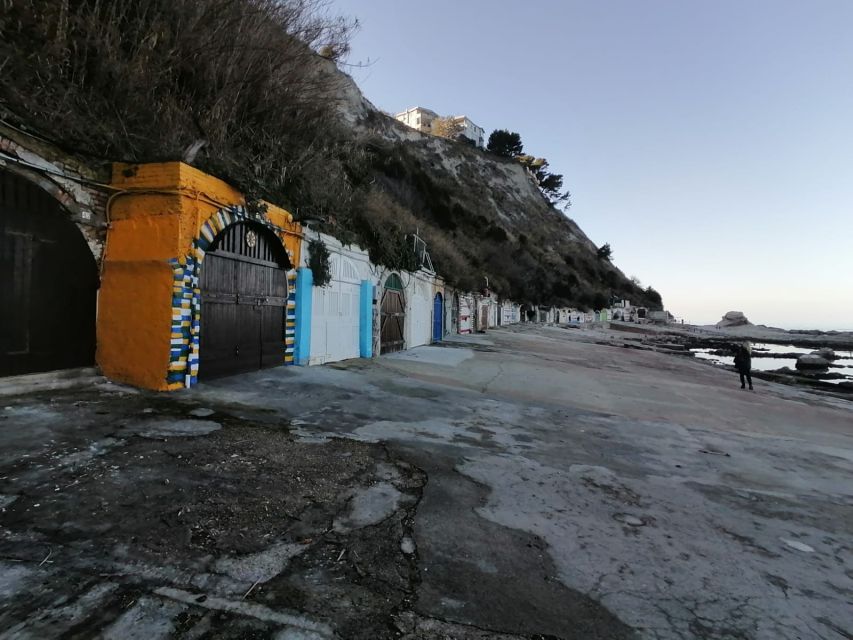
- Passetto of Ancona: where you get the big sea-and-cliff orientation
- Parco del Cardeto above the cliffs: Jewish cemetery and old city walls
- An old lighthouse from 1860: light that still anchors the view
- Roman amphitheatre (1st century AD): built for crowds, still built into the city
- Ancona Cathedral and Saint Ciriacous: Romanesque with a local patron
- Arch of Trajan: 115 AD and the power of a single frame
- Wine and stockfish at the end: how to plan for it
- Price and value: $235 for a private walk through big highlights
- Who should book this Ancona trek, and who should skip it
- Should you book this Ancona Urban Trek Tour with Wine and Food Tasting?
- FAQ
- FAQ
- How long is the Ancona urban trek tour?
- How far do you walk?
- Is the wine and food included in the tour price?
- What are the main stops on the tour?
- What languages is the guide available in?
- Where is the meeting point?
- Is this tour wheelchair-friendly?
Key highlights at a glance
- 2,400 years of history in 6 km, from Greek settlement to Roman architecture
- Cliff-and-sea viewpoints built into the route, not added as an afterthought
- Parco del Cardeto with an old Jewish cemetery and old city walls above the harbor
- Passetto of Ancona for that first big sense of place over the water
- Roman amphitheatre, Cathedral, and Arch of Trajan on one efficient walk
- Finish with a local wine and food tasting option (not included)
Ancona’s shape tells the story: Greek elbow, Roman monuments
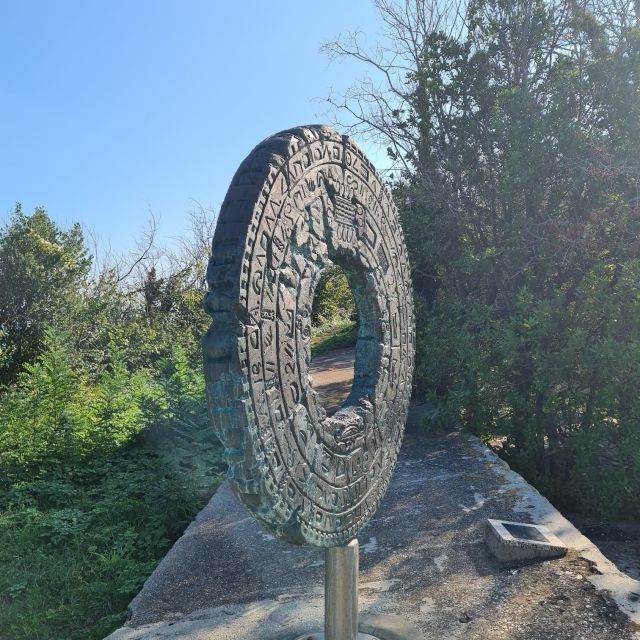
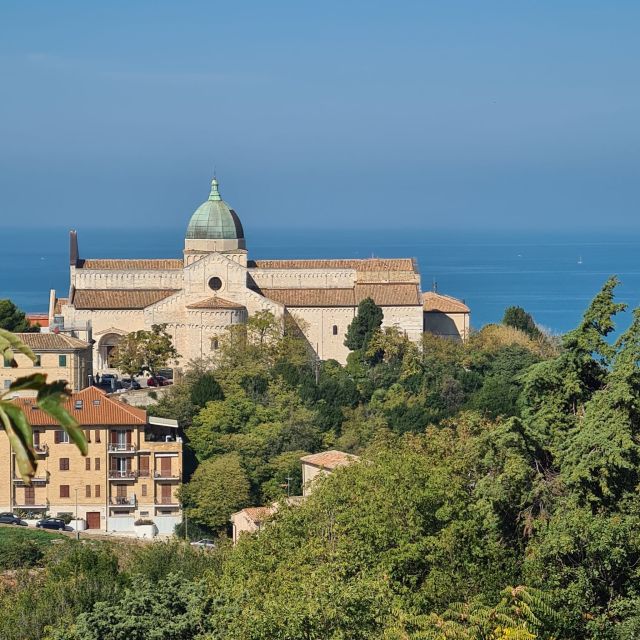
Ancona sits on a promontory above the sea, forming a natural harbor inside the Gulf of Ancona. Even the name has a clue: Ancona comes from the Greek word Ankon, meaning elbow, which matches the peninsula’s curve.
The route makes this geography feel practical. You’re not just reading a history lesson—you’re walking the kinds of edges that attracted people in the first place. The Dorians from Sicily founded Ancona in 387 BC and chose this spot because the natural harbor offered a good place to stop. Later, Roman Ancona grew into a city that left major stone markers you can still see today.
That’s why I like this tour’s pacing. You cover about 6 km in roughly 3 to 4 hours of walking, so you can actually move between eras. You also get viewpoints along the way, so the history lands in your body—sea on one side, city on the other.
The guide—Ivonne Raffaeli—also shows up as a real reason to book. The best tours don’t just recite dates. They explain why a wall or a church or an arch matters in this exact place, and Ivonne’s connection to the land comes through in the way the experience is described.
Meeting in the center: the war memorial start point
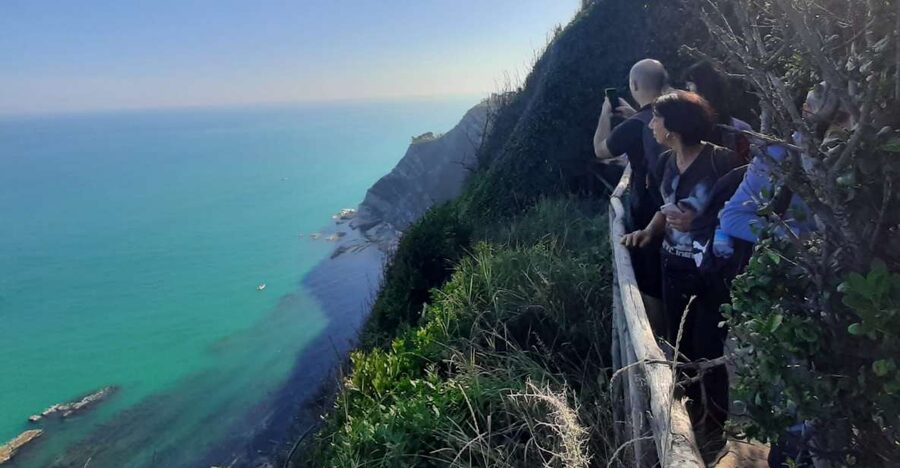
You meet in front of the war memorial in the center of the square. It’s simple, central, and the kind of meeting point that reduces stress. You’re not hunting for a hidden kiosk, and you’re not guessing which street corner looks right.
Because there’s no hotel pickup or drop-off, plan to arrive a little early so you can settle in. Once the tour starts, you’ll keep a walking rhythm. This is especially important if you’re mixing it with a cruise day or another tight schedule, since the tour doesn’t sound designed around long waits.
One other small but meaningful detail: it’s a private group. That means you’re not stuck with a long chain of pace-breakers. You can ask questions in English or Italian, and Ivonne can steer the explanations toward what you’re actually interested in—harbor life, architecture, or the little historical clues that show up in the city’s layout.
If you want to make the most of your first stop—Passetto—arriving on time matters even more. That’s where the city opens up visually.
Passetto of Ancona: where you get the big sea-and-cliff orientation
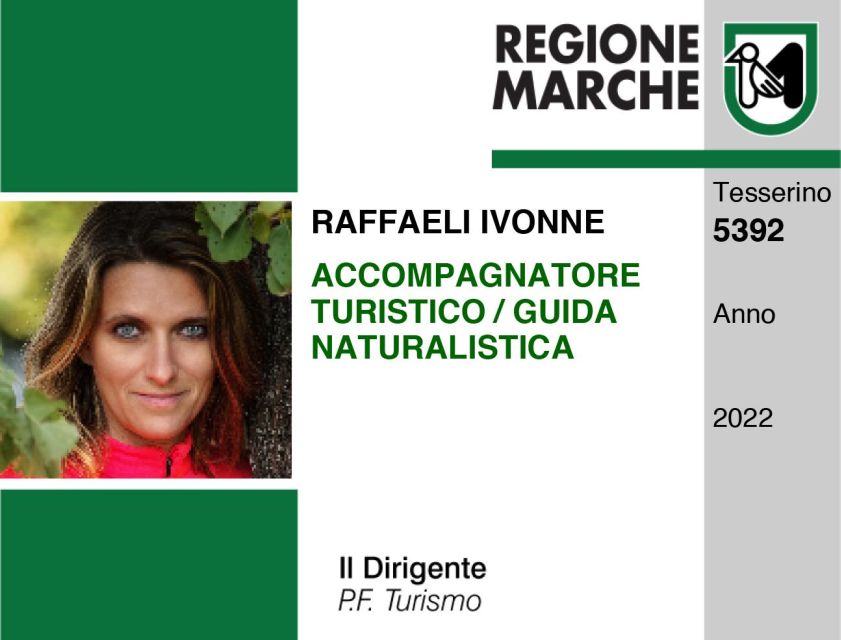
The first stop is Passetto of Ancona. Think of this as your mental map starter. It’s where the tour ties the city’s shape to what it offers visitors: high views over the sea and a sense of how Ancona guards and displays its harbor.
Even before you reach the Roman landmarks, you’ll be learning how the port and surrounding hills shaped movement and settlement. Ancona’s harbor is described as the inner part of the Gulf, protected by the promontory. Walk the top areas first and you’ll better understand why people kept choosing this place for thousands of years.
This part of the experience is also your warm-up for the day. The tour is 4 hours total, but the real work is your steady walking. Passetto helps you ease in with a payoff right away: you can look outward, register what’s around you, and then start connecting it to history.
Comfort tip: this is a walking tour, so wear shoes that won’t punish you after an hour. If your feet are already sore before you start, the rest of the city will feel longer than it needs to.
Parco del Cardeto above the cliffs: Jewish cemetery and old city walls
Next up is Parco del Cardeto, described as a park above the cliffs of Ancona and rich with history. This stop matters because it’s not only scenic—it’s layered.
You’ll cross the park area and learn about two specific historic elements:
- an old Jewish cemetery
- an old wall of the town
That combination makes Parco del Cardeto feel different from a standard viewpoint. It’s a place where you can literally see how communities and city defenses sat in the same zone. Standing above the sea and looking down, you’ll get a stronger sense of why the city’s defenses and its social history belong together here.
It’s also a useful “breather” in the route. In a good way, it resets your eyes. One moment you’re watching the coastline. The next you’re hearing how a park above the cliffs carries evidence of earlier lives and earlier planning.
Potential drawback: since this is a walking tour with real time on foot, you’ll need the stamina for multiple stops, not just one or two. If you’re someone who wants mostly inside visits, the outdoor sections may feel like work.
An old lighthouse from 1860: light that still anchors the view
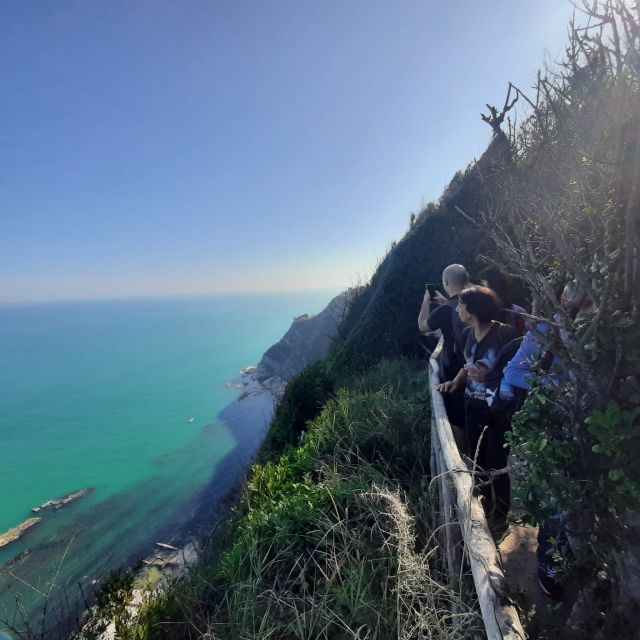
After the park, the itinerary includes the Old Light House (1860). This stop is a reminder that Ancona’s sea orientation didn’t disappear after Rome. The city kept developing tools for navigation and safety.
What’s valuable here is the way it links to the harbor story. You’re moving through time, but the theme stays consistent: Ancona’s relationship with the sea. A lighthouse works as an explanation device. It helps you understand how a harbor city thinks—visibility, guidance, and risk.
You’ll likely use this as a visual pause before the Roman-heavy sequence. Once you start hitting Roman architecture, the details can stack quickly. A lighthouse stop gives your brain a small reset and lets you appreciate how the city kept reinventing itself for maritime life.
If you’re the type who loves small anchors—one solid structure that makes the rest of the day easier to understand—you’ll appreciate this.
Roman amphitheatre (1st century AD): built for crowds, still built into the city
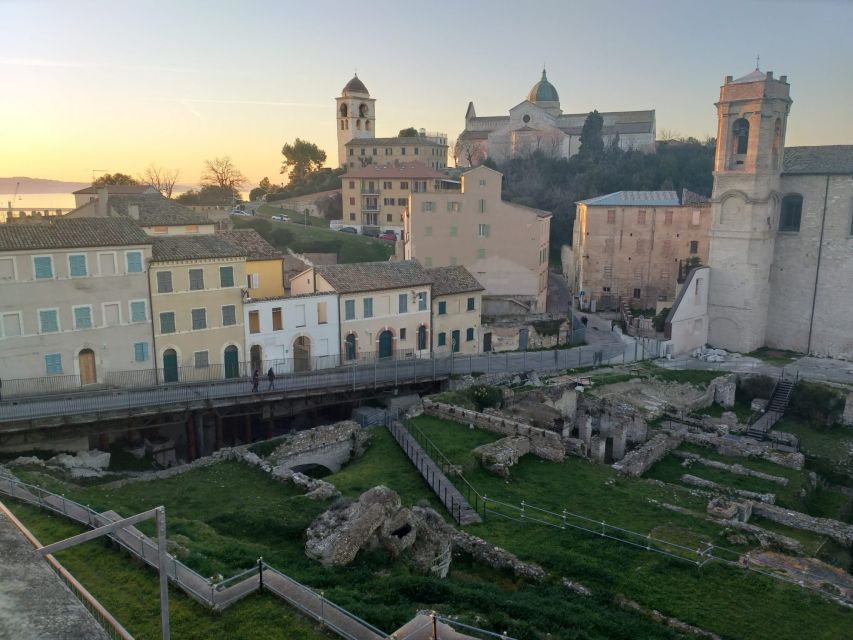
The route continues to the Roman amphitheatre (I sec AC). This is one of the big payoffs: a major structure from Roman Ancona. Roman amphitheatres were made for audiences, and here it’s another way of seeing how the city organized public life.
What I like about including it during a walking trek is that you encounter it as part of the city fabric—not isolated like a museum. The tour structure keeps you moving, so the amphitheatre doesn’t feel like a box to tick. It feels like a landmark inside an active urban landscape.
Keep in mind you’ll be outdoors and walking between stops. So if you’re expecting a calm sit-down visit, plan to take a quick breather when you can, but don’t expect long pauses built into the schedule.
Ancona Cathedral and Saint Ciriacous: Romanesque with a local patron
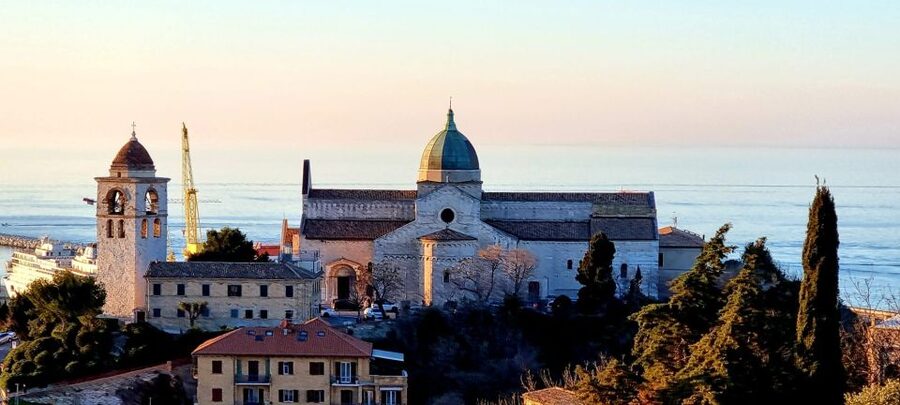
Next is Ancona Cathedral, dedicated to the patron of Ancona: Saint Ciriacous. The cathedral is noted as one of the best examples of Romanesque architecture in the area.
This is where the tour shifts from the outdoor mass of a theater to the slower, devotional architecture of a cathedral. And that contrast is useful. You get a sense of Roman and later religious identity sitting side-by-side with civic life.
If you enjoy architecture, Romanesque features can be easier to spot when you’ve just seen other major Roman elements earlier in the walk. The cathedral doesn’t replace the Roman stops; it helps complete the city’s timeline.
Potential drawback: because this is still a walking schedule, interior time may feel more structured than you’d get on a longer self-guided visit. If you want to linger, build in a bit of extra time before or after your tour.
Arch of Trajan: 115 AD and the power of a single frame
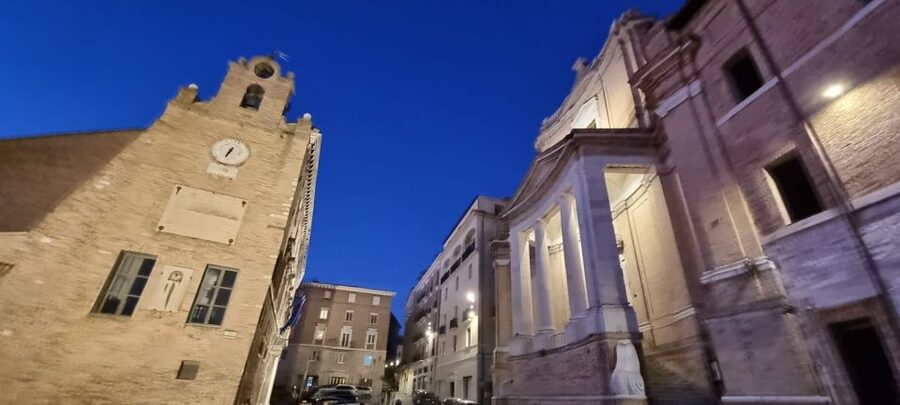
Finally, the itinerary includes the Arch of Trajan in Ancona, a Roman triumphal arch erected during the Roman Empire in 115 after Christ.
A triumphal arch is a fast way to understand what a society wanted to advertise. This one gives you a clear Roman statement you can frame visually as you move through the city.
I like the placement near the end of the walk. By this point, you’ve already seen multiple Roman anchors—amphitheatre and cathedral—so the arch lands as another piece of the same puzzle, not a standalone monument.
And because this day is about moving through 2400 years in about 6 km, the arch serves as a strong capstone: a date you can remember, and a structure you can’t really miss once you’re there.
Wine and stockfish at the end: how to plan for it
The tour finishes with a local wine and food tasting option in the area of Colle Guasco, the hill in front of the port (mentioned as part of Ancona’s town heart).
Here’s what you should know: the food and wine described—stockfish with roast potatoes plus a selection of local wines—is not included in the price. You’re being guided into the right moment and the right menu theme, but you’ll likely pay separately.
The wine options listed include:
- Red: Rosso Conero or Lacrima di Morro d’Alba
- White: Verdicchio dei Castelli di Jesi or Matelica
- Cheese pairing mentioned: Pecorino Offida
In a perfect schedule, you’ll have time to try. But if you’re on a tight timeline, timing can squeeze the tasting. So I’d treat the tasting as a bonus you’ll aim to enjoy, not something you should count on with zero flexibility.
If you’re a serious foodie, this ending is still worth it because it gives you a local “taste of place” that matches what you just learned about Ancona’s port identity.
Price and value: $235 for a private walk through big highlights
The price is $235 per group for a private group (up to 1). That can sound steep until you translate it into what you actually get here: a guided 4-hour experience focused tightly on major sights, with about 6 km of walking connecting multiple eras.
For value, the key is the guide. Ivonne Raffaeli is described as excellent and very well-prepared, and that matters on a walking route where you’re constantly passing things you might otherwise not understand. When a guide can explain why the park wall, cemetery history, and Roman structures connect, you feel like you’re paying for interpretation—not just movement.
Also, the tour is structured. In a short span, you hit:
- Passetto
- Parco del Cardeto
- Old Light House (1860)
- Roman amphitheatre (1st century AD)
- Ancona Cathedral (Romanesque; Saint Ciriacous)
- Arch of Trajan (115 AD)
One cost note: since wine and food aren’t included, your total spend may be higher if you want the tasting. Still, even then, the tour can feel like a good use of limited time in Marche.
Who should book this Ancona trek, and who should skip it
This tour fits best if you:
- want a private, guide-led walking experience with big landmarks
- enjoy history that you can see on the street, not just read off a plaque
- like coastal-city viewpoints and want them tied to explanations
- can handle about 3 to 4 hours walking over a 4-hour tour window
It’s not suitable for wheelchair users, and it’s also not for children under 6 or people over 95. The shorts rule also tells you to dress for walking comfort and practicality.
If you’re someone who needs frequent stops, very slow pacing, or mostly indoor sights, you might find the pace challenging. And if your day is tied to a strict transportation schedule, keep in mind that time can affect whether you reach the end tasting.
The weather matters too. In light rain, the tour can run with a raincoat or umbrella. Thunderstorms make it unsafe, and if rain is heavier, an alternative option may be offered that you can freely decide on.
Should you book this Ancona Urban Trek Tour with Wine and Food Tasting?
If your idea of a great day is walking a real city with a guide who connects what you’re seeing to why it exists, this is a strong choice. The mix—Greek port identity, cliffside park history, Roman monuments, and a food-and-wine finish—is tightly packaged for 4 hours.
I’d book it if you can comfortably walk 6 km and you’re open to paying extra for the wine and food tasting. You’ll get the kind of guided clarity that turns scattered landmarks into a coherent story.
I’d skip it if mobility is limited, if your group includes someone under 6 or over 95, or if you’re trying to cram it into a schedule where you absolutely must be back at a specific time no matter what.
FAQ
FAQ
How long is the Ancona urban trek tour?
The tour lasts about 4 hours total, with around 3 to 4 hours of walking.
How far do you walk?
You’ll walk about 6 km in total.
Is the wine and food included in the tour price?
No. The food and wine tasting is not included in the price.
What are the main stops on the tour?
The tour includes Passetto of Ancona, Parco del Cardeto, the Old Light House (1860), a Roman amphitheatre (I sec AC), Ancona Cathedral, and the Arch of Trajan.
What languages is the guide available in?
The live tour guide is available in English and Italian.
Where is the meeting point?
You meet the guide in front of the war memorial in the center of the square.
Is this tour wheelchair-friendly?
No, it’s not suitable for wheelchair users.