REVIEW · KABALE
1 Day Gorilla Trekking Mgahinga Gorilla NP & Lake Bunyonyi
Book on Viator →Operated by Safari 2 Gorilla Tours · Bookable on Viator
One hour with wild gorillas changes everything. I love the senior ranger briefing that sets clear rules before you go, and I also love that you’ll spend a full hour with the gorilla family once you find them. The main drawback to keep in mind is the grind of an early 5:00 am start, plus lunch isn’t included and there’s no porter to lighten the load.
This is a tight day with private transportation and a small cap on the activity, up to 20 travelers, which keeps things moving. You’ll start with breakfast near Lake Bunyonyi, drive toward Bwindi Impenetrable National Park or Mgahinga Gorilla National Park, hike in with ranger support, then head back after the gorilla hour—done in one day, no hanging around all day.
In This Review
- Key Points You’ll Care About
- Gorilla Trekking in Bwindi or Mgahinga: The Real Appeal
- The 5:00 am Start From Lake Bunyonyi (And Why It Matters)
- What Happens at the Rangers Station: The Briefing That Sets the Tone
- The Trek Itself: Moderate Hiking in Real Jungle Conditions
- One Hour With Gorillas: Watching Behavior, Not Just Getting Photos
- How Your Guide and Driver Shape the Day
- Price and Value: Is $1,400 Fair for a One-Day Gorilla Trek?
- Group Size, Scheduling, and What Helps the Day Feel Smooth
- Tips for Getting the Most Out of Your Gorilla Hour
- Who Should Book This 1-Day Gorilla Trek
- Should You Book Safari 2 Gorilla Tours for This Day?
- FAQ
- What parks are included in the gorilla trekking?
- What time does the tour start?
- Is the gorilla trekking permit included?
- How long will I spend with the gorillas?
- Is lunch included?
- Is pickup included?
- Do I need a porter?
- What is the minimum age?
- What happens if I cancel or ask to change dates?
Key Points You’ll Care About
- 5:00 am start: you’ll be up early, because gorilla time is all about being at the ranger point on schedule
- Senior ranger briefing: you get the rules from a ranger before you enter the search area
- Private transportation: pickup included, plus a direct drive to the park area you’re assigned
- One-hour gorilla viewing: once found, you get time to watch behavior, not just a quick glance
- Moderate trek expectations: plan for a hike, and note there’s no porter included
- Permit is included: the gorilla trekking permit is part of your package price
Gorilla Trekking in Bwindi or Mgahinga: The Real Appeal
Uganda is one of the only places where gorilla trekking feels both wild and strictly managed. That combination is exactly what makes it work for you: you’re walking through real forest habitat, but your ranger is steering the whole situation so it stays respectful and safe.
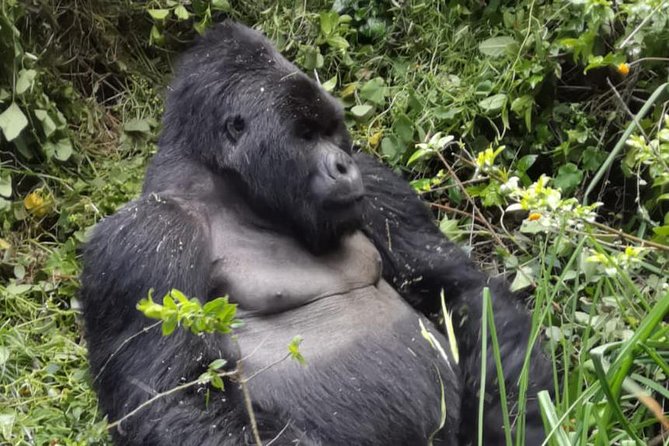
With this 1-day format, the promise is simple. You’ll hunt (patiently) for gorillas with trained support, then you’ll get a real hour up close once the group is found. For many people, that hour is the part that sticks. Not the drive. Not the checklist. The way a silverback’s presence slows your breathing down, and the way the whole family looks like it’s operating on its own quiet schedule.
The route can be Bwindi Impenetrable National Park or Mgahinga Gorilla National Park, depending on where your trekking day is set. The big takeaway is that you’re getting a guided gorilla experience with a ranger takeover at the park station, not a random hike with no structure.
The 5:00 am Start From Lake Bunyonyi (And Why It Matters)
Your day begins early—start time is 5:00 am—after breakfast at your hotel on Lake Bunyonyi. If you’re the type who wants a slow morning, this is not that day. But if you care about maximizing your chances of having a smooth, on-time trekking experience, the early start makes sense.
From there, your driver guide meets you and you set out toward the park area. The timeline is tight: you’re looking at about two hours to arrive at the rangers station where the briefing happens. That road time is part of the trade-off of doing gorillas in one day. You’re not adding a second night in the bush. You’re squeezing the whole experience into daylight and ranger timing.
One practical thing I’d plan around: since lunch isn’t included, your best strategy is to not count on food solving fatigue later. You’re hiking and waiting in the forest, so think about keeping energy up during the morning. The tour handles the gorilla permit and transport; you’ll need to handle your own fuel.
What Happens at the Rangers Station: The Briefing That Sets the Tone
When you arrive at the ranger station, a senior ranger guide runs the briefing. This is more than a formality. It’s what turns gorilla trekking from a fun idea into a real, well-run wildlife encounter.
In plain terms, you’ll be told how to behave once you’re near gorillas, how to move, what distance to keep, and how to follow ranger instructions during the trek. Even if you’ve done other safaris, gorillas are different. Your actions can affect their comfort, and the rangers are protecting both the gorillas and people.
This is also where the day’s shape becomes clear. Your briefing is followed by hiking into the jungles of either Bwindi or Mgahinga in search of gorillas. Once the gorillas are found, the ranger team guides you through the viewing so you get that full hour without chaos.
You’ll feel it when you’re there: the ranger’s job is to keep order, and your job is to listen and follow directions. That’s how you end up with a calm, memorable gorilla hour instead of a stressful scramble.
The Trek Itself: Moderate Hiking in Real Jungle Conditions
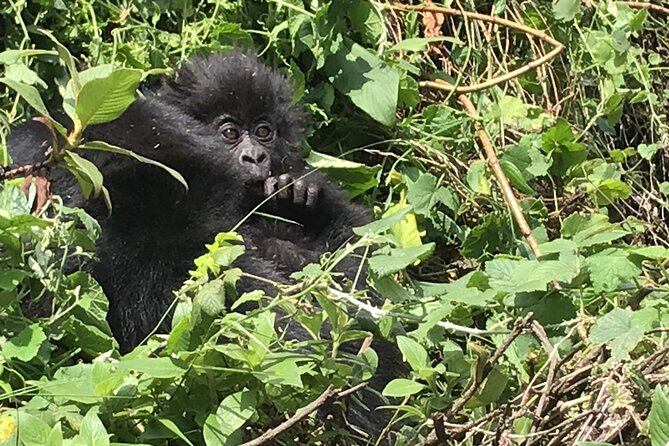
The trek is described as a hike into the forest to search for gorillas, and the tour asks for moderate physical fitness. Translation: expect uneven ground, time spent moving slowly, and the reality that forest hiking is not like walking on a park path.
The good news is that you’re not doing it blind. You’re hiking with ranger support, and the goal is straightforward—find the gorilla group. When the pace changes, your ranger is managing it based on where gorillas are and how you should approach.
Also note the structure of your day. After your gorilla viewing hour, you return to the ranger station, and then you drive back to where the day began. This means you’re not planning for a long multi-day trek where you settle into camp life. It’s a focused day: hike in, gorillas for an hour, walk back out, then back on the road.
One thing to consider: there’s no porter during the trekking. That doesn’t mean you’ll carry heavy loads, but it does mean you should be ready to manage your own daypack comfortably. If you’re prone to overpacking for small hikes, this is where you’ll want discipline.
One Hour With Gorillas: Watching Behavior, Not Just Getting Photos
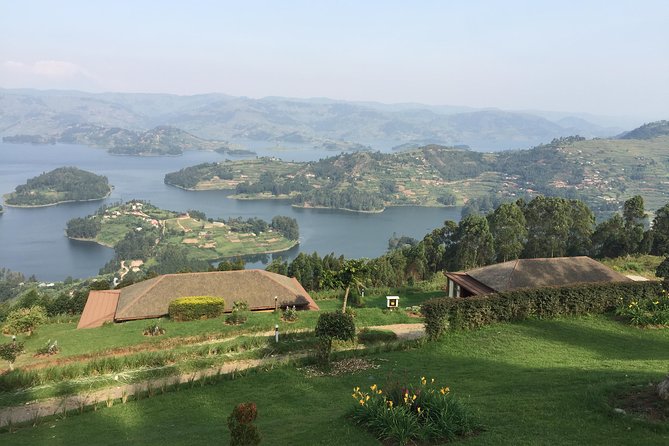
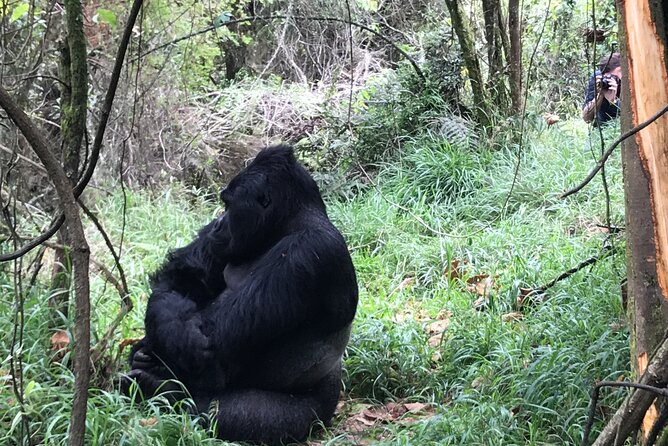
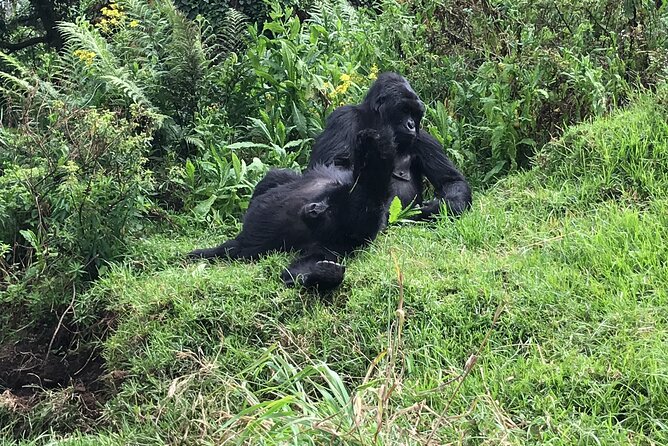
Once gorillas are found, you stay with them for one hour. That hour is the heart of the experience, and it’s worth treating it like a behavior-watching session rather than a sprint for photos.
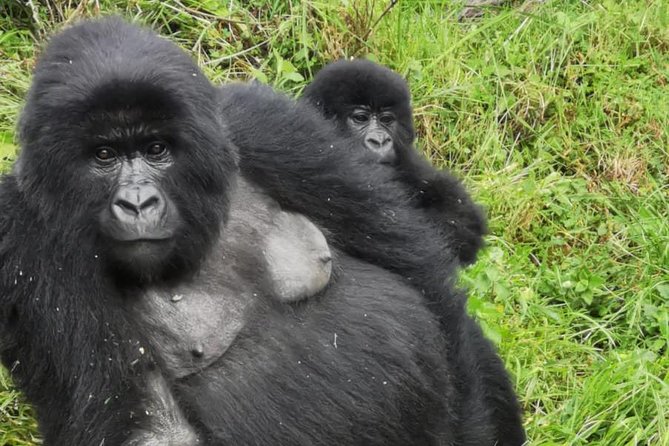
Yes, you’ll get photo opportunities. But the bigger value is what you notice when you’re not rushing. Gorillas aren’t performing for a camera. You’re seeing how they move through the forest, how family members interact, and how a silverback’s posture changes the mood of the moment.
This is where the ranger support really earns its keep. A good ranger team keeps you at the right distance and handles timing so you can watch. It also helps everyone stay calm when emotions run high. Standing a safe distance away, you’re still close enough to feel the weight of the encounter—just without turning it into a crowd scene.
If you’re a photography person, I’d plan on this: you might get better shots by slowing down than by sprinting for the perfect angle. Let your eyes adjust to the forest light, and wait for movement. The hour is long enough for patience to pay off.
How Your Guide and Driver Shape the Day
This experience is built around coordination. You get private transportation, pickup is offered, and the schedule stays tight so you can be at the ranger station in time.
On the people side, names aren’t guaranteed for every booking, but you may deal with a company contact who helps with planning and communication. In accounts from previous travelers, a coordinator named Aron is described as professional and quick to respond. On the field side, you’ll have senior ranger guidance from the Ugandan wildlife team, and for some days a ranger named Francois has been associated with the guiding role. A driver named Martin has also shown up in accounts about handling the road part smoothly.
Even without those exact individuals, the structure matters: you want a driver who understands timing, and you want a ranger who knows how to run the briefing and viewing so the group stays controlled. That combination is what makes the one-day format feel doable.
Price and Value: Is $1,400 Fair for a One-Day Gorilla Trek?
At $1,400 per person, this is a serious investment. The key to judging value is what’s included and what’s not.
Included:
- Gorilla trekking permit
- Private transportation
Not included:
- Lunch
- Porter during the trekking
Gorilla trekking permits are expensive because opportunities are limited and gorillas are protected. By bundling the permit into your price, you’re not facing the common headache of hunting down separate costs and rules yourself. The private transport also helps because you’re doing this as a single-day plan. You don’t want delays that can steal daylight from your trek.
What’s on you: your meals and your packing comfort. Since lunch isn’t included and there’s no porter, you should budget for food and plan your daypack like it matters.
Is it a good value? For many people, yes—because the alternative is paying for permits plus separate logistics, or doing a slower multi-day trip where you spend more on hotels and time. This option is basically: buy the permit and pay for efficient transport so you can focus on the gorilla hour.
If you’re comparing prices, don’t just look at the headline figure. Check whether the permit is truly included and whether you’re paying extra for key parts like park access and transport. Here, the permit and transport are clearly part of the package.
Group Size, Scheduling, and What Helps the Day Feel Smooth
The activity has a maximum of 20 travelers. That’s not a private charter in the sense of being just you and a ranger, but it’s small enough that you’re less likely to feel like you’re trapped in a huge queue.
Scheduling is also built around ranger timing. The start time is 5:00 am, you arrive at the ranger station about two hours later, the senior ranger briefing comes first, then you hike in, then gorillas for one hour, then you return and drive back. This kind of structure matters because gorilla trekking isn’t a flexible walk where you can just start late and catch up.
If you hate tight schedules, this will test you. But if you like clear plans and want a well-run day, the time discipline is part of the value.
Tips for Getting the Most Out of Your Gorilla Hour
You can’t control whether gorillas are nearby, and you can’t control the forest. What you can control is how you prepare for the experience.
First: arrive ready to move. You’re doing a moderate trek, and you’ll be carrying your own essentials because there’s no porter. Pack smart so your body feels good during the hike.
Second: treat the hour like it’s about watching. Your best photos often come from calm attention, not frantic positioning. Listen to ranger instructions and give the group space so you’re not jostling or crowding when you’re close.
Third: plan for the fact that lunch isn’t included. Even if the day is well organized, you’re still responsible for keeping your energy steady through morning hiking and waiting.
Finally: communication counts. If this is your first gorilla trek, ask questions before you go. A smoothly run day depends on people being aligned on what happens next.
Who Should Book This 1-Day Gorilla Trek
This is a great fit if you want:
- A single-day gorilla trek without adding extra nights
- Private transportation and a clear schedule
- The full experience of a ranger briefing, a search trek, and a full hour of viewing once gorillas are found
It may not be the best fit if:
- You strongly prefer late mornings and relaxed pacing
- You need lunch included or you don’t want to manage your own meals
- You’re not comfortable with a moderate hike and carrying your own trekking essentials
The age minimum is 15 years and above, so it’s also a good option for older teens traveling with adults.
Should You Book Safari 2 Gorilla Tours for This Day?
If your top goal is simple—spend one focused day doing gorilla trekking in Uganda, get a ranger-run experience, and leave without turning it into a multi-day project—this is a strong option to consider. The inclusion of the gorilla permit and private transport makes the price easier to justify, and the structure of the day protects your gorilla hour.
My main caution is practical: the day is early, lunch isn’t included, and there’s no porter, so prepare like it’s a real hike day, not a sightseeing bus tour. If you’re comfortable with that, you’ll likely come away feeling like you bought something rare and real: a measured, respectful hour in the presence of gorillas in their natural world.
FAQ
What parks are included in the gorilla trekking?
Your trek is either in Bwindi Impenetrable National Park or Mgahinga Gorilla National Park.
What time does the tour start?
The start time is 5:00 am.
Is the gorilla trekking permit included?
Yes. The g gorilla trekking permit is included in the tour.
How long will I spend with the gorillas?
Once the gorillas are found, you’ll spend one hour with them.
Is lunch included?
No. Lunch is not included.
Is pickup included?
Pickup is offered, and the tour includes private transportation.
Do I need a porter?
No. A porter during the trekking is not included.
What is the minimum age?
The minimum age is 15 years and above.
What happens if I cancel or ask to change dates?
This experience is non-refundable and cannot be changed for any reason. If it’s canceled due to the minimum number of travelers not being met, you’ll be offered a different date/experience or a full refund.