REVIEW · CENTRAL MOROCCO
Trekking in Morocco / Atlas Mountains and Sahara Trek (5days)
Book on Viator →Operated by Trekking in Morocco · Bookable on Viator
Summit mornings, desert nights, one tight circuit. This 5-day Morocco trek strings together High Atlas hikes and the Sahara’s Erg Chebbi dunes, with village guesthouses, refuge stops, and camel rides built right into the schedule. You also pass the famous film scenery of Ait Benhaddou along the way, so you get mountains and movie-set walls in one trip.
I really like two things here. First, the trip favors local life over constant hotel hopping, from Berber guesthouses in the villages to dinner with a desert camp setup. Second, the guiding tends to be the real strength: you may travel with Ibrahim in the Atlas and Khaled for the Sahara, and the operator coordination (often through Mohamed) is described as quick and helpful.
One possible drawback: this is not a light walk-in-the-park. Day 2 is a big day at high altitude, and you’ll be out roughly 10 to 12 hours on your feet, plus colder conditions can mean extra gear and extra cost in winter.
In This Review
- Quick take: what makes this trek click
- Why this Atlas + Sahara combo works in five days
- Day 1: Marrakech to Imlil, then the climb toward Neltner Refuge
- Day 2: Toubkal summit day (the long one), then Ait Souka village guesthouse
- Day 3: Ait Benhaddou and the Atlas road to Dades Gorges
- Day 4: Todra Gorge to Merzouga, then Erg Chebbi by camel at night
- Day 5: Sunrise dunes, a final camel ride, then back to Marrakech
- Price and value: what $576.88 buys you (and what it doesn’t)
- Guides, small groups, and why the trip feels organized
- What you should pack for nights in refuges and under desert stars
- Who this trek suits best (and who should think twice)
- Should you book this Atlas and Sahara trek?
- FAQ
- What time does the trek start?
- Where do you start the mountain trekking?
- Is the Toubkal summit included?
- Do you sleep in tents or refuges on the trek?
- Do you ride camels in the Sahara?
- What meals are included?
- How many people are in the group?
- Is there an extra charge in winter?
Quick take: what makes this trek click
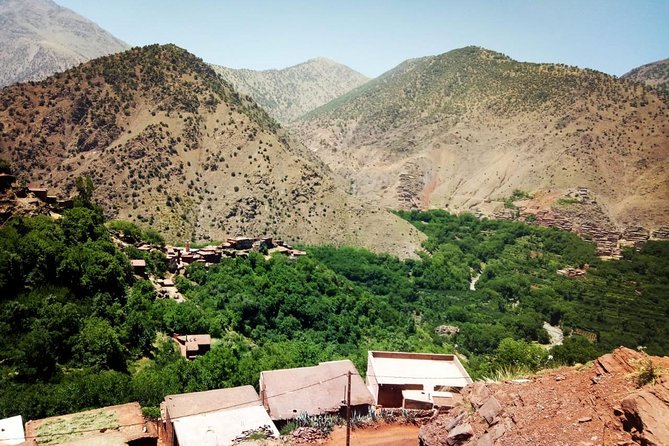
- Toubkal plus Erg Chebbi in 5 days, so you get both worlds without planning two separate trips
- Refuges, village guesthouses, and a desert camp bring variety to the nights (not the same bed every day)
- Mules carry your baggage, which matters once the altitude starts to bite
- Camel rides at sunset and sunrise on Erg Chebbi, plus a camel trek overnight to the dunes
- Small group size (max 15) keeps logistics from getting chaotic
- Support that names specific guides like Ibrahim and Khaled, plus Mohamed coordinating ahead of time
Why this Atlas + Sahara combo works in five days
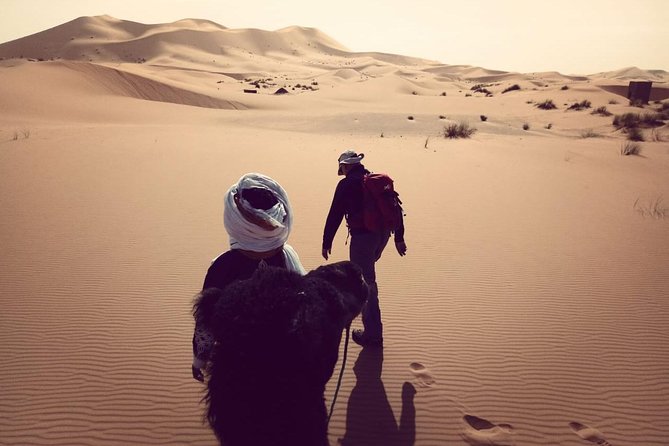
Most Morocco itineraries can’t decide between mountains or desert. This one commits to both, and that’s exactly why it feels special. You start in the High Atlas around Imlil, climb toward North Africa’s highest point, then drop down into the Sahara rhythm at Merzouga and Erg Chebbi. In five days you cover a huge change in altitude and climate, without the “transfer-only” days that can waste vacation time.
The other reason this plan works is pacing. It isn’t just a single long hike and then a bus tour. You get one true mountain trekking day in the Imlil-to-refuge zone (good for settling into trail life), a summit day, then a change of scenery with Ait Benhaddou and the Dades/Todra corridor before the desert portion takes over.
The tradeoff is effort. The mountain section includes serious walking time, especially on summit day. If you have moderate fitness and you train your legs a bit, you’ll likely appreciate the structure more than you’ll dread it.
Day 1: Marrakech to Imlil, then the climb toward Neltner Refuge
You start early, with pickup from your accommodation in Marrakech and a meeting in the Imlil area. From there, you meet your guide and mule team. The mules are there to carry baggage and food, which makes a real difference once your pack would otherwise feel like it has opinions.
Then comes the mountain leg: about five hours of trekking toward Neltner Refuge at 3,207 meters. Lunch happens along the way. That combination—walking for hours, then eating while the route is still active—helps you keep energy steady rather than running on fumes and good intentions.
That night you sleep in a refuge or tent, depending on conditions. Either way, altitude temperatures can shift quickly at elevation. If you’ve ever underestimated mountain nights, you’ll want to treat your jacket like it’s essential gear, not optional.
Day 2: Toubkal summit day (the long one), then Ait Souka village guesthouse
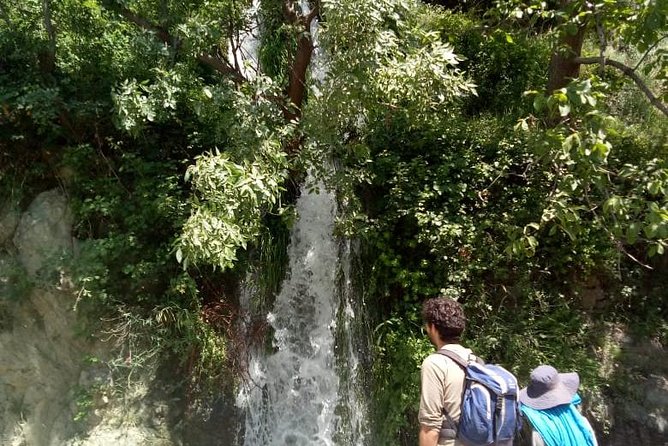
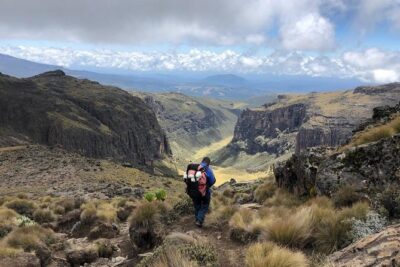
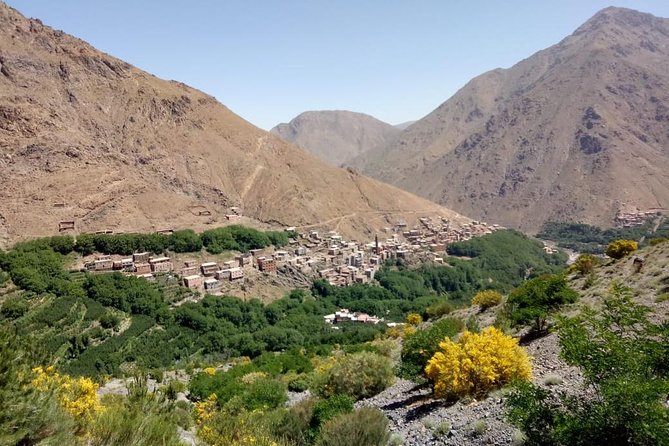
Day 2 is the centerpiece: an ascent to Mount Toubkal, 4,167 meters. The promise here isn’t just altitude bragging rights—it’s the big view payoff. From the top, you can see back toward the desert, which is a neat way to visualize the route you’ll soon follow south.
This is also the longest day: roughly 10 to 12 hours walking. After the summit, you return to the refuge for lunch, then keep trekking on to Ait Souka village where you stay in a local guesthouse.
Two things to know about a day like this:
- You’ll want to manage your pace early, not sprint your way into burnout.
- Your reward isn’t only the summit photo. It’s the shift from high-altitude work to village-life downtime that happens later in the day.
If your body handles steep climbs with steady steps, you’ll likely appreciate the way the route ends in community rather than in another long transit day.
Day 3: Ait Benhaddou and the Atlas road to Dades Gorges
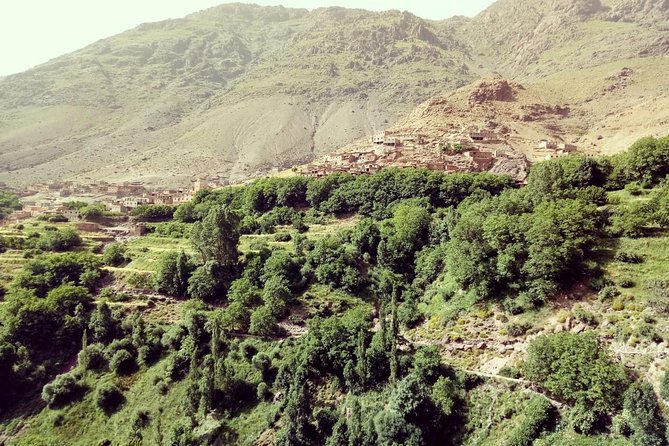
After the mountain grind, the trip turns scenic and cultural. You transfer toward Ait Benhaddou, a World Heritage site known for film backdrops. You travel over the Tichka pass area, which is part of the drama of driving through central Morocco’s High Atlas corridor.
Once you reach Ait Benhaddou, you do some walking there and stop for lunch. Then you continue through Ouarzazat and head to the Dades valley area, where you stay in the Dades gorges.
This day is a good balance valve. After Day 2’s long hours, the route gives your legs a break while still offering movement and viewpoints. It also keeps the trip from feeling like you’re only hiking and then only sitting on roads. The practical upside is that you arrive at the desert approach corridor feeling refreshed enough to enjoy the next day’s transitions.
Day 4: Todra Gorge to Merzouga, then Erg Chebbi by camel at night
Breakfast comes first, then you head to Todra Gorge. This is described as a gigantic fault line that divides the Atlas Mountains into a narrow valley lined with Berber villages. It also rises sharply—up to about 300 meters—so the scale feels real, not postcard-ish.
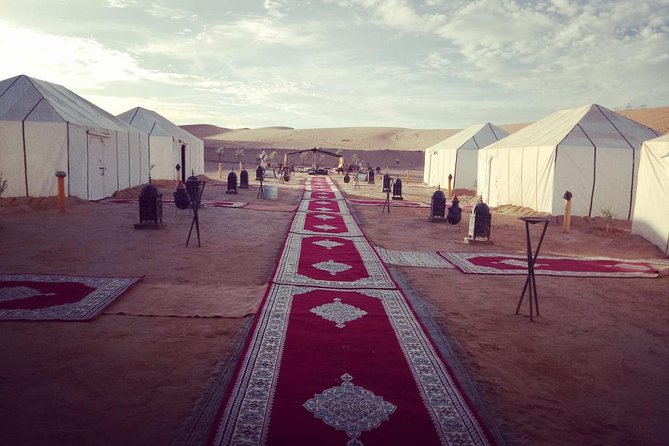
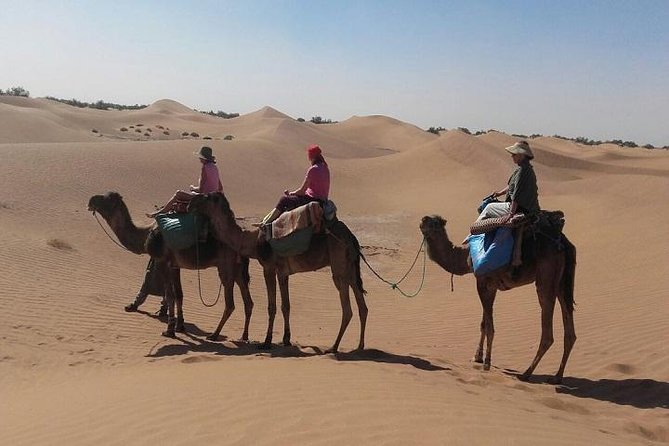
After lunch, you go deeper toward Merzouga. This is the doorway to Erg Chebbi. Then you trek overnight with the camels. And yes, you sleep. That’s not a detail to ignore. Camel-led overnight treks sound tough until you realize the camels are doing the work and you’re mainly walking parts of the transfer while the setup handles the overnight.
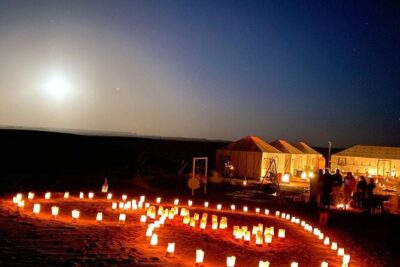
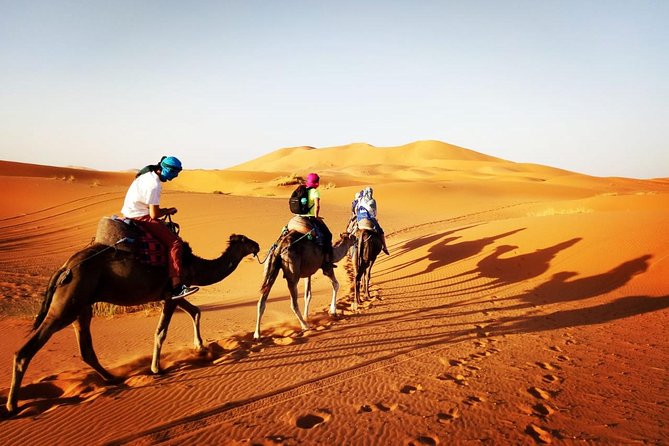
You reach Erg Chebbi dunes, noted as the highest dunes in Morocco. In the evening you ride camels for about one and a half hours at sunset. After the Berber meal at the desert camp, you sleep under the stars.
A quick reality check: desert weather swings can surprise you. Even if you’re warm in the afternoon, evenings near dunes can get cold. Bring your layers and make sure your head torch is where you can grab it without doing parkour.
Day 5: Sunrise dunes, a final camel ride, then back to Marrakech
You start the day with sunrise in the desert. It’s the kind of quiet that makes you notice your own breathing. Then you do another camel ride along the dunes for around one and a half hours.
After that, you meet the driver and head all the way back to Marrakech, arriving around 17h00. That timing matters because it keeps the trip from turning into a random late-arrival scramble. You’ll still have a full travel day feel, but it’s anchored.
The best part of Day 5 is closure. You’ve climbed into the clouds, moved through earthen village culture, and finally watched the desert shift color at both ends of the day. It’s a clean arc.
Price and value: what $576.88 buys you (and what it doesn’t)
At $576.88 per person for about 5 days, this trek can be good value if you’re comparing it to doing the same routing on your own. Why? Because a lot of costs are already handled for you:
- transport from and back to Marrakech
- qualified guide
- mules for baggage and food
- transport south through the route corridor
- camels for the desert portion
- meals: 4 breakfasts, 2 lunches, and 5 dinners
The “not included” list is also straightforward: drinks and lunches during the desert trip aren’t included. So plan on buying water and any extra snacks, and don’t assume you’ll get a free lunch every time the schedule says lunch elsewhere.
One additional cost note: in winter (November to April), there’s an extra 30€ per person. That’s typically about colder conditions and gear needs, so it’s not a random fee you can ignore.
Guides, small groups, and why the trip feels organized
This is a max 15 travelers type of experience. That number sounds small because it is. It helps with pacing, decision-making, and not losing people each time you pause to take in views.
The guidance quality is a recurring highlight. Names that show up in the mix include Ibrahim for the Atlas portion and Khaled for the Sahara. There’s also strong mention of Mohamed handling pre-trip communication quickly and answering questions in an informative, helpful way. If you’re the kind of traveler who likes clear answers—how hard things are, what to pack, what the schedule means—that kind of support reduces stress.
Also, having separate expertise for different environments makes sense. A mountain guide knows how to handle altitude rhythm, cold mornings, and route steadiness. A desert guide knows dunes timing, camel routine, and how to keep the desert portion feeling smooth instead of confusing.
What you should pack for nights in refuges and under desert stars
The tour info gives a solid packing list. I’d treat these as non-negotiables:
- sleeping bag
- walking boots
- jacket
- warm and light layers
- hat and sun protection (sun cream, sunglasses)
- gloves
- head torch
Here’s why that matters: your trip shifts through cold and heat fast. Refuge or tent nights at 3,200+ meters can feel harsh compared to Marrakech daytime. Then you swing into desert conditions where sun is intense and evenings can cool down fast after sunset.
If you show up with bulky street shoes, your feet will pay the bill. If you show up without a hat and sunscreen, the sun collects interest quickly.
Who this trek suits best (and who should think twice)
This fits travelers with moderate physical fitness. The walking is real, and summit day includes 10 to 12 hours of hiking. If you’re comfortable with long days, steep sections, and hiking boots on uneven ground, you’ll likely find the challenge rewarding rather than punishing.
You’ll probably enjoy this most if you want:
- a mix of mountain trekking and desert overnight time
- local guesthouse nights, not just roadside stops
- camel experiences timed with sunrise and sunset
- an organized route that still feels grounded in real places
Think twice if you:
- hate long walking days
- expect hotel comfort every night (you’re sleeping in refuge/tent and a desert camp)
- aren’t willing to handle cold layers in the Atlas and possibly cooler desert evenings
Should you book this Atlas and Sahara trek?
If you want one Morocco trip that hits Toubkal and Erg Chebbi without stitching together separate bookings, this is a strong candidate. The value is in the included transport, mule and camel support, and the fact that the plan moves through real villages and iconic stops instead of only doing road transfers.
Book it if your body is up for Day 2 and you pack for the temperature swings. I’d particularly like this for first-time Morocco visitors who want an honest sense of the country’s altitude-to-desert transition, plus a guide setup that people highlight by name.
Don’t book it if your idea of adventure means short walks and lots of downtime. This trek gives you a lot of walking time, and it expects you to show up ready.
FAQ
What time does the trek start?
Pickup starts in the morning, with the trek set to begin at 8:00 am.
Where do you start the mountain trekking?
You’re picked up in Marrakech and taken to the starting point in the mountains near Imlil, where you meet your guide and mule team.
Is the Toubkal summit included?
Yes. Day 2 includes an ascent of Mount Toubkal, 4,167 meters.
Do you sleep in tents or refuges on the trek?
On Day 1, you sleep in either a refuge or a tent, depending on conditions.
Do you ride camels in the Sahara?
Yes. You trek overnight with the camels, then ride camels at sunset for about 1.5 hours, and you also ride camels again after sunrise for about 1.5 hours.
What meals are included?
The package includes 4 breakfasts, 2 lunches, and 5 dinners. Drinks and lunches during the desert trip aren’t included.
How many people are in the group?
The group maximum is 15 travelers.
Is there an extra charge in winter?
Yes. In winter (November to April), an extra 30€ per person is added.