Prashar Lake feels like a secret you earn. This two-day private trek in the Himalaya lets you hike with a guide and not fight for the front of a group line, ending at high, sacred Prashar Lake for sunset and sunrise. The experience also includes practical help that keeps your day moving—transport, meals, and overnight setup—so you can focus on the trail, not logistics.
Two things I really like: all meals are included, so you’re not doing mental math on snacks while climbing, and camping gear is provided when you choose to sleep by the lake. The setup means you can travel lighter and still get a proper night outdoors, with the bonus of calm, star-filled time near a temple area.
One possible drawback: this trek is weather-dependent, and you’ll be sleeping at altitude conditions (camp or guesthouse), so bring realistic expectations about layers, cold nights, and early mornings. If the weather turns, the operator may switch dates or refund, so your best move is to build in a little flexibility.
In This Review
- Key highlights worth knowing before you go
- Prashar Lake in Two Days: The Value Behind the Price
- Day 1: Panarsa Check-In, Shared Cabs, and the Long Walk to the Lake
- The Lakeside Arrival: Sunset Photos and Evening Fuel
- Overnight Options: Camping by the Sacred Lake or Guesthouse Comfort
- Day 2: Sunrise at Prashar Lake and the 360° Himalayan View
- Private Trek That Doesn’t Feel Like a Race
- Food and Fuel: Included Meals That Keep You Moving
- Gear, Porters, and How Light You’ll Feel
- Transportation and Timing: The Parts That Can Make or Break a Day
- What to Pack and How to Stay Comfortable
- Weather and Cancellations: How Flexibility Affects Your Plan
- Who This Trek Fits Best (and Who Might Want Another Option)
- Should You Book Prashar Lake Trek?
- FAQ
- Where does the Prashar Lake trek start and where does it end?
- How long is the trek?
- Is this trek private?
- What meals are included?
- Where do you stay overnight?
- What camping equipment is provided?
- Can I hire a porter to carry luggage?
- How do you get from Panarsa to the trek start?
- What happens if weather is bad?
Key highlights worth knowing before you go
- Private, guided pacing: You hike with a guide and only your group, which helps you keep a comfortable rhythm.
- Meals that actually cover the day: Lunch on Day 1 is packed, and your food doesn’t stop at breakfast.
- Camping gear is included: Tent, sleeping bag, and mattress are part of the overnight option.
- Sunrise is a main event: Day 2 is built around getting up early for that 360-degree Himalayan view.
- Porters are optional: If you don’t want to carry your daypack load, you can hire one for an extra fee.
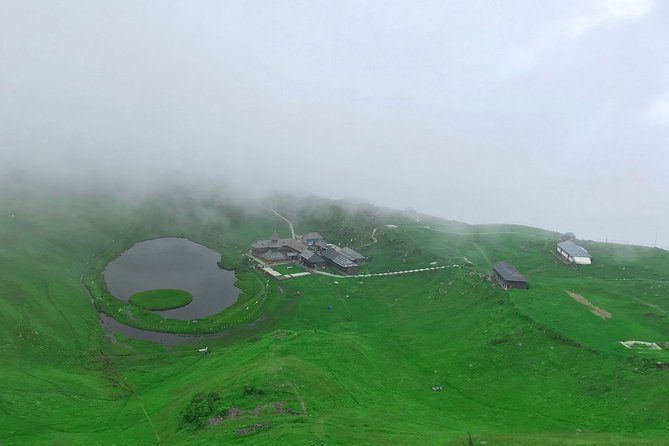
- You get both views and culture nearby: The lake area is linked with a 13th-century temple zone.
Prashar Lake in Two Days: The Value Behind the Price
At about $45.59 per person, this trek is priced like an outdoors trip, not a luxury retreat. What makes it feel like good value is that it covers the stuff that usually inflates trek costs: meals (breakfast, lunch, dinner) plus overnight stay near the lake, and even the basic transportation between Panarsa and the trail start.
You’re also not paying to guess—having a guide reduces the stress of route-finding, and private format means you’re not constantly adjusting your speed to match strangers. In a short itinerary like this, that matters more than people expect. Two days goes fast; if you spend it negotiating your pace and timing, you lose the whole point of the trip.
Still, keep your spending plan realistic. Non-veg and wines are listed as not included, and if you want extra snacks or water beyond what’s provided, that’s on you. Also, if you want a porter, budget extra, since carrying your own things is only one part of comfort on a mountain trek.
Day 1: Panarsa Check-In, Shared Cabs, and the Long Walk to the Lake
Your trek starts in Panarsa (meeting point in Himachal Pradesh, PIN 175121), with the plan beginning in the morning. The timetable notes reaching Panarsa around 9:30 AM and mentions a 10:00 AM start time, so I’d plan to arrive early enough to avoid rushing—this is the kind of trip where calm beats chaos.
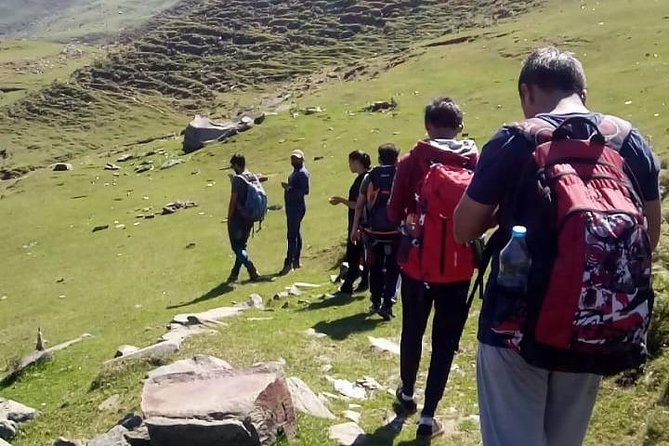
Once you’re picked up, you do a quick fresh-up at a homestay or hotel in Panarsa. Then you transfer to Jwalapur village by shared cabs (25 km), and from there you start the actual hike (another 9 km to the lake area).
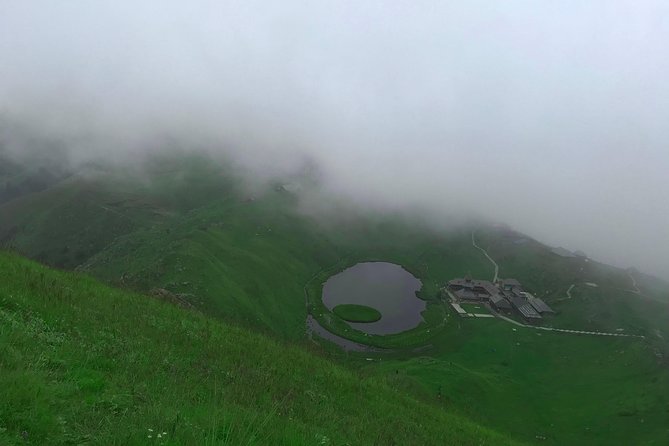
That 9 km trek leg is the heart of Day 1. The rhythm matters because you’ll likely be spending most of the day moving, with only planned pauses. You get a lunch halt with a packed lunch, then you push on to arrive by evening—time enough for photos and sunset at Prashar Lake.
What I’d pay attention to: the itinerary is very structured on purpose. It reduces decision fatigue. You’re not wondering when to eat or when to stop—packed lunch comes when it’s needed, and the evening includes tea, soup, and snacks. That’s a comfort, especially if you’re not used to mountain hikes.
The Lakeside Arrival: Sunset Photos and Evening Fuel
By evening you reach the lake and settle into the overnight plan. One of the best parts of this trip is that you’re not just “arriving,” you’re arriving with a sunset window. The schedule explicitly gives you photography time and sunset views, so you don’t have to choose between reaching camp and enjoying the view.
As daylight fades, you get more than a random meal. The plan includes evening snacks plus tea and soup, then dinner. That matters because mountain hikes can make you feel hungry in a slow, steady way. Getting warm liquids is practical—it helps you feel human again, fast.
Then comes the overnight near Prashar Lake. The description frames it as camping beside the lake near a 13th-century temple zone, with an alternative option for guesthouse accommodation. That flexibility is useful if you want the outdoors experience but feel unsure about sleeping outside.
Overnight Options: Camping by the Sacred Lake or Guesthouse Comfort
If you choose camping, the provided gear is clearly listed: tent, sleeping bags, and mattress. That’s a big deal for value and convenience. It also reduces the packing load and lowers the chance you forget something small but important (like a proper sleeping bag).
If you choose homestay or guesthouse/alternate accommodation, you still keep the same key experience: you’re staying near Prashar Lake close to the temple area. So even if you prefer walls over canvas, the core “wake up near the lake” plan stays intact.
Either way, expect a night that feels different from hotel nights. High-altitude cold can sneak up on you, even if the hike was warm. Bring layers you can adjust quickly, and keep your warm clothes accessible rather than buried deep in the bag.
And yes, this is a peaceful setup. Some travelers talk about the calm vibe and the friendly company that comes from hiking in a managed, private format. With your own group (not a crowd), evenings feel slower and more conversational.
Day 2: Sunrise at Prashar Lake and the 360° Himalayan View
Day 2 starts with an early wake-up at the lake. The itinerary is clear about what you’re there for: sunrise and a 360-degree panoramic view of the Himalayas.
This is one of those moments where the timing is the feature. You’re not sleeping in and treating sunrise like a bonus. The plan is built around getting up, eating breakfast, and then starting your descent.
Breakfast happens in the morning, then you begin the trek back to Jwalapur (9 km). After reaching Jwalapur, you transfer back to Panarsa by shared cabs (25 km), and the tour ends back at the meeting point.
The trek back is often mentally easier because the destination is known, but don’t assume it’s effortless. Going downhill can still beat up your legs and knees. If you’re carrying a daypack, keep weight down. If you’re worried about comfort, this is where a porter can make a real difference.
Private Trek That Doesn’t Feel Like a Race
This trip is described as private, with only your group participating. In practical terms, that means the guide can adjust pacing and timing to your group’s needs rather than holding everyone hostage to a standard pace.
I like this approach for short itineraries. When you’re only out for ~2 days, there’s little room for delays. A private setup usually helps you keep the day on track while still feeling like you’re hiking, not just moving between checkpoints.
It also reduces the usual social friction that happens when you’re grouped with strangers who walk at very different speeds. You get the benefits of guided direction without the stress of constant regrouping.
Food and Fuel: Included Meals That Keep You Moving
You don’t have to guess what you’ll eat on the trail. The plan includes:
- Lunch on Day 1 (packed lunch served at the halt)
- Snacks, tea, and soup in the evening on Day 1
- Dinner on Day 1
- Breakfast on Day 2
That’s the kind of meal coverage that matters because on a mountain trek, energy isn’t just about calories. It’s about avoiding the drop in focus that comes when you feel cold, tired, and slightly underfed.
Also, I appreciate that the trip lists what isn’t included—non-veg and wines—so you won’t be surprised later. If you have dietary needs, the provided info doesn’t spell out options beyond the basics. So I’d communicate your requirements directly when booking, because the trek includes set meal planning.
Gear, Porters, and How Light You’ll Feel
Camping equipment is covered if you camp, so you won’t need to source a tent or sleeping bag for this trip. That’s an easy win for value.
Porters can be hired for an extra fee. The real question for you is: do you want to carry anything beyond a small daypack? If you’re traveling with extra clothing layers, water, and personal items, hiring a porter can turn the trek into a more relaxed hike.
If you’re comfortable carrying your essentials and you’re not trying to bring extra comfort items, you may not need one. But if you’re planning to trek while keeping energy high for sunrise photography and a long Day 2 descent, offloading weight helps.
Transportation and Timing: The Parts That Can Make or Break a Day
This tour includes private transportation, but the itinerary also mentions shared cabs for the Panarsa to Jwalapur leg and the return. So the practical reality is: you’ll get coordinated transport, but you’re not paying for a private car for every kilometer.
That’s fine, and often normal in rural routes. The key is that the driver transfer is planned, so you’re not hunting for local transport after you’re tired from hiking.
Timing-wise, you should assume:
- Morning start from Panarsa
- Midday hike progress with a lunch halt
- Evening arrival at Prashar Lake Day 1
- Early morning sunrise on Day 2
- Trek back and transfer to Panarsa
This is not a “wander and see” itinerary. It’s structured for a lake sunrise. That’s great if you want results and calm planning.
What to Pack and How to Stay Comfortable
The info you have doesn’t list clothing items, but you can make smart guesses based on the fact that you’re camping near a lake and watching sunrise at altitude. Pack for cold early mornings and cooler nights, even if the hike starts feeling warm.
My practical checklist:
- Layers (so you can adjust while walking and when you stop)
- A warm layer you can wear at sunrise
- Good grip shoes for uneven ground
- A daypack for essentials (water, extra layer, basic snacks if you prefer)
- Keep electronics protected from cold and condensation around dawn
Also, consider the camping option seriously. If you’re not used to sleeping outdoors, the guesthouse/homestay alternative can feel like a smarter choice while still keeping the trip’s key moments.
Weather and Cancellations: How Flexibility Affects Your Plan
This experience requires good weather. If it’s canceled due to poor weather, you’ll be offered a different date or a full refund. In other words: don’t schedule it as your only Himalayan plan on a tight timeline.
If the minimum number of travelers isn’t met, you can also be offered another date/experience or get a full refund. That’s normal for small-group trekking operators, and it’s a reason to keep some flexibility.
Who This Trek Fits Best (and Who Might Want Another Option)
This trek suits active outdoor travelers who want a Himalayan hike without the stress of route-finding. It’s also a good match if you like guided structure and want to spend your energy on the lake views, not logistics.
It’s probably less ideal if:
- You hate early starts and want a long, lazy morning
- You’re not comfortable with camping/cold nights (though guesthouse is an alternative)
- You want a completely free-form itinerary with no set meals and stops
If you’re traveling solo, the private format can also be comforting—your guide still handles navigation and timing while you keep personal space in the group setup.
Should You Book Prashar Lake Trek?
I’d book this if you want an efficient two-day Himalayan experience that hits the essentials: guided hiking, sunrise at Prashar Lake, and a night near the sacred temple zone with included food and sleep setup.
Choose it especially if you value:
- All meals included for less hassle
- Provided camping gear if you want outdoors time without extra packing
- A private trek so the pace feels manageable
Skip it or rethink it if you can’t handle cold, don’t want altitude conditions, or you’re locked into fixed travel dates with no wiggle room for weather changes. For everyone else, it’s a solid way to earn that sunrise view—without turning your trip into a scavenger hunt.
FAQ
Where does the Prashar Lake trek start and where does it end?
The trek starts at Panarsa, Himachal Pradesh 175121, India, and ends back at the same meeting point.
How long is the trek?
The duration is about 2 days.
Is this trek private?
Yes. It’s listed as a private tour/activity, so only your group participates.
What meals are included?
Dinner on Day 1, breakfast on Day 2, and lunch on Day 1 are included. The itinerary also includes evening snacks plus tea and soup.
Where do you stay overnight?
You can stay at Prashar Lake with camping (tent, sleeping bags, and mattress provided) or choose guesthouse accommodation.
What camping equipment is provided?
During camping, tents, sleeping bags, and mattresses are provided.
Can I hire a porter to carry luggage?
Yes, porters can be hired for an extra fee if you want help carrying your luggage.
How do you get from Panarsa to the trek start?
You transfer from Panarsa to Jwalapur by shared cabs (25 KM), then hike from Jwalapur to Prashar Lake (9 KM).
What happens if weather is bad?
The experience requires good weather. If it’s canceled due to poor weather, you’ll be offered a different date or a full refund.