REVIEW · BELPASSO
Mount Etna: Summit Crater Trek with Cable Car
Book on GetYourGuide →Operated by Aitne Med Etna Excursions · Bookable on GetYourGuide
Etna feels close enough to touch. This small-group trek gets you from the southern Etna cable car up toward the summit, then you hike to the edge of Bocca Nuova for wide, 360° crater views, often guided in a fun, human way by people like Giuseppe and Simone. It’s Europe’s highest active volcano, and the day has that rare mix of education and real raw terrain.
I like how the tour takes care of the practical stuff. You show up and get boots, helmet, wind jacket, and walking sticks, which matters because Etna is mostly loose volcanic sand and grit underfoot. I also like the guide-led pacing—Marco, Vincenzo, and others are repeatedly praised for keeping everyone safe and not rushing you past the good parts.
One drawback to plan for: the tour price doesn’t cover the lift to the upper areas. You’ll pay extra in cash for the cable car and the 4×4, and if conditions change you may not reach the highest points.
In This Review
- Key highlights to pay attention to
- Meeting and gear at AITNE: show up ready for volcanic footing
- Cable car + 4×4 to Torre del Filosofo: faster altitude, less fighting gravity
- Bocca Nuova summit edge: 1968’s crater and the 360° payoff
- Cratere Centrale and Barbagallo: walking where Etna keeps its receipts
- Lava tunnel + Valle del Bove: the crater world beyond the crater rim
- The real hike: surfaces, sulfur, pacing, and what to pack
- Guides, languages, and small-group energy that keeps you moving
- Price and value: what’s included versus the €65 cable car add-on
- When weather or volcanic risk changes the plan, you still get Etna
- Should you book this Etna summit crater trek?
- FAQ
- How long is the Mount Etna summit crater trek?
- How big is the group?
- What is included in the tour price?
- What does not come with the price?
- How much extra do I need to pay for the cable car and 4×4?
- Where do I meet the guide?
- What languages are the guides?
- Who should not book this tour?
Key highlights to pay attention to
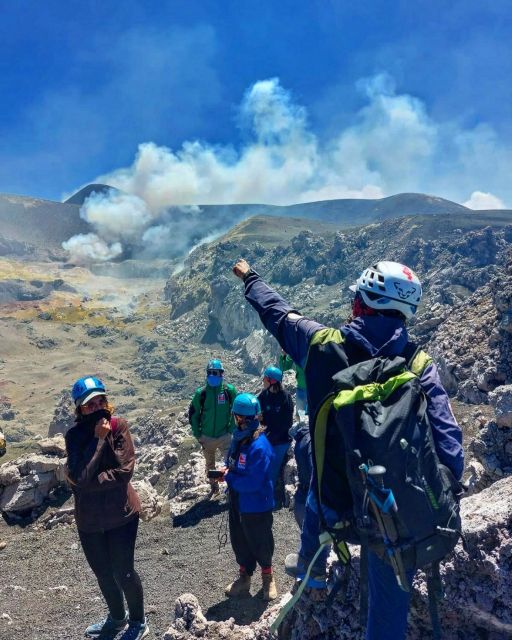
- Small group (limited to 8) means more time with the guide and less waiting around
- Bocca Nuova (opened in 1968) at ~3300 m gives the summit-crater perspective
- 360° panoramas may stretch toward the Aeolian Islands and northern Sicily if visibility cooperates
- Cratere Centrale + Barbagallo crater walks turn the hike into a live geology lesson
- Lava tunnel + Valle del Bove caldera lets you see Etna’s past work up close
- Included gear and insurance reduce what you need to pack and worry about
Meeting and gear at AITNE: show up ready for volcanic footing
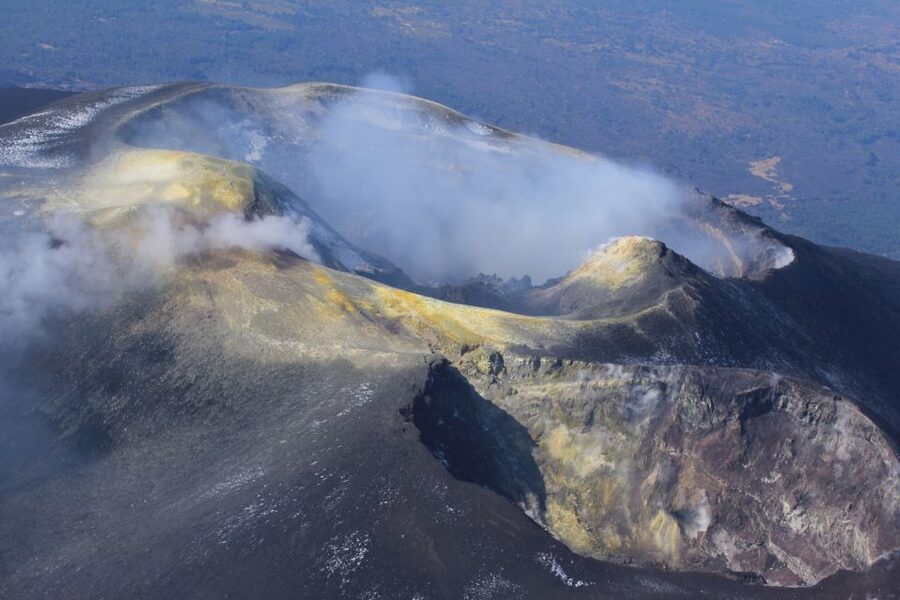
The tour starts in the southern Etna area at AITNE (Escursioni Etna), near the restaurant La Terrazza dell’Etna in front of the cable car station. Before you go anywhere dramatic, you get a safety briefing. That part sounds basic, but on Etna it matters—your footing is irregular, the surfaces can shift from hard to sandy, and your pace needs to stay controlled.
Where this tour earns points for value: the basics are handled for you. You’re provided hiking boots, walking sticks, a helmet, and a wind jacket. Several hikers talk about how gear quality helped them feel comfortable, even on windy days. You’ll also have insurance included, which takes the edge off the day’s risk factor.
Also, bring your real-world expectations: this isn’t a stroll. It’s a guided climb among active geology. Long pants and sun protection help, and packing a small snack is smart because you’re out for about 5 hours and the terrain doesn’t leave much room for spontaneous shopping.
Cable car + 4×4 to Torre del Filosofo: faster altitude, less fighting gravity
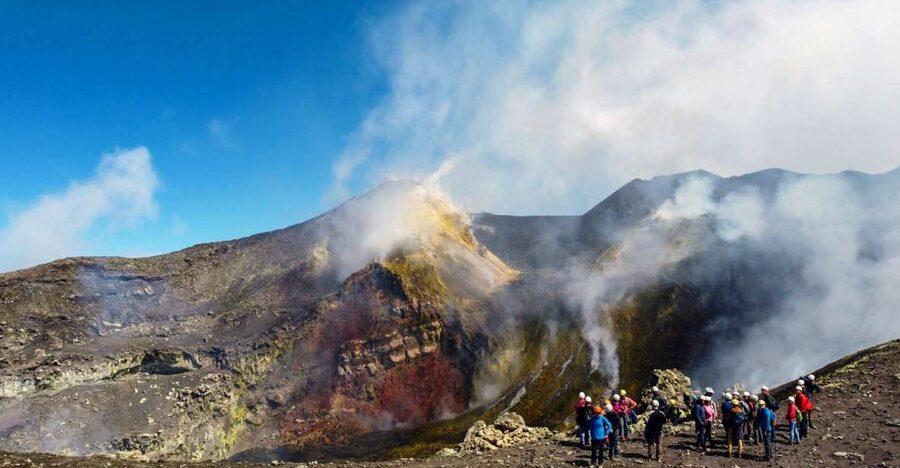
You begin with the cable car (about 15 minutes). This is the “easy start” that gets you from the base area into Etna’s more alien zone—less effort for you, more time for the walk and the views.
After that, it’s a short 4×4 transfer (also about 15 minutes). The goal is altitude without wasting energy. You reach around 2850 meters near Torre del Filosofo, and the surroundings start to feel lunar—rocks, ash, and wide exposure to wind and sun. Even if you’re fit, the benefit here is simple: you arrive at the hike portion less drained, so you can spend energy on the crater edge moment.
One practical note: the cable car and 4×4 portion is not included in the headline tour price. You pay that separately in cash. The upside is you skip the ticket line for the cable car, and you’re working on a plan that’s designed around getting you up efficiently.
Bocca Nuova summit edge: 1968’s crater and the 360° payoff
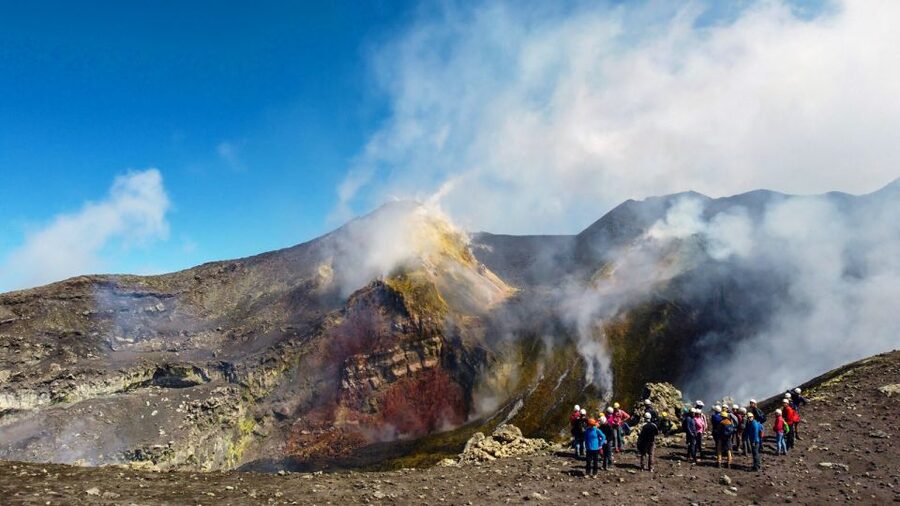
The main guided trek pushes you to the edge of Bocca Nuova, at about 3300 meters. Bocca Nuova opened in 1968, and that date isn’t trivia for trivia’s sake. It’s the kind of marker your guide uses to explain how Etna keeps rewriting its surface.
This is where you want good visibility. If the weather allows, you can see far out—reports include views toward the Aeolian Islands and much of northern Sicily. Even on hazier days, being near the crater gives you that raw, industrial feeling of an active volcano. You’ll also get a chance to pause and take in 360° panoramas, not just quick photos.
What to watch for while you’re up there: steam and gas behavior can be constant, and sound can carry across the rocks. That can surprise some people. If you get anxious with noise or heat coming from the ground, take it slow and lean into the guide’s safety routine. The best experience here comes from staying calm, breathing steadily, and letting your guide translate what you’re seeing into something you can actually understand.
Cratere Centrale and Barbagallo: walking where Etna keeps its receipts
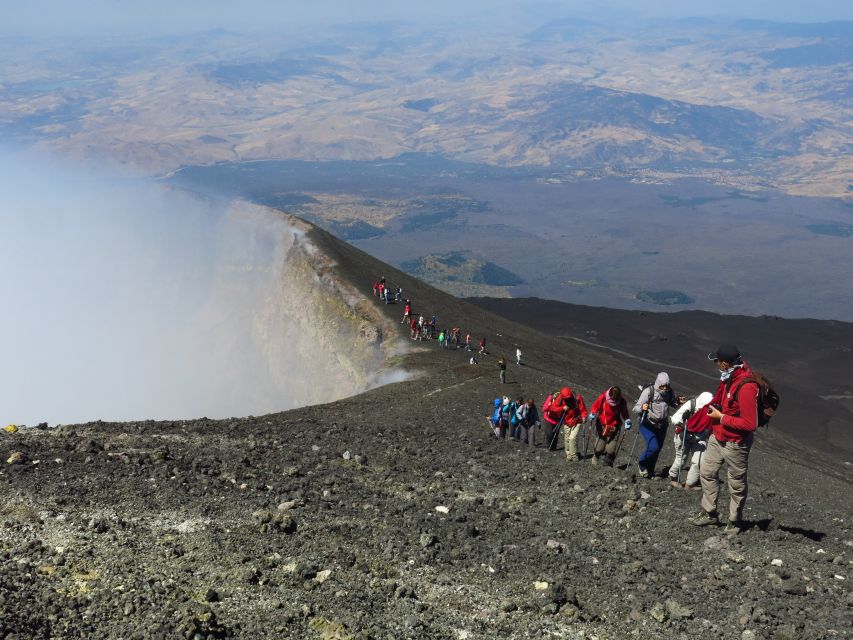
After the Bocca Nuova segment, the tour shifts into more crater-focused viewing. You’ll visit Cratere Centrale dell’Etna and spend time walking with the guide (about 30 minutes), then continue to Barbagallo crater (about 1 hour).
This is the part that turns the trip from sightseeing into learning. The guide points out volcanic features you’d otherwise miss: how eruptions have layered material, how different rock and ash types behave, and why certain areas feel more unstable than others. People repeatedly mention guides like Vincenzo, Giuseppe, and Simone for making the explanations clear without turning it into a lecture.
On descent, you also pass through craters connected to the 2002 eruption. That detail matters because it makes Etna’s story feel recent. You’re not only looking at ancient features—you’re walking near evidence of activity that changed the mountain not too long ago.
You should also be ready for the fact that weather and volcanic conditions can affect how close you get. Some days you’ll reach summit points; other days you’ll get an adjusted route that still includes major craters and key viewpoints.
Lava tunnel + Valle del Bove: the crater world beyond the crater rim
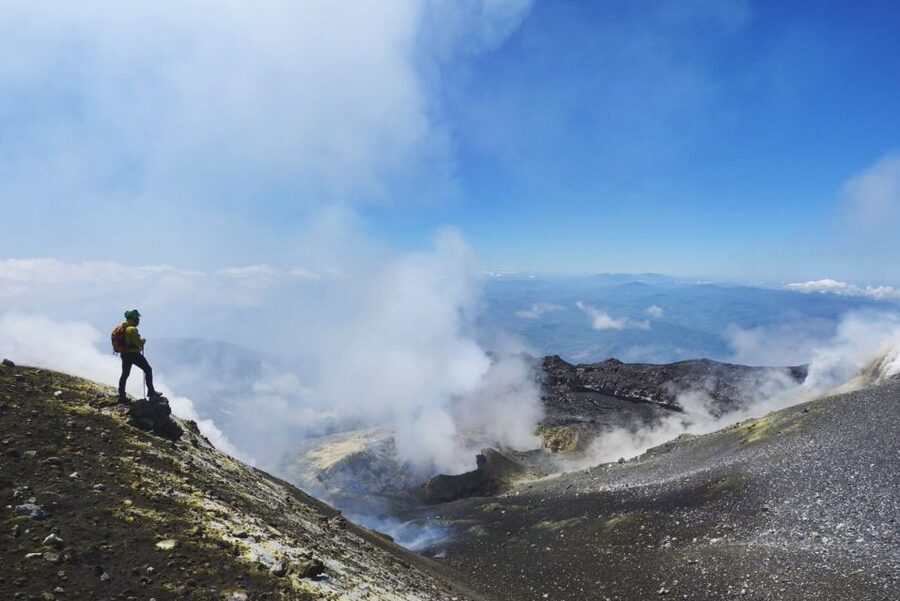
Etna’s summit is dramatic, but the day gets even more interesting when you move into the wider systems around it. The tour includes exploring a lava tunnel, which is one of the best ways to experience how lava can travel and cool. You’ll be walking through a passage that helps you imagine the physics of an eruption, not just stare at the results.
Then there’s Valle del Bove, a vast caldera system described as about 8 km long and 4 km wide. You’ll admire it from the guided route as you descend, including time for the views and the volcanic details around the amphitheater-like basin. It’s the kind of sight that makes you understand scale: this volcano isn’t a single mountain—it’s a whole machine with multiple chambers and paths.
If you’re lucky with conditions, you might even catch signs of more recent activity. Reviews mention days where visitors saw an active lava flow up close (not guaranteed). Even when you don’t, the tunnel and the caldera give you a strong sense of how Etna moves from eruption to aftermath.
The real hike: surfaces, sulfur, pacing, and what to pack
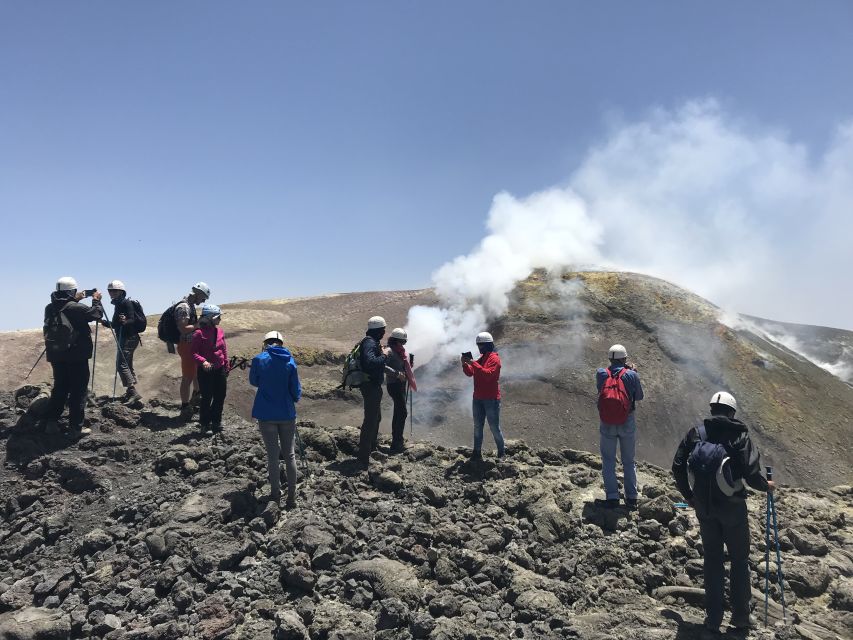
The hiking portion is the hard truth of this tour. Several reviews stress that it’s physically demanding. Loose volcanic scree and sandy steps can slow you down, and wind can turn a cold day into a tricky day fast. The good news is the guides are trained to match the group’s pace. People describe guides checking frequently that no one gets left behind, and adjusting pacing for different fitness levels.
A practical tip that shows up in multiple accounts: plan for sulfur. One reviewer specifically warned that sulfur can burn your throat and suggested covering your mouth and nose. The same account notes that covering clothing can be bought at the check-in counter, so you’re not forced to bring everything from home.
What you should pack (even with gear included):
- Sun cream and a hat or cap
- Long pants (loose ground can be sharp)
- A snack and water plan
- A warm layer if you’re sensitive to wind (your jacket helps, but summit weather can be rude)
And a small mindset shift helps: don’t try to power through. Etna rewards patience. The best moments are the pauses—looking, listening to explanations, and letting the terrain teach you what it does.
Guides, languages, and small-group energy that keeps you moving
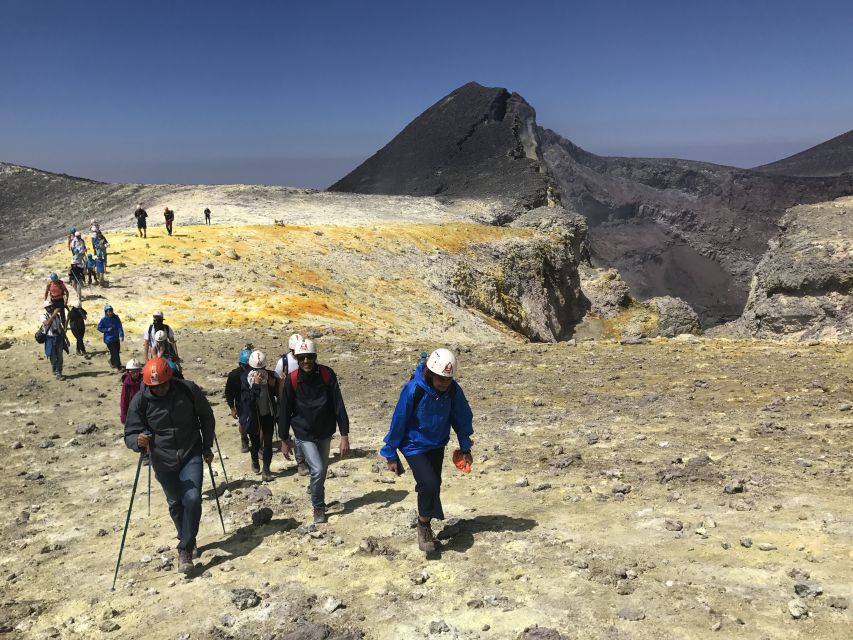
This tour is designed around a small group size (up to 8). That size changes everything. You get less time waiting and more time asking questions, and the guide can actually monitor who’s struggling.
Language options are French, English, and Italian, and you’ll get a live guide throughout. Reviews also repeatedly name guides who keep the day engaging: Marco for info and organization, Vincenzo for geologic storytelling, Eduardo for careful group handling, and Alessandro and Giuseppe for making the hike feel both safe and fun. Even when the plan changes, good guides keep you oriented.
There’s also a human comfort factor: a few reviews mention guides offering extra help when someone’s footing or confidence dipped. That might mean adjusting the route pace or providing warmth when weather turns. It’s not a luxury thing—it’s smart risk management for active terrain.
If you’re the type who worries about being too slow, this is the wrong place to sprint anyway. The better approach is to trust the group pace and let the guide guide.
Price and value: what’s included versus the €65 cable car add-on
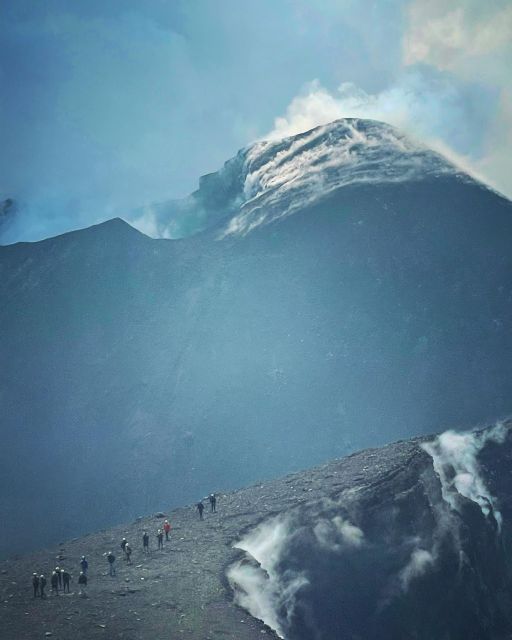
The tour’s listed price is $77 per person, for a total experience lasting about 5 hours. What’s included is more than you’d expect at this price point: volcano guides, the Etna hike, boots, walking sticks, a wind jacket, a helmet, and insurance. You also get free parking until their inventory runs out.
What’s not included is the big moving piece: the cable car round trip and the 4×4 one-way ticket. The extra is €65 per adult and €50 for kids under 11, and you pay it in cash at the office. If the summit can’t be reached because of volcanic activity or adverse weather, you take only the cable car round trip for €52 per person.
Is it worth it? Usually, yes—if you like guided hikes and you want to get high enough to actually see crater-level views. The included gear alone saves you money and hassle. The extra transport fee is the price of getting up the volcano with less effort and more time on the summit-focused walking.
Big warning for budgeting: plan for the cash payment in advance so you don’t end the day stressed.
When weather or volcanic risk changes the plan, you still get Etna
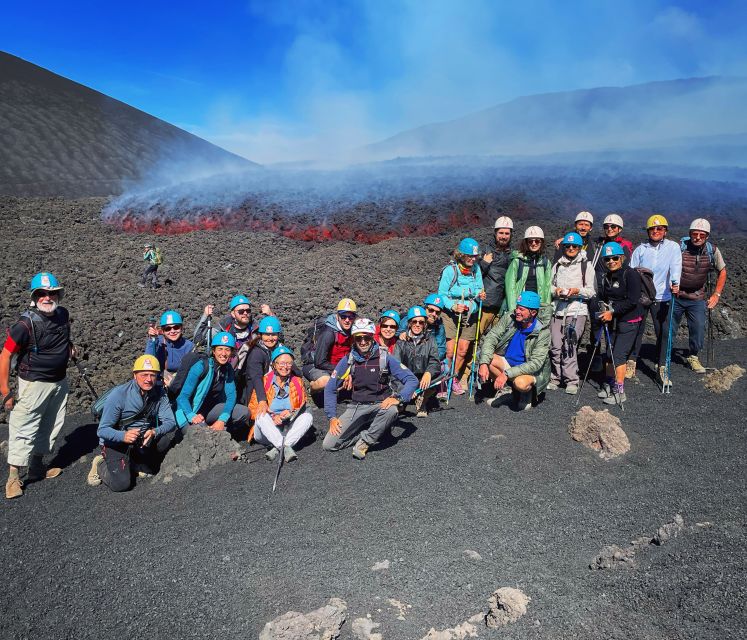
Mount Etna isn’t polite. The tour is explicitly subject to changes due to volcanic risk or weather conditions. That can mean you don’t reach the highest summit edge, or the route shifts to a different set of viewpoints and craters.
Reviews back up this reality: people described days when they couldn’t go all the way due to volcanic activity, yet still felt the experience was worth it. You still get guided crater time, and the itinerary typically keeps the focus on major volcanic features rather than turning into a generic scenic walk.
One more practical point: keep an eye on your comfort with wind and shifting ground. Visibility can change quickly. If you show up dressed for harsh mountain weather and accept that routes can adapt, you’ll enjoy the trip more. If you need guaranteed summit access, Etna is going to test your patience.
Should you book this Etna summit crater trek?
Book it if you want a guided hike close to crater-level terrain, and you’re comfortable with a challenging walk over volcanic surfaces. I especially like this option if you don’t want to manage gear and safety planning yourself, because the tour supplies boots, helmet, wind jacket, poles, and insurance.
Skip it if any of these fit your situation: very low fitness, respiratory issues, heart problems, recent surgeries, pregnancy, mobility impairments or wheelchair use, or you’re bringing kids under the minimum ages listed (not suitable for children under 6/7). Also avoid it if you have strong anxiety about active-volcano sounds and gas.
If you’re a curious person who wants the mountain explained while you’re standing on it, this is one of the best-value ways to experience Etna’s summit world—especially with guides like Simone, Giuseppe, Marco, and Vincenzo who consistently turn the hike into a memorable, practical lesson.
FAQ
How long is the Mount Etna summit crater trek?
The tour lasts about 5 hours.
How big is the group?
It’s a small group limited to 8 participants.
What is included in the tour price?
Included are volcano guides, the Mount Etna hike, hiking boots, walking sticks, a wind jacket, a helmet, insurance, and free parking until stocks run out.
What does not come with the price?
Hotel pickup/drop-off, food and drinks, and the cable car and 4×4 transport up the volcano are not included.
How much extra do I need to pay for the cable car and 4×4?
You pay in cash at the office: €65 per adult and €50 for kids under 11 for the cable car and 4×4. If the summit can’t be reached, you only take the cable car round trip for €52 per person.
Where do I meet the guide?
Meet next to the restaurant La Terrazza dell’Etna in front of the Etna south cable car station.
What languages are the guides?
The live tour guide operates in French, English, and Italian.
Who should not book this tour?
It’s not suitable for children under 6/7, pregnant women, people with mobility impairments, wheelchair users, people with heart problems, and people with respiratory issues, as well as people who had diving within 24 hours prior or recent surgeries, and those with low fitness.